

{
  "authors": [
    "Amb. Teresita Schaffer",
    "William Maley",
    "Marvin Weinbaum",
    "Frederic Grare"
  ],
  "type": "event",
  "centerAffiliationAll": "dc",
  "centers": [
    "Carnegie Endowment for International Peace"
  ],
  "collections": [],
  "englishNewsletterAll": "ctw",
  "nonEnglishNewsletterAll": "",
  "primaryCenter": "Carnegie Endowment for International Peace",
  "programAffiliation": "SAP",
  "programs": [
    "South Asia"
  ],
  "projects": [],
  "regions": [
    "South Asia",
    "India",
    "Afghanistan",
    "Pakistan"
  ],
  "topics": [
    "Political Reform",
    "Democracy"
  ]
}
Threats to Transition in Afghanistan: Old and New
Thu, May 10th, 2007
Washington, D.C.
IMGXYZ697IMGZYXOn May 8, the Carnegie Endowment hosted a panel on "Threats to Transition in Afghanistan: Old and New" that included presentations by Ambassador Teresita Schaffer from the Center for Strategic & International Studies, William Maley from the University of New South Wales, and Marvin Weinbaum from the Middle East Institute. Visiting Scholar Frederic Grare moderated the event.
The panel covered multiple threats to Afghanistan arising from ineffectual central government, indifferent state capacity at the local level, and increasing insurgent activity emanating from Taliban sanctuaries in neighboring Pakistan. In their respective presentations, Teresita Schaffer, William Maley,and Marvin Weinbaum, provided an in-depth discussion on the challenges that still exist and what steps must be taken to move Afghanistan forward. After the panelists’ presentations, Frederic Grare invited audience members to join the dialogue.
Carnegie India does not take institutional positions on public policy issues; the views represented herein are those of the author(s) and do not necessarily reflect the views of Carnegie, its staff, or its trustees.
Event Speakers
Amb. Teresita Schaffer
William Maley
Marvin Weinbaum
Former Nonresident Senior Fellow, South Asia Program
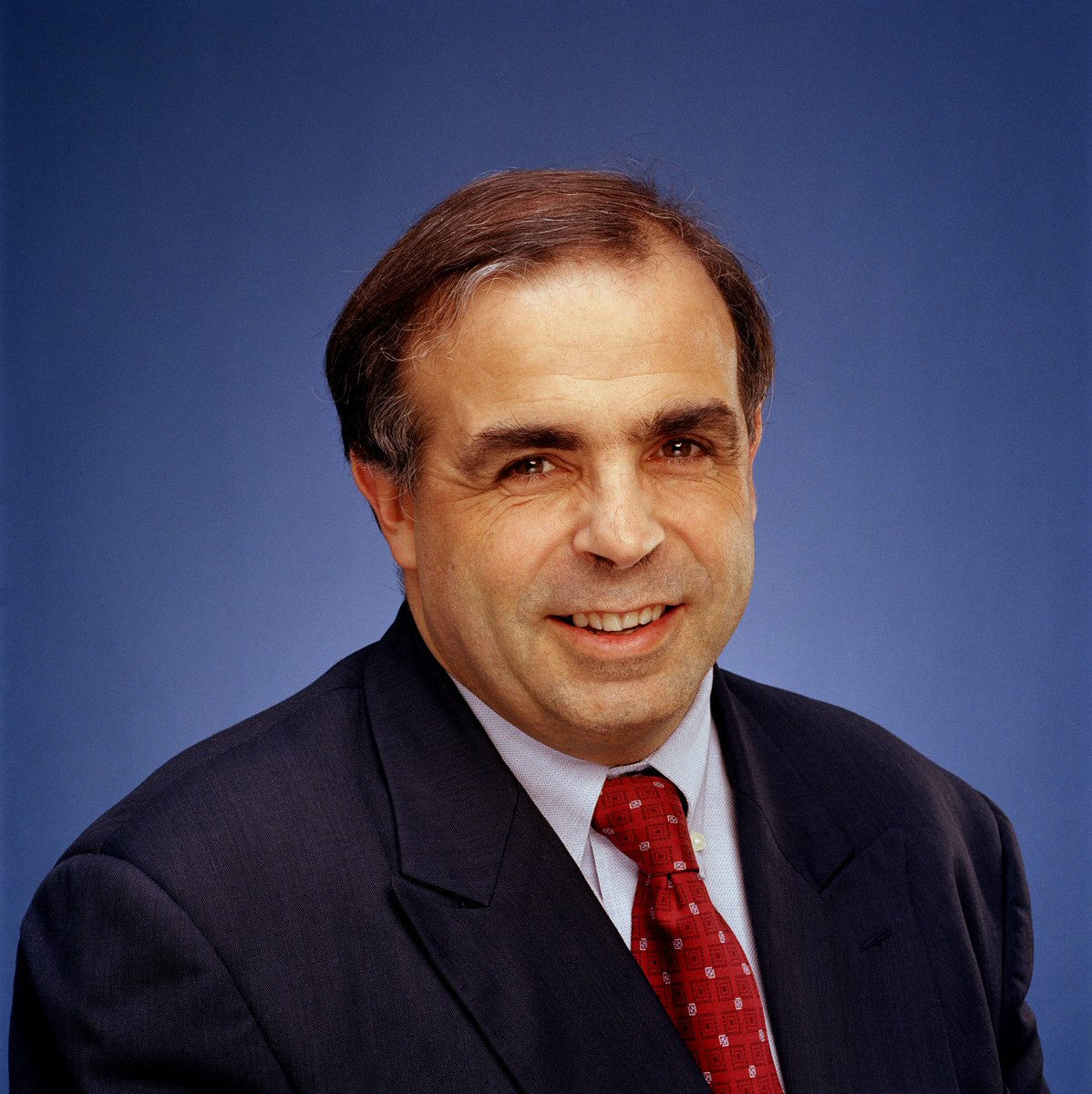
Frédéric Grare was a nonresident senior fellow at the Carnegie Endowment for International Peace, where his research focuses on Indo-Pacific dynamics, the search for a security architecture, and South Asia Security issues.