

{
  "authors": [
    "Dmitri Trenin",
    "James F. Collins"
  ],
  "type": "event",
  "centerAffiliationAll": "dc",
  "centers": [
    "Carnegie Endowment for International Peace"
  ],
  "collections": [],
  "englishNewsletterAll": "ctw",
  "nonEnglishNewsletterAll": "",
  "primaryCenter": "Carnegie Endowment for International Peace",
  "programAffiliation": "russia",
  "programs": [
    "Russia and Eurasia"
  ],
  "projects": [],
  "regions": [
    "Caucasus",
    "Russia"
  ],
  "topics": [
    "Political Reform",
    "Democracy"
  ]
}
The Russian Awakening
Tue, November 27th, 2012
Washington, D.C.
IMGXYZ4076IMGZYXRussian society is waking up and pushing back against Vladimir Putin’s brand of authoritarianism, which it had generally accepted in the previous decade, according to a new paper from the Carnegie Moscow Center. It argues that this awakening has the potential to transform the system into one based on the rule of law. But continued pressure for change from below, an inclusive political process, and responsible behavior at the top are needed before Russia can truly cross into modernity. Which elements of Russian society are leaning toward transformation? And what can Western policymakers do to help Russia transform and become an equal partner on the international stage?
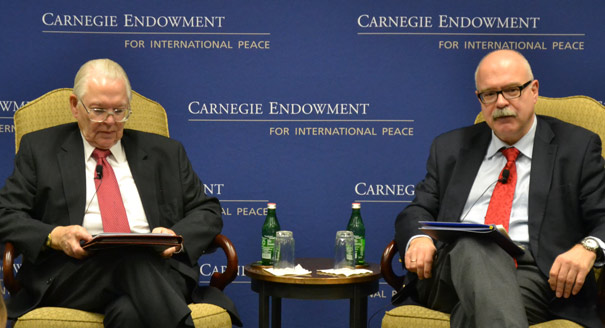
Dmitri Trenin discussed the new paper The Russian Awakening, which details the growing Russian crisis under Putin, and the responsibilities of Western policymakers to help the transformation. Carnegie’s Ambassador James F. Collins moderated.
Carnegie India does not take institutional positions on public policy issues; the views represented herein are those of the author(s) and do not necessarily reflect the views of Carnegie, its staff, or its trustees.
Event Speakers
Former Director, Carnegie Moscow Center
Trenin was director of the Carnegie Moscow Center from 2008 to early 2022.
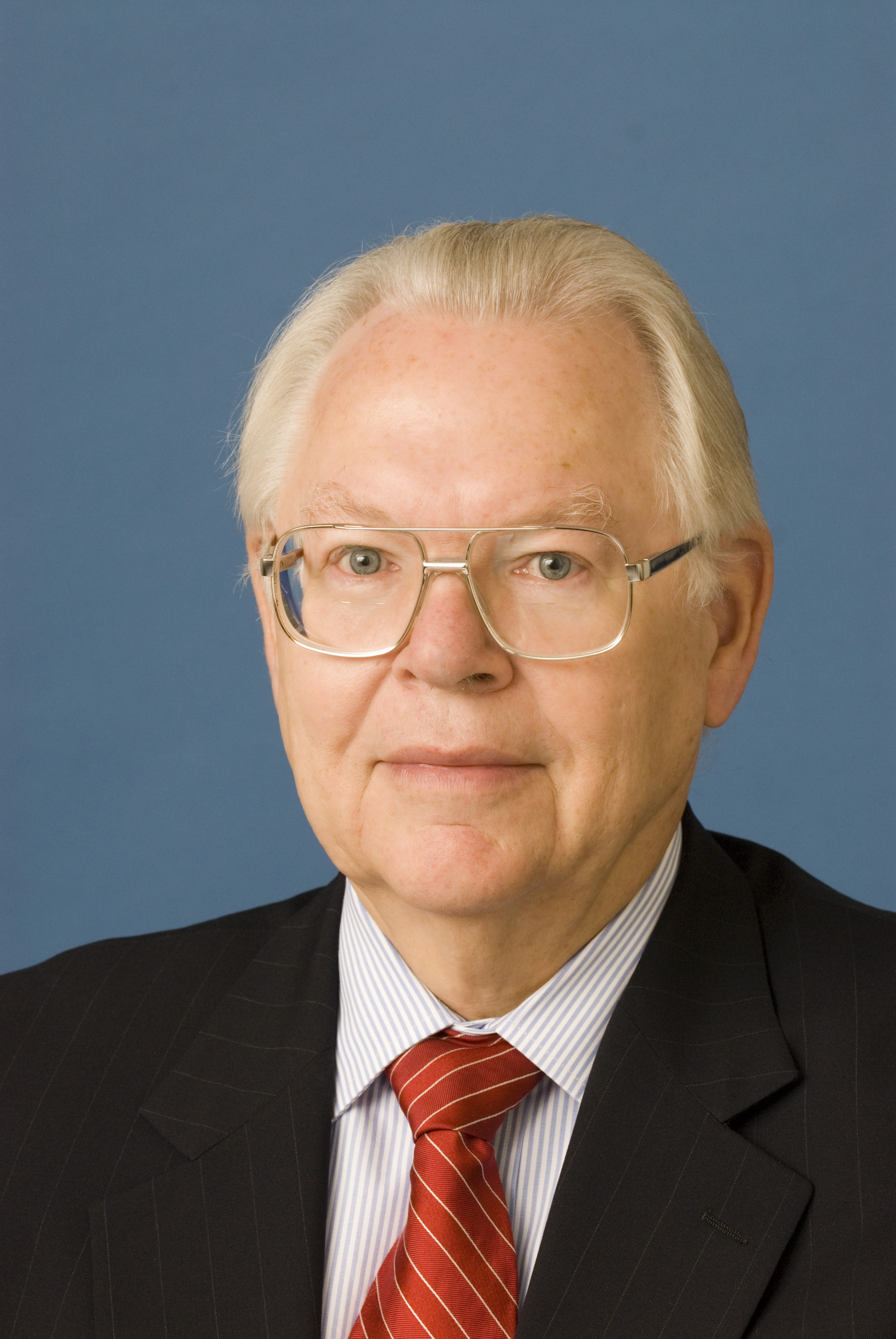
Nonresident Senior Fellow, Russia and Eurasia Program; Diplomat in Residence
Ambassador Collins was the U.S. ambassador to the Russian Federation from 1997 to 2001 and is an expert on the former Soviet Union, its successor states, and the Middle East.