

{
  "authors": [
    "Jean-Marie Guéhenno",
    "Wolfgang Ischinger",
    "Suzanne Maloney",
    "Cornelius Adebahr"
  ],
  "type": "event",
  "centerAffiliationAll": "dc",
  "centers": [
    "Carnegie Endowment for International Peace"
  ],
  "collections": [
    "Iranian Proliferation"
  ],
  "englishNewsletterAll": "ctw",
  "nonEnglishNewsletterAll": "",
  "primaryCenter": "Carnegie Endowment for International Peace",
  "programAffiliation": "EP",
  "programs": [
    "Europe"
  ],
  "projects": [],
  "regions": [
    "North America",
    "United States",
    "Middle East",
    "Iran",
    "Eastern Europe",
    "Western Europe"
  ],
  "topics": [
    "Nuclear Policy",
    "Arms Control",
    "Foreign Policy"
  ]
}
How Europe Will Respond to the Iran Nuclear Agreement
Wed, September 9th, 2015
Washington, DC
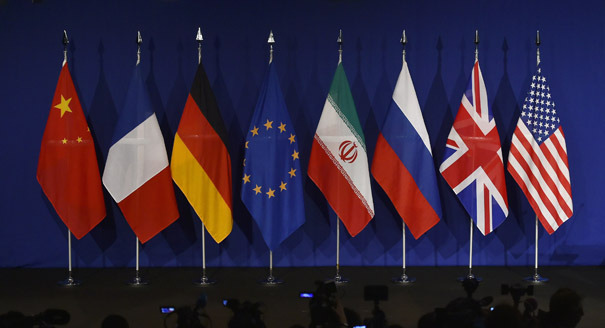
Europe’s role in and response to the Joint Comprehensive Plan of Action (JCPOA) has been a major issue during the current congressional debate. The question under consideration is whether European nations would increase their nuclear-related sanctions against Iran if Congress rejects the JCPOA in hope of a “better deal.” Absent from the debate has been discussion of what Europe’s strategy toward Iran will be, beyond sanctions. Perhaps equally important will be determining how Europe will help pursue implementation of the JCPOA, assuming that it will take effect.
The International Crisis Group and the Carnegie Endowment for International Peace jointly invite you to discuss these questions. Two veterans of European statecraft will kick off the discussion, with a U.S. analyst commenting. Carnegie's Cornelius Adebahr will moderate.
Jean-Marie Guéhenno
Jean-Marie Guéhenno is the president and CEO of the International Crisis Group. A former French diplomat, he served as the United Nations’ under secretary general for peacekeeping operations from 2000 to 2008.
Wolfgang Ischinger
Wolfgang Ischinger is the chairman of the Munich Security Conference. He was the German ambassador to the United States from 2001 to 2006 after serving as German deputy foreign minister for three years.
Suzanne Maloney
Suzanne Maloney is interim deputy director of the Foreign Policy program at the Brookings Institution and a senior fellow in the Brookings Center for Middle East Policy. Most recently, she was a member of the State Department’s Policy Planning Staff, covering Iran, Iraq, the Gulf States, and broader Middle East issues.
Cornelius Adebahr
Cornelius Adebahr, an associate in Carnegie's Europe Program, will moderate the discussion. An expert on European foreign policy, Adebahr focuses his research on EU-Iran relations, having spent two years in Tehran prior to moving to DC.
Carnegie India does not take institutional positions on public policy issues; the views represented herein are those of the author(s) and do not necessarily reflect the views of Carnegie, its staff, or its trustees.
Event Speakers
Jean-Marie Guéhenno
Jean-Marie Guéhenno is the president and CEO of the International Crisis Group. A former French diplomat, he served as the United Nations’ under secretary general for peacekeeping operations from 2000 to 2008.
Wolfgang Ischinger
Munich Conference on Security Policy
Wolfgang Ischinger is the chairman of the Munich Security Conference. He was the German ambassador to the United States from 2001 to 2006 after serving as German deputy foreign minister for three years.
Suzanne Maloney
Vice President and Director, Foreign Policy Program, Brookings Institution

Suzanne Maloney is the vice president and director of the Foreign Policy program at the Brookings Institution, where her research focuses on Iran and Persian Gulf energy. Prior to being named vice president and director, she served as the deputy director of Foreign Policy for five years. Maloney also serves on the External Research Council for the National Intelligence Council and is a frequent commentator in national and international media.
Former Nonresident Fellow, Carnegie Europe
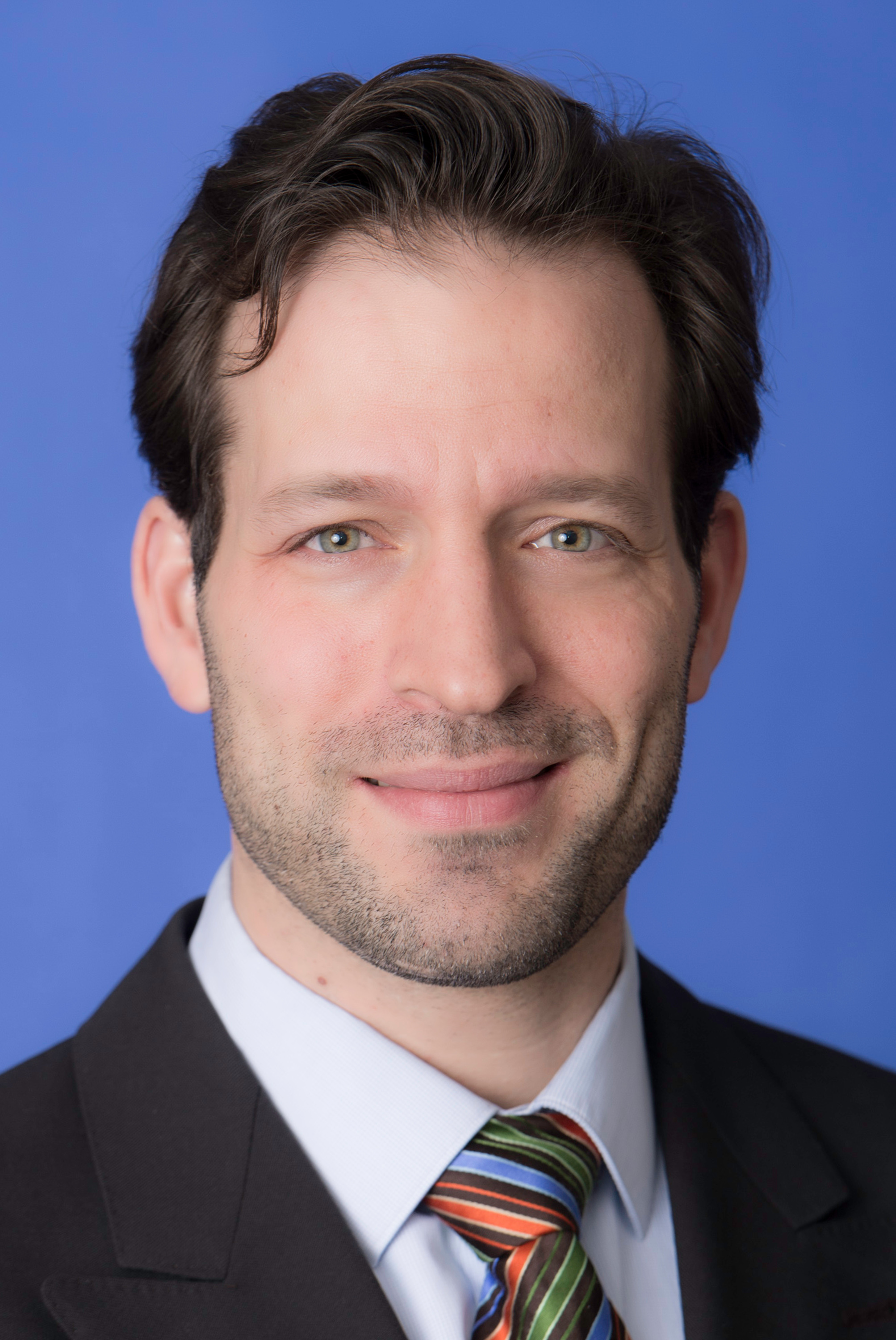
Cornelius Adebahr was a nonresident fellow at Carnegie Europe. His research focuses on foreign and security policy, in particular regarding Iran and the Persian Gulf, on European and transatlantic affairs, and on citizens’ engagement.