

{
  "authors": [
    "William J. Burns",
    "Toby Dalton",
    "Aparna Pande",
    "George Perkovich",
    "Robin Raphel"
  ],
  "type": "event",
  "centerAffiliationAll": "dc",
  "centers": [
    "Carnegie Endowment for International Peace"
  ],
  "collections": [],
  "englishNewsletterAll": "ctw",
  "nonEnglishNewsletterAll": "",
  "primaryCenter": "Carnegie Endowment for International Peace",
  "programAffiliation": "NPP",
  "programs": [
    "Nuclear Policy"
  ],
  "projects": [],
  "regions": [
    "South Asia",
    "India",
    "Pakistan"
  ],
  "topics": [
    "Security",
    "Foreign Policy"
  ]
}
Not War, Not Peace?: Motivating Pakistan to Prevent Cross-Border Terrorism
Fri, October 14th, 2016
Washington, DC
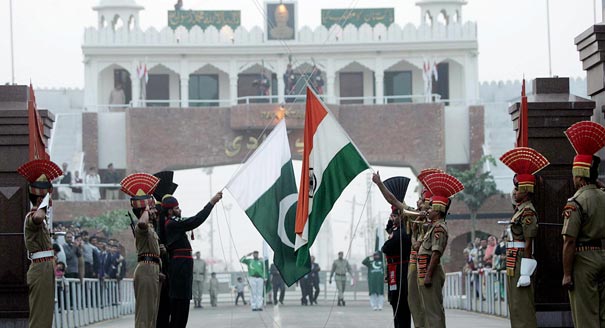
India confronts an exceptionally difficult national security problem: how to motivate Pakistan to prevent cross-border terrorism. Last month’s attack on the Indian Army base at Uri and India’s response, highlight the complexity of this challenge. George Perkovich and Toby Dalton discussed their new book, Not War, Not Peace?, which provides a timely assessment of the options available to India to deter and respond to cross-border terrorism.
A light lunch was served. Copies of Not War, Not Peace? were available for purchase.
William J. Burns
William J. Burns is president of the Carnegie Endowment for International Peace. He previously served as U.S. deputy secretary of state.
Toby Dalton
Toby Dalton is the co-director of the Nuclear Policy Program at the Carnegie Endowment. An expert on nonproliferation and nuclear energy, his work addresses regional security challenges and the evolution of the global nuclear order.
Aparna Pande
Aparna Pande is the director of the Initiative on the Future of India and South Asia at the Hudson Institute.
George Perkovich
George Perkovich works primarily on nuclear strategy and nonproliferation issues, and on South Asian security.
Robin Raphel
Robin Raphel served as U.S. assistant secretary of state for South Asia before becoming the ambassador to Tunisia.
Carnegie India does not take institutional positions on public policy issues; the views represented herein are those of the author(s) and do not necessarily reflect the views of Carnegie, its staff, or its trustees.
Event Speakers
Former Career Diplomat
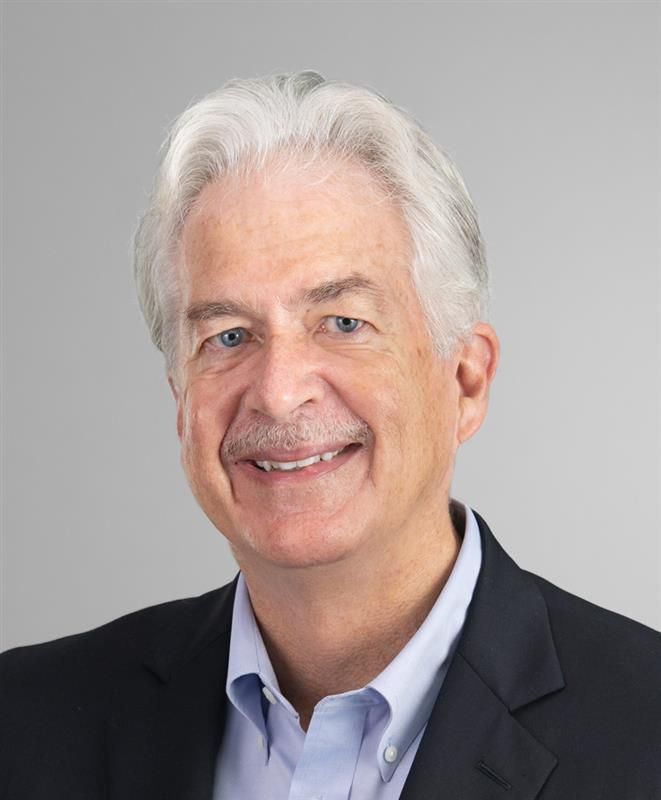
A former career diplomat, William J. Burns served as director of the CIA, deputy secretary of State, and ambassador to Russia and Jordan. Burns was also president of the Carnegie Endowment for International Peace from 2015 to 2021.
Senior Fellow and Co-director, Nuclear Policy Program

Toby Dalton is a senior fellow and co-director of the Nuclear Policy Program at the Carnegie Endowment. An expert on nonproliferation and nuclear energy, his work addresses regional security challenges and the evolution of the global nuclear order.
Aparna Pande
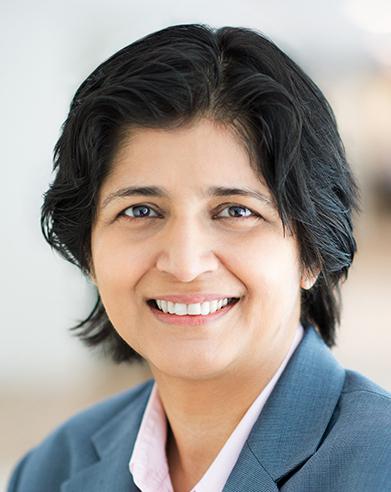
Aparna Pande is director of the Initiative on the Future of India and South Asia at the Hudson Institute, Washington D.C. Her major field of interest is South Asia with a special focus on India, Pakistan, Afghanistan, foreign and security policy.
Japan Chair for a World Without Nuclear Weapons, Senior Fellow

George Perkovich is the Japan Chair for a World Without Nuclear Weapons and a senior fellow in the Carnegie Endowment for International Peace’s Nuclear Policy Program. He works primarily on nuclear deterrence, nonproliferation, and disarmament issues, and is leading a study on nuclear signaling in the 21st century.
Robin Raphel
Robin Raphel served as U.S. assistant secretary of state for South Asia before becoming the ambassador to Tunisia.