

{
  "authors": [
    "Ferid Belhaj",
    "Maha Yahya"
  ],
  "type": "event",
  "centerAffiliationAll": "dc",
  "centers": [
    "Carnegie Endowment for International Peace",
    "Malcolm H. Kerr Carnegie Middle East Center"
  ],
  "collections": [],
  "englishNewsletterAll": "menaTransitions",
  "nonEnglishNewsletterAll": "",
  "primaryCenter": "Malcolm H. Kerr Carnegie Middle East Center",
  "programAffiliation": "MEP",
  "programs": [
    "Middle East"
  ],
  "projects": [],
  "regions": [
    "Middle East",
    "North Africa"
  ],
  "topics": [
    "Political Reform",
    "Economy"
  ]
}
The MENA Region: From Transition to Transformation
Thu, March 28th, 2019
Beirut, Lebanon
Eight years after the Arab Spring and the collapse of commodity prices, full stabilization in the Middle East and North Africa (MENA) region remains elusive. Many countries have yet to enact the deep structural reforms deemed necessary to achieve economic transformation that yields sustainable, inclusive growth and employment opportunities.
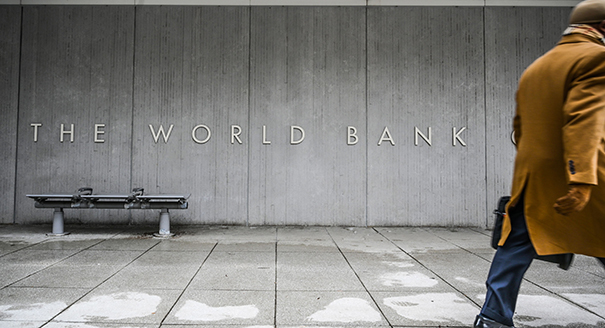
Through its updated MENA strategy, the World Bank Group aims to pursue a two-pronged approach to promote peace and stability through economic and social inclusion. This approach builds on the four pillars of the World Bank’s 2015 MENA strategy, which includes renewing the social contract, strengthening resilience to shocks, supporting regional cooperation, and supporting recovery and reconstruction in conflict-affected countries.
The event featured a discussion about this strategy with the World Bank’s MENA vice president Ferid Belhaj and the Carnegie Middle East Center’s director Maha Yahya, titled The MENA Region: From Transition to Transformation.
SPEAKERS
Ferid Belhaj is the vice president for the Middle East and North Africa at the World Bank Group.
Maha Yahya is the director of the Carnegie Middle East Center.
Carnegie India does not take institutional positions on public policy issues; the views represented herein are those of the author(s) and do not necessarily reflect the views of Carnegie, its staff, or its trustees.
Event Speakers
Ferid Belhaj
Director, Malcolm H. Kerr Carnegie Middle East Center
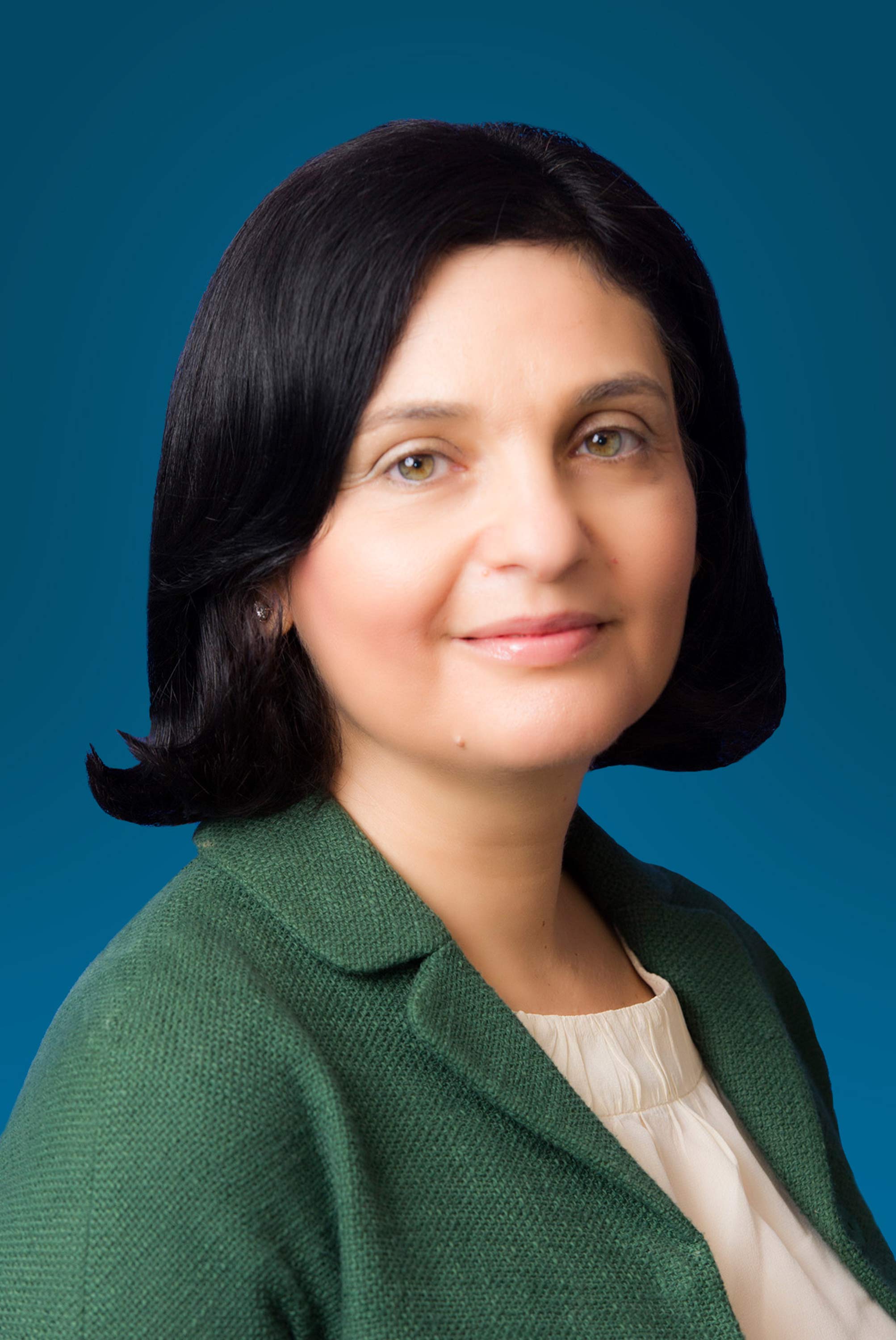
Maha Yahya is director of the Malcolm H. Kerr Carnegie Middle East Center, where her research focuses on citizenship, pluralism, and social justice in the aftermath of the Arab uprisings.