

{
  "authors": [
    "Amr Adly",
    "Nur Arafeh",
    "Hamza Meddeb",
    "Manal Shehabi",
    "Maha Yahya"
  ],
  "type": "event",
  "centerAffiliationAll": "",
  "centers": [
    "Carnegie Endowment for International Peace",
    "Malcolm H. Kerr Carnegie Middle East Center"
  ],
  "collections": [
    "Political Economy Program"
  ],
  "englishNewsletterAll": "",
  "nonEnglishNewsletterAll": "",
  "primaryCenter": "Malcolm H. Kerr Carnegie Middle East Center",
  "programAffiliation": "",
  "programs": [],
  "projects": [
    "Political Economy Program"
  ],
  "regions": [
    "Middle East",
    "North Africa",
    "Egypt",
    "Tunisia",
    "Lebanon",
    "Levant",
    "Maghreb"
  ],
  "topics": [
    "Energy"
  ]
}
Unveiling the Domestic and Geopolitical Consequences of Economic Failings in the MENA Region
Tue, January 16th, 2024
Virtual
The Middle East and North Africa have been hit by food, energy, and debt crises that have exacerbated structural economic weaknesses of low- and middle-incomes countries, particularly Egypt, Tunisia, and Lebanon. These crises have increased the pressure on domestic political orders, as incumbent regimes are currently facing acute policy dilemmas since the restructuring of their economies could entail social and political costs that might ultimately undermine their authority. At the same time, these crises have exacerbated the geopolitical marginalization of Egypt, Tunisia, and Lebanon, while bolstering the power of hydrocarbon exporters.
The Malcolm H. Kerr Carnegie Middle East Center is organizing a webinar to launch a co-authored paper by Malcolm H. Kerr Carnegie Middle East Center fellows, Nur Arafeh and Hamza Meddeb, entitled: “Misfortune to Marginalization: The Geopolitical Impact of Structural Economic Failings in Egypt, Tunisia, and Lebanon.” The speakers are Manal Shehabi, Amr Adly, Nur Arafeh and Hamza Meddeb. The event will take place virtually on January 16, at 5:00 P.M. Beirut time, 10:00 A.M. EST.
The discussion will be held in English and moderated by Maha Yahya, the director of the Malcolm H. Kerr Carnegie Middle East Center.
Viewers may submit their questions to the panelists using the live chat feature on Facebook and YouTube.
For more information, please contact Najwa Yassine at najwa.yassine@carnegie-mec.org
Carnegie India does not take institutional positions on public policy issues; the views represented herein are those of the author(s) and do not necessarily reflect the views of Carnegie, its staff, or its trustees.
Event Speakers
Former Nonresident Scholar, Middle East Center
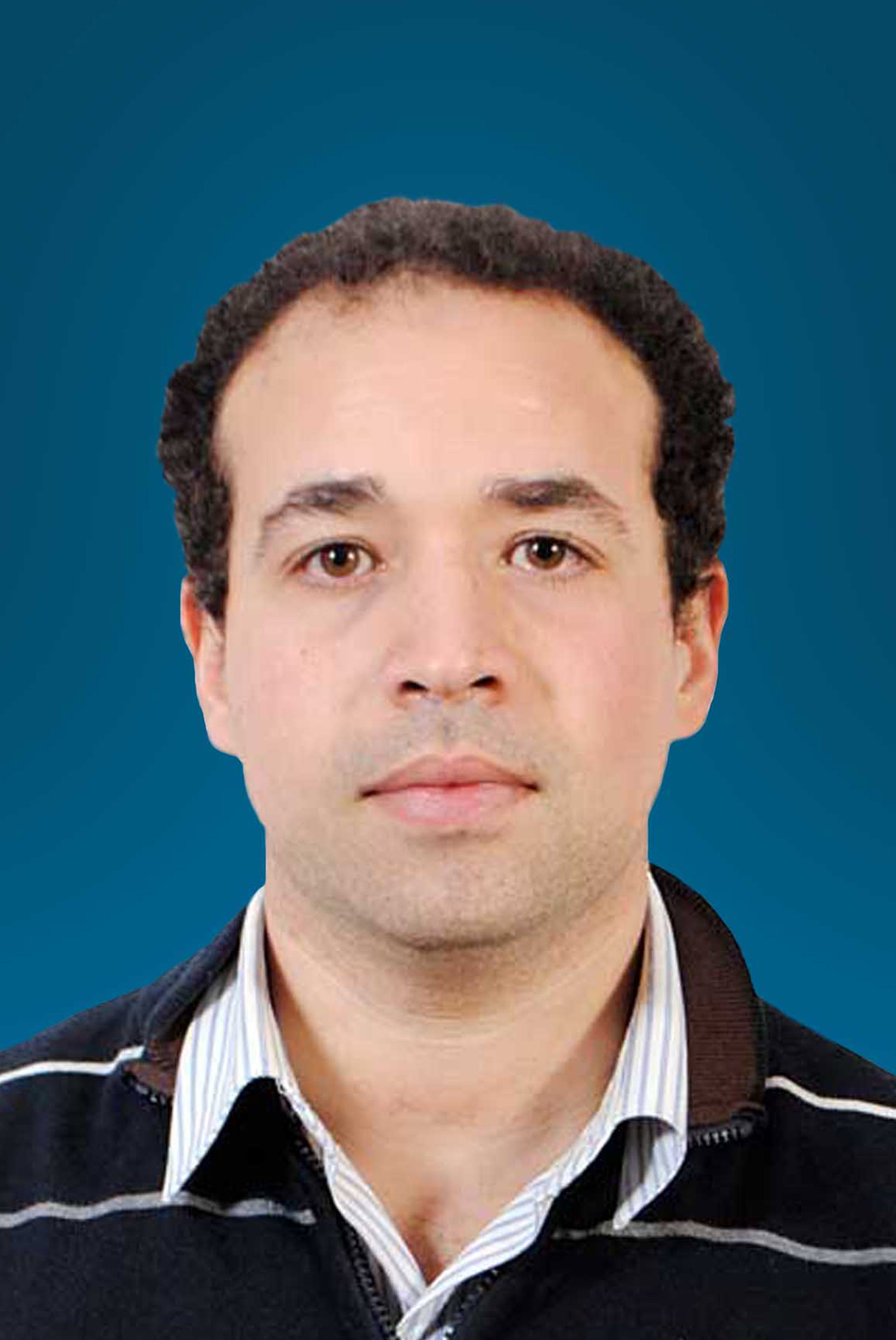
Adly was a nonresident scholar at the Carnegie Middle East Center, where his research centers on political economy, development studies, and economic sociology of the Middle East, with a focus on Egypt.
Nonresident Scholar, Malcolm H. Kerr Carnegie Middle East Center
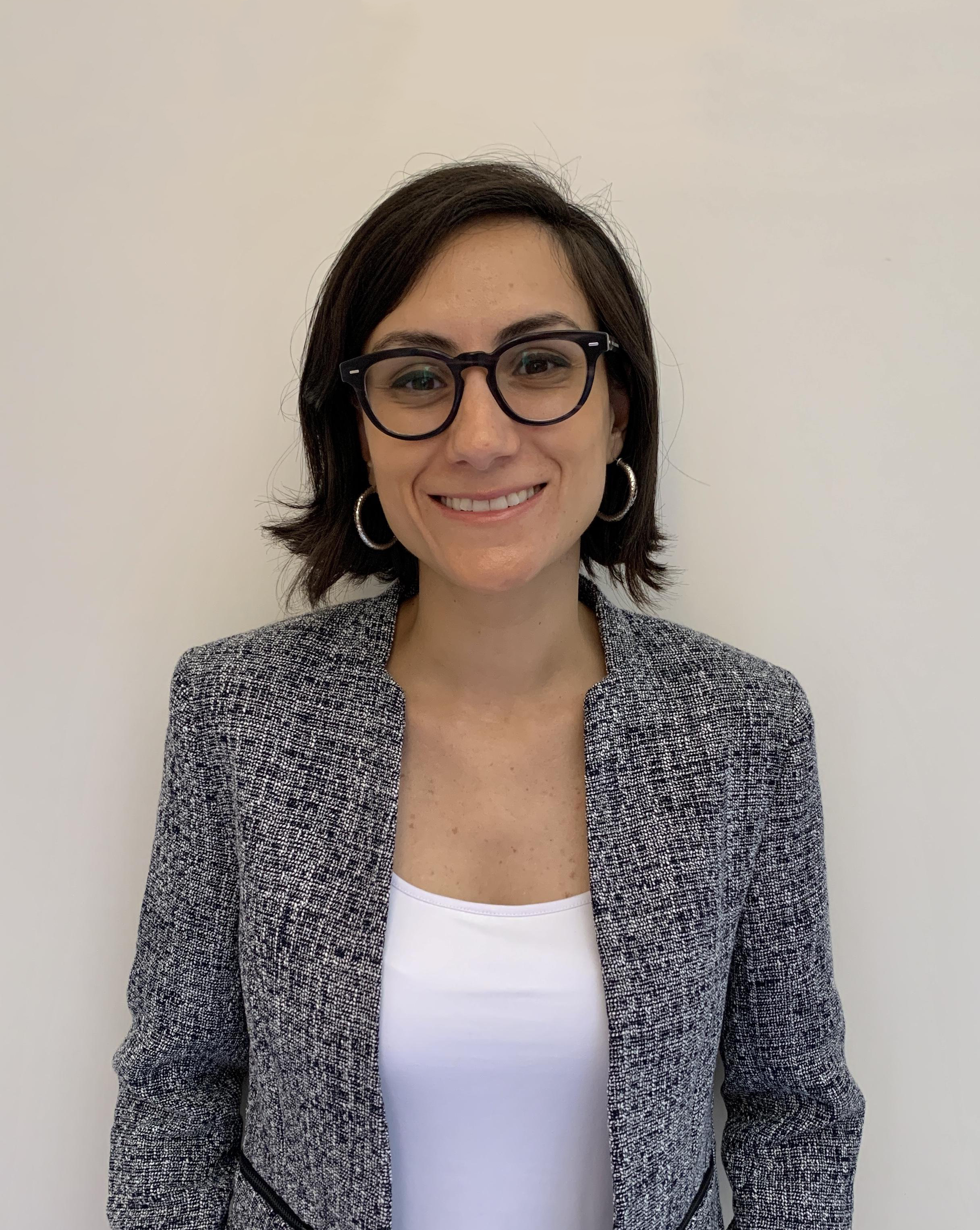
Nur Arafeh is a nonresident scholar at the Malcolm H. Kerr Carnegie Middle East Center, where she is co-leading the program on the political economy of the MENA region. Her research focuses on the political economy of reconstruction, private sector development, business-state relations, food insecurity, and peacebuilding strategies.
Fellow, Malcolm H. Kerr Carnegie Middle East Center
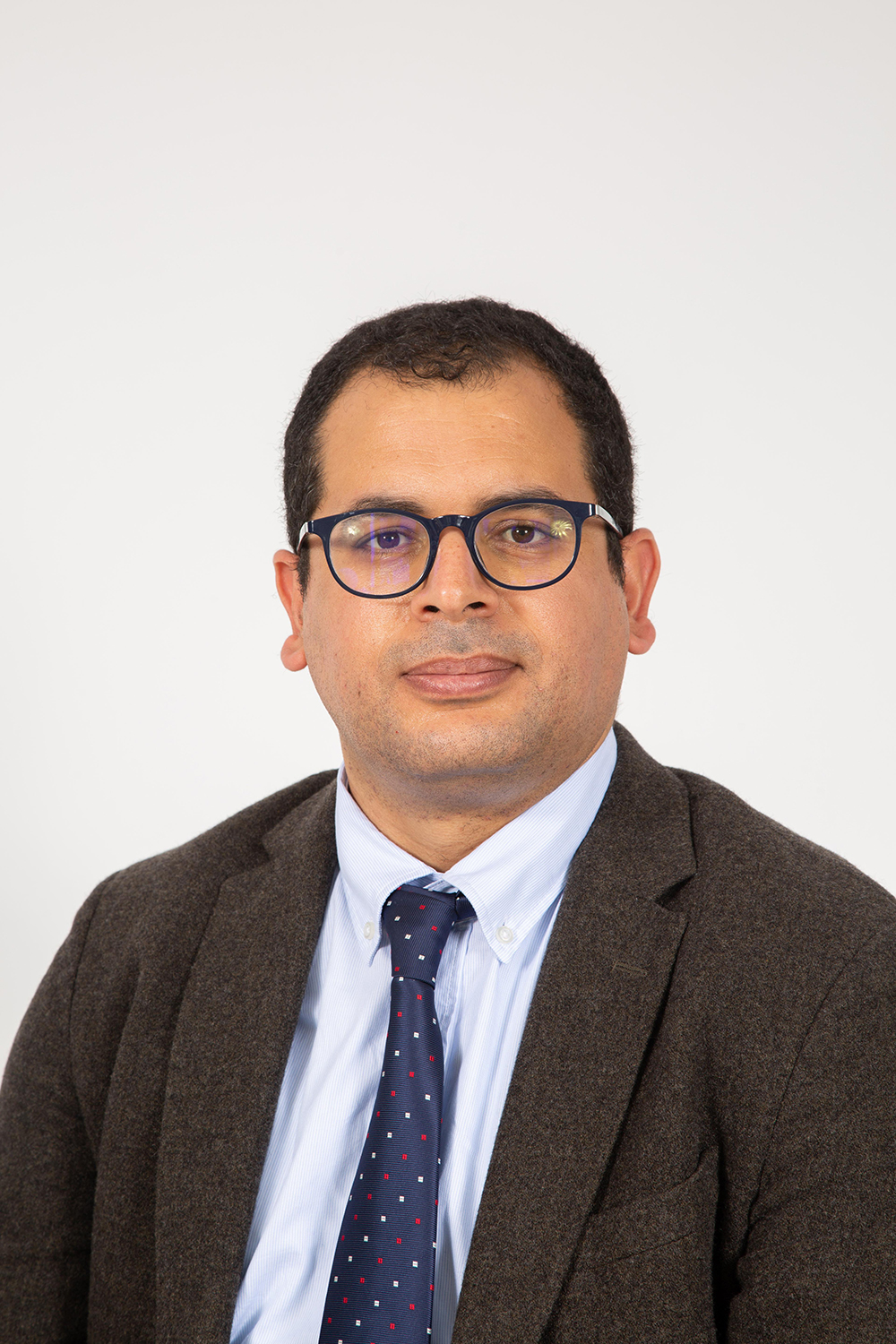
Hamza Meddeb is a research fellow at the Malcolm H. Kerr Carnegie Middle East Center in Beirut, where he co-leads the Political Economy Program
Manal Shehabi
Manal Shehabi is an associate faculty member of the Faculty of Asian and Middle Eastern Studies at the University of Oxford and the founding director of SHEER Research and Advisory Lt. She is also a research associate at the Economic Research Forum and a member of the Institute for Climate, Energy & Disaster Solutions at the Australian National University. Her work examines the intersection of economic, energy, and climate sustainability and policy in developing resource economies, focusing on the Middle East and North Africa. Among others, she is an expert with the UNFCCC and addressed, by invitation, COP28’s First Annual High-Level Ministerial Round Table on Just Transition, to help guide the Just Transition Work Programme. She is also a consultant to the International Energy Agency and is the Publish What You Pay (PWYP) MENA Just Energy Transition Working Group Consultant.
Director, Malcolm H. Kerr Carnegie Middle East Center

Maha Yahya is director of the Malcolm H. Kerr Carnegie Middle East Center, where her research focuses on citizenship, pluralism, and social justice in the aftermath of the Arab uprisings.