

{
  "authors": [
    "Thomas de Waal",
    "Maksim Samorukov",
    "Anja Wehler-Schoeck"
  ],
  "type": "event",
  "centerAffiliationAll": "",
  "centers": [
    "Carnegie Endowment for International Peace",
    "Carnegie Russia Eurasia Center"
  ],
  "collections": [
    "Aso Tavitian Initiative"
  ],
  "englishNewsletterAll": "",
  "nonEnglishNewsletterAll": "",
  "primaryCenter": "Carnegie Russia Eurasia Center",
  "programAffiliation": "",
  "programs": [],
  "projects": [],
  "regions": [
    "Armenia",
    "Georgia",
    "Moldova",
    "Eastern Europe",
    "Russia"
  ],
  "topics": []
}
Between Russia and the EU: Europe’s Arc of Instability
Tue, June 25th, 2024
Berlin
Russia’s invasion of Ukraine has left a group of European countries more vulnerable and insecure than ever before. This arc of instability extends from the South Caucasus through Moldova and the Western Balkans.
The war has turned these “in-between” states into the focus of a tug of war between Moscow, which draws on historical, economic, and energy ties to preserve its sway, and the European Union, which competes for influence through the promise of eventual membership of the bloc.
Three leading Carnegie scholars—Thomas de Waal, Dimitar Bechev, and Maxim Samorukov—have teamed up for a research project to analyze the current challenges faced by countries where the EU and Russia are tussling for influence. This has resulted in the paper “Between Russia and the EU: Europe’s Arc of Instability,” as well as individual country case studies on Armenia, Bosnia and Herzegovina, and Moldova.
Thomas de Waal, a senior fellow at Carnegie Europe, and Maksim Samorukov, a fellow at the Carnegie Russia Eurasia Center, discussed Russia’s different strategies in these countries, and how the EU can better counter them. Anja Wehler-Schöck, international editor of Tagesspiegel, moderated.
Carnegie India does not take institutional positions on public policy issues; the views represented herein are those of the author(s) and do not necessarily reflect the views of Carnegie, its staff, or its trustees.
Event Speakers
Senior Fellow, Carnegie Europe

Thomas de Waal is a senior fellow at Carnegie Europe, specializing in Eastern Europe and the Caucasus.
Fellow, Carnegie Russia Eurasia Center
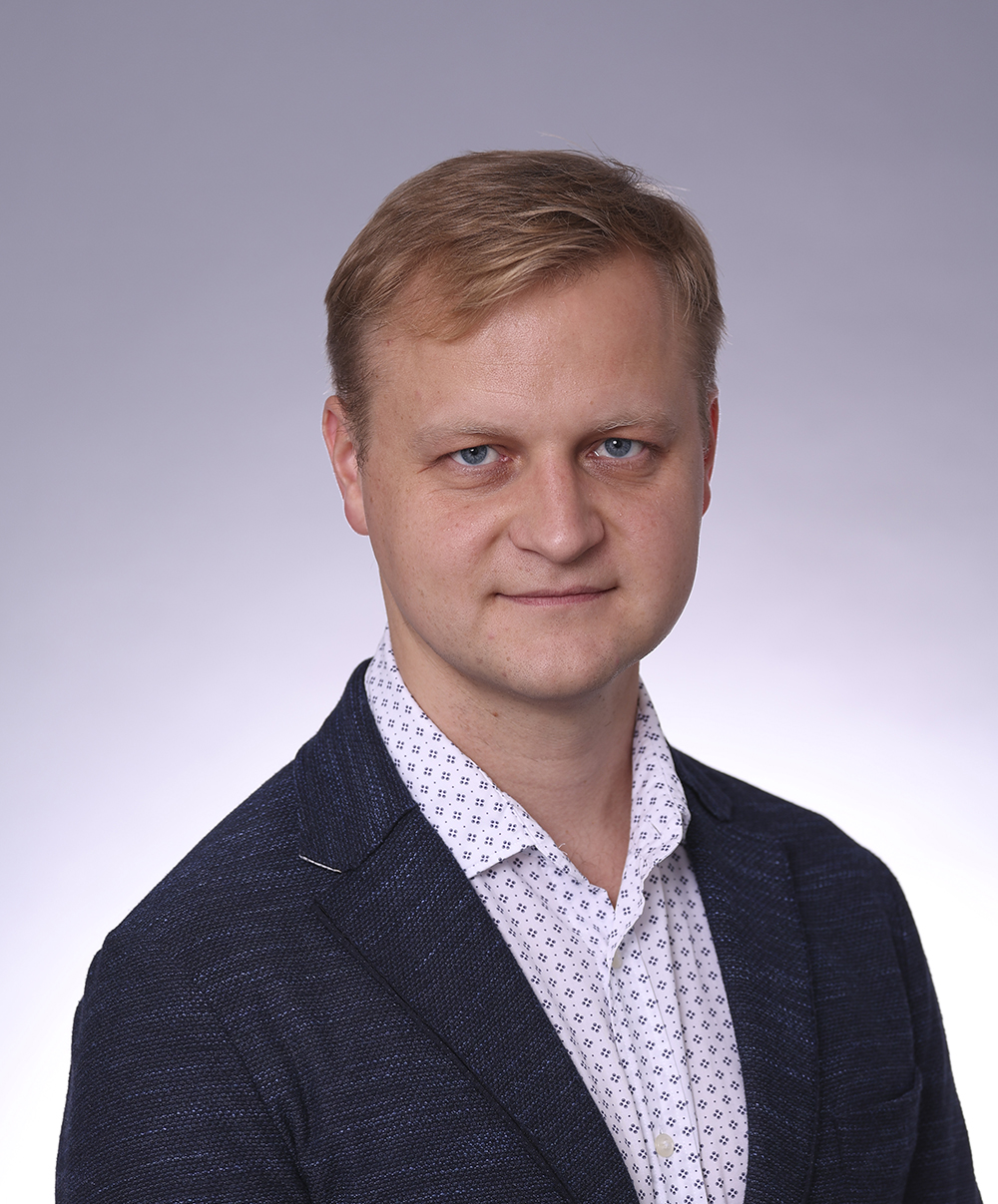
Samorukov is a fellow at the Carnegie Russia Eurasia Center.
Anja Wehler-Schoeck
International Editor, Tagesspiegel
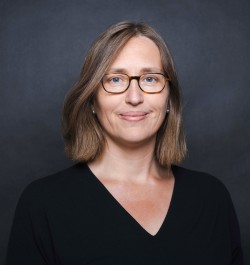
Anja Wehler-Schoeck is the International Editor at the German newspaper Tagesspiegel.