• Research
  • About
  • Experts
Carnegie India logoCarnegie lettermark logo
AI
Podcast Episode
Carnegie India

AI Adoption Journey for Population Scale: The UCAF Framework

In this episode of Interpreting India, Nidhi Singh is joined by Shalini Kapoor, chief strategist for Data and AI at the EkStep Foundation, and Tanvi Lall, director for strategy at People+ai. They unpack why so many AI initiatives get stuck after impressive demos, and what it takes to move from pilots to real, sustained adoption. Drawing on research spanning 1,000+ use cases across 25 countries, the guests introduce the Use Case Adoption Framework (UCAF) and explain how India can translate AI ambition into population-scale impact—especially across public services, agriculture, health, and other high-priority sectors.

Link Copied
By Nidhi Singh, Shalini Kapoor, Tanvi Lall
Published on Jan 30, 2026

Subscribe on

SpotifyApple PodcastsAmazon MusicYoutube
Project hero Image

Project

Technology and Society

This program focuses on five sets of imperatives: data, strategic technologies, emerging technologies, digital public infrastructure, and strategic partnerships.

Learn More

Episode Summary

In this episode of Interpreting India, Nidhi Singh is joined by Shalini Kapoor, chief strategist for Data and AI at the EkStep Foundation, and Tanvi Lall, director for strategy at People+ai. They unpack why so many AI initiatives get stuck after impressive demos, and what it takes to move from pilots to real, sustained adoption. Drawing on research spanning 1,000+ use cases across 25 countries, the guests introduce the Use Case Adoption Framework (UCAF) and explain how India can translate AI ambition into population-scale impact—especially across public services, agriculture, health, and other high-priority sectors.

Why do AI pilots stall in “pilot purgatory,” even when the technology works? What does a concrete AI use case look like beyond a chatbot demo? And what institutional changes—trust, accountability, workflow redesign, safeguards, and data readiness—are required for adoption at scale?

Episode Notes

AI progress is often measured by the number of pilots launched, but this episode argues the real unit of progress should be how many AI use cases are reliably in production and embedded into everyday systems. Shalini Kapoor distinguishes AI innovation (models, chips, and breakthroughs) from AI adoption, emphasizing that adoption is frequently harder because it demands institutional integration, behavior change, and clear accountability—especially when AI advice affects livelihoods, health outcomes, or legal decisions.

Tanvi Lall explains “pilot purgatory” as the frustrating middle state where use cases never move beyond controlled deployments. She shares how recurring barriers—compute constraints within real institutions (not just cloud credits), fragmented workflows, late-stage safety design, lack of sustained funding, and weak organizational readiness—prevent diffusion. The conversation highlights the UCAF approach to defining a use case as a commitment to improve a specific outcome for a specific persona in a specific context, and why trust and accountability are as central as the technology layer.

The episode also explores “horizontal enablers” that make scale possible—data readiness, multilingual language support, voice interfaces for last-mile access, workforce integration, and guardrails. A detailed example (Mahavistar in Maharashtra) illustrates what scaling can look like when government partnership, data pipelines, voice infrastructure, safeguards, and long-term funding align. Finally, the guests look ahead to what AI adoption in India could look like over the next five years, arguing that the most impactful AI will feel “ordinary”—quietly embedded into routine decisions—supported by shared adoption infrastructure rather than one-off pilots.

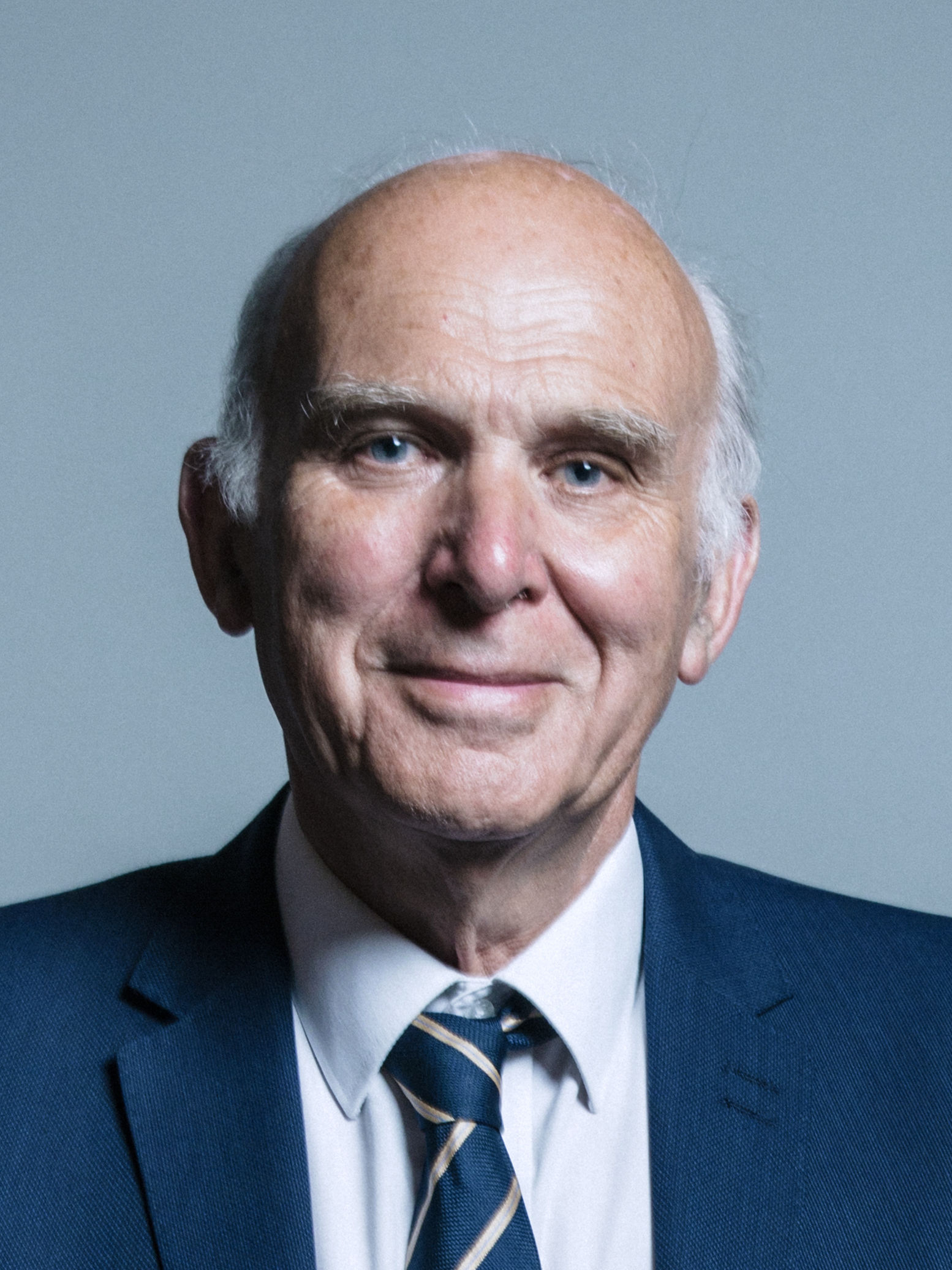
Hosted by

Nidhi Singh
Associate Fellow, Technology and Society Program
Nidhi Singh

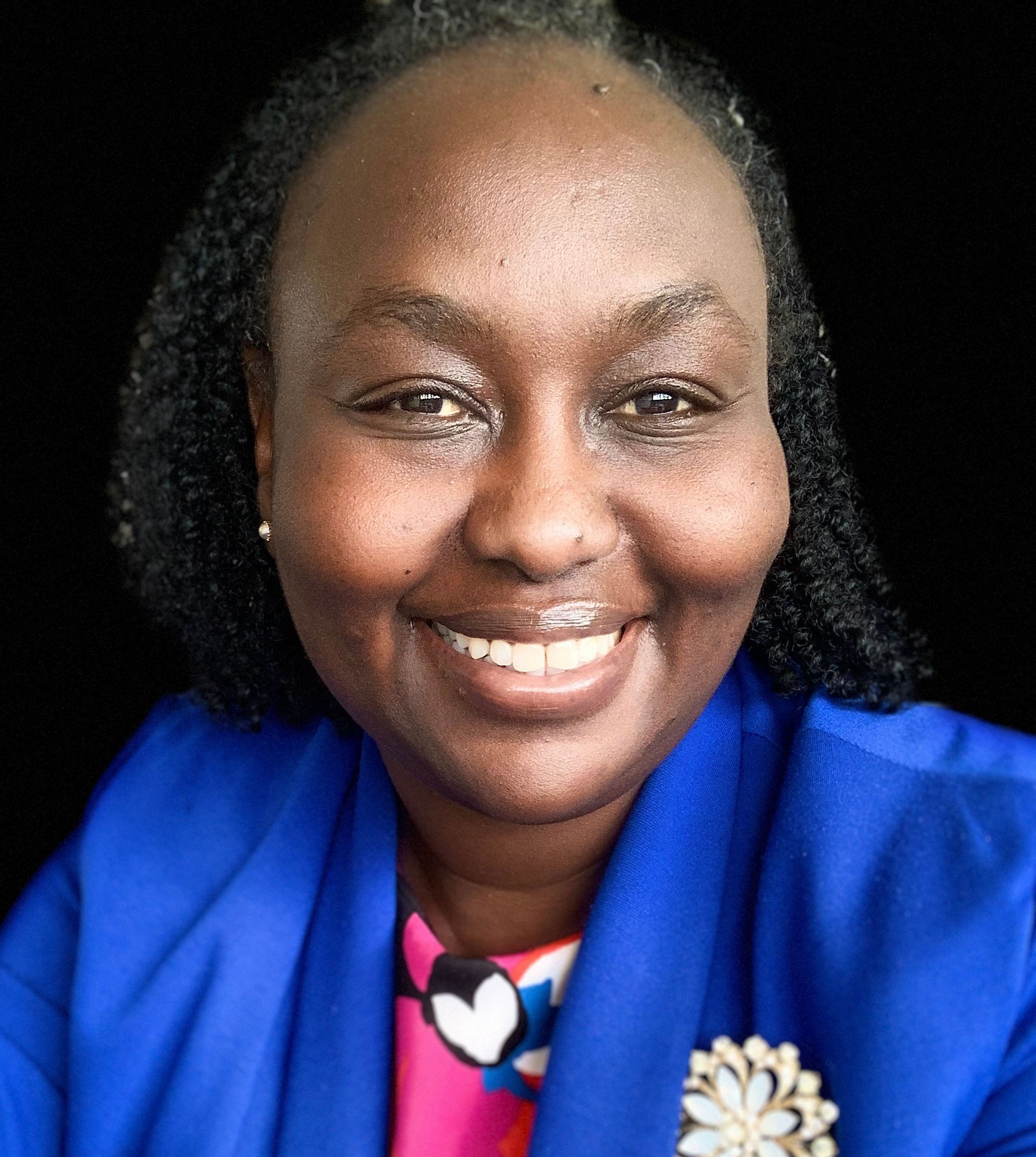
Featuring

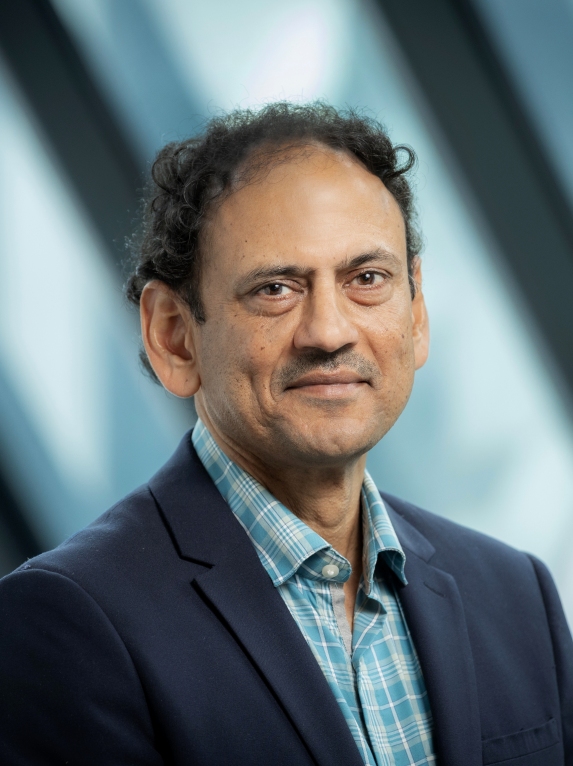
Shalini Kapoor
Chief Strategist, Data & AI, EkStep Foundation
Shalini Kapoor
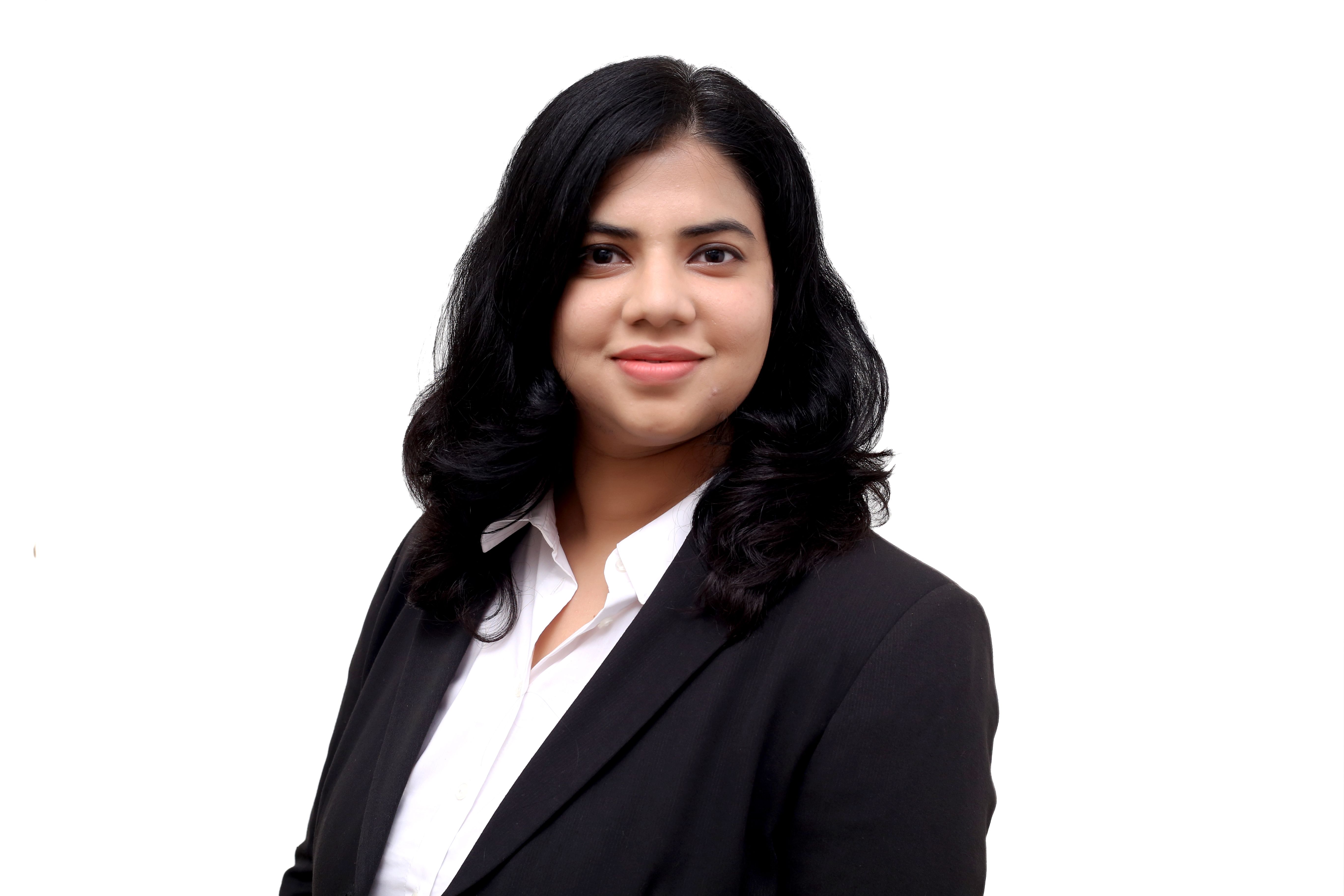
Tanvi Lall
Director of Strategy, People+ai
Tanvi Lall

Carnegie India does not take institutional positions on public policy issues; the views represented herein are those of the author(s) and do not necessarily reflect the views of Carnegie, its staff, or its trustees.

More Work from Interpreting India

  • Podcast Episode
    Subsea Cables, AI Infrastructure, and Africa's Connectivity Gap

    In this episode of Interpreting India, Charukeshi Bhatt speaks with Jane Munga, fellow with the Africa Program at the Carnegie Endowment for International Peace, on the subsea cable landscape in Africa. With the continent now home to around 77 submarine cables and one of the fastest growing AI infrastructure markets in the world, the conversation moves beyond the headline investment numbers to ask harder questions: who benefits, who governs, and what does resilience actually look like when the cables go down?

      Charukeshi Bhatt, Jane Munga

  • Podcast Episode
    India, Australia, and the Critical Minerals Opportunity

    In this episode of Interpreting India, Shruti Mittal, research analyst at Carnegie India, speaks with Professor Mohan Yellishetty of Monash University on the India-Australia critical minerals partnership, what it has delivered so far, and where the two countries can build the most meaningful cooperation over the next decade.

      Shruti Mittal, Mohan Yellishetty

  • Podcast Episode
    Chokepoints, Economic Warfare, and India's Strategic Options

    In this episode of Interpreting India, Konark Bhandari, speaks with Edward Fishman, author of Chokepoints: American Power in the Age of Economic Warfare, on economic statecraft, how the U.S. built its playbook for economic warfare over time, and what the lessons are for India as it looks to build its own economic resilience. 

      Konark Bhandari, Edward Fishman

  • Podcast Episode
    India's AI Ambitions and the Road to Viksit Bharat | AI Summit Special

    In this episode of Interpreting India, Nidhi Singh, speaks with Debjani Ghosh, distinguished fellow at NITI Aayog and chief architect of the NITI Frontier Tech Hub. With nearly three decades across Intel, NASSCOM, and now NITI Aayog, Debjani brings a perspective that is both deeply practical and genuinely optimistic. She co-chaired the working group on AI for Economic Growth and Social Good at the India AI Impact Summit, and in this conversation she reflects on what the summit delivered, what India's AI journey needs to get right, and why the human being has to stay at the center of all of it.

      Nidhi Singh, Debjani Ghosh

  • Podcast Episode
    Did India's AI Summit Get Safety Right? AI Summit Special

    In this episode of Interpreting India, Nidhi Singh, speaks with Professor Balaraman Ravindran, Head of the Department of Data Science and AI at IIT Madras, and Co-Chair of the Safe and Trusted AI Working Group at the India AI Impact Summit. Since the summit, Professor Ravindran has also been appointed to the UN's Independent International Scientific Panel on AI. There is a narrative that has taken hold since the summit, that India moved away from safety and left frontier risks behind. This conversation sets the record straight.

      Nidhi Singh, Balaraman Ravindran

Get more news and analysis from
Carnegie India
Carnegie India logo, white
Unit C-4, 5, 6, EdenparkShaheed Jeet Singh MargNew Delhi – 110016, IndiaPhone: 011-40078687
  • Research
  • About
  • Experts
  • Projects
  • Events
  • Contact
  • Careers
  • Privacy
  • For Media
Get more news and analysis from
Carnegie India
© 2026 Carnegie Endowment for International Peace. All rights reserved.