• Research
  • About
  • Experts
Carnegie India logoCarnegie lettermark logo
AI
Podcast Episode
Carnegie India

Data, AI, and the Laws Trying to Keep Up

In this episode of Interpreting India, Nidhi Singh is joined by Nikhil Narendran, Partner at Trilegal, for a conversation on two of the most pressing issues shaping India's digital future: data protection and AI governance. From the nuts and bolts of India's Digital Personal Data Protection Act to deeper questions about regulating artificial intelligence, Nikhil brings the perspective of a technology lawyer who is not just advising on these issues but actively living them.

Link Copied
By Nidhi Singh and Nikhil Narendran
Published on Mar 31, 2026

Subscribe on

SpotifyApple PodcastsAmazon MusicYoutube
Project hero Image

Project

Technology and Society

This program focuses on five sets of imperatives: data, strategic technologies, emerging technologies, digital public infrastructure, and strategic partnerships.

Learn More

Episode Summary

In this episode of Interpreting India, Nidhi Singh is joined by Nikhil Narendran, Partner at Trilegal, for a conversation on two of the most pressing issues shaping India's digital future: data protection and AI governance. From the nuts and bolts of India's Digital Personal Data Protection Act to deeper questions about regulating artificial intelligence, Nikhil brings the perspective of a technology lawyer who is not just advising on these issues but actively living them.

Is the DPDP Act really as consent-heavy as it's made out to be, and does India's regulatory design have the teeth to handle a Cambridge Analytica-scale misuse of personal data? Does India need a standalone AI law, or can existing frameworks handle the harms AI poses? How is AI reshaping the practice of law from within, and what does it mean that lawyers at Trilegal are now "vibe coding"? What is artificial intimacy, why is it a regulatory blind spot, and why should we start paying attention now?

Episode Notes

The conversation begins with a close look at India’s data protection regime, particularly the DPDP Act and its emphasis on consent. Nikhil challenges the perception that the law is overly consent-driven, pointing to a range of exemptions and alternative legal bases for processing data. At the same time, he highlights gaps in enforcement and deterrence, arguing that the current framework may struggle to address large-scale misuse of data or systemic harms.

On AI governance, Nikhil makes a case that India does not need a sweeping, EU-style AI law, at least not yet. Given India's legislative pace, enforcement gaps, and how fast AI is evolving, he thinks strengthening existing laws and making targeted amendments is a far more practical path. He does, however, flag artificial intimacy as something that deserves serious attention soon. AI-powered companionship is supercharging the loneliness economy, building emotional dependency at scale, and raising risks that no existing framework is really built to handle.

Closer to home, Nikhil offers a window into how AI is changing legal practice at Trilegal, where 75% of lawyers now use AI in their daily workflows. The firm is simultaneously building AI products, using them internally, and advising clients on AI risk, a position Nikhil sees as an advantage rather than a conflict. For him, the era of lawyers who write code and speak directly with engineers is not something to fear but a long overdue shift in what it means to practice technology law.

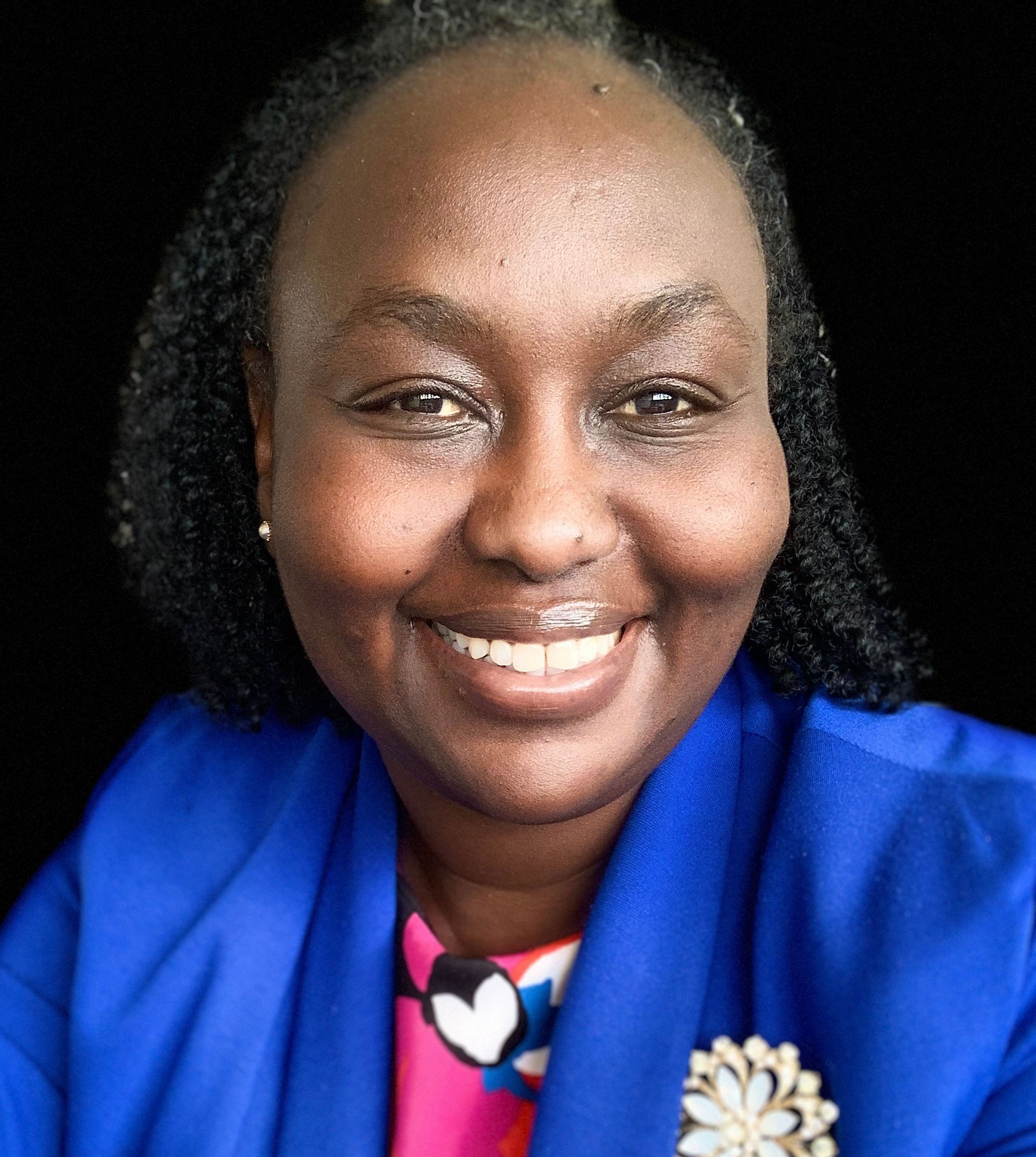
Hosted by

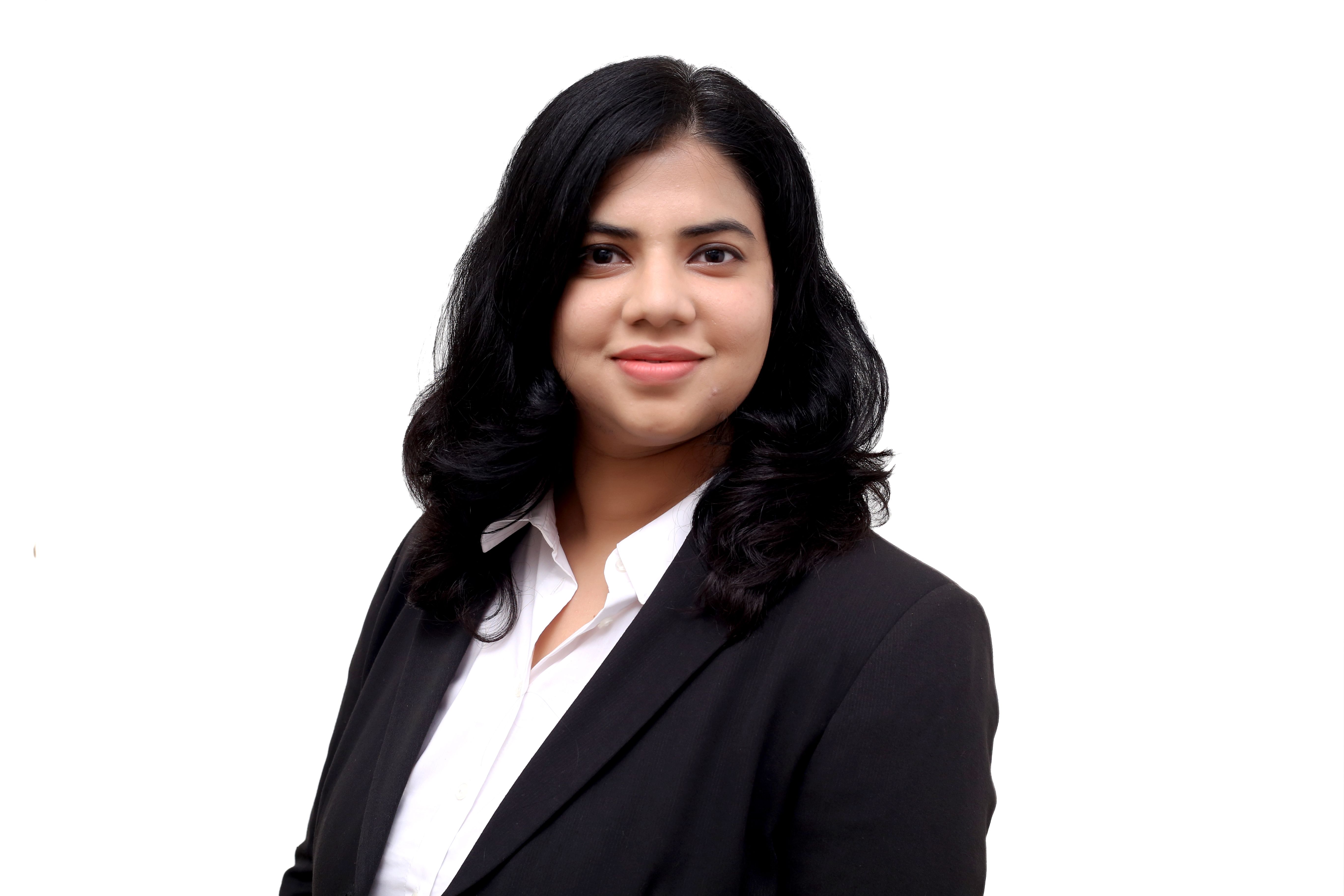
Nidhi Singh
Associate Fellow, Technology and Society Program
Nidhi Singh

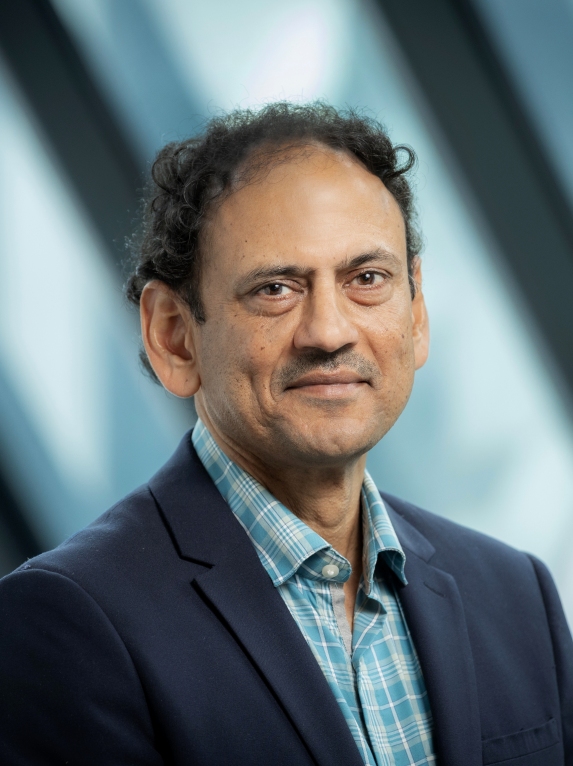
Featuring

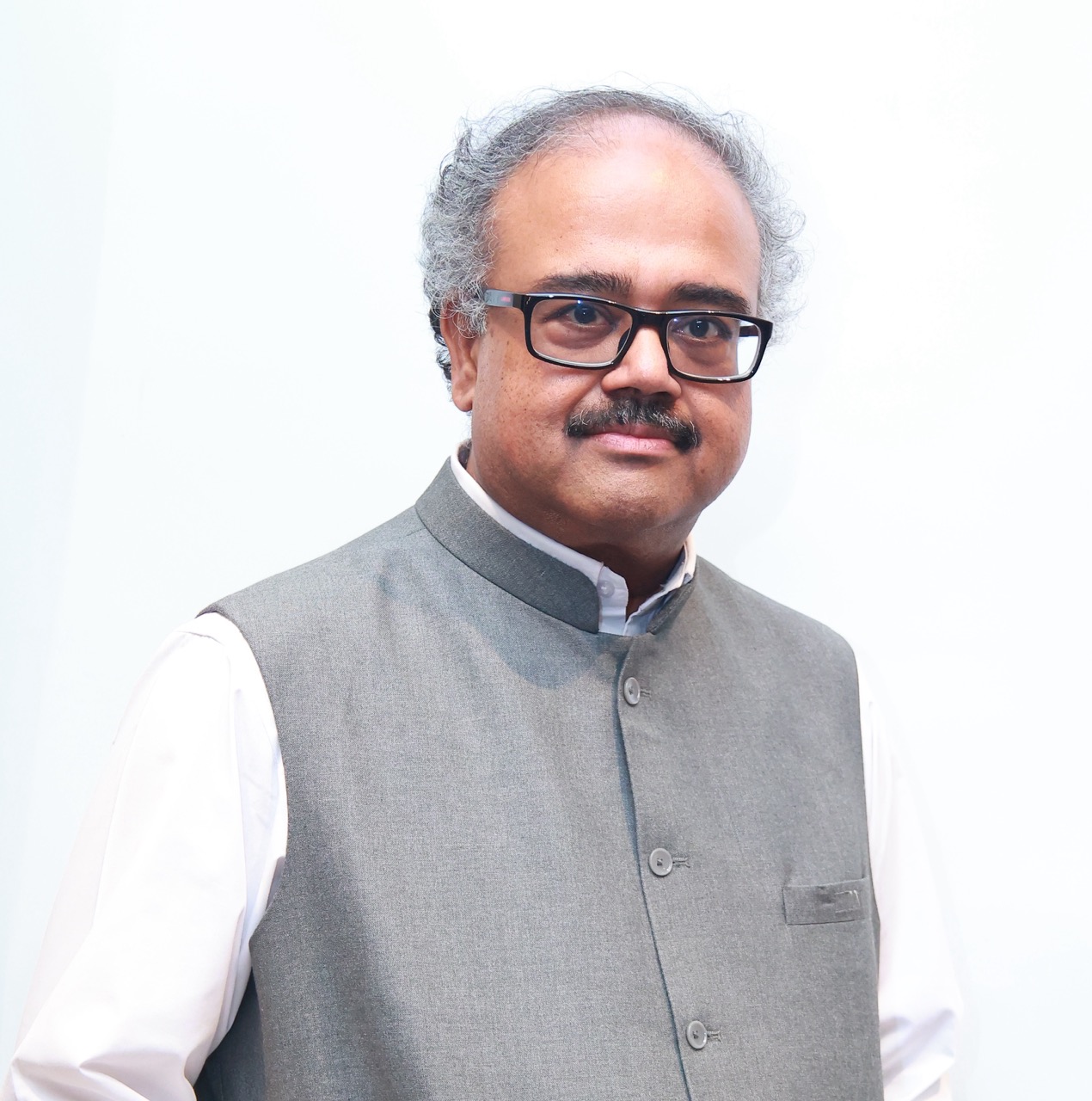
Nikhil Narendran

Carnegie India does not take institutional positions on public policy issues; the views represented herein are those of the author(s) and do not necessarily reflect the views of Carnegie, its staff, or its trustees.

More Work from Interpreting India

  • Podcast Episode
    An African Perspective for Building AI for Global South | AI Summit Special

    In this episode of Interpreting India, Nidhi Singh is joined by Raymond Ononiwu, founder and CEO of Horus Labs, for a conversation that cuts through the noise around compute, data centres, and AI infrastructure to ask a more fundamental question: who is this all actually being built for?

      Nidhi Singh, Raymond Ononiwu

  • Podcast Episode
    The India-EU Trade Deal: What It Delivers and What It Doesn't

    In this episode of Interpreting India, Vrinda Sahai is joined by Nicolas Köhler-Suzuki, Advisor for Trade and Economic Security at the Jacques Delors Institute, for a detailed conversation on the India-EU Free Trade Agreement. After decades of slow-moving negotiations, both sides have arrived at what is shaping up to be the most ambitious trade deal India has ever signed. Nicolas unpacks what is in the agreement, what is missing, and what its success will depend on in the years ahead.

      Vrinda Sahai, Nicolas Köhler-Suzuki

  • Podcast Episode
    From Bletchley Park to Delhi and What Comes Next | AI Summit Special

    In this episode of Interpreting India, Nidhi Singh is joined by Mariano-Florentino (Tino) Cuéllar, President of the Carnegie Endowment for International Peace and one of the very few people to have attended all four global AI summits, from Bletchley Park to Delhi. The conversation traces the arc of AI summit diplomacy, what has been accomplished, where the gaps remain, and what the process reveals about how different parts of the world are thinking about a technology that is moving faster than any single government or institution can keep up with.

      Nidhi Singh, Mariano-Florentino (Tino) Cuéllar

  • Podcast Episode
    Inside the Iran Conflict: Power, Strategy, and India’s Balancing Act

    In this episode of Interpreting India, Srinath Raghavan speaks with Gaddam Dharmendra, Nonresident Senior Fellow, Carnegie India and India’s former Ambassador to Iran about the ongoing U.S.-Israel conflict with Iran and what it means for the region. The conversation looks at Iran’s response to sustained attacks, the wider impact on energy markets and regional stability, and the changing relationships between Iran, the Gulf countries, and global powers. It also reflects on India’s position as it balances its ties across West Asia while navigating strategic and economic pressures, and what lies ahead as the conflict continues to shape the region.

      Srinath Raghavan, Gaddam Dharmendra

  • Podcast Episode
    Recalibrating BRICS: India’s Moment in a Fragmented World

    In this episode of Interpreting India, Vrinda Sahai is joined by Ana Garcia, Associate Professor at PUC-Rio and Coordinator at the BRICS Policy Center, to discuss the evolving direction of BRICS as India assumes the 2026 presidency. The conversation reflects on Brazil’s 2025 chairship, the bloc’s continued focus on reforming global financial governance, and the cautious progress on issues such as local currency trade, financial coordination, and institutional reform. Ana Garcia also highlights the limits of BRICS as a unified geopolitical actor and outlines key priorities for India, including strengthening financial mechanisms, advancing climate and health cooperation, and consolidating the expanded BRICS membership.

      Vrinda Sahai, Ana Garcia

Get more news and analysis from
Carnegie India
Carnegie India logo, white
Unit C-4, 5, 6, EdenparkShaheed Jeet Singh MargNew Delhi – 110016, IndiaPhone: 011-40078687
  • Research
  • About
  • Experts
  • Projects
  • Events
  • Contact
  • Careers
  • Privacy
  • For Media
Get more news and analysis from
Carnegie India
© 2026 Carnegie Endowment for International Peace. All rights reserved.