• Research
  • About
  • Experts
Carnegie India logoCarnegie lettermark logo
AI
Podcast Episode
Carnegie India

Syria in Transition: Regional Dynamics and India's Interests

In this episode of Interpreting India, host Saheb Singh Chadha engages in an in-depth conversation with Gaddam Dharmendra, a nonresident senior fellow at Carnegie India, on the evolving dynamics in Syria following the fall of the Bashar al-Assad regime. They explore the implications of this political transition on Syria's domestic politics, regional players like Iran, Turkey, and Israel, and global powers including Russia, China, and the United States. The discussion also touches upon India’s strategic interests in Syria and the broader region as it navigates a rapidly changing West Asian geopolitical landscape

Link Copied
By Saheb Singh Chadha and Gaddam Dharmendra
Published on Dec 26, 2024

Subscribe on

SpotifyApple PodcastsAmazon MusicYoutube
Project hero Image

Project

Security Studies

India’s evolving role in regional and global security is shaped by complex dynamics. Experts in the Security Studies Program examine India’s position in this world order through informed analyses of its foreign and security policies, focusing on the relationship with China, the securitization of borders, and the geopolitics of the Indo-Pacific. 

Learn More

Episode Summary

In this episode of Interpreting India, host Saheb Singh Chadha engages in an in-depth conversation with Gaddam Dharmendra, a nonresident senior fellow at Carnegie India, on the evolving dynamics in Syria following the fall of the Bashar al-Assad regime. They explore the implications of this political transition on Syria's domestic politics, regional players like Iran, Turkey, and Israel, and global powers including Russia, China, and the United States. The discussion also touches upon India’s strategic interests in Syria and the broader region as it navigates a rapidly changing West Asian geopolitical landscape.

Episode Notes

This episode unpacks several critical issues shaping the future of Syria and its broader regional impact. Gaddam Dharmendra provides a historical context to Syria’s crisis, beginning with the Arab Spring, the civil war, and the consolidation of Bashar al-Assad’s regime with the support of Iran and Russia. He sheds light on the structural weaknesses in Syria's economy and governance that led to its fragmentation and the rise of Hayat Tahrir al-Sham (HTS) as a significant player in the ongoing political transition.

The conversation also delves into the role of international actors in shaping Syria’s future:

Regional Players: The ambitions of Gulf Cooperation Council countries, Iran, Turkey, and Israel as they position themselves in a post-Assad Syria.

Global Powers: The recalibration of policies by Russia, China, the European Union, and the United States amid Syria's evolving dynamics.

Dharmendra examines the cautious optimism surrounding Syria’s future, particularly in relation to reconstruction efforts, refugee repatriation, and governance under the HTS. He also highlights India’s interests in ensuring regional stability, given its strategic partnerships with the Gulf Cooperation Council (GCC) countries, Iran, and Israel, alongside its vast diaspora and economic engagements in West Asia.

Hosted by

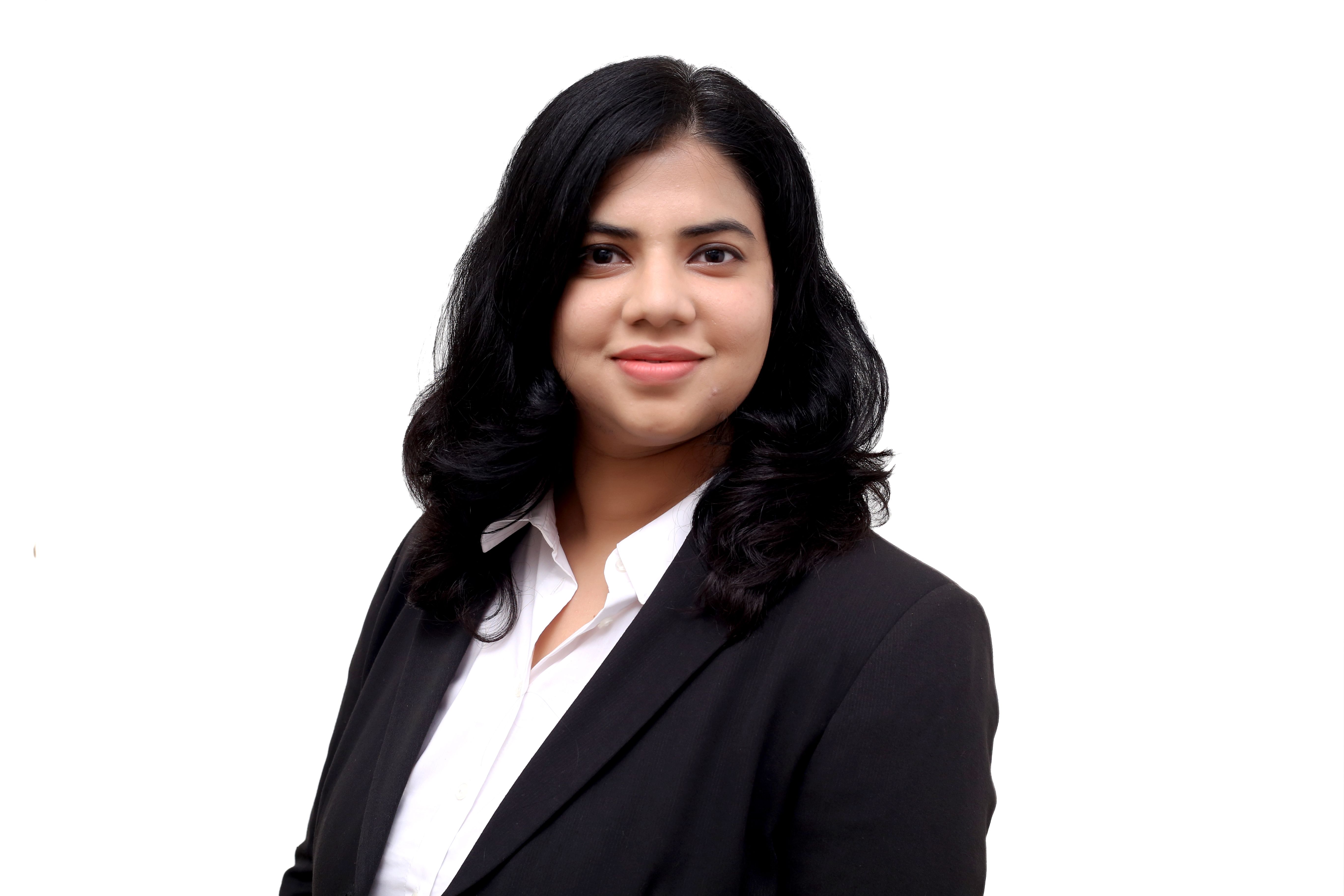
Saheb Singh Chadha
Former Senior Research Analyst, Security Studies Program
Saheb Singh Chadha

Featuring

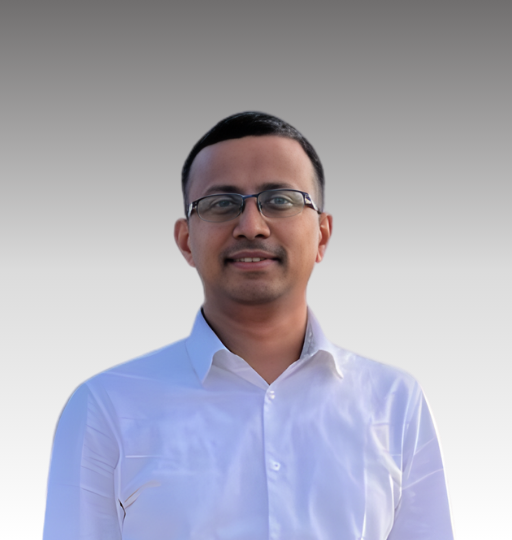
Gaddam Dharmendra
Nonresident Senior Fellow, Carnegie India
Gaddam Dharmendra

Carnegie India does not take institutional positions on public policy issues; the views represented herein are those of the author(s) and do not necessarily reflect the views of Carnegie, its staff, or its trustees.

More Work from Interpreting India

  • Podcast Episode
    From Bletchley Park to Delhi and What Comes Next | AI Summit Special

    In this episode of Interpreting India, Nidhi Singh is joined by Mariano-Florentino (Tino) Cuéllar, President of the Carnegie Endowment for International Peace and one of the very few people to have attended all four global AI summits, from Bletchley Park to Delhi. The conversation traces the arc of AI summit diplomacy, what has been accomplished, where the gaps remain, and what the process reveals about how different parts of the world are thinking about a technology that is moving faster than any single government or institution can keep up with.

      Nidhi Singh, Mariano-Florentino (Tino) Cuéllar

  • Podcast Episode
    Data, AI, and the Laws Trying to Keep Up

    In this episode of Interpreting India, Nidhi Singh is joined by Nikhil Narendran, Partner at Trilegal, for a conversation on two of the most pressing issues shaping India's digital future: data protection and AI governance. From the nuts and bolts of India's Digital Personal Data Protection Act to deeper questions about regulating artificial intelligence, Nikhil brings the perspective of a technology lawyer who is not just advising on these issues but actively living them.

      Nidhi Singh, Nikhil Narendran

  • Podcast Episode
    Inside the Iran Conflict: Power, Strategy, and India’s Balancing Act

    In this episode of Interpreting India, Srinath Raghavan speaks with Gaddam Dharmendra, Nonresident Senior Fellow, Carnegie India and India’s former Ambassador to Iran about the ongoing U.S.-Israel conflict with Iran and what it means for the region. The conversation looks at Iran’s response to sustained attacks, the wider impact on energy markets and regional stability, and the changing relationships between Iran, the Gulf countries, and global powers. It also reflects on India’s position as it balances its ties across West Asia while navigating strategic and economic pressures, and what lies ahead as the conflict continues to shape the region.

      Srinath Raghavan, Gaddam Dharmendra

  • Podcast Episode
    Recalibrating BRICS: India’s Moment in a Fragmented World

    In this episode of Interpreting India, Vrinda Sahai is joined by Ana Garcia, Associate Professor at PUC-Rio and Coordinator at the BRICS Policy Center, to discuss the evolving direction of BRICS as India assumes the 2026 presidency. The conversation reflects on Brazil’s 2025 chairship, the bloc’s continued focus on reforming global financial governance, and the cautious progress on issues such as local currency trade, financial coordination, and institutional reform. Ana Garcia also highlights the limits of BRICS as a unified geopolitical actor and outlines key priorities for India, including strengthening financial mechanisms, advancing climate and health cooperation, and consolidating the expanded BRICS membership.

      Vrinda Sahai, Ana Garcia

  • Podcast Episode
    Deciphering the “Mother of All Trade Deals”: The India–EU FTA

    In this episode of Interpreting India, Dinakar Peri is joined by Mohan Kumar, former Indian Ambassador to France and a veteran trade negotiator, to unpack the newly concluded India–EU Free Trade Agreement and why he describes it as the “mother of all trade deals” for India. Kumar explains why the agreement is strategically significant, why the timing matters, and what it signals about India’s trade posture, competitiveness, and broader alignment between trade, technology, and security.

      Dinakar Peri, Mohan Kumar

Get more news and analysis from
Carnegie India
Carnegie India logo, white
Unit C-4, 5, 6, EdenparkShaheed Jeet Singh MargNew Delhi – 110016, IndiaPhone: 011-40078687
  • Research
  • About
  • Experts
  • Projects
  • Events
  • Contact
  • Careers
  • Privacy
  • For Media
Get more news and analysis from
Carnegie India
© 2026 Carnegie Endowment for International Peace. All rights reserved.