

Report
- +2
George Perkovich, Jessica Tuchman Mathews, Joseph Cirincione, …
{
  "authors": [
    "Jon Wolfsthal"
  ],
  "type": "legacyinthemedia",
  "centerAffiliationAll": "dc",
  "centers": [
    "Carnegie Endowment for International Peace"
  ],
  "collections": [],
  "englishNewsletterAll": "ctw",
  "nonEnglishNewsletterAll": "",
  "primaryCenter": "Carnegie Endowment for International Peace",
  "programAffiliation": "NPP",
  "programs": [
    "Nuclear Policy"
  ],
  "projects": [],
  "regions": [
    "South Asia"
  ],
  "topics": [
    "Nuclear Policy",
    "Nuclear Energy"
  ]
}
REQUIRED IMAGE
Source: Carnegie
Reprinted with permission from the Los Angeles Times, October 16, 2001
There is growing concern, and evidence for concern, that the instability in Afghanistan could quickly spread to neighboring Pakistan and undermine the security of that country's nuclear arsenal. Of all of the negative consequences this turn of events might bring, none would be more dangerous and catastrophic than nuclear weapons falling into the hands of the Taliban or Al Qaeda.
Until Sept. 11, the Pakistani regime and the Taliban were very close, and there have been reports out of Pakistan that military officers assisted the Taliban in preparing for U.S. airstrikes--counter to direct orders from Pakistan's leader, Gen. Pervez Musharraf. Top military officers, including the head of Pakistan's intelligence services, recently have been sacked, reportedly for their pro-Taliban views.
Violence in the streets, while not widespread beyond the border area with Afghanistan, speaks to the tensions inside Pakistan. A Newsweek poll this week found that 83% of Pakistanis polled sympathized with the Taliban in the current conflict. It is possible, therefore, that Pakistani forces assigned to protect Pakistan's nuclear forces could be compromised. This is surely the nightmare scenario, and immediate steps should be taken to prevent such a turn of events from coming to pass.
Pakistan possesses enough nuclear material for close to 40 nuclear weapons, if not more. The U.S., however, knows very little about how this material is stored, what security measures are applied to its protection, how personnel with access to nuclear weapons and materials are screened and where the material is located.
Pakistan has a responsibility to ensure that its assets are adequately protected and to convince other countries that this responsibility is taken seriously. Other countries and organizations have a responsibility to help Pakistan keep these materials secure, without in any way assisting that country in modernizing or deploying its nuclear capability.
The International Atomic Energy Agency, or IAEA, a U.N.-affiliated organization, has decades of experience in developing and verifying security measures associated with nuclear weapons-usable materials. The agency routinely assists countries in ensuring that their peaceful nuclear programs are adequately protected. Despite its lack of membership in the Nuclear Nonproliferation Treaty, Pakistan could receive advice and assistance from the IAEA.
In addition, the U.S. and other IAEA members have extensive experience--publicly available--on how to protect nuclear materials and on how to ensure that weapons-usable uranium or plutonium cannot be diverted without being detected. States could make equipment available to Pakistan that did not directly assist in its development or control of nuclear weapons, such as alarm systems and polygraph equipment for personnel screening. In addition, corporations and nongovernmental organizations with significant expertise in nuclear matters could provide Pakistan with assistance on security.
Pakistan has resisted any outside attempts to help secure its nuclear materials. There is the risk that receiving assistance for its nuclear program from outside powers might further destabilize the current situation. Yet Pakistan has already made its strategic decision to throw in with the West against terrorism. Taking this additional step, while difficult, may be part of the price it pays to reestablish itself as a responsible global partner.
If Pakistan does not agree to these types of programs, the U.S. should begin to work immediately on contingency plans should the Islamabad regime lose control over its nuclear arsenal. These plans should include the ability to rapidly deploy forces to Pakistan to find and regain control of any lost nuclear materials and, only as a last option in a crisis, remove them from Pakistan to a secure location.
These steps might seem extreme. Yet when faced with the real possibility of losing control of nuclear weapons to the types of organizations capable of the destruction seen Sept. 11, they could be considered realistic and even prudent. The consequences of not being prepared to act are too great for us to imagine, even with our new ability to imagine the horrible.

Former Nonresident Scholar, Nuclear Policy Program
Jon Wolfsthal was a nonresident scholar with the Nuclear Policy Program.
Recent Work



George Perkovich, Jessica Tuchman Mathews, Joseph Cirincione, …
Jon Wolfsthal
Carnegie India does not take institutional positions on public policy issues; the views represented herein are those of the author(s) and do not necessarily reflect the views of Carnegie, its staff, or its trustees.
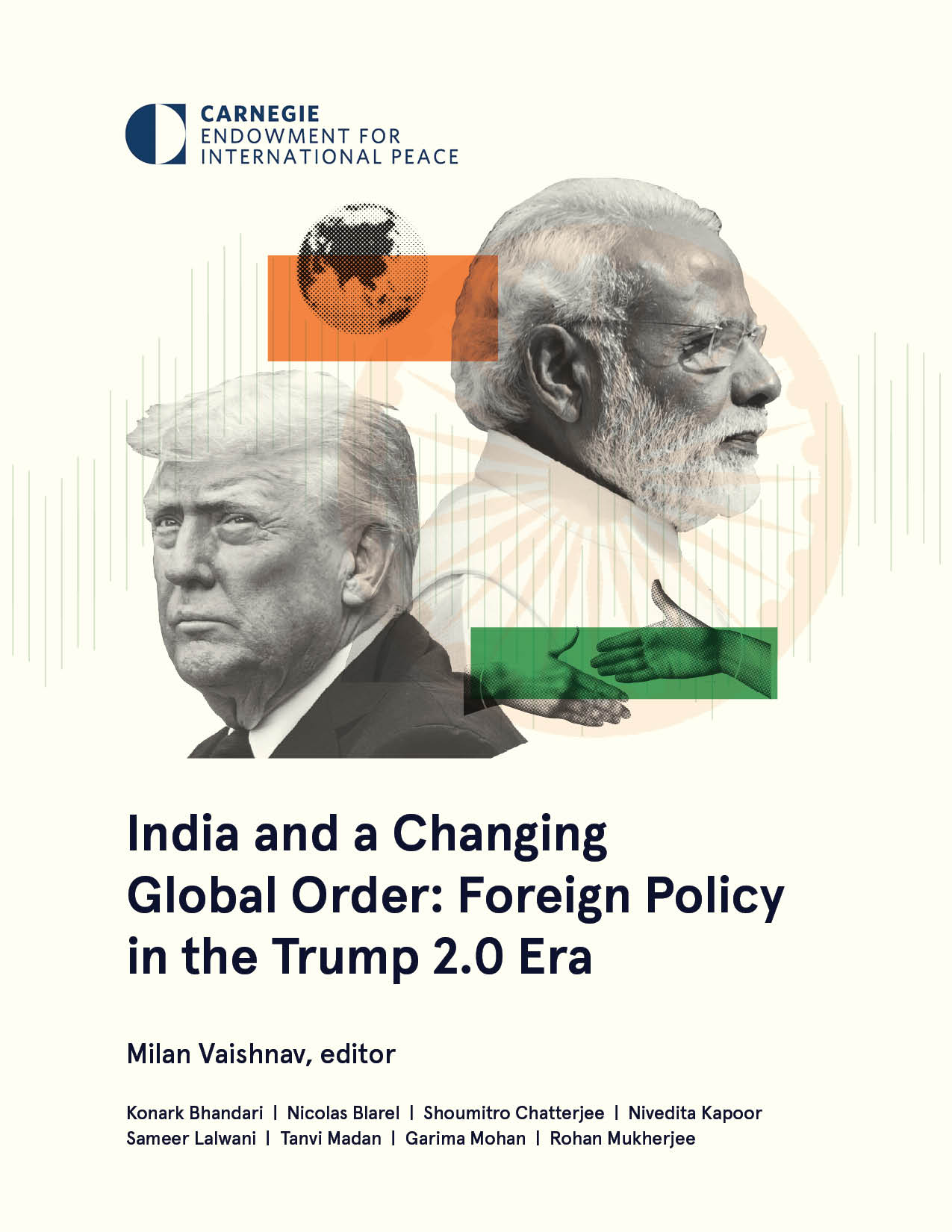
Trump 2.0 has unsettled India’s external environment—but has not overturned its foreign policy strategy, which continues to rely on diversification, hedging, and calibrated partnerships across a fractured order.



Milan Vaishnav, ed., Sameer Lalwani, Tanvi Madan, …
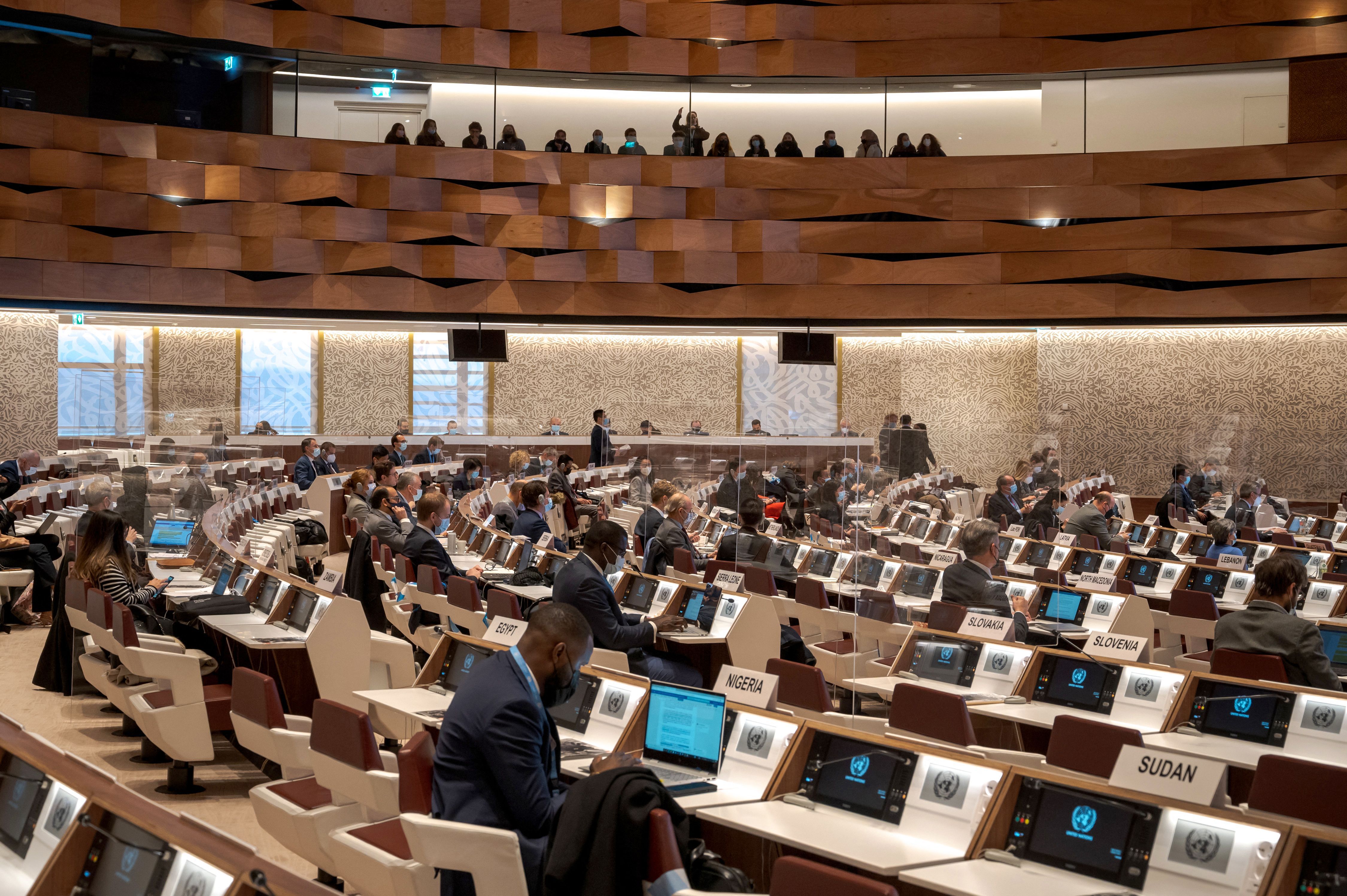
This article explores the global debate on lethal autonomous weapons systems (LAWS), highlighting the convergences, complexities, and differences within and beyond the UN Group of Governmental Experts (GGE) on LAWS. It further examines India’s key position at the GGE and the probable reasons behind them.


Charukeshi Bhatt, Tejas Bharadwaj

This essay is the first of a three-part series that will seek to understand the considerations for building compute capacity and the different pathways to accessing compute in India. This essay delves into the meaning of compute and unpacks the various layers of the compute stack.


Aadya Gupta, Adarsh Ranjan

This piece examines the strategic implications of Bhutan’s diplomatic efforts amid its border dispute with China, highlighting the thin ice it walks on to achieve a resolution without compromising its vital relationships.

Shibani Mehta

This article is part of a series that will discuss some of the themes and proposals that are being considered for an ex-ante framework in India under the Committee on Digital Competition Law (CDCL).

Konark Bhandari