
• Research
  • About
  • Experts
Carnegie India logoCarnegie lettermark logo
Technology
{
  "authors": [
    "Marina Ottaway",
    "Anatol Lieven"
  ],
  "type": "other",
  "centerAffiliationAll": "dc",
  "centers": [
    "Carnegie Endowment for International Peace"
  ],
  "collections": [],
  "englishNewsletterAll": "",
  "nonEnglishNewsletterAll": "",
  "primaryCenter": "Carnegie Endowment for International Peace",
  "programAffiliation": "russia",
  "programs": [
    "Russia and Eurasia",
    "Democracy, Conflict, and Governance"
  ],
  "projects": [],
  "regions": [
    "Afghanistan"
  ],
  "topics": [
    "Political Reform",
    "Democracy",
    "Economy"
  ]
}
REQUIRED IMAGE

REQUIRED IMAGE

Other

Rebuilding Afghanistan: Fantasy versus Reality

Link Copied
By Marina Ottaway and Anatol Lieven
Published on Jan 3, 2002

Source: Carnegie

An unrealistic Western reconstruction program for Afghanistan is emerging even as the war continues. The international community is calling for the creation of a democratic, secular state, but it is also clearly not willing to provide a large military force to help build it. Given the extreme fragmentation and militarization of Afghan society, democratic reconstruction cannot possibly work. Instead, we need to devise a more modest and realistic program, aimed at creating peace and restoring basic economic functions rather than rebuilding the entire state. Furthermore, to minimize competition for control of the central government, and to give warlords a vested interest in maintaining peace, most international aid should be channeled directly to Afghan regions.

Click on the link above for full text of this Policy Brief.

A limited number of print copies are also available.
 

About the Authors
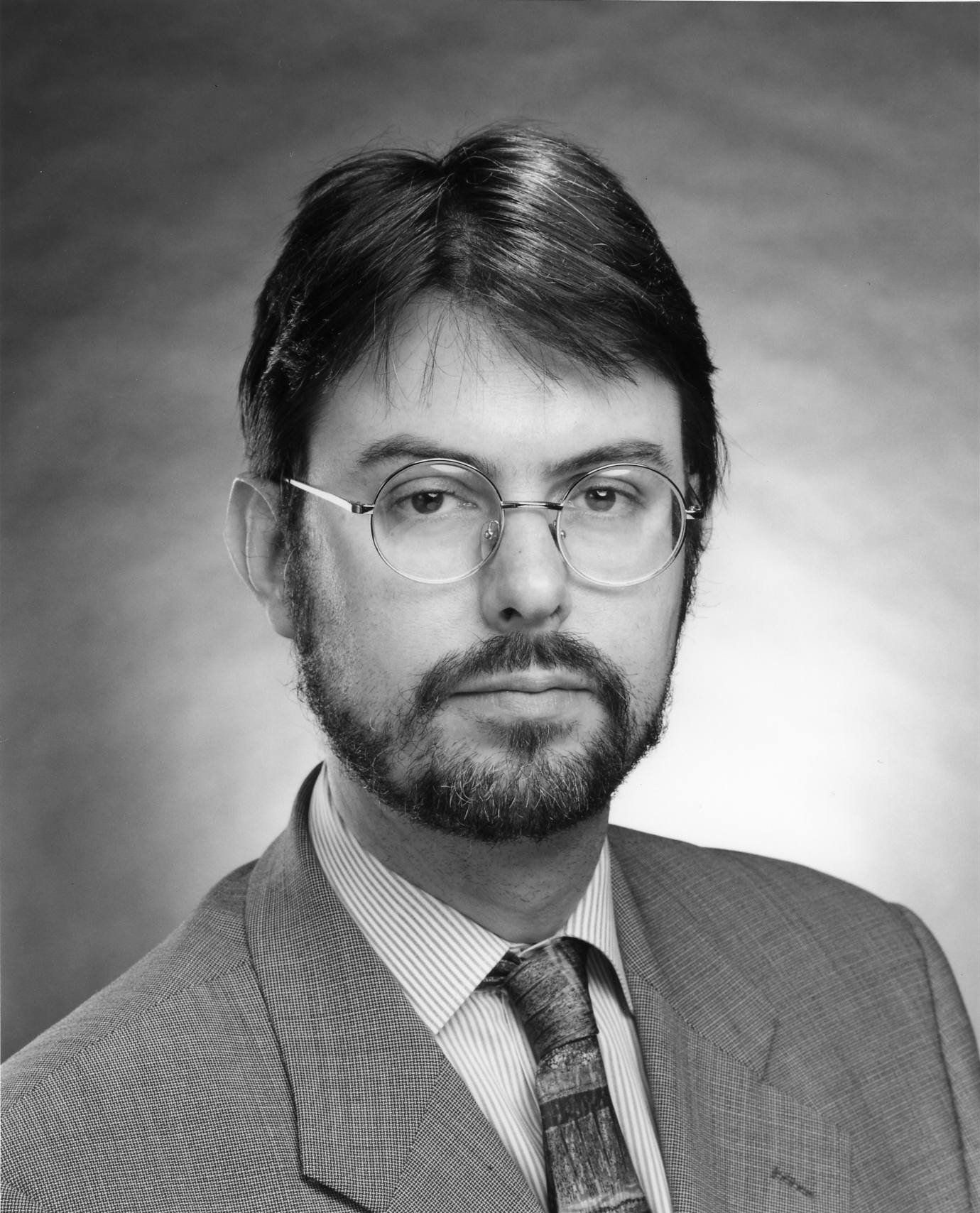
Marina Ottaway
is a senior associate and codirector of the Democracy and Rule of Law Project. She is currently working on a comparative study of semiauthoritarian regimes in Africa, Central Asia, and the Middle East. Her most recent books are Funding Virtue: Civil Society Aid and Democracy Promotion (Carnegie Endowment, 2000) and Africa's New Leaders: Democracy or State Reconstruction? (Carnegie Endowment, 1999).

Anatol Lieven is a senior associate for foreign and security policy in the Russian and Eurasian Program. He was previously editor of Strategic Comments at the International Institute for Strategic Studies. Among his publications are Chechnya: Tombstone of Russian Power, The Baltic Revolution: Estonia, Latvia, Lithuania, and the Path to Independence, and Ukraine and Russia: A Fraternal Rivalry, which are largely based on his work as a correspondent for the Times of London in the former Soviet Union from 1990 to 1996. Before that, he was a correspondent for the Times in Pakistan, and covered the Afghan war from the side of the anti-Soviet Mujahedin. Previous policy briefs include Fighting Terrorism: Lessons from the Cold War and Soldiers Before Missiles: Meeting the Challenge from the World's Streets.


About the Authors

Marina Ottaway

Former Senior Associate, Middle East Program

Before joining the Endowment, Ottaway carried out research in Africa and in the Middle East for many years and taught at the University of Addis Ababa, the University of Zambia, the American University in Cairo, and the University of the Witwatersrand in South Africa.

Anatol Lieven

Former Senior Associate

Authors

Marina Ottaway
Former Senior Associate, Middle East Program
Marina Ottaway
Anatol Lieven
Former Senior Associate
Anatol Lieven
Political ReformDemocracyEconomyAfghanistan

Carnegie India does not take institutional positions on public policy issues; the views represented herein are those of the author(s) and do not necessarily reflect the views of Carnegie, its staff, or its trustees.

More Work from Carnegie India

  • Commentary
    The Impact of U.S. Sanctions and Tariffs on India’s Russian Oil Imports

    This piece examines India’s response to U.S. sanctions and tariffs, specifically assessing the immediate market consequences, such as alterations in import costs, and the broader strategic implications for India’s energy security and foreign policy orientation.

      Vrinda Sahai

  • Paper
    India-China Economic Ties: Determinants and Possibilities

    This paper examines the evolution of India-China economic ties from 2005 to 2025. It explores the impact of global events, bilateral political ties, and domestic policies on distinct spheres of the economic relationship.

      Santosh Pai

  • Commentary
    TRUST and Tariffs

    The India-U.S. relationship currently appears buffeted between three “Ts”—TRUST, Tariffs, and Trump.

      Arun K. Singh

  • Article
    Can Geopolitical Alignment Seal the India-EU FTA?

    This article argues that the geopolitical circumstances have never been more conducive, not merely for the early conclusion of the free trade agreement (FTA) between India and the EU, but also for crafting a substantive and comprehensive strategic partnership.

      Mohan Kumar

  • Article
    A Path Out of Tunisia’s Economic Crisis

    President Kais Saied has won a second term in office, but his country is facing a host of problems that necessitate urgent reforms, above all preventing the possibility of a financial meltdown. 

      Ishac Diwan, Hachemi Alaya, Hamza Meddeb

Get more news and analysis from
Carnegie India
Carnegie India logo, white
Unit C-4, 5, 6, EdenparkShaheed Jeet Singh MargNew Delhi – 110016, IndiaPhone: 011-40078687
  • Research
  • About
  • Experts
  • Projects
  • Events
  • Contact
  • Careers
  • Privacy
  • For Media
Get more news and analysis from
Carnegie India
© 2026 Carnegie Endowment for International Peace. All rights reserved.