

Paper
Mr. Daniel Brumberg
{
  "authors": [
    "Daniel Brumberg"
  ],
  "type": "legacyinthemedia",
  "centerAffiliationAll": "dc",
  "centers": [
    "Carnegie Endowment for International Peace"
  ],
  "collections": [],
  "englishNewsletterAll": "democracy",
  "nonEnglishNewsletterAll": "",
  "primaryCenter": "Carnegie Endowment for International Peace",
  "programAffiliation": "DCG",
  "programs": [
    "Democracy, Conflict, and Governance"
  ],
  "projects": [],
  "regions": [
    "Iran",
    "Afghanistan"
  ],
  "topics": [
    "Political Reform",
    "Foreign Policy"
  ]
}
REQUIRED IMAGE
Source: Carnegie
Published July/September 2002 in The International Spectator .
Read the full text on The International Spectator website.
While the unhappy course of US-Iranian relations reflects the fragmented nature of foreign policy making in both Washington and Tehran., such divisions have proven especially costly in Iran because they echo a power struggle over the very nature of Iran's Islamic Republic. The case of Afghanistan demonstrates how a push by reformists for improved US-Iranian relations can alarm hardliners and thus invite a crackdown. Yet the Bush administration has hurt the reformists by adopting the bellicose language of Washington's own hardliners. Paradoxically, the best way to strengthen moderates in both Washington and Tehran may be for Europe to stop playing "good cop" to the America's "bad cop." A tougher line on human rights, WMD, terrorism, and Palestine will signal that Tehran can no longer play Europe and the US off and thus avoid hard foreign policy choices.
Former Senior Associate
Recent Work
Mr. Daniel Brumberg



Thomas Carothers, Marina Ottaway, Ms. Amy Hawthorne, …
Carnegie India does not take institutional positions on public policy issues; the views represented herein are those of the author(s) and do not necessarily reflect the views of Carnegie, its staff, or its trustees.

This piece examines India’s response to U.S. sanctions and tariffs, specifically assessing the immediate market consequences, such as alterations in import costs, and the broader strategic implications for India’s energy security and foreign policy orientation.
Vrinda Sahai
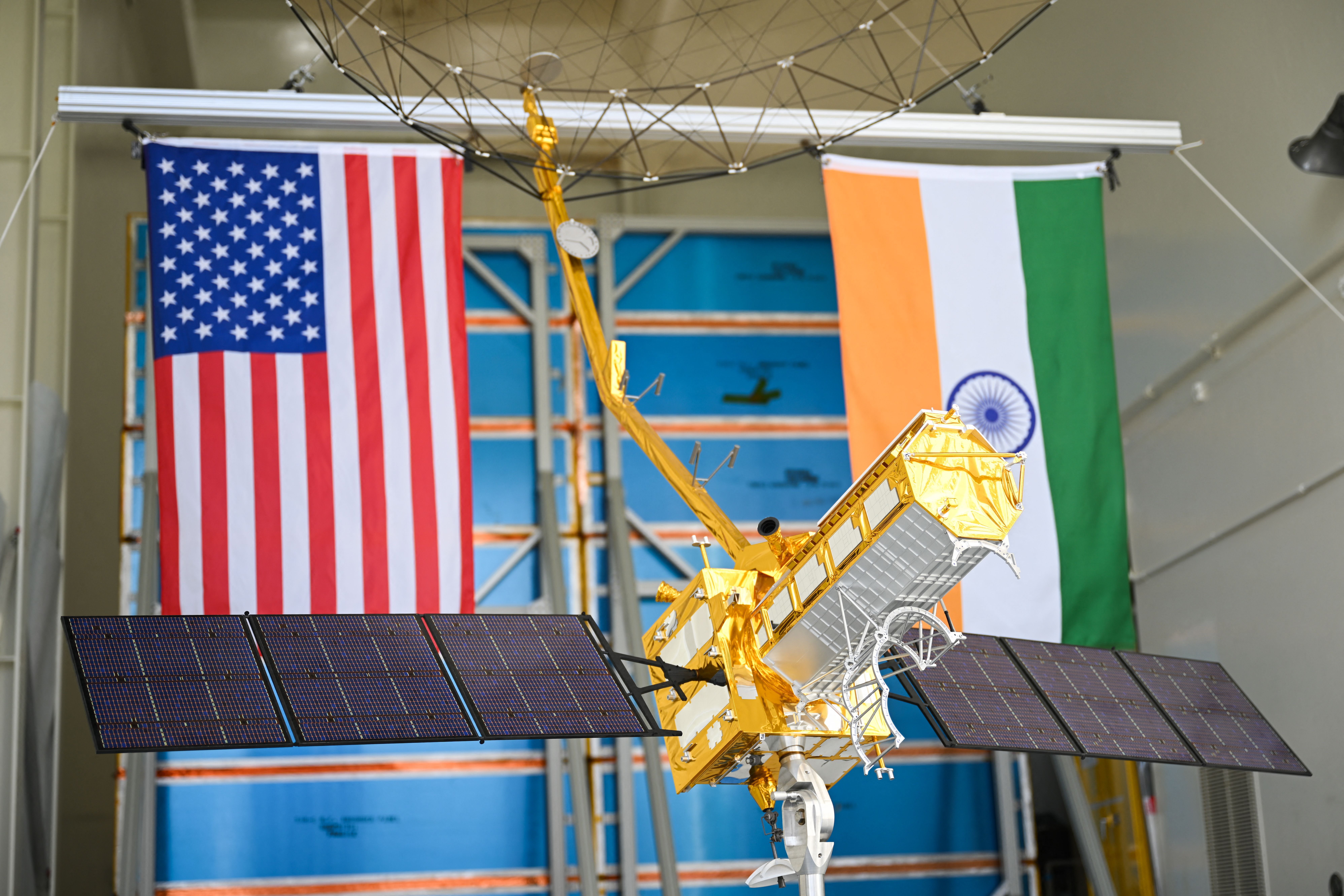
On July 30, 2025, the United States announced 25 percent tariffs on Indian goods. While diplomatic tensions simmered on the trade front, a cosmic calm prevailed at the Sriharikota launch range. Officials from NASA and ISRO were preparing to launch an engineering marvel into space—the NASA-ISRO Synthetic Aperture Radar (NISAR), marking a significant milestone in the India-U.S. bilateral partnership.

Tejas Bharadwaj
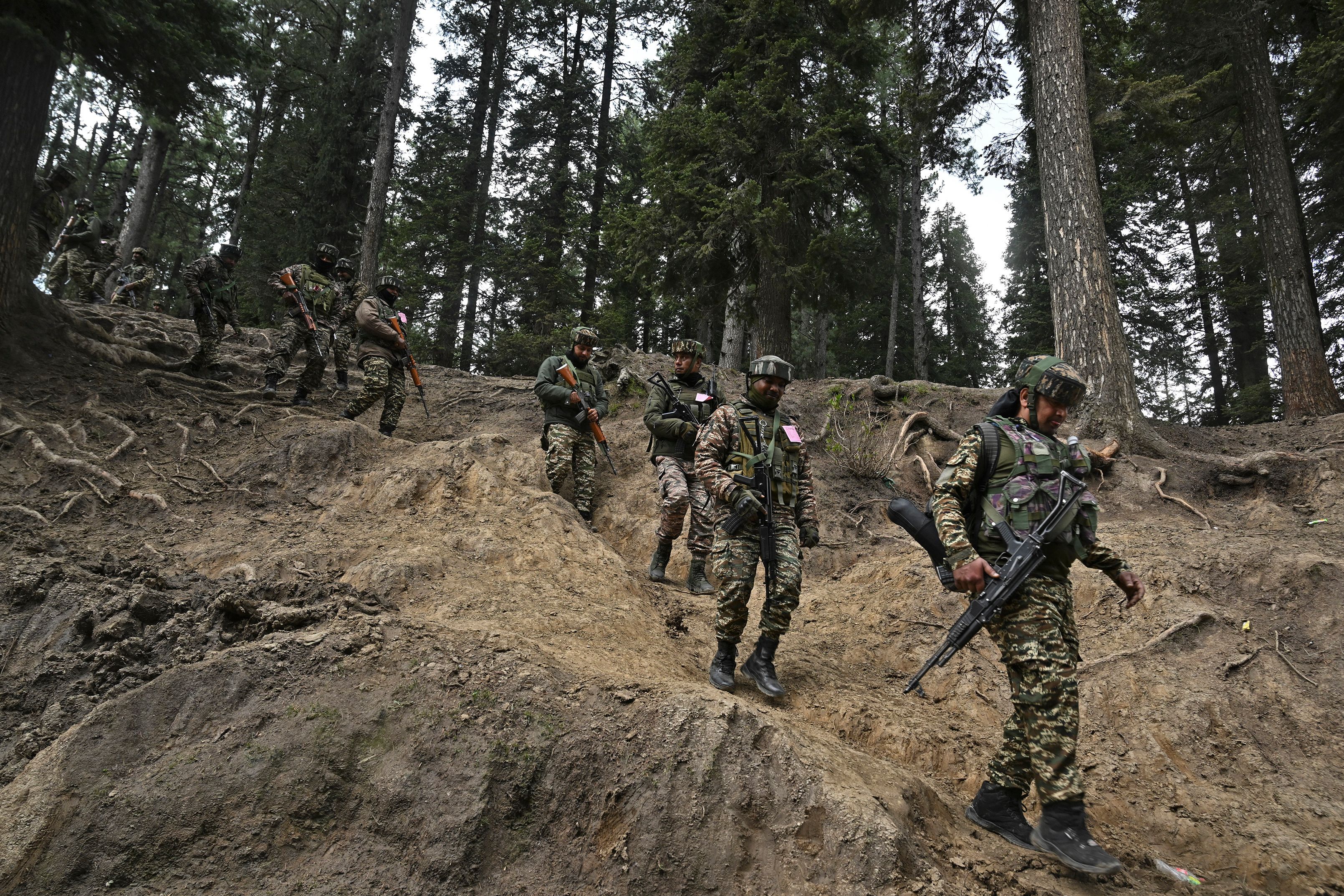
On May 7, 2025, between 1:05 and 1:30 a.m. (IST), airstrikes carried out by the Indian Air Force hit nine locations inside Pakistan and Pakistan occupied Kashmir (PoK). It was codenamed Operation Sindoor.

Rudra Chaudhuri

This compendium brings together three essays by scholars who participated in Carnegie India's Security Studies Dialogue in 2024, each examining a different aspect of China’s policies. Drawing on their expertise and research, the authors offer fresh perspectives on key geopolitical challenges.
Vijay Gokhale, Suyash Desai, Amit Kumar, …

As part of the TRUST initiative, leaders of the two countries committed to building trusted and resilient supply chains, including for semiconductors and critical minerals. India and the United States have made steady progress in this area over the years. This essay explores the takeaways from discussions on semiconductor supply chains that took place at Carnegie India’s 9th Global Technology Summit.

Konark Bhandari