
• Research
  • About
  • Experts
Carnegie India logoCarnegie lettermark logo
AI
{
  "authors": [
    "Thomas Carothers",
    "Marina Ottaway",
    "Amy Hawthorne",
    "Daniel Brumberg"
  ],
  "type": "other",
  "centerAffiliationAll": "dc",
  "centers": [
    "Carnegie Endowment for International Peace"
  ],
  "collections": [],
  "englishNewsletterAll": "",
  "nonEnglishNewsletterAll": "",
  "primaryCenter": "Carnegie Endowment for International Peace",
  "programAffiliation": "DCG",
  "programs": [
    "Democracy, Conflict, and Governance"
  ],
  "projects": [],
  "regions": [
    "Middle East",
    "Iraq"
  ],
  "topics": [
    "Political Reform",
    "Democracy"
  ]
}
REQUIRED IMAGE

REQUIRED IMAGE

Other

Democratic Mirage in the Middle East

Link Copied
By Thomas Carothers, Marina Ottaway, Ms. Amy Hawthorne, Mr. Daniel Brumberg
Published on Oct 7, 2002

Source: Carnegie

The increasingly popular idea in Washington that the United States, by toppling Saddam Hussein, can rapidly democratize Iraq and unleash a democratic tsunami in the Middle East is a dangerous fantasy. The U.S. record of building democracy after invading other countries is mixed at best and the Bush administration's commitment to a massive reconstruction effort in Iraq is doubtful. The repercussions of an intervention in Iraq will be as likely to complicate the spread of democracy in the Middle East as promote it. The United States has an important role to play in fostering democracy in the region, but the task will be slow and difficult given the unpromising terrain and lack of U.S. leverage over key governments.

Click on link above for full text of this Policy Brief.

About the Authors
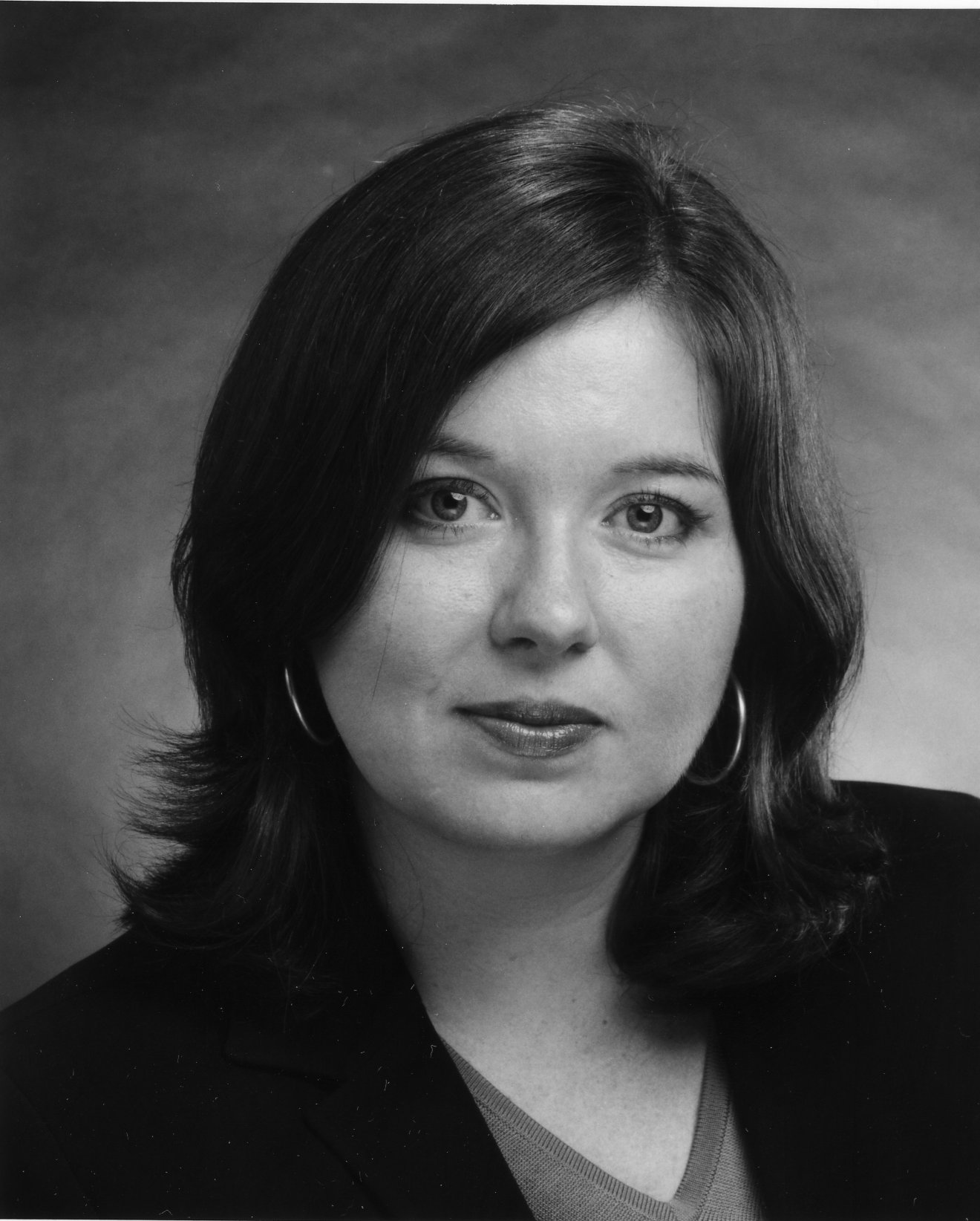
Marina Ottaway
, senior associate in the Democracy and Rule of Law Project at the Carnegie Endowment, is the author or editor of more than ten books on comparative politics including the forthcoming Democracy Challenged: The Rise of Semiauthoritarianism (Carnegie Endowment, January 2003). She is also the coauthor of Rebuilding Afghanistan: Fantasy versus Reality (Carnegie Endowment Policy Brief No. 12)
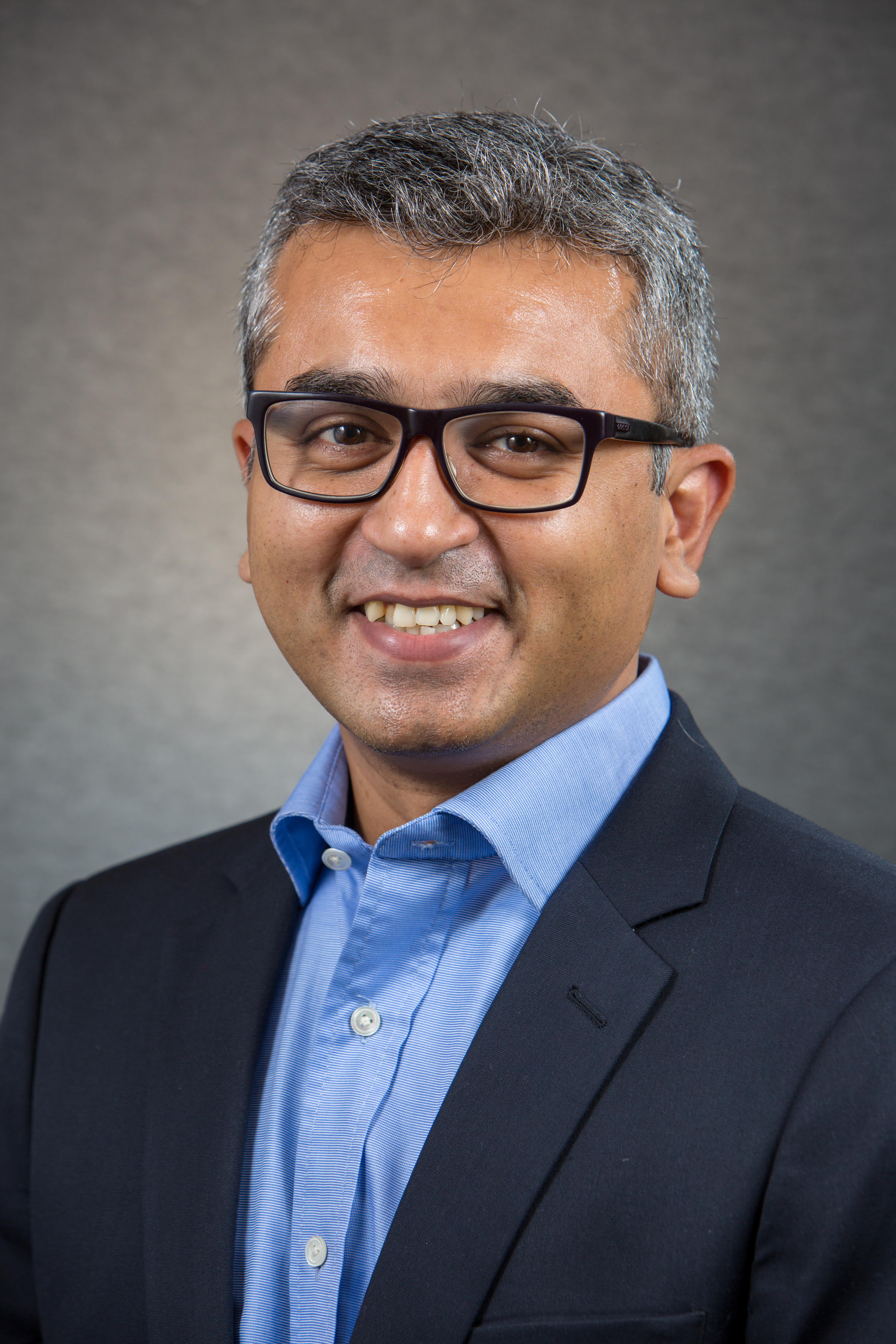
Thomas Carothers directs Carnegie's Democracy and Rule of Law Project and is a leading specialist on democracy promotion. He is the author of several books and many articles on the subject including Aiding Democracy Abroad: The Learning Curve (Carnegie Endowment, 1999).
Amy Hawthorne is associate in the Democracy and Rule of Law Project and a specialist in Arab politics. She is the author of a forthcoming monograph on U.S. democracy promotion in the Middle East.
Dan Brumberg is visiting scholar in the Democracy and Rule of Law Project and associate professor of government at Georgetown University. He has written widely on political and social change in the Middle East including Reinventing Khomeini: The Struggle for Reform in Iran (University of Chicago, 2001).

About the Authors

Thomas Carothers

Harvey V. Fineberg Chair for Democracy Studies; Director, Democracy, Conflict, and Governance Program

Thomas Carothers, director of the Carnegie Endowment for International Peace’s Democracy, Conflict, and Governance Program, is a leading expert on comparative democratization and international support for democracy.

Marina Ottaway

Former Senior Associate, Middle East Program

Before joining the Endowment, Ottaway carried out research in Africa and in the Middle East for many years and taught at the University of Addis Ababa, the University of Zambia, the American University in Cairo, and the University of the Witwatersrand in South Africa.

Ms. Amy Hawthorne

Former Associate

Mr. Daniel Brumberg

Former Senior Associate

Authors

Thomas Carothers
Harvey V. Fineberg Chair for Democracy Studies; Director, Democracy, Conflict, and Governance Program
Thomas Carothers
Marina Ottaway
Former Senior Associate, Middle East Program
Marina Ottaway
Ms. Amy Hawthorne
Former Associate
Amy Hawthorne
Mr. Daniel Brumberg
Former Senior Associate
Daniel Brumberg
Political ReformDemocracyMiddle EastIraq

Carnegie India does not take institutional positions on public policy issues; the views represented herein are those of the author(s) and do not necessarily reflect the views of Carnegie, its staff, or its trustees.

More Work from Carnegie India

  • Article
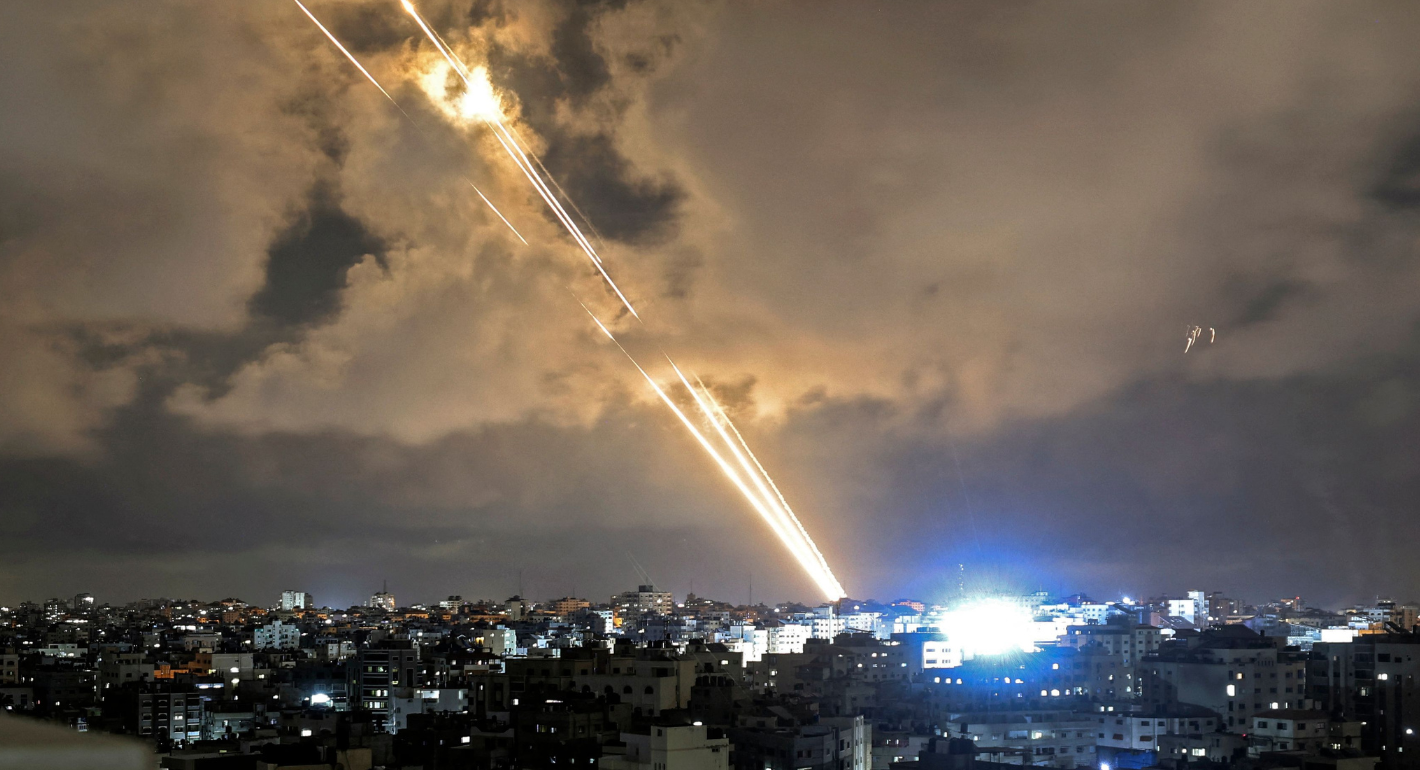
    Risk and Retaliation: Israel, Iran, and the Evolving Situation in West Asia

    An Israeli response to Iran’s October 1 attack is imminent. The key question is of its intensity and potential fallout, both within Iran, in terms of nuclear security policy changes, and across the broader region. The coming days are likely to reshape West Asia irreversibly.

      Gaddam Dharmendra
  • REQUIRED IMAGE
    Commentary
    Is U.S. Foreign Policy Too Hostile to China?

    Experts weigh in on whether the United States is too hostile toward China.

      Stephen Wertheim, Evan S. Medeiros, Vijay Gokhale

  • Paper
    India’s Sustained Economic Recovery Will Require Changes to Its Bankruptcy Law

    As India’s economy recovers from the coronavirus pandemic, Indian businesses need efficient financial structures to regain their ground. Key reforms to India’s Insolvency and Bankruptcy Code could fill these gaps.

      Anirudh Burman

  • Paper
    Cross-Border Data Access for Law Enforcement: What Are India’s Strategic Options?

    Access to cross-border data is an integral piece of the law enforcement puzzle. India is well placed to lead the discussions on international data agreements subject to undertaking necessary surveillance reforms.

      Smriti Parsheera, Prateek Jha

  • Article
    The BRI in Post-Coronavirus South Asia

    After the coronavirus pandemic wanes, how will China’s reorientation of the Belt and Road Initiative to address global health concerns influence its relationships with South Asian countries?

      Deep Pal, Rahul Bhatia

Get more news and analysis from
Carnegie India
Carnegie India logo, white
Unit C-4, 5, 6, EdenparkShaheed Jeet Singh MargNew Delhi – 110016, IndiaPhone: 011-40078687
  • Research
  • About
  • Experts
  • Projects
  • Events
  • Contact
  • Careers
  • Privacy
  • For Media
Get more news and analysis from
Carnegie India
© 2026 Carnegie Endowment for International Peace. All rights reserved.