

Report
- +2
George Perkovich, Jessica Tuchman Mathews, Joseph Cirincione, …
{
  "authors": [
    "Jon Wolfsthal"
  ],
  "type": "legacyinthemedia",
  "centerAffiliationAll": "dc",
  "centers": [
    "Carnegie Endowment for International Peace"
  ],
  "collections": [
    "Korean Peninsula"
  ],
  "englishNewsletterAll": "",
  "nonEnglishNewsletterAll": "",
  "primaryCenter": "Carnegie Endowment for International Peace",
  "programAffiliation": "NPP",
  "programs": [
    "Nuclear Policy"
  ],
  "projects": [],
  "regions": [
    "Iran",
    "Iraq",
    "South Korea"
  ],
  "topics": [
    "Nuclear Policy"
  ]
}
REQUIRED IMAGE
Source: Carnegie
The race for the U.S. Presidency has reached full steam. The nominating conventions will not take place until late this summer, but it is now clear that Senator John Kerry will run against President George W. Bush. It is always hard to implement policies during an election cycle, but the unusually early start to the presidential season means that effective policies are unlikely to come out of Washington until after the election. The schedule of democracy, however, could not come at a worse time for global security. In Iraq, the broader Middle East and in Northeast Asia, the looming policy paralysis in Washington does not bode well. The Bush administration must not let its quest for another four years in office prevent it from pursuing badly needed efforts to reinforce stability and stop weapons proliferation.
In Washington, people refer to election cycles as silly season because it is hard for candidates to engage in serious policy debates and priorities during the heat of a campaign. Bush and Kerry are already questioning each others judgement and wisdom and the race will be bitterly contested. In addition, Presidents traditionally have a difficult time governing during an election because everything they do is seen through a political lens. This will be more true than ever, given the perception that the Bush White House has a more political bent to its policy making than many of its predecessors.
What then is the outlook for US policy over the next 8 months? US policy for the next year will largely be reactive, boding poorly for stability in the Middle East and Northeast Asia. In Iraq, especially, the political fortunes of the President will be a major influence. Any delay in handing sovereignty back to Iraqis will be seen as a failure for the President. This need to succeed runs the risk that the administration will ignore the fact that Iraqs political and security situation will be in no condition to receive power this summer.
In the broader Middle East, there is little the US will be able to do to improve the situation during an election year. President Bush has shown no interest in curtailing Israels actions, while at the same time there is no empowered Palestinian authority with whom Israel could negotiate a settlement, even if it chose to do so. The US war on terror, a key political issue, is also a major player. Israels leaders routinely couch their actions in anti-terrorism language championed by the Bush administration. Any move by the Bush administration to criticize Israel could easily become a political liability since it would, in essence, be criticizing its own tactics in the war on terror.
Lastly, in East Asia, ceding the initiative to North Korea because of the American political season is very dangerous. North Korea has a long history of playing the US political clock. The odds are good that North Korea may seek to provoke a crisis to extract concession from a U.S. administration that has every incentive to create the impression its Korea policy is working. The Bush administrations delay in pursuing a concrete agreement with North Korea may well turn into a serious political liability in this election year.
In order to win the election, President Bush must prove that his policies including the war on terrorism and its efforts to prevent the spread of weapons of mass destruction -- are working and that America is safer than it was four years ago. For Senator John Kerry to win the election, he must show that President Bushs policies have failed to protect America and that his own recommendation are likely to bring peace and stability. In this battle, the Bush administration has every incentive to keep the ongoing crises from boiling over. But this pressure to keep issues from getting out of control must not take precedence over pursuing good policies that directly protect American interests.
Unfortunately, America has a long history of letting elections do exactly the
opposite and the tone of this election already suggests that the American democratic
process, at least in this one case, is unlikely to bring positive results for
the world at large.
Jon Wolfsthal is deputy director of the Non-Proliferation Project
Click here to return to ProliferationNews.org
Former Nonresident Scholar, Nuclear Policy Program
Jon Wolfsthal was a nonresident scholar with the Nuclear Policy Program.
Recent Work


George Perkovich, Jessica Tuchman Mathews, Joseph Cirincione, …
Jon Wolfsthal
Carnegie India does not take institutional positions on public policy issues; the views represented herein are those of the author(s) and do not necessarily reflect the views of Carnegie, its staff, or its trustees.
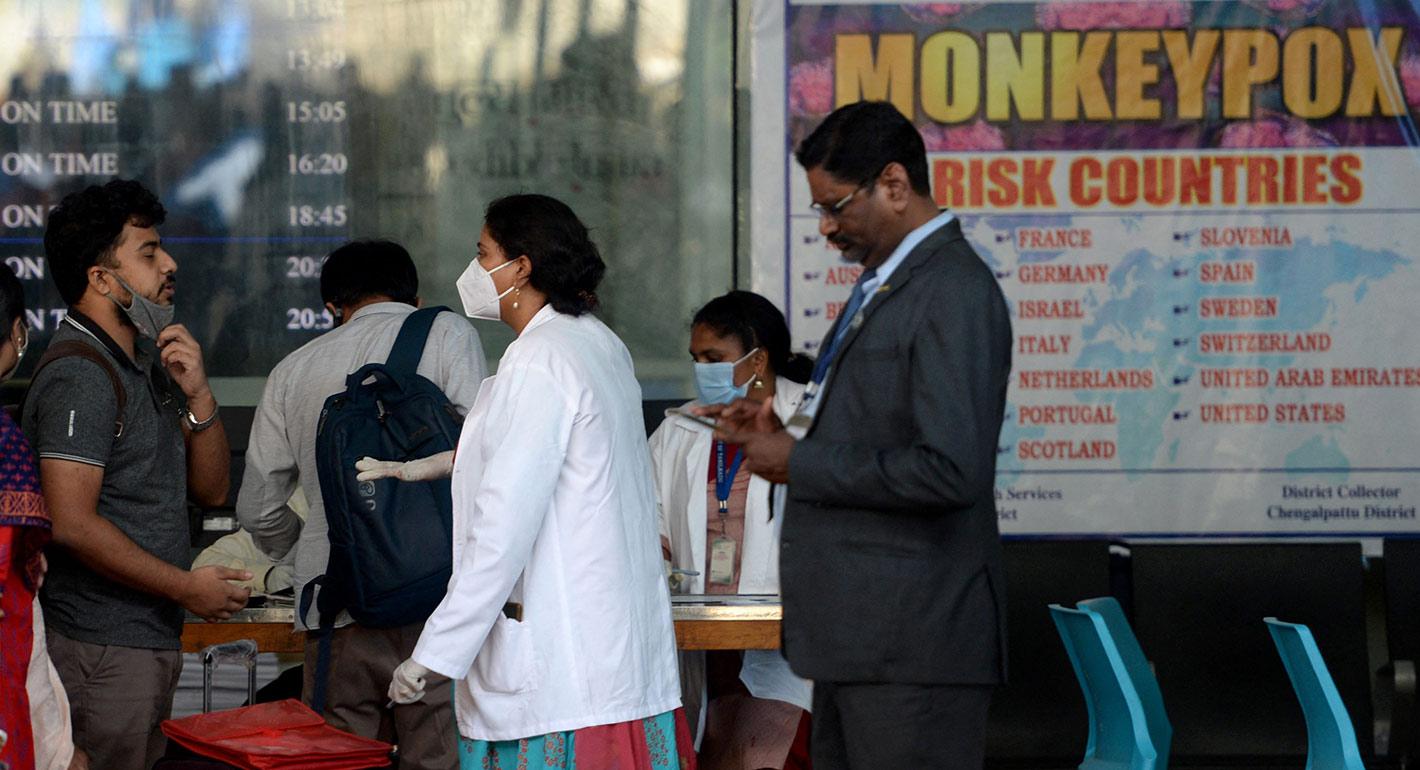
With monkeypox being declared a global health emergency, the WHO approach is an innovative and effective way to curb outbreaks of zoonotic diseases.

Shruti Sharma
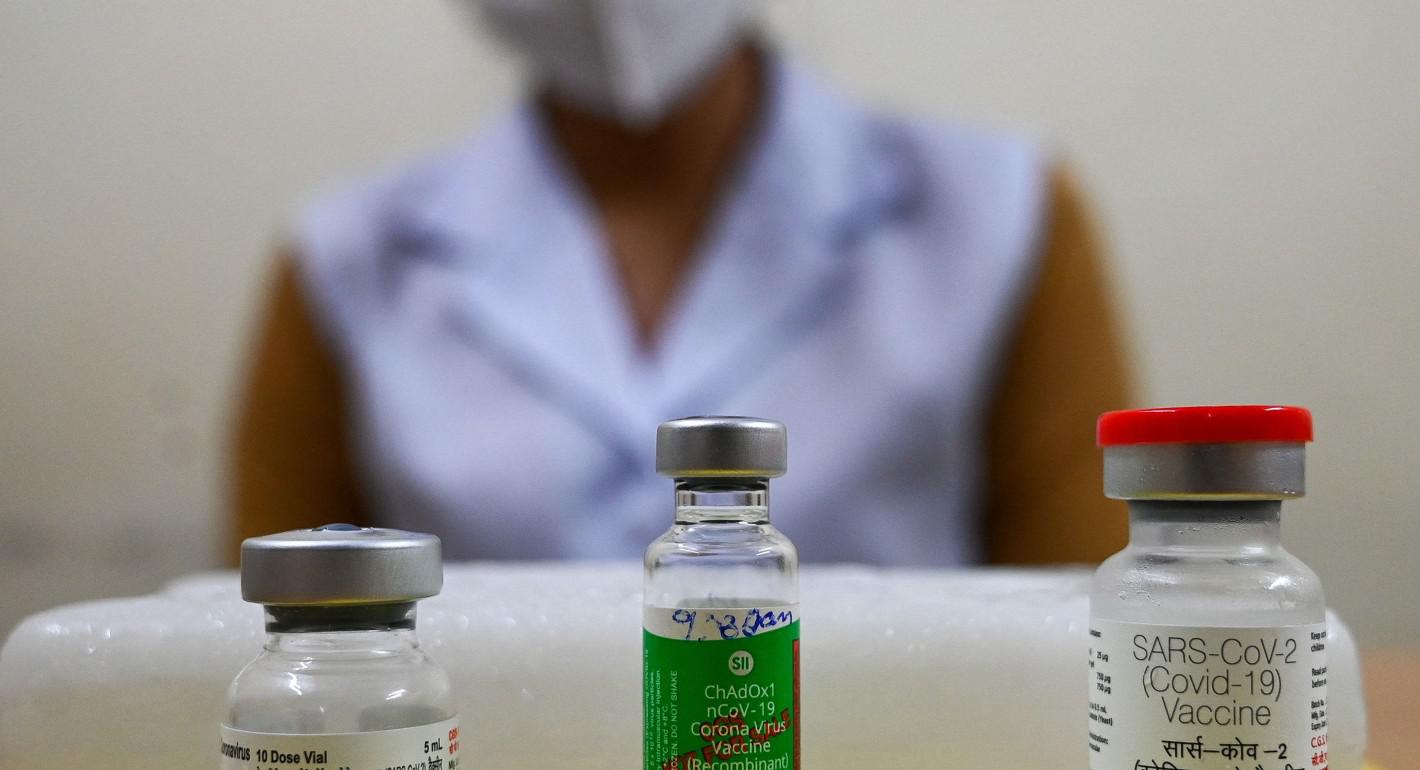
In India, biotechnology has played an important role in helping stakeholders in academia, industry, and government develop new pandemic-related technology, from test kits to respiratory devices. But these biotechnology advancements can go further to strengthen India’s public health capacity.
Shruti Sharma
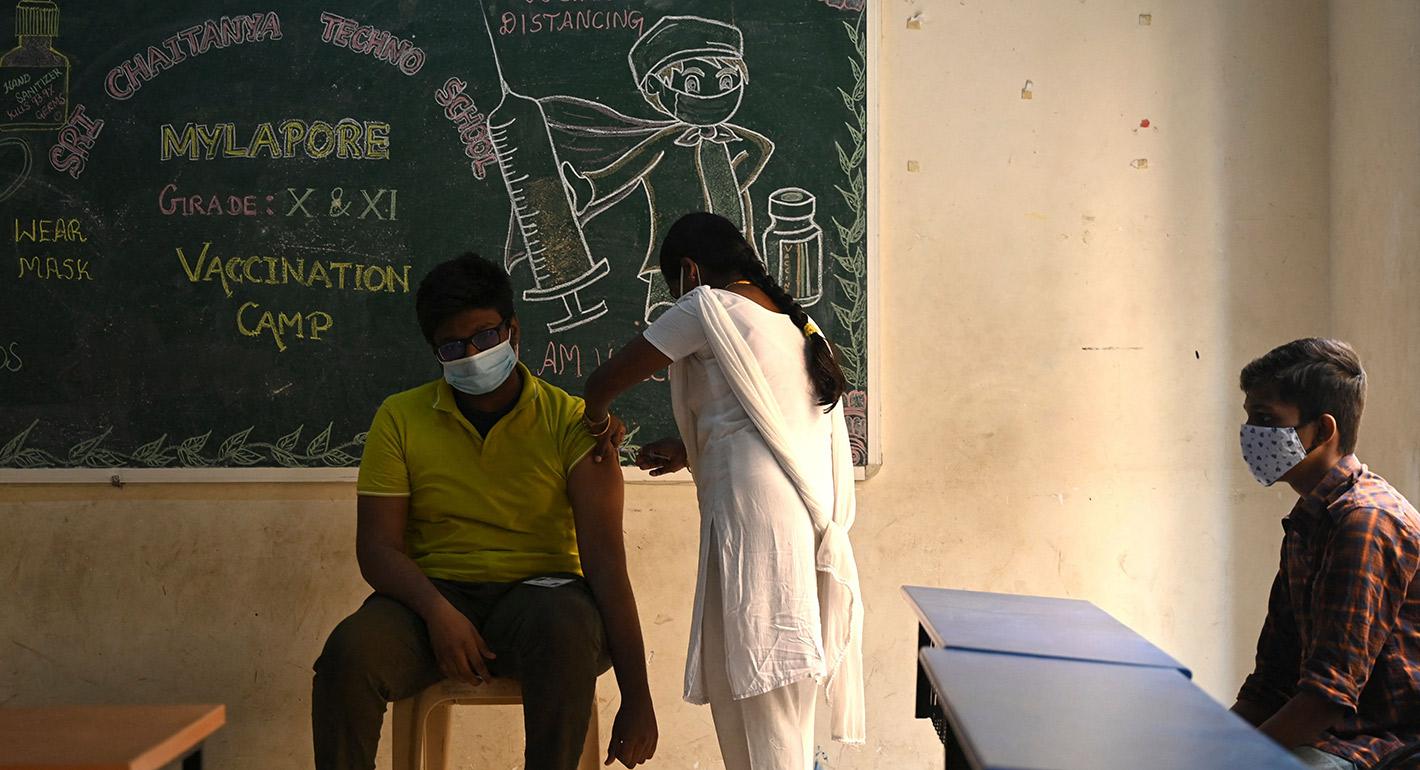
Unless the government can up its communications game, anti-vax movements could prolong India’s pandemic effects.
Shruti Sharma
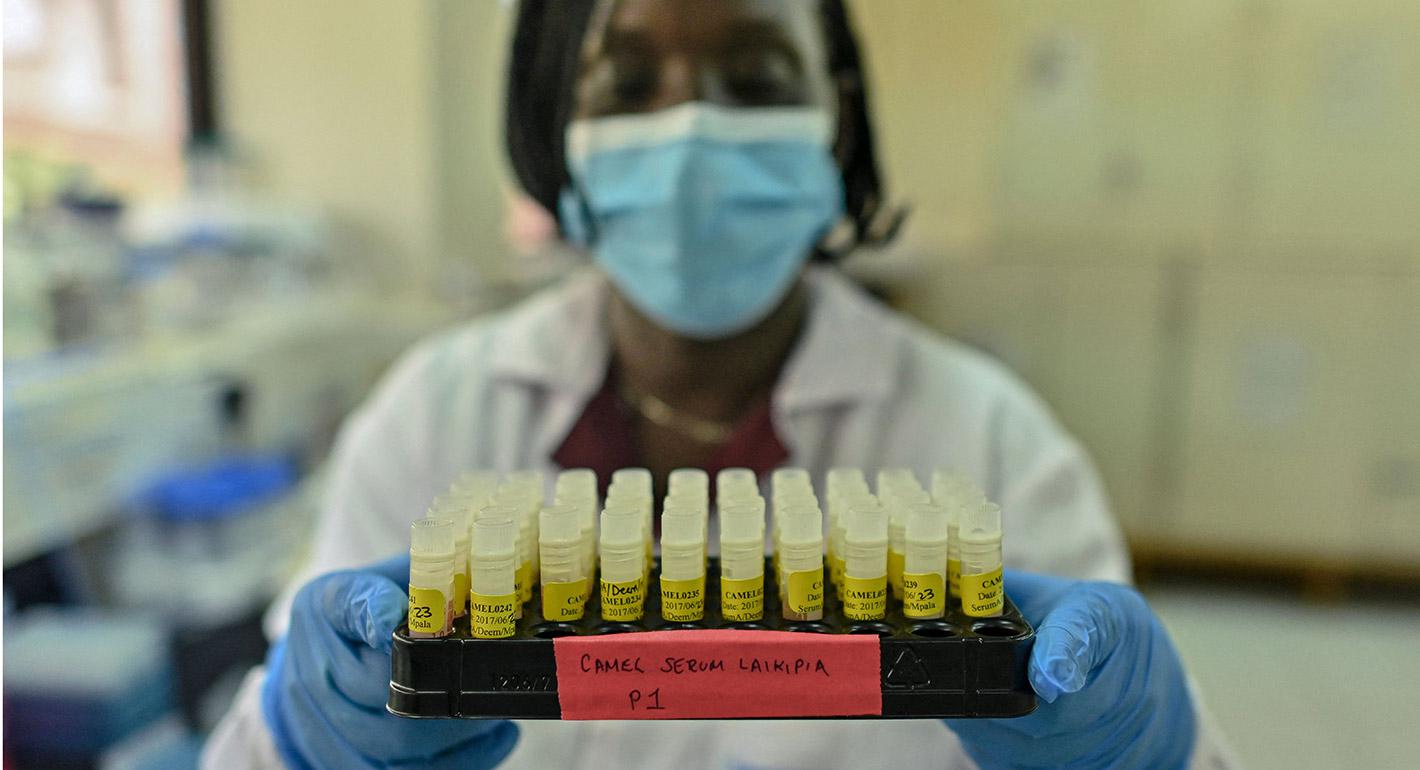
The uncertain origin of the coronavirus has focused attention on gain-of-function research—studying viruses to learn how they spread. How can countries work together to ensure stringent safety standards?
Shruti Sharma

India faces a host of biological risk factors. Drawing lessons from the coronavirus pandemic and prior biological disasters, India’s government should pursue new safety protocols and develop new institutions to manage future biological risk.
Shruti Sharma