

Commentary
Maria Lipman
{
  "authors": [
    "Maria Lipman"
  ],
  "type": "legacyinthemedia",
  "centerAffiliationAll": "",
  "centers": [
    "Carnegie Endowment for International Peace",
    "Carnegie Russia Eurasia Center"
  ],
  "collections": [],
  "englishNewsletterAll": "",
  "nonEnglishNewsletterAll": "",
  "primaryCenter": "Carnegie Russia Eurasia Center",
  "programAffiliation": "",
  "programs": [],
  "projects": [],
  "regions": [
    "Caucasus",
    "Russia"
  ],
  "topics": []
}
REQUIRED IMAGE
Source: Carnegie
In Russia, No TV Time for Dissent
Originally published in the Washington Post July 24, 2004
MOSCOW -- In a democracy, defeated politicians have access to media outlets through which they can criticize the ruling elite and seek to convince the nation that there are better ways to solve public policy problems. That's what political opposition is about. Not so in Russia. At least not to the new manager of the NTV television network, Vladimir Kulistikov.
In an interview this week, Kulistikov castigated the NTV network for giving too much time to political losers -- "marginals," he called them -- who represent a minority and criticize Putin. To him, this reflects a lack of objectivity. To emphasize the point, he thoroughly purged NTV content of political dissent: His first decisions included dropping the only show on Russian television that offered political satire and the cancellation of the last live political talk show. No such show will appear in the near future, he said.
Putin's Kremlin has matured and is no longer kidding around. The purpose of national television, it has been made clear, is to ensure favorable coverage of the government. Anyone voicing discontent or challenging state policies is persona non grata. The government no longer feels compelled even to pretend to believe in equal rights of public expression.
Russia still has a variety of free and critical print media, a few independent radio voices and a number of high-quality political Web sites. All these outlets have small audiences, basically urban educated elites, mostly in Moscow and St. Petersburg. The way the Kremlin unscrupulously did away with the remains of NTV's independence raises serious concerns about their future.
NTV was once the crown jewel of Russia's biggest privately owned media group. It was taken over by a state-controlled monopoly, Gazprom, in 2001 after a long and painful struggle. The Kremlin attempted to disguise its campaign to control NTV's content by presenting it as a conflict over business operations. It vehemently denied that the campaign had anything to do with programming; officials did not want to be regarded as violators of press freedom. They were still a little concerned about the liberal image of the Kremlin.
Even after the takeover, NTV maintained high professional standards. Indications were that it wouldn't easily be turned into a Soviet-style propaganda mouthpiece, as the two fully state-controlled national networks had become. The Kremlin mostly tolerated it.
Nevertheless, when the "spoiled" NTV journalists went too far, the Kremlin reminded them who was boss. After the Moscow theater siege in October 2002, when NTV reporters undertook to investigate the true cause of the deaths of more than 100 hostages, the Kremlin deemed their curiosity excessive, and the manager of the network was forced to resign. Yet even then, no journalists were fired and no shows were canceled. The incident apparently had to look like a management problem, not an attempt to limit freedom of speech.
The new NTV manager was a mediocrity, not even a television professional; his only ambition was his outright loyalty to the Kremlin. His managerial methods allegedly included preliminary screening of political materials to sort out those that might antagonize the Kremlin. "Inappropriate" segments had to be cut from news shows. Twice during his tenure, acts of political cleansing of the best Sunday magazine-style show, "Namedni," were made public by its anchor. Still, NTV's publicity-shy manager, when pressed for answers, denied that his decisions were politically motivated.
Meanwhile, however, those at fully state-run networks were speaking more frankly. From time to time, mostly when talking to foreign reporters, state television managers and anchors admitted that they regarded themselves as promoters of the government's policies and its highest-ranking executives. About a year ago Konstantin Ernst, the top manager of Channel One, dismissed as far-fetched the notion of a dispute between him and the government over editorial policy. "That's impossible," the New Yorker magazine quoted him as saying. "It's easy for me to work here, because the Kremlin's foreign and domestic policy is always clear and understandable to me."
Early this year, the leading anchor of the other government network, Rossiya, told the New York Times that "if there is no obvious breaking news, we start with the president." Until recently, though, NTV was different. The arrest of oil tycoon Mikhail Khodorkovsky in October seemed to embolden some NTV journalists: They grew more daring, even teasing government officials, as if seeking to test the Kremlin's tolerance. Unfortunately, the tolerance level proved to be rather low.
"Namedni" was canceled. Its anchor, Leonid Parfyonov, Russia's top TV star, was fired. No coherent reason was offered for the cancellation; the cause of Parfyonov's dismissal was still disguised, if thinly, as a "contract violation," not perceptions of his show as too critical or disrespectful of the government. After that the loyal-but-timid manager was fired too. The appointment earlier this month of yet another manager, transferred from Rossiya, drew the line on permissiveness.
This move may have been accelerated by a recent public protest over an unpopular social reform or by a mild drop in Putin's popularity. A more important factor, however, has been the logic of creeping authoritarianism. Once those in the government elite have opted to dump democratic institutions and liberal freedoms, there is no way to stop: The fear of losing power drives them to crack down ever more.
Former Scholar in Residence, Society and Regions Program, Editor in Chief, Pro et Contra, Moscow Center
Lipman was the editor in chief of the Pro et Contra journal, published by the Carnegie Moscow Center. She was also the expert of the Carnegie Moscow Center’s Society and Regions Program.
Recent Work
Maria Lipman
Maria Lipman

This piece argues that India’s central challenge is not managing a single flashpoint but resolving the underlying tension between expansion and institutional coherency of the BRICS grouping.

Vrinda Sahai
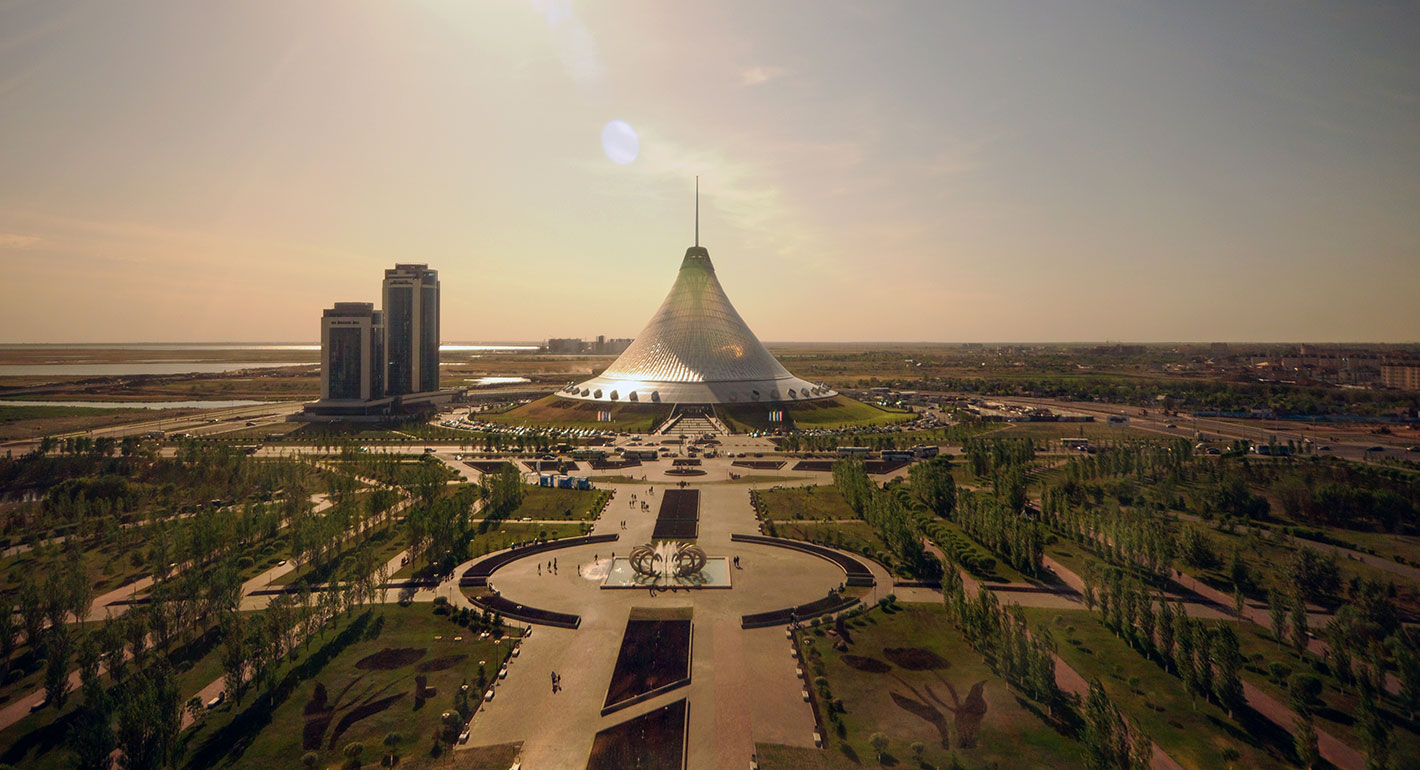
With contributors from various Central Asian nations and beyond, this issue of Seminar provides a selection of perspectives about the past, present, and future trajectory of Central Asia, and the growing role of external actors, particularly India, China, Russia, and the EU in this evolving and dynamic space.
Rhea Menon, Sharanya Rajiv, 64592
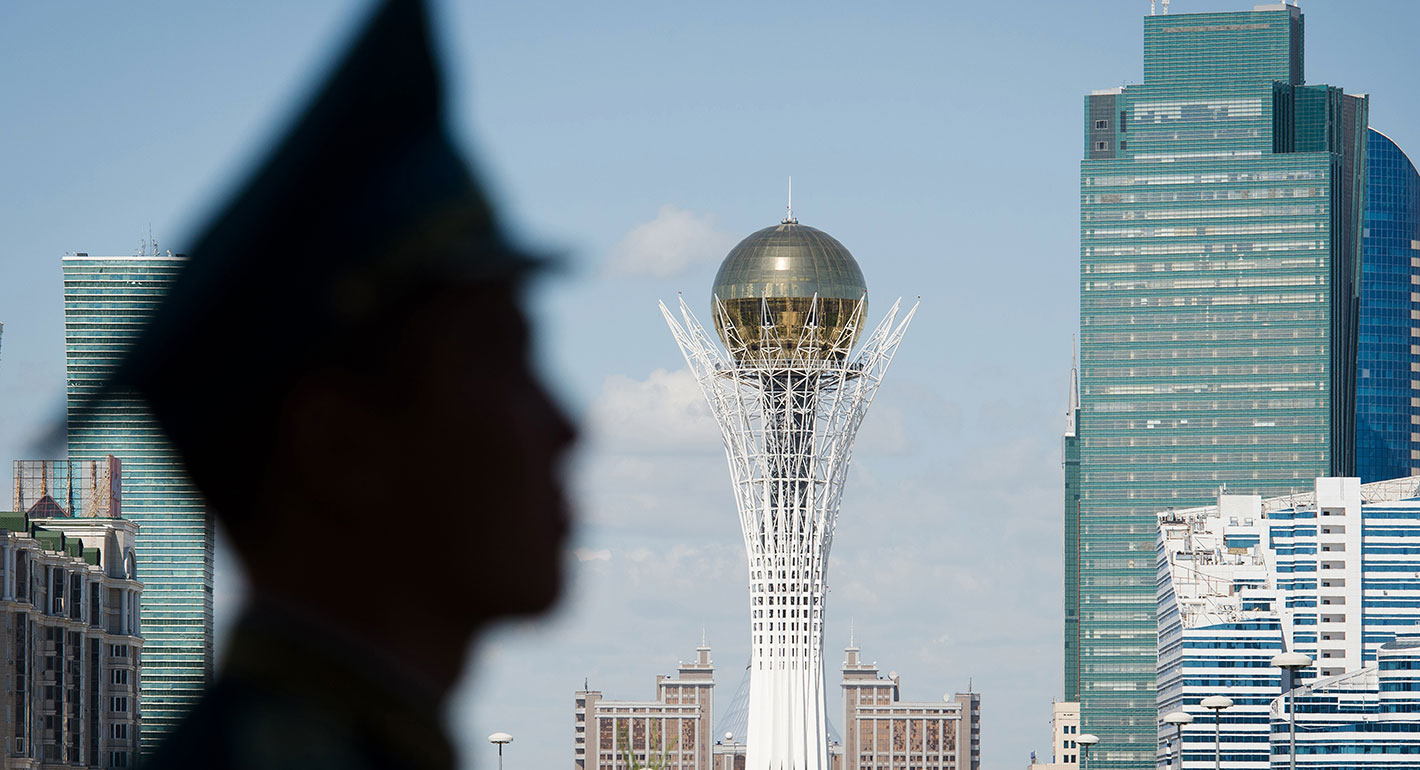
The rise of China as an economic powerhouse in Asia, along with rapid globalization, has brought Central Asia back in the limelight as a bridge connecting the established markets of the West with the emerging markets of the East.
Rhea Menon, Sharanya Rajiv
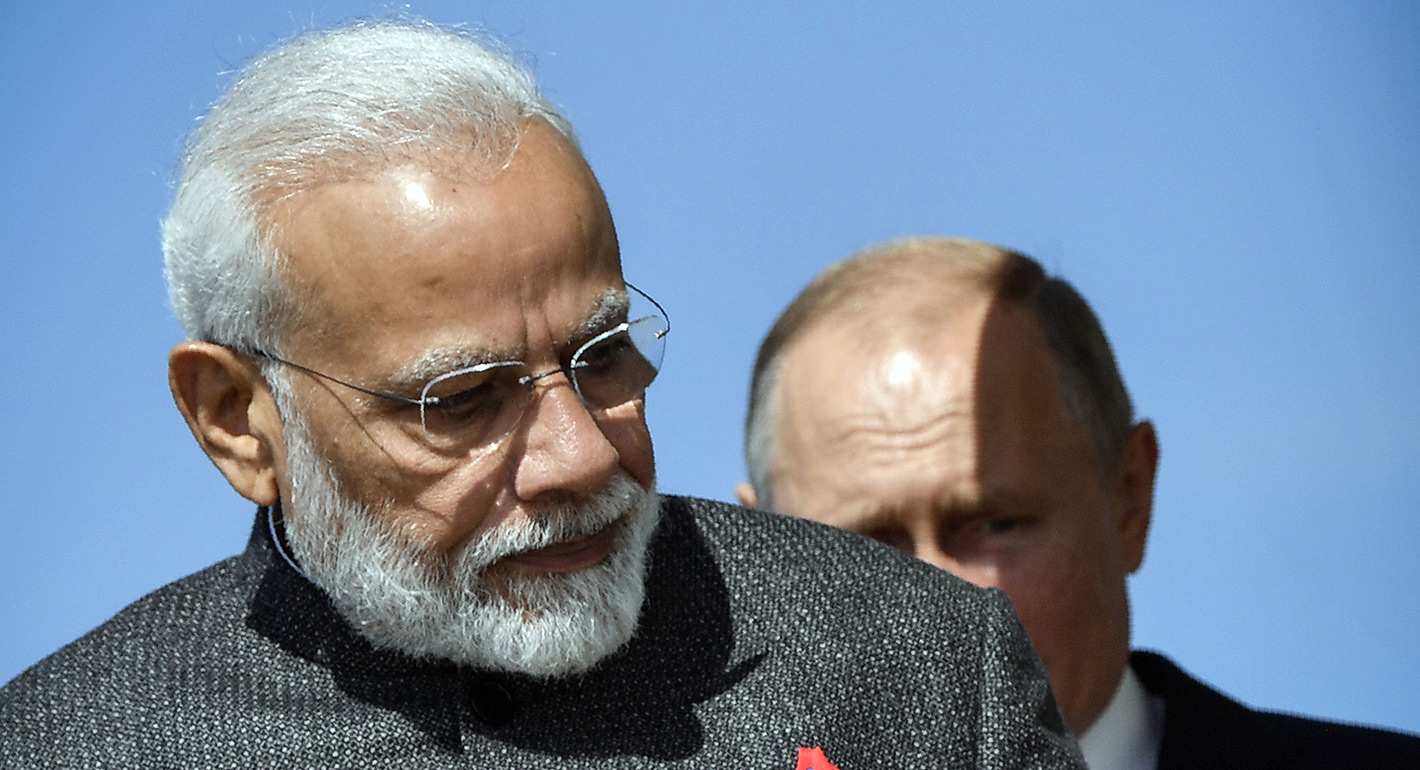
The special and privileged strategic partnership between India and Russia now spans across both Eurasia and the Indo-Pacific.
Sharanya Rajiv, 64592
The rejigging of the political relations between the United States, China, and Russia might present New Delhi with fleeting strategic opportunities that need to be seized quickly.
C. Raja Mohan