• Research
  • About
  • Experts
Carnegie India logoCarnegie lettermark logo
Technology
{
  "authors": [],
  "type": "pressRelease",
  "centerAffiliationAll": "",
  "centers": [
    "Carnegie Endowment for International Peace"
  ],
  "collections": [],
  "englishNewsletterAll": "",
  "nonEnglishNewsletterAll": "",
  "primaryCenter": "Carnegie Endowment for International Peace",
  "programAffiliation": "",
  "programs": [],
  "projects": [],
  "regions": [
    "Middle East"
  ],
  "topics": [
    "Political Reform",
    "Democracy"
  ]
}
REQUIRED IMAGE

REQUIRED IMAGE

Press Release

Press Release: Short-term Prognosis for Islamists and Democracy: Negative

Are Islam and democracy compatible? Are Islamists willing to accept a democratic order and work within it? Graham E. Fuller, noted analyst of political Islam, writes in a new paper that democracy and political Islam are compatible in principle, but the short-term prognosis is less optimistic.

Link Copied
Published on Sep 3, 2004

Source: publisher

FOR IMMEDIATE RELEASE: September 1, 2004
Contact: Cara Santos Pianesi, 202/939-2211, csantos@ceip.org

Though Political Islam and Democracy Potentially Compatible, Current Geopolitical Context Impedes Moderation

Are Islam and democracy compatible? Are Islamists willing to accept a democratic order and work within it? Graham E. Fuller, noted analyst of political Islam, writes in a new paper that democracy and political Islam are compatible in principle, but the short-term prognosis is less optimistic. Fuller points out that Islamists in the Arab world have been steadily moving for decades towards acceptance of the concept of democracy. Indeed, as Islamist parties enter the political order, they have demonstrated a willingness to work with diverse political forces in pursuit of common goals, like regime liberalization. He also highlights additional positive developments, such as a broadening of the ideological debate among Islamists themselves and the non-violent nature of the vast majority of these political groups.


In isolation, these trends would provide much ground for optimism about the integration of a large segment of Islamist forces into potential democratization processes in the Middle East. Yet, the increasing radicalization of a Muslim world that feels under siege is creating a highly negative environment not conducive to strengthening moderate versions of political Islam. Until the external sources of radicalization are diminished, the region is unlikely to democratize. This means a settlement of the Palestinian problem, departure of U.S. troops from the region, and an end to the broad-brush, anti-Muslim discrimination resulting from the war on terrorism.

Access Fuller’s Carnegie Paper

Islamists in the Arab World: The Dance around Democracy is the latest publication in the Middle East Series from the Carnegie Endowment’s Middle East Political Reform Initiative (MEPRI). The full series is available at www.CarnegieEndowment.org/mepripubs.

Graham E. Fuller is a former vice-chair of the National Intelligence Council at the CIA, a former senior political scientist at RAND, and currently an independent writer and analyst.

Political ReformDemocracyMiddle East

Carnegie India does not take institutional positions on public policy issues; the views represented herein are those of the author(s) and do not necessarily reflect the views of Carnegie, its staff, or its trustees.

More Work from Carnegie India

  • Article
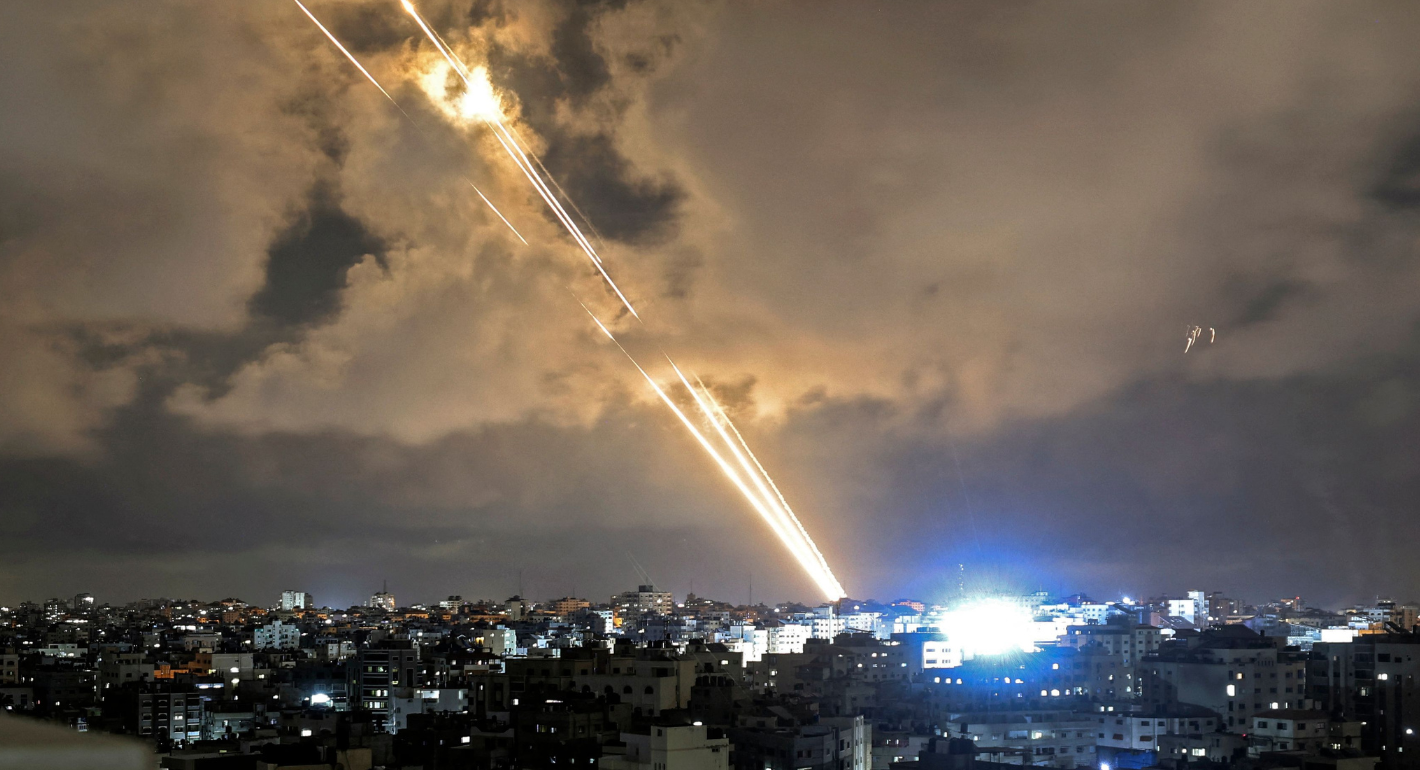
    Risk and Retaliation: Israel, Iran, and the Evolving Situation in West Asia

    An Israeli response to Iran’s October 1 attack is imminent. The key question is of its intensity and potential fallout, both within Iran, in terms of nuclear security policy changes, and across the broader region. The coming days are likely to reshape West Asia irreversibly.

      Gaddam Dharmendra

  • REQUIRED IMAGE
    Commentary
    Is U.S. Foreign Policy Too Hostile to China?

    Experts weigh in on whether the United States is too hostile toward China.

      Stephen Wertheim, Evan S. Medeiros, Vijay Gokhale

  • Paper
    India’s Sustained Economic Recovery Will Require Changes to Its Bankruptcy Law

    As India’s economy recovers from the coronavirus pandemic, Indian businesses need efficient financial structures to regain their ground. Key reforms to India’s Insolvency and Bankruptcy Code could fill these gaps.

      Anirudh Burman

  • Paper
    Cross-Border Data Access for Law Enforcement: What Are India’s Strategic Options?

    Access to cross-border data is an integral piece of the law enforcement puzzle. India is well placed to lead the discussions on international data agreements subject to undertaking necessary surveillance reforms.

      Smriti Parsheera, Prateek Jha

  • Article
    The BRI in Post-Coronavirus South Asia

    After the coronavirus pandemic wanes, how will China’s reorientation of the Belt and Road Initiative to address global health concerns influence its relationships with South Asian countries?

      Deep Pal, Rahul Bhatia

Get more news and analysis from
Carnegie India
Carnegie India logo, white
Unit C-4, 5, 6, EdenparkShaheed Jeet Singh MargNew Delhi – 110016, IndiaPhone: 011-40078687
  • Research
  • About
  • Experts
  • Projects
  • Events
  • Contact
  • Careers
  • Privacy
  • For Media
Get more news and analysis from
Carnegie India
© 2026 Carnegie Endowment for International Peace. All rights reserved.