• Research
  • About
  • Experts
Carnegie India logoCarnegie lettermark logo
{
  "authors": [],
  "type": "testimony",
  "centerAffiliationAll": "",
  "centers": [
    "Carnegie Endowment for International Peace"
  ],
  "collections": [],
  "englishNewsletterAll": "",
  "nonEnglishNewsletterAll": "",
  "primaryCenter": "Carnegie Endowment for International Peace",
  "programAffiliation": "",
  "programs": [],
  "projects": [],
  "regions": [
    "North America",
    "South America",
    "Middle East",
    "North Africa",
    "Southern, Eastern, and Western Africa",
    "Western Europe"
  ],
  "topics": [
    "Economy",
    "Trade"
  ]
}
REQUIRED IMAGE

REQUIRED IMAGE

Testimony

EU Trade Commissioner Peter Mandelson on Doha

EU Trade Commissioner Peter Mandelson recommends Carnegie's new study, Winners and Losers: Impact of the Doha Round on Developing Countries.

Link Copied
Published on Mar 21, 2006

EU Trade Commissioner Peter Mandelson has told the European Parliament that a successful Doha Agreement remains possible if all parties to the negotiations accept the need to come together in an ambitious final move that reflects the needs of all players. He argued that "the time of incremental steps, small moves and small concessions, is over."

In a speech to the International Trade Committee of the European Parliament in Brussels on March 21, Commissioner Mandelson also spoke about a new Carnegie report, Winners and Losers: Impact of the Doha Round on Developing Countries:

"I want to draw your attention to a study published this month by the Carnegie Endowment entitled 'Winners and Losers: Impact of the Doha round on Developing Countries.' This excellent study is essentially a warning. It cautions against seeing simple liberalisation in the Doha Round as a panacea for development.

"The Carnegie research reminds us that the bulk of the benefits of agricultural liberalization are limited to developed countries and a core group of highly competitive farm exporters - especially Brazil, Argentina and South Africa, and that exemptions from tariff cuts, policy space to support agricultural development and small scale farming, and the impact of preference erosion in poorer developing countries when faced with steep farm tariff reductions in the developed world should be taken into account. For all these reasons, the Carnegie research suggests that the key gains for developing countries in the DDA lie not in agriculture but in trade in industrial goods, especially in labor-intensive industries like shoes and textiles. These are arguments that the EU has long accepted and that others – including some in the NGO community - would do well to absorb."

Read the full speech here.

Click here to read the Carnegie Endowment study Winners and Losers: Impact of the Doha round on Developing Countries.

EconomyTradeNorth AmericaSouth AmericaMiddle EastNorth AfricaSouthern, Eastern, and Western AfricaWestern Europe

Carnegie India does not take institutional positions on public policy issues; the views represented herein are those of the author(s) and do not necessarily reflect the views of Carnegie, its staff, or its trustees.

More Work from Carnegie India

  • Commentary
    The Impact of U.S. Sanctions and Tariffs on India’s Russian Oil Imports

    This piece examines India’s response to U.S. sanctions and tariffs, specifically assessing the immediate market consequences, such as alterations in import costs, and the broader strategic implications for India’s energy security and foreign policy orientation.

      Vrinda Sahai

  • Paper
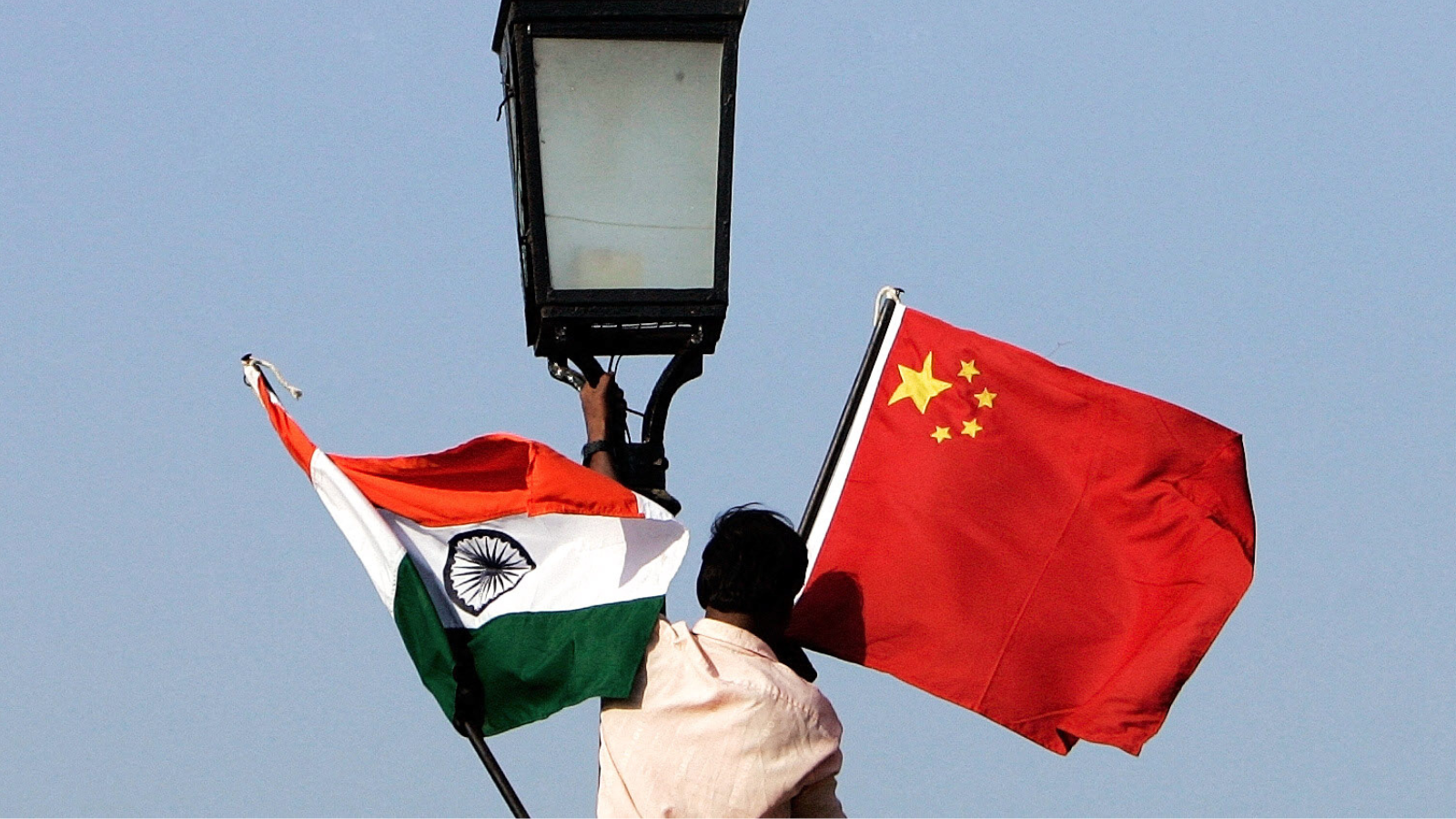
    India-China Economic Ties: Determinants and Possibilities

    This paper examines the evolution of India-China economic ties from 2005 to 2025. It explores the impact of global events, bilateral political ties, and domestic policies on distinct spheres of the economic relationship.

      Santosh Pai

  • Commentary
    TRUST and Tariffs

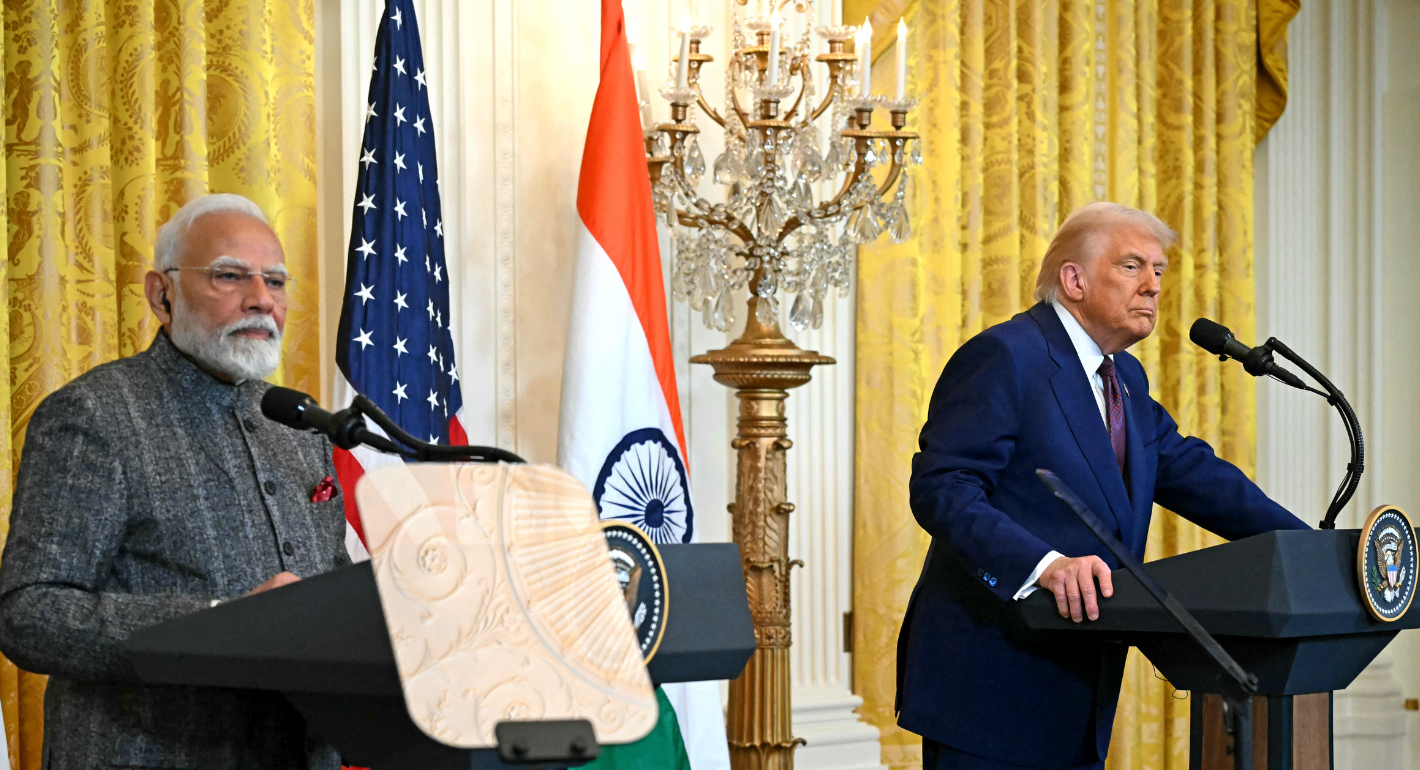
    The India-U.S. relationship currently appears buffeted between three “Ts”—TRUST, Tariffs, and Trump.

      Arun K. Singh

  • Article
    Can Geopolitical Alignment Seal the India-EU FTA?

    This article argues that the geopolitical circumstances have never been more conducive, not merely for the early conclusion of the free trade agreement (FTA) between India and the EU, but also for crafting a substantive and comprehensive strategic partnership.

      Mohan Kumar

  • Source: iStock
    Commentary
    What’s Next for U.S. AI Policy?

    This commentary explores the likely actions of the Trump administration and driving forces on issues of deregulation, the United States’ leadership in AI, national security, and global engagements on AI safety.

      Shatakratu Sahu, Amlan Mohanty

Get more news and analysis from
Carnegie India
Carnegie India logo, white
Unit C-4, 5, 6, EdenparkShaheed Jeet Singh MargNew Delhi – 110016, IndiaPhone: 011-40078687
  • Research
  • About
  • Experts
  • Projects
  • Events
  • Contact
  • Careers
  • Privacy
  • For Media
Get more news and analysis from
Carnegie India
© 2026 Carnegie Endowment for International Peace. All rights reserved.