• Research
  • About
  • Experts
Carnegie India logoCarnegie lettermark logo
AI
{
  "authors": [],
  "type": "pressRelease",
  "centerAffiliationAll": "dc",
  "centers": [
    "Carnegie Endowment for International Peace"
  ],
  "collections": [],
  "englishNewsletterAll": "menaTransitions",
  "nonEnglishNewsletterAll": "",
  "primaryCenter": "Carnegie Endowment for International Peace",
  "programAffiliation": "MEP",
  "programs": [
    "Middle East"
  ],
  "projects": [],
  "regions": [
    "North America",
    "United States",
    "Middle East",
    "Jordan"
  ],
  "topics": [
    "Political Reform"
  ]
}
REQUIRED IMAGE

REQUIRED IMAGE

Press Release

Press Release: Illusive Reform - Jordan’s Stubborn Stability

In a new Carnegie Paper, "Illusive Reform: Jordan's Stubborn Stability," Julia Choucair argues that Jordan's stability is best maintained through political reform. She contends that the United States and Europe, for short- to medium-term reasons, have shied away from urging Jordan to undertake further reform, which would be in everyone's long-term interest.

Link Copied
Published on Dec 6, 2006

FOR IMMEDIATE RELEASE: December 6, 2006

Political reform is a priority for United States Middle East policy, and Jordan is often showcased as a model of a moderate, pro-American Muslim country that is successfully democratizing.  For two decades, the Jordanian monarchy has introduced positive reforms, such as legalizing political parties and modernizing its economy.  Yet the impact on democratic change has been limited, with the reforms serving more to stabilize the regime amid severe regional and economic challenges. 

Today, deteriorating conditions on Jordan’s borders, a lack of tangible economic success, and an unpopular foreign policy are emboldening an increasingly vocal Islamist opposition movement while simultaneously eroding the regime’s traditional support base.  Jordan faces a critical choice: either to promote more meaningful democratic reform, or risk undermining many years of progress by limiting political freedoms.

In a new Carnegie Paper, Illusive Reform: Jordan’s Stubborn Stability, Julia Choucair argues that Jordan’s stability is best maintained through political reform. She contends that the United States and Europe, for short- to medium-term reasons, have shied away from urging Jordan to undertake further reform, which would be in everyone’s long-term interest.

Choucair recommends the U.S. and Europe press the Jordanian regime -- in both public and private statements and by leveraging economic aid -- to deepen formal and informal channels of communication and representation; and to acknowledge the demands of Jordanian activists by, for example, expanding legislative powers, adopting new press legislation, decreasing regulations on NGOs, and undertaking electoral reform.

To read this Carnegie Paper, go to: www.CarnegieEndowment.org/MiddleEast

Direct link to PDF: http://www.carnegieendowment.org/files/cp76_choucair_final.pdf

Julia Choucair is an associate in the Middle East Program at the Carnegie Endowment and deputy editor of Carnegie’s Arab Reform Bulletin.

Press Contact: Trent Perrotto, 202/939-2372, tperrotto@CarnegieEndowment.org

The Carnegie Endowment for International Peace is a private, nonprofit organization dedicated to advancing cooperation between nations and promoting active international engagement by the United States. www.CarnegieEndowment.org

###

Political ReformNorth AmericaUnited StatesMiddle EastJordan

Carnegie India does not take institutional positions on public policy issues; the views represented herein are those of the author(s) and do not necessarily reflect the views of Carnegie, its staff, or its trustees.

More Work from Carnegie India

  • Article
    What Could a Reciprocal Defense Procurement Agreement Do for U.S.-India Ties?

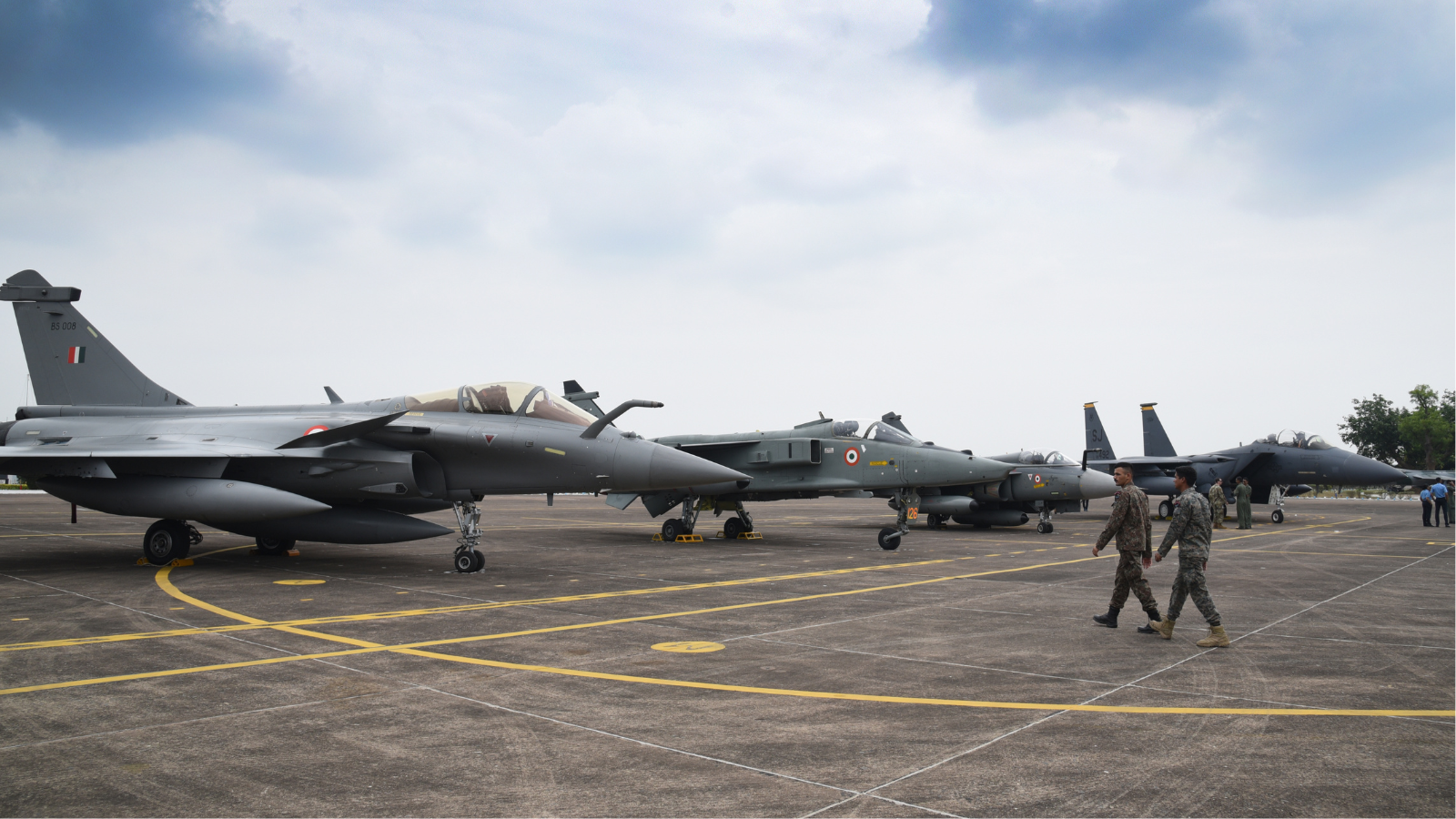
    India and the United States are close to concluding a Reciprocal Defense Procurement Agreement (RDPA) that will allow firms from the two countries to sell to each other’s defense establishments more easily. While this may not remedy the specific grievances both sides may have regarding larger bilateral issues, an RDPA could restore some momentum, following the trade deal announcement.

      Konark Bhandari

  • Commentary
    India Signs the Pax Silica—A Counter to Pax Sinica?

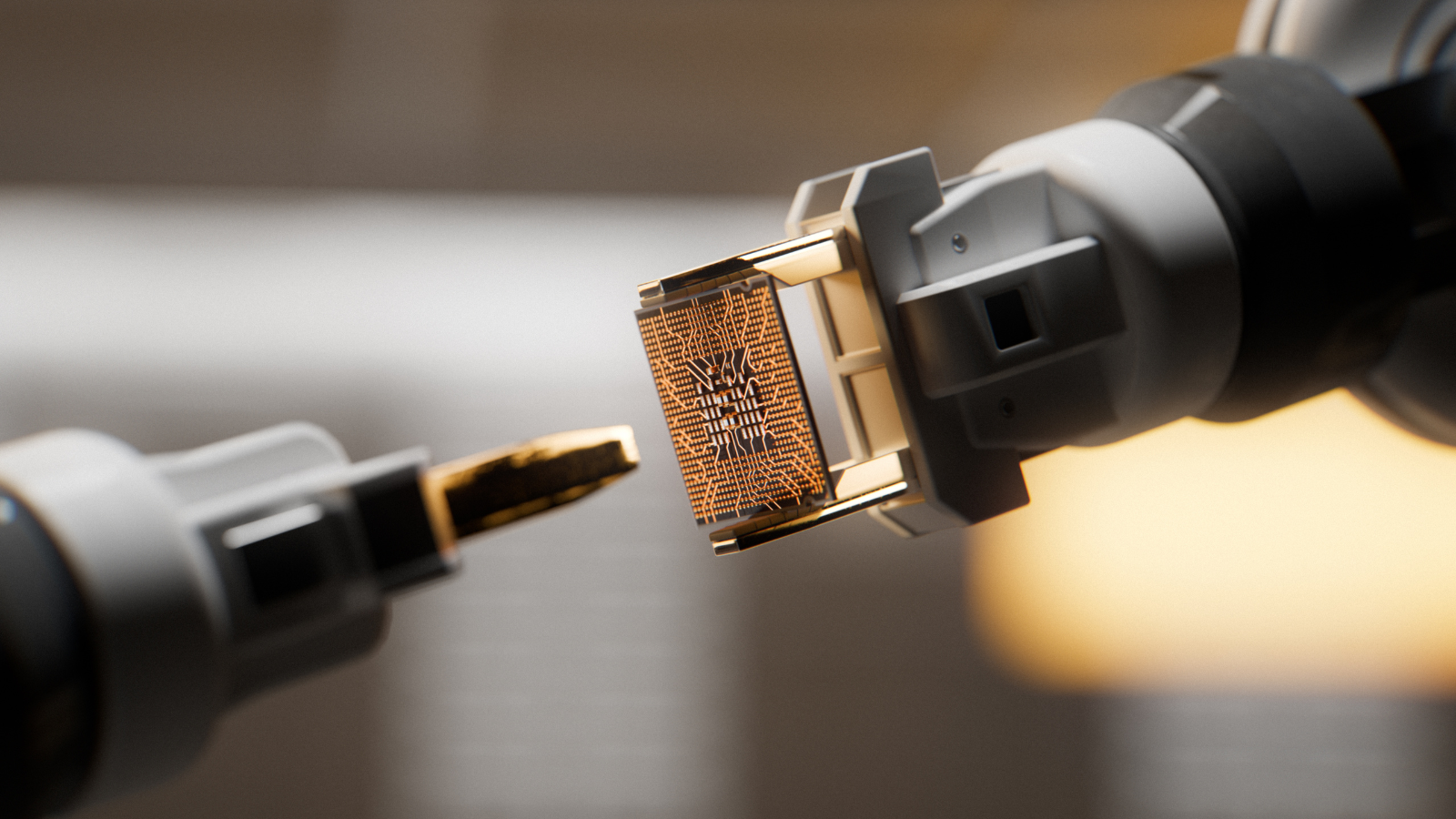
    On the last day of the India AI Impact Summit, India signed Pax Silica, a U.S.-led declaration seemingly focused on semiconductors. While India’s accession to the same was not entirely unforeseen, becoming a signatory nation this quickly was not on the cards either.

      Konark Bhandari

  • Commentary
    The Impact of U.S. Sanctions and Tariffs on India’s Russian Oil Imports

    This piece examines India’s response to U.S. sanctions and tariffs, specifically assessing the immediate market consequences, such as alterations in import costs, and the broader strategic implications for India’s energy security and foreign policy orientation.

      Vrinda Sahai

  • Commentary
    NISAR Soars While India-U.S. Tariff Tensions Simmer

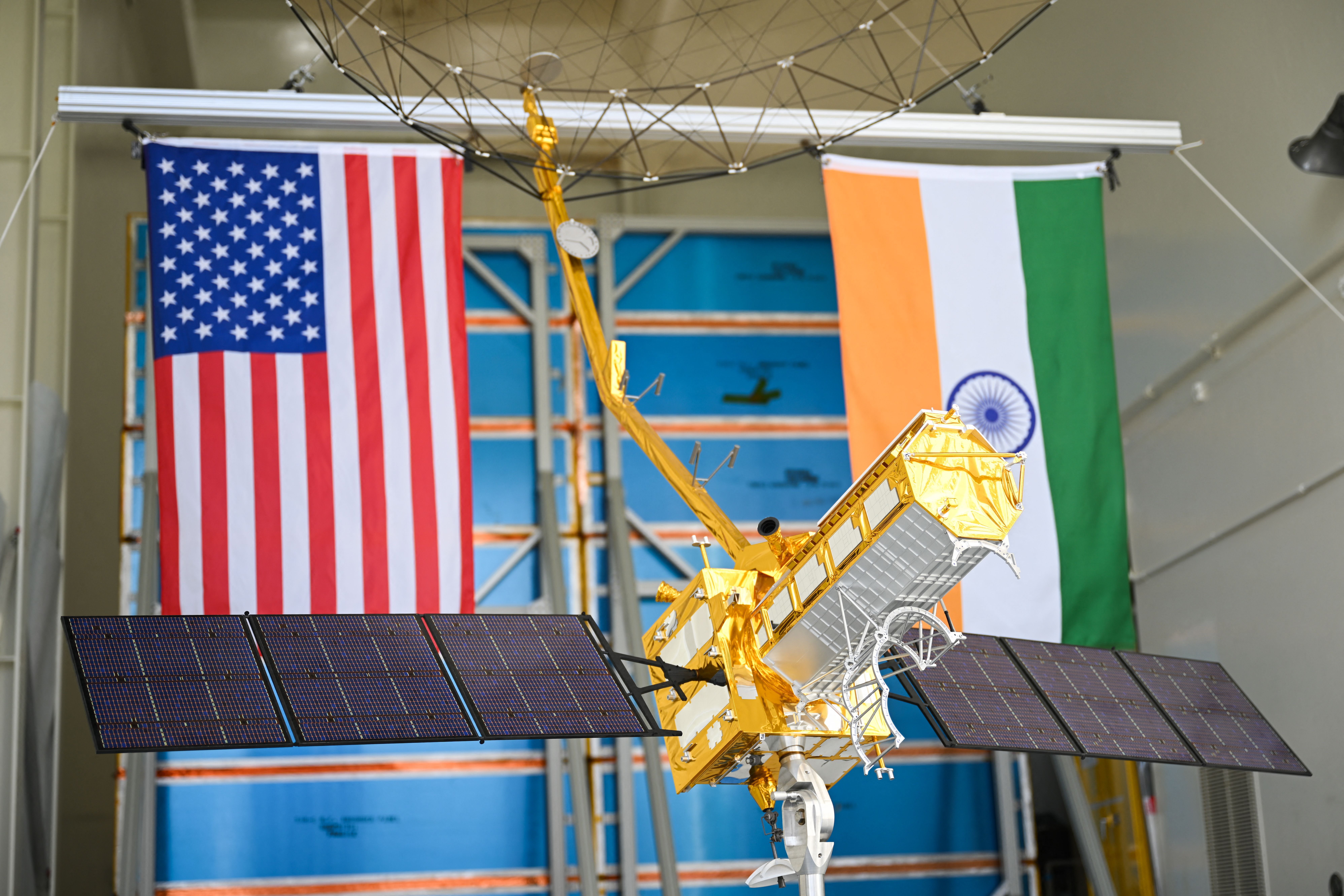
    On July 30, 2025, the United States announced 25 percent tariffs on Indian goods. While diplomatic tensions simmered on the trade front, a cosmic calm prevailed at the Sriharikota launch range. Officials from NASA and ISRO were preparing to launch an engineering marvel into space—the NASA-ISRO Synthetic Aperture Radar (NISAR), marking a significant milestone in the India-U.S. bilateral partnership.

      Tejas Bharadwaj

  • Commentary
    TRUST and Tariffs

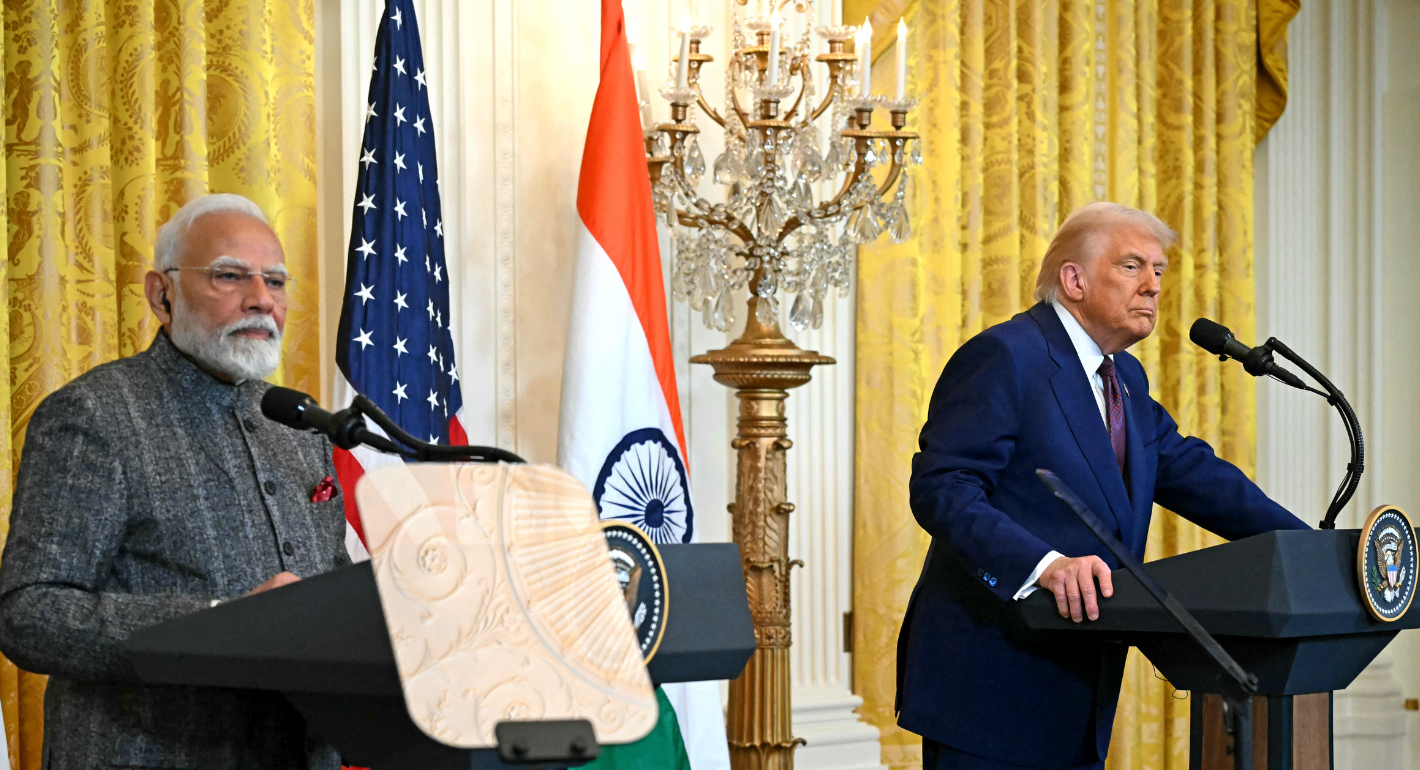
    The India-U.S. relationship currently appears buffeted between three “Ts”—TRUST, Tariffs, and Trump.

      Arun K. Singh

Get more news and analysis from
Carnegie India
Carnegie India logo, white
Unit C-4, 5, 6, EdenparkShaheed Jeet Singh MargNew Delhi – 110016, IndiaPhone: 011-40078687
  • Research
  • About
  • Experts
  • Projects
  • Events
  • Contact
  • Careers
  • Privacy
  • For Media
Get more news and analysis from
Carnegie India
© 2026 Carnegie Endowment for International Peace. All rights reserved.