

Paper
George Perkovich
{
  "authors": [
    "George Perkovich"
  ],
  "type": "legacyinthemedia",
  "centerAffiliationAll": "dc",
  "centers": [
    "Carnegie Endowment for International Peace"
  ],
  "collections": [],
  "englishNewsletterAll": "ctw",
  "nonEnglishNewsletterAll": "",
  "primaryCenter": "Carnegie Endowment for International Peace",
  "programAffiliation": "NPP",
  "programs": [
    "Nuclear Policy"
  ],
  "projects": [],
  "regions": [
    "Middle East",
    "Iran"
  ],
  "topics": [
    "Nuclear Policy"
  ]
}
REQUIRED IMAGE
Source: Congressional Program: Political Islam: Challenges for U.S. Policy
Since the early 1990s, the U.S. and a few other states have been highly concerned that
Iran’s revived nuclear program was intended, at least in part, to acquire the capability to make nuclear weapons. In 2003, acting on tips, the International Atomic Energy Agency began an intensive investigation that has uncovered a long list of Iranian violations of obligations to report nuclear transactions and activities. These violations of safeguard agreements center around Iran’s quest for equipment and materials to enable it to enrich uranium and separate plutonium, as well as experiments associated with other materials that can be essential in making nuclear weapons, such as polonium. In each instance, Iran has argued that the undeclared activity, while violating Iran’s reporting obligations, was for peaceful purposes, and therefore not a core violation of the Nuclear Nonproliferation Treaty.
The IAEA’s investigators also discovered activities that point to the involvement of military
institutions, which, if proved, would violate Iran’s core NPT obligation to use nuclear energy
solely for peaceful purposes. IAEA’s discovery of a document detailing how to manufacture
metallic uranium spheres, who’s only known purpose is in nuclear weapons, buttresses
suppositions that Iran has done more than violate its safeguards agreement.
To continue reading this article, please follow the PDF link above.

Japan Chair for a World Without Nuclear Weapons, Senior Fellow
George Perkovich is the Japan Chair for a World Without Nuclear Weapons and a senior fellow in the Carnegie Endowment for International Peace’s Nuclear Policy Program. He works primarily on nuclear deterrence, nonproliferation, and disarmament issues.
Recent Work
George Perkovich
George Perkovich
Carnegie India does not take institutional positions on public policy issues; the views represented herein are those of the author(s) and do not necessarily reflect the views of Carnegie, its staff, or its trustees.
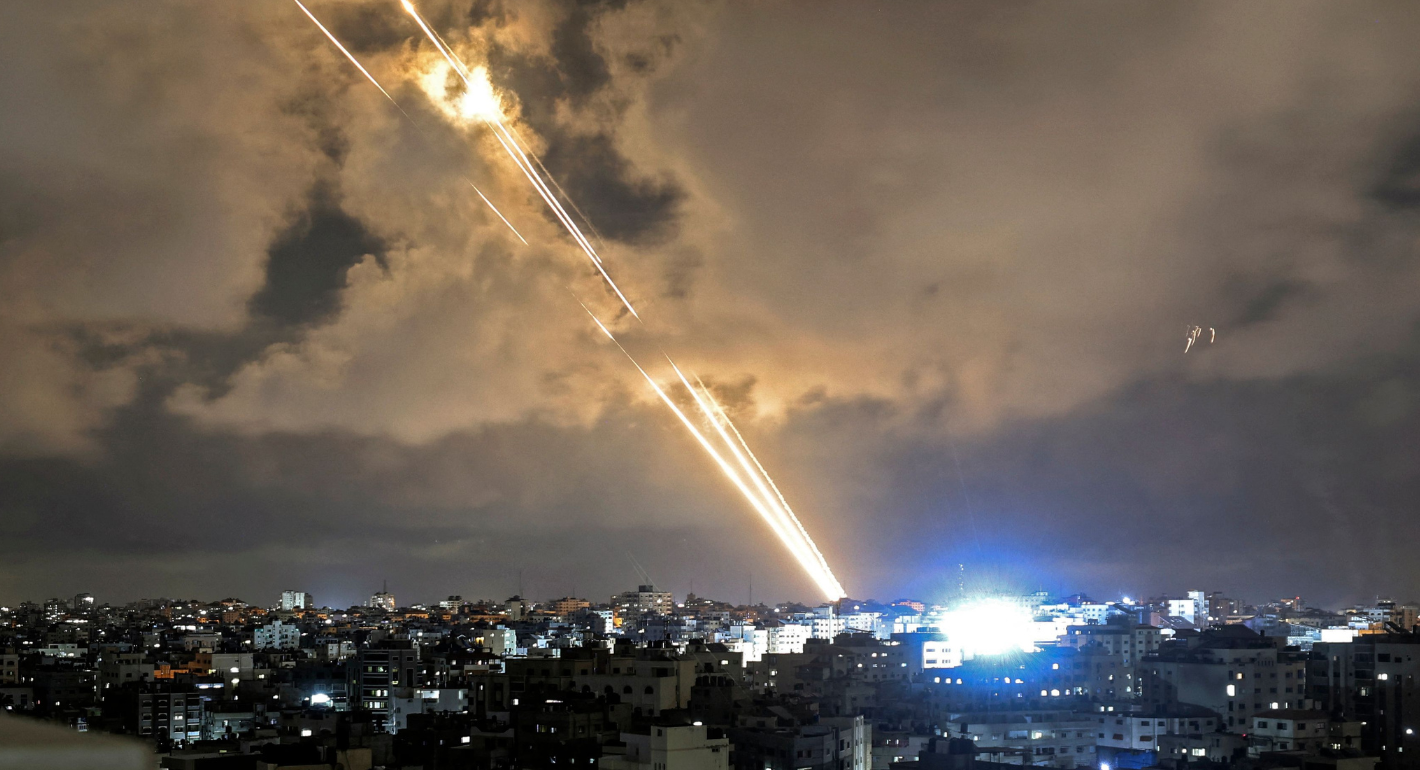
An Israeli response to Iran’s October 1 attack is imminent. The key question is of its intensity and potential fallout, both within Iran, in terms of nuclear security policy changes, and across the broader region. The coming days are likely to reshape West Asia irreversibly.
Gaddam Dharmendra
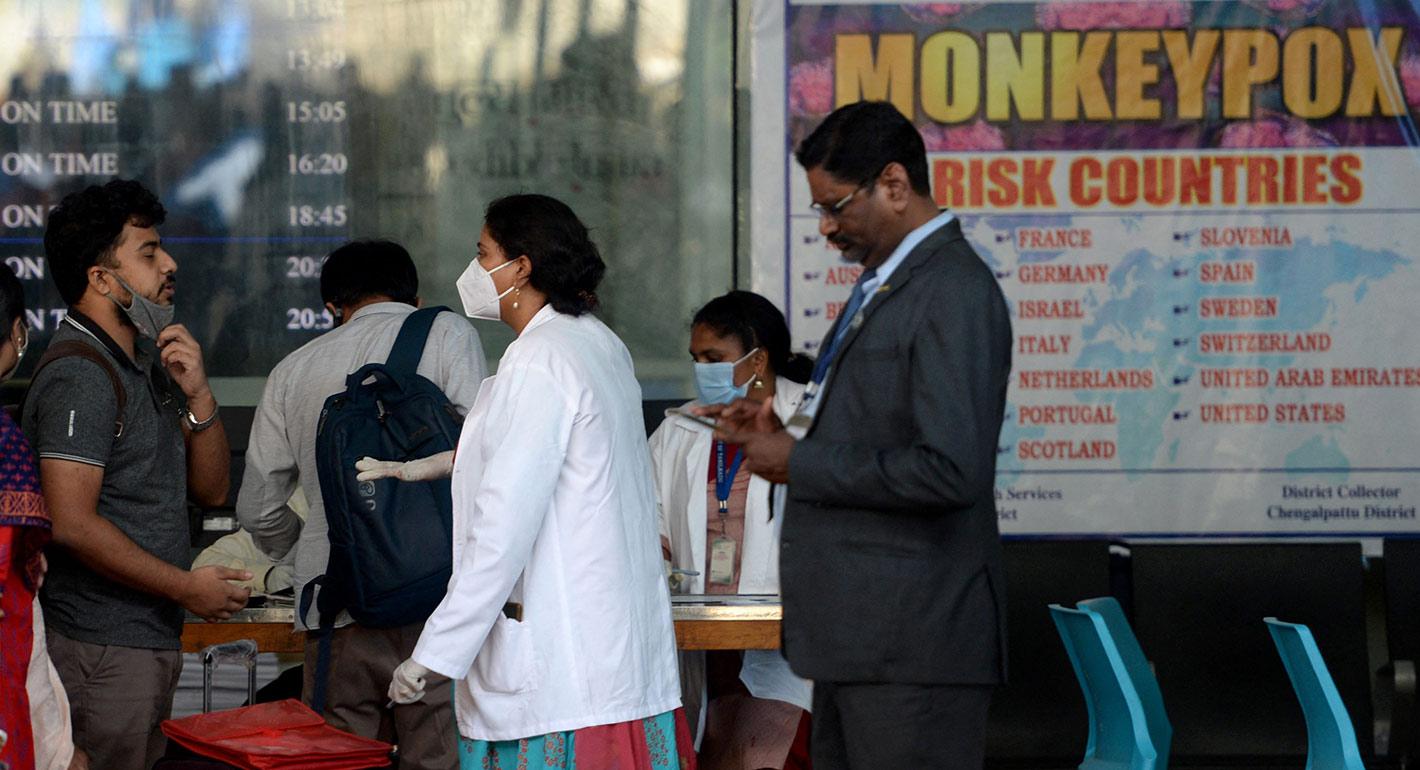
With monkeypox being declared a global health emergency, the WHO approach is an innovative and effective way to curb outbreaks of zoonotic diseases.

Shruti Sharma

In India, biotechnology has played an important role in helping stakeholders in academia, industry, and government develop new pandemic-related technology, from test kits to respiratory devices. But these biotechnology advancements can go further to strengthen India’s public health capacity.
Shruti Sharma
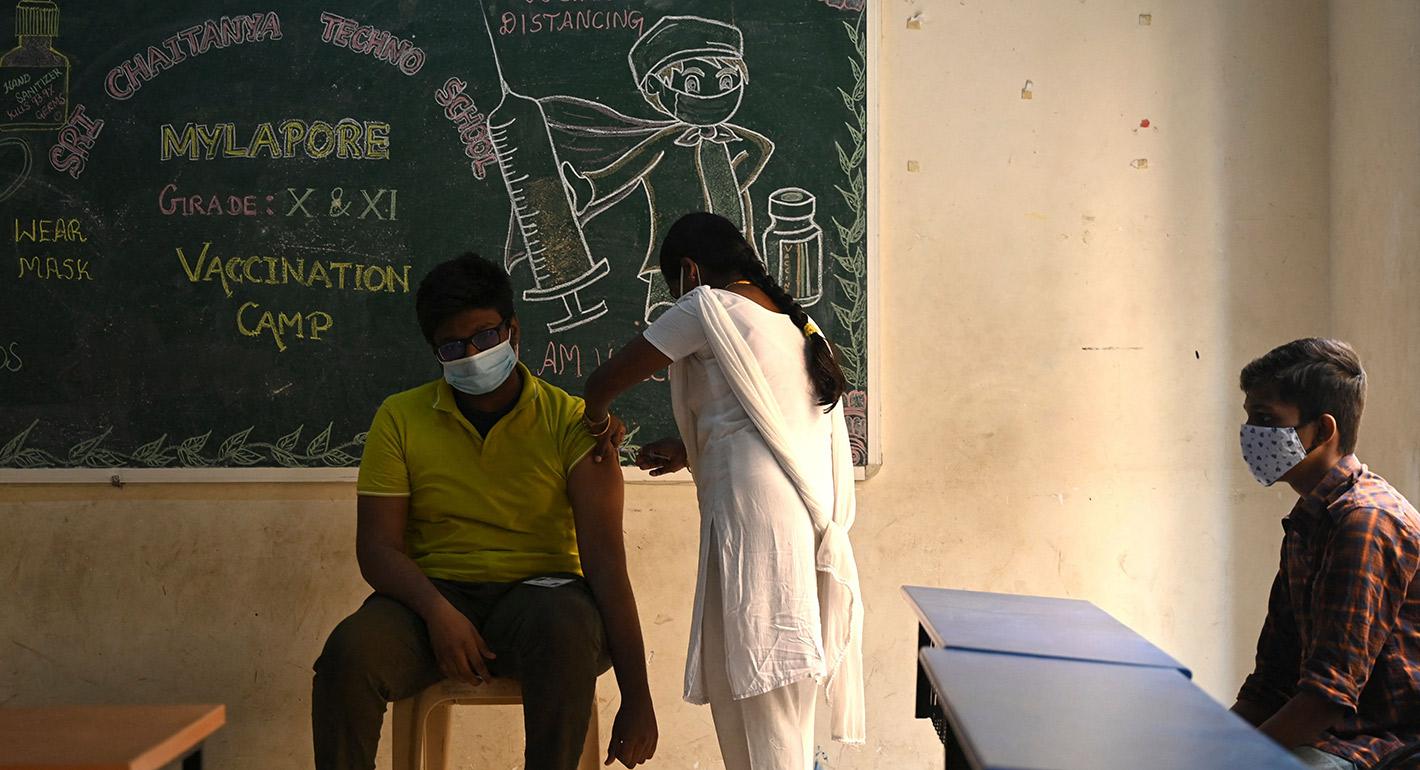
Unless the government can up its communications game, anti-vax movements could prolong India’s pandemic effects.
Shruti Sharma
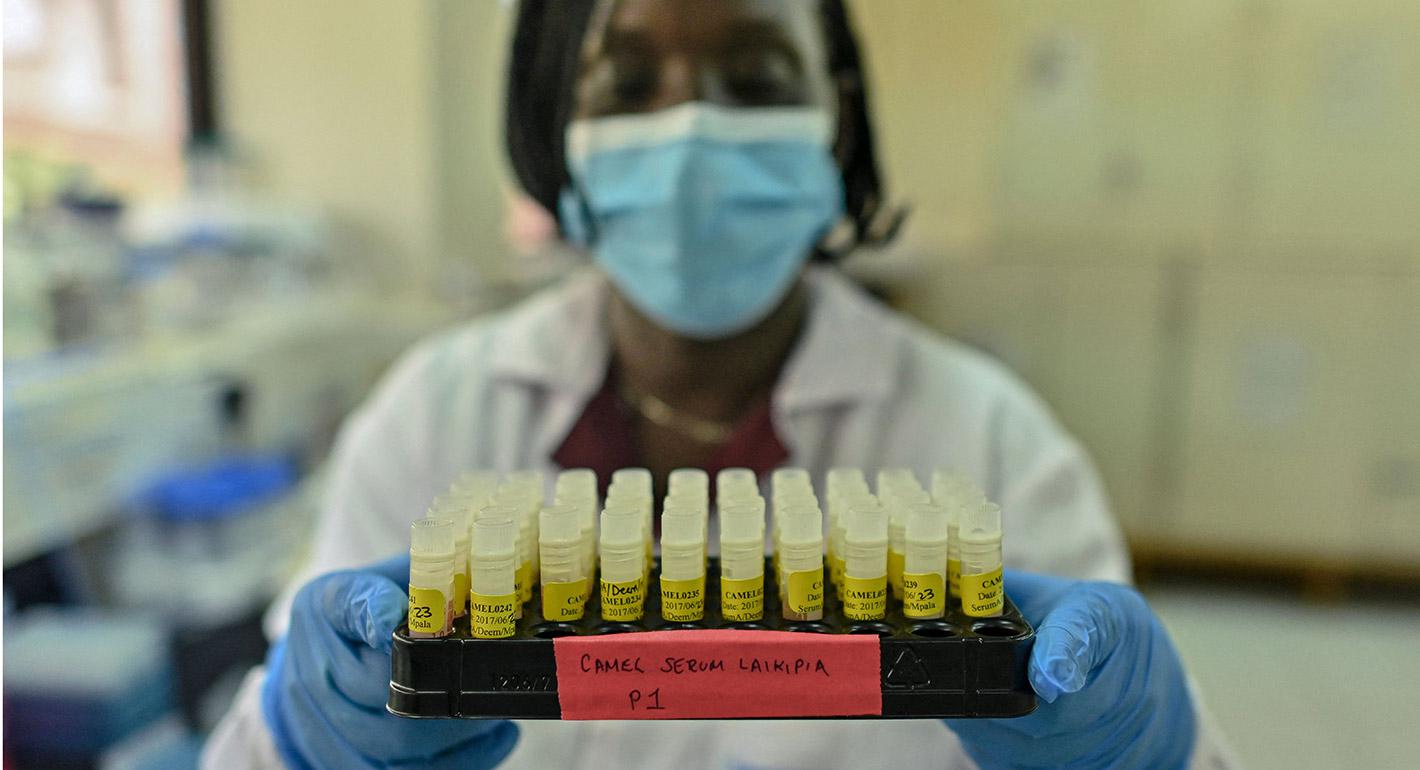
The uncertain origin of the coronavirus has focused attention on gain-of-function research—studying viruses to learn how they spread. How can countries work together to ensure stringent safety standards?
Shruti Sharma