

Commentary
Amr Hamzawy
{
  "authors": [
    "Amr Hamzawy"
  ],
  "type": "legacyinthemedia",
  "centerAffiliationAll": "dc",
  "centers": [
    "Carnegie Endowment for International Peace"
  ],
  "collections": [],
  "englishNewsletterAll": "menaTransitions",
  "nonEnglishNewsletterAll": "",
  "primaryCenter": "Carnegie Endowment for International Peace",
  "programAffiliation": "MEP",
  "programs": [
    "Middle East"
  ],
  "projects": [],
  "regions": [
    "Middle East",
    "Türkiye"
  ],
  "topics": [
    "Political Reform"
  ]
}
Source: Getty
The major electoral success of the Turkish Justice and Development Party (JDP) led by Prime Minister Recep Tayyip Erdogan urges reflection on the experience of Turkish Islamists and the trajectory of the development of their political identity. It further urges study of their role in public life and the ramifications that the Turkish experience may have on Islamist activity in the Arab world.
Source: Al-Ahram Weekly

First of all, we must acknowledge that the JDP is characterised by a combined identity that brings together, on both the levels of public discourse and political activity, respect for the secularism of the Turkish state and a liberal economic commitment to the dynamism of free markets that is propelling Turkey towards unconditional integration in the age of globalisation, on the one hand, and conservative social, cultural and moral views that rest fundamentally upon the authoritative reference of an Islamic party, on the other. In contrast to other Islamic parties in Turkey, and all Islamist cases in the Arab world, the numerous levels of the JDP's identity has allowed it pragmatic participation in public life and to undertake responsibility for planning public affairs, first within the context of municipalities and then on a national level through the formation of government since 2002. While it is true that the JDP has an Islamic ideology, this is not its final and absolute political reference and does not tower over or marginalise everything counter to it. Erdogan and his colleagues do not raise slogans such as "Islam is the solution". Their message is that views that stem from religious heritage and its fundamental principles may offer solutions to some of the challenges facing contemporary human civilisation. Acceptance of this approach depends on the extent of its pragmatism and ability to compete with other intellectual and value-based frameworks that Islamists cannot discount or remove from the arenas of public activity.
The important question, then, is why did the JDP develop in a way that resulted in an Islamic party becoming a solution and not the sole solution. And how was it able, through its political, economic and social programmes, to bring Turkey out of the successive and stifling crises it underwent in the 1980s and 1990s? I believe that in this regard we are facing three primary factors whose nature and implications must be carefully examined. The first factor is the tolerance of the Turkish political system for Islamist powers participating in a continual and stable manner in the planning of public affairs throughout the past decades, with the exception of relatively short periods when this accord broke down, which were related to overt intervention by the military establishment in political life. The second factor, which in the Turkish case is naturally related to the secular nature of the state and the role of the military establishment as an ultimate guarantee of its continuation, is the gradual integration of Islamist movements in politics within the context of constitutional, legal and organisational restrictions that aimed to propel them towards committing to the rules of the game. These restrictions further urged them to widen their flexibility in both rhetoric and practice, thus transforming them from powers rejecting the political system to ones accepting it and active within it, either as legitimate opposition or as ruling powers. And finally, the experience of the JDP is an example of the outcome of the development and maturation of Islamist movements that has led it to exchange an excessive interest in ideological issues for a focus on the formulation of public policies, and to apply them competently when undertaking the responsibility of rule and administration, on the national or other levels.
When the first JDP government was formed in 2002, even the most optimistic did not expect the impressive successes the party accomplished domestically and internationally over the years that followed. Despite the positive record of Erdogan and his colleagues in numerous municipalities, only a few observers had trust in their ability to overcome the failed experience of the government of Necmettin Erbakan in the 1990s. More important is that the success of the JDP has not been limited to planning public affairs, but has gone beyond that to the formulation of a model for Islamist activity that is open to and in communication with the Other (the non-Islamic, the secular, the Western, etc.). It is framed by a clearly civil identity that is based on inclusive citizenship and that does not accept mixing politics and violent action, despite discourse that may accompany and justify it. It is, then, democracy as a value and practice that forms the ultimate reference point for Turkish Islamists and makes their political role a guarantee of their continuation.
In the Arab world, do we have similar examples, or even initial harbingers of like experiences? Perhaps. Today, the ruling elite in Morocco, Algeria, Kuwait and Bahrain allow Islamist movements of a peaceful nature to participate in political life, either through participation in the legislative authority only (Bahrain) or by combining parliamentary representation with (current or anticipated) limited participation in the executive authority (Morocco, Algeria and Kuwait). Islamists in these four countries have developed to appear more flexible, mature and interested in ways of planning public affairs at the expense of their ideological views and oppressive rhetoric receding, and this is a source of hope. In other Arab cases, however, government oppression continues through security agencies on the one hand while Islamist excessiveness persists on the other. Consequently, the political reform and stability we are in such need of are lacking.

Director, Middle East Program
Amr Hamzawy is a senior fellow and the director of the Carnegie Middle East Program. His research and writings focus on Egypt’s and other middle powers’ involvement in regional security in the Middle East, particularly through collective diplomacy and multilateral conflict resolution
Recent Work
Amr Hamzawy
Amr Hamzawy
Carnegie India does not take institutional positions on public policy issues; the views represented herein are those of the author(s) and do not necessarily reflect the views of Carnegie, its staff, or its trustees.
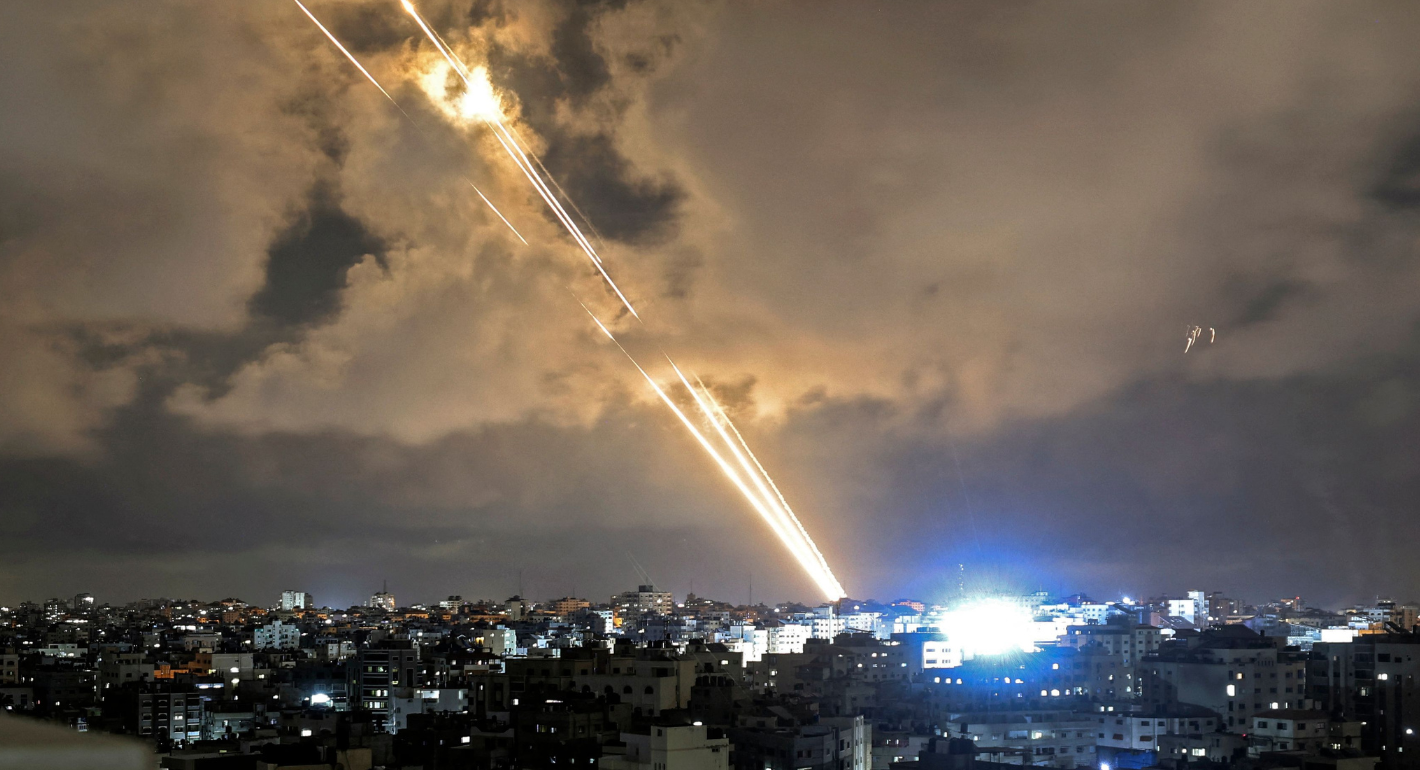
An Israeli response to Iran’s October 1 attack is imminent. The key question is of its intensity and potential fallout, both within Iran, in terms of nuclear security policy changes, and across the broader region. The coming days are likely to reshape West Asia irreversibly.

Gaddam Dharmendra

As India’s economy recovers from the coronavirus pandemic, Indian businesses need efficient financial structures to regain their ground. Key reforms to India’s Insolvency and Bankruptcy Code could fill these gaps.

Anirudh Burman

Access to cross-border data is an integral piece of the law enforcement puzzle. India is well placed to lead the discussions on international data agreements subject to undertaking necessary surveillance reforms.

Smriti Parsheera, Prateek Jha
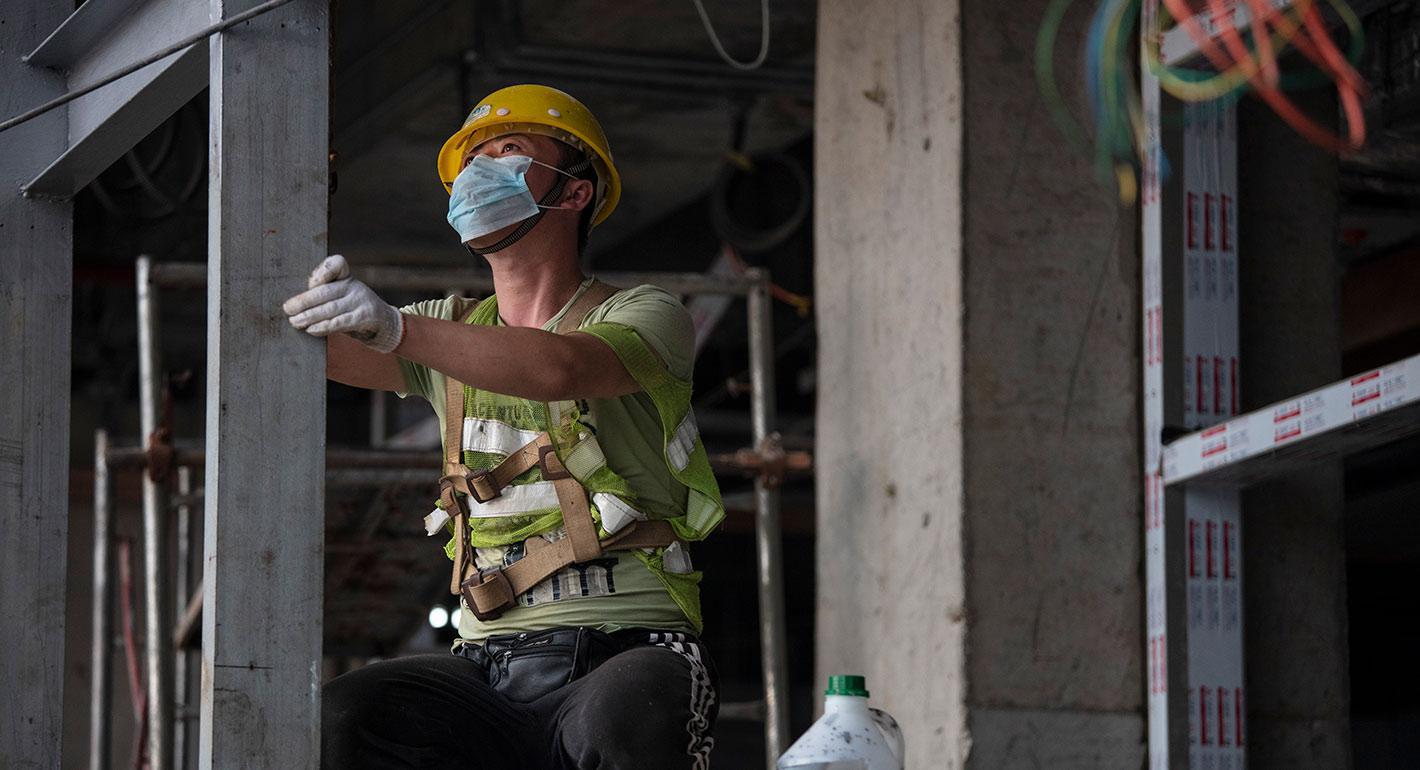
After the coronavirus pandemic wanes, how will China’s reorientation of the Belt and Road Initiative to address global health concerns influence its relationships with South Asian countries?

Deep Pal, Rahul Bhatia
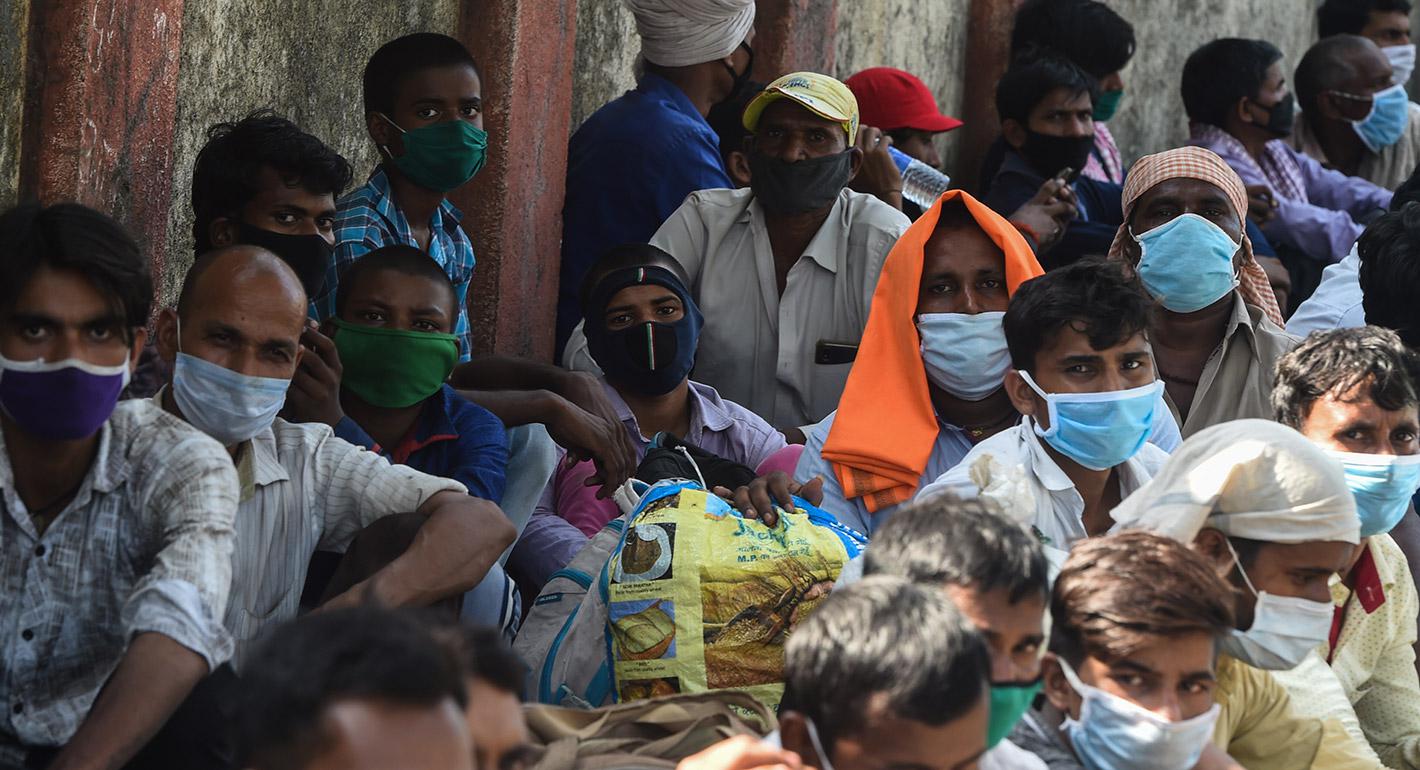
Early in the outbreak, government researchers forecast several high-risk scenarios that were downplayed or ignored in public messaging.
Gautam I. Menon