• Research
  • About
  • Experts
Carnegie India logoCarnegie lettermark logo
AI
{
  "authors": [],
  "type": "pressRelease",
  "centerAffiliationAll": "dc",
  "centers": [
    "Carnegie Endowment for International Peace"
  ],
  "collections": [],
  "englishNewsletterAll": "",
  "nonEnglishNewsletterAll": "",
  "primaryCenter": "Carnegie Endowment for International Peace",
  "programAffiliation": "DCG",
  "programs": [
    "Democracy, Conflict, and Governance"
  ],
  "projects": [],
  "regions": [
    "North America",
    "United States"
  ],
  "topics": [
    "Political Reform",
    "Democracy"
  ]
}
REQUIRED IMAGE

REQUIRED IMAGE

Press Release

Press Release: U.S. Democracy Promotion Efforts Damaged Under Bush Administration; Report Provides Next Steps for Successful, Renewed Policies

Link Copied
Published on Sep 5, 2007
WASHINGTON, Sept 5—Despite sweeping rhetoric about the global spread of democracy, the Bush Administration has significantly damaged U.S. democracy promotion efforts and increased the number of close ties with “friendly tyrants,” concludes a new report from the Carnegie Endowment for International Peace. Security interests, such as the war on terrorism, and U.S. energy needs have led the Bush Administration to maintain friendly, unchallenged relations with more than half of the 45 “non-free” countries in the world.

Carnegie Vice President for Studies Thomas Carothers argues in his new report, U.S. Democracy Promotion During and After Bush, that the main U.S. presidential candidates have voiced support for democracy promotion but not yet outlined plans to put it back on track. Carothers analyzes the Bush Administration’s record on democracy promotion and its effect on democracy worldwide, and then presents fresh ideas about the role democracy promotion can and should play in future U.S. policies.

 Key Report Conclusions and Recommendations:

  • Democracy promotion must be decontaminated from the negative taint it has acquired under President Bush by improving U.S. compliance with the rule of law in the war on terrorism, ending the close association of democracy promotion with military intervention and regime change, and reducing the inconsistency of U.S. democracy policy by exerting real pressure for change on some key autocratic partners, such as Pakistan and Egypt.

  • Democracy promotion must be repositioned in the war on terrorism. The idea that democratization will undercut the roots of terrorism is appealing but easily overstated. The next administration should deescalate rhetorical emphasis on democracy promotion as the centerpiece of the war on terrorism while escalating actual commitment to the issue in pivotal cases where supporting democratic change can help diminish growing radicalization.

  • U.S. democracy promotion must be recalibrated to account for larger changes in the international context. A host of ongoing developments, such as the rise of authoritarian capitalism, new trends in globalization, and the high price of oil and gas, have eroded the validity of a whole set of assumptions on which U.S. democracy promotion was built in the 1980s and 1990s. The next administration will need to respond in large and small ways, such as by drawing an explicit tie between energy policy and democracy policy, re-engaging internationally at the level of basic political ideas, reducing the America-centrism of U.S. democracy building efforts, and strengthening the core institutional sources of democracy assistance.

“More than ever, U.S. democracy promotion must square a daunting circle—it must embody strong elements of modesty, subtlety, and the awareness of limitations without losing the vitality, decisiveness, and creativity necessary for success,” the report concludes.

###

Notes:

  1. To download a copy of report, go to www.carnegieendowment.org/Democracy
    Direct link to the PDF: www.carnegieendowment.org/files/democracy_promotion_after_bush_final.pdf

  2. Thomas Carothers is vice president for studies-international politics and governance at the Carnegie Endowment for International Peace. A leading authority on democratization and democracy promotion, he has researched and worked on democracy-building programs around the world for 20 years with many U.S., European, and international organizations. He has written numerous books on democracy promotion including most recently Confronting the Weakest Link: Aiding Political Parties in New Democracies and Promoting the Rule of Law Abroad: In Search of Knowledge.

  3. To request an interview with Carothers, please contact Trent Perrotto, Communications Manager, +1 202/939-2372, tperrotto@ceip.org

  4. The Carnegie Endowment for International Peace is a private, nonprofit organization dedicated to advancing cooperation between nations and promoting active international engagement by the United States. Founded in 1910, its work is nonpartisan and dedicated to achieving practical results. The Endowment has added operations in Beijing, Beirut, and Brussels to its longstanding offices in Washington and Moscow as part of its transformation into the first global think tank.
Political ReformDemocracyNorth AmericaUnited States

Carnegie India does not take institutional positions on public policy issues; the views represented herein are those of the author(s) and do not necessarily reflect the views of Carnegie, its staff, or its trustees.

More Work from Carnegie India

  • Commentary
    India Signs the Pax Silica—A Counter to Pax Sinica?

    On the last day of the India AI Impact Summit, India signed Pax Silica, a U.S.-led declaration seemingly focused on semiconductors. While India’s accession to the same was not entirely unforeseen, becoming a signatory nation this quickly was not on the cards either.

      Konark Bhandari

  • Commentary
    The Impact of U.S. Sanctions and Tariffs on India’s Russian Oil Imports

    This piece examines India’s response to U.S. sanctions and tariffs, specifically assessing the immediate market consequences, such as alterations in import costs, and the broader strategic implications for India’s energy security and foreign policy orientation.

      Vrinda Sahai

  • Commentary
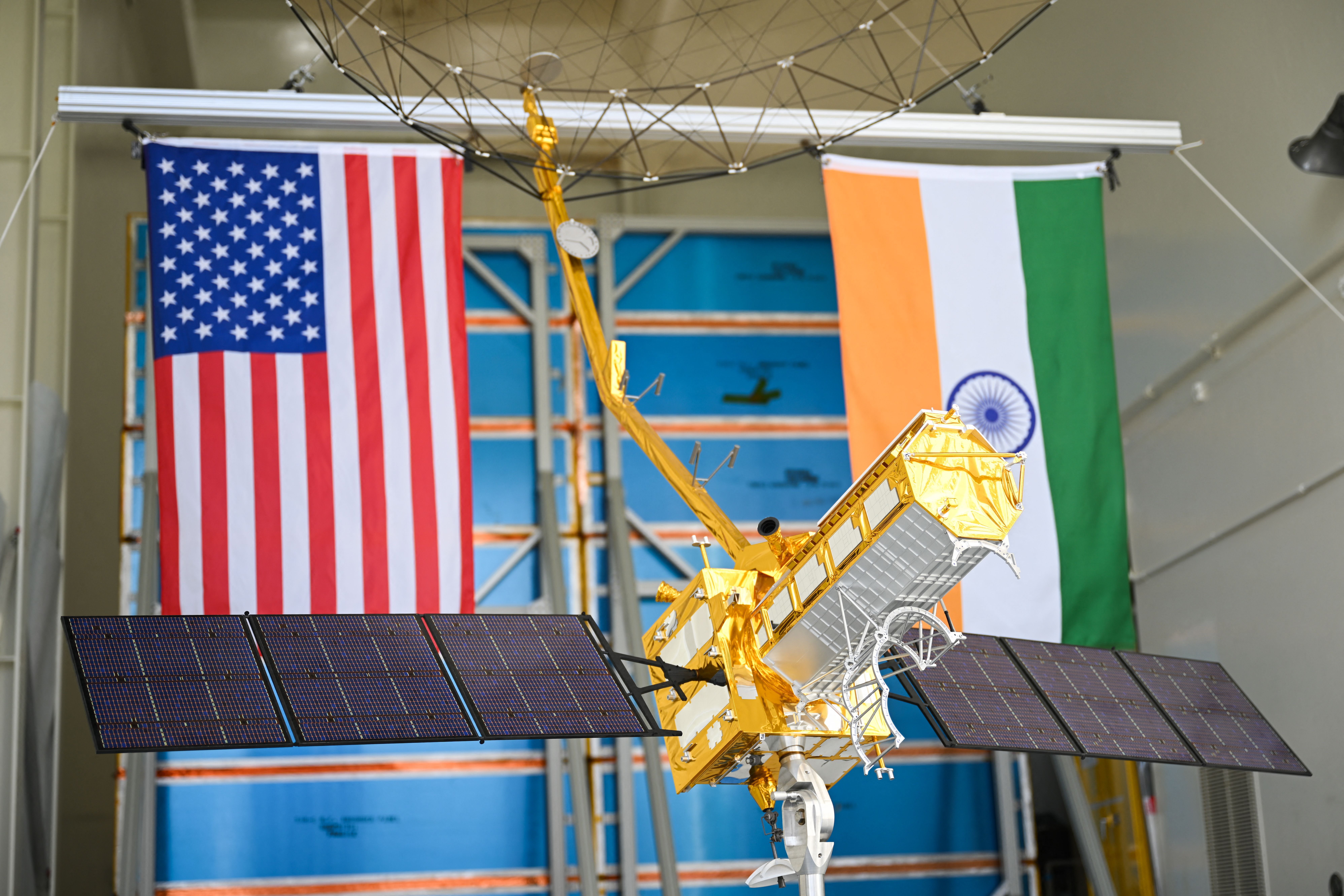
    NISAR Soars While India-U.S. Tariff Tensions Simmer

    On July 30, 2025, the United States announced 25 percent tariffs on Indian goods. While diplomatic tensions simmered on the trade front, a cosmic calm prevailed at the Sriharikota launch range. Officials from NASA and ISRO were preparing to launch an engineering marvel into space—the NASA-ISRO Synthetic Aperture Radar (NISAR), marking a significant milestone in the India-U.S. bilateral partnership.

      Tejas Bharadwaj

  • Commentary
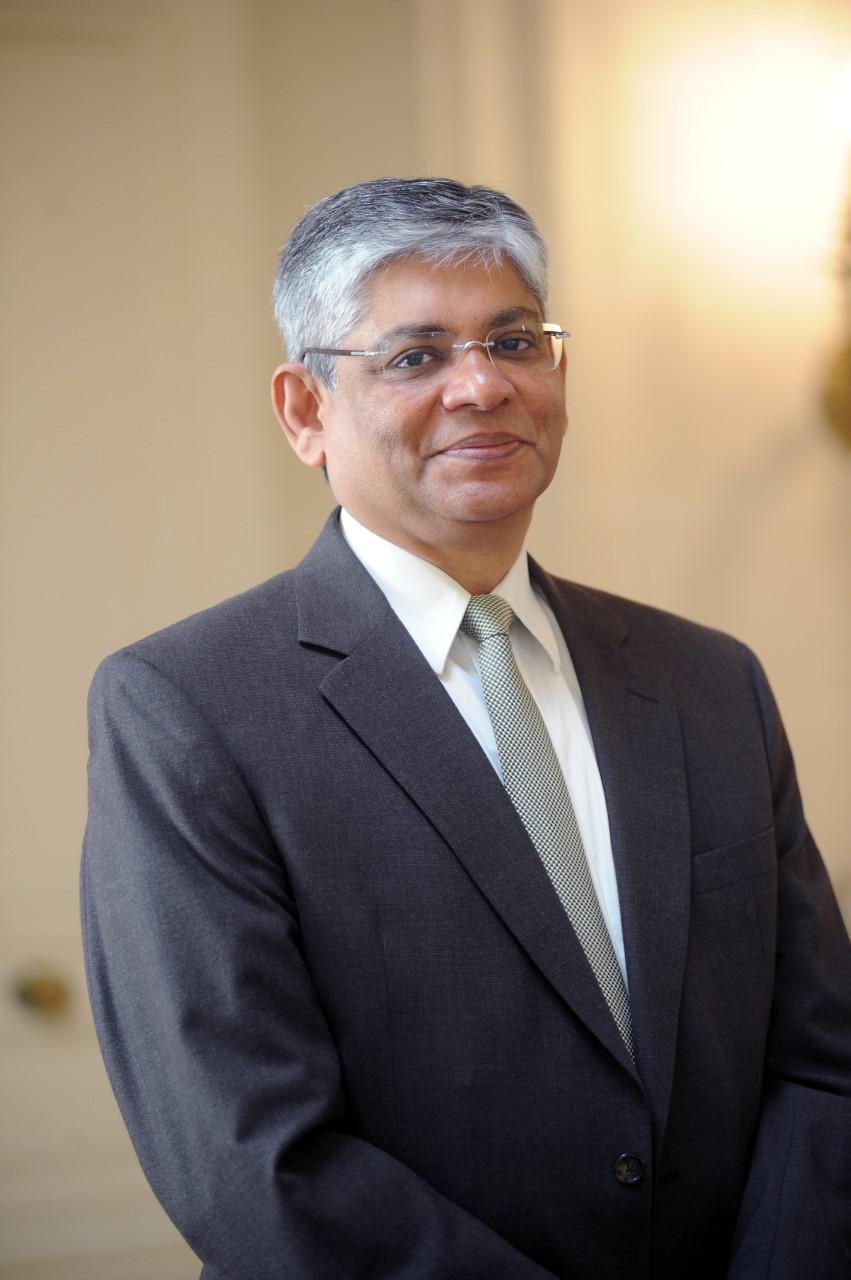
    TRUST and Tariffs

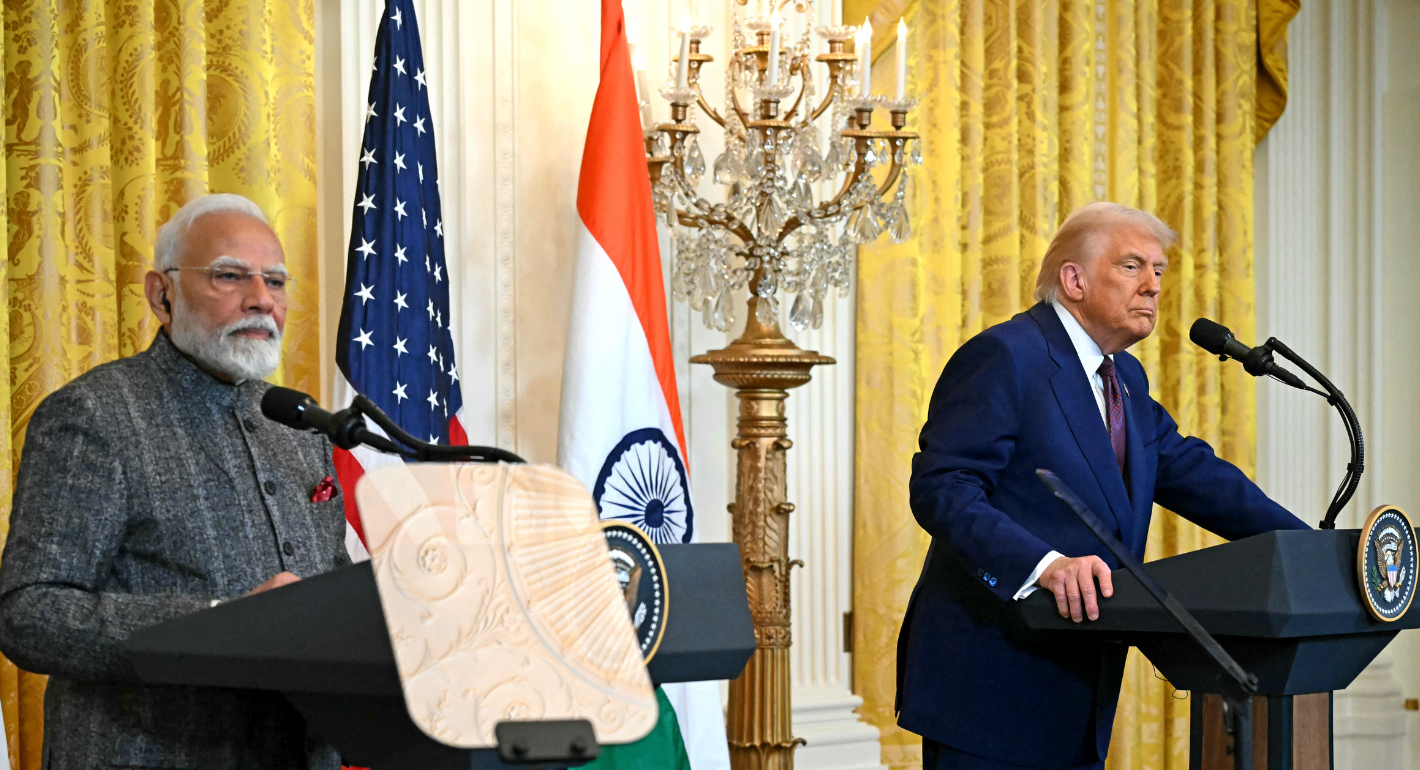
    The India-U.S. relationship currently appears buffeted between three “Ts”—TRUST, Tariffs, and Trump.

      Arun K. Singh

  • Commentary
    The India-U.S. TRUST Initiative: Advancing Semiconductor Supply Chain Cooperation

    As part of the TRUST initiative, leaders of the two countries committed to building trusted and resilient supply chains, including for semiconductors and critical minerals. India and the United States have made steady progress in this area over the years. This essay explores the takeaways from discussions on semiconductor supply chains that took place at Carnegie India’s 9th Global Technology Summit.

      Konark Bhandari

Get more news and analysis from
Carnegie India
Carnegie India logo, white
Unit C-4, 5, 6, EdenparkShaheed Jeet Singh MargNew Delhi – 110016, IndiaPhone: 011-40078687
  • Research
  • About
  • Experts
  • Projects
  • Events
  • Contact
  • Careers
  • Privacy
  • For Media
Get more news and analysis from
Carnegie India
© 2026 Carnegie Endowment for International Peace. All rights reserved.