

Article
Pierre Goldschmidt
{
  "authors": [
    "Pierre Goldschmidt"
  ],
  "type": "testimony",
  "centerAffiliationAll": "dc",
  "centers": [
    "Carnegie Endowment for International Peace"
  ],
  "collections": [],
  "englishNewsletterAll": "ctw",
  "nonEnglishNewsletterAll": "",
  "primaryCenter": "Carnegie Endowment for International Peace",
  "programAffiliation": "NPP",
  "programs": [
    "Nuclear Policy"
  ],
  "projects": [],
  "regions": [],
  "topics": [
    "Nuclear Policy"
  ]
}
Source: Getty
A revival of nuclear energy worldwide appears to be looming, but it will not take place overnight and now is the time to ensure that future nuclear expansion is as safe and secure as possible, said Pierre Goldschmidt, in testimony before the House Foreign Affairs Subcommittee on Terrorism, Nonproliferation, and Trade.
Source: Testimony before the House Foreign Affairs Subcommittee on Terrorism

The ability of the nonproliferation regime to prevent the further spread of nuclear weapons will only go as far as the relevant actors of the international community will permit. To strengthen the regime, according to Dr. Goldschmidt, it is the responsibility of the five nuclear-weapon-states, the International Atomic Energy Agency (IAEA), the UN Security Council, the Nuclear Suppliers Group (NSG), and all member states of which each of these organizations is comprised to take five preventive measures:
Among the practical and concrete measures suggested to reach these goals, Dr. Goldschmidt submitted to the House Subcommittee a draft of a generic UN Security Council resolution for dealing preventively with cases of non-compliance, a detailed proposal for the NSG to adopt criteria-based export conditions applicable to all non-NPT states, and a list of objective conditions under which supplier states could provide long-term generic export licenses for fuel reloads of electrical nuclear power plants.
Click on the PDF icons above to download Dr. Goldschmidt's written testimony and transcript.
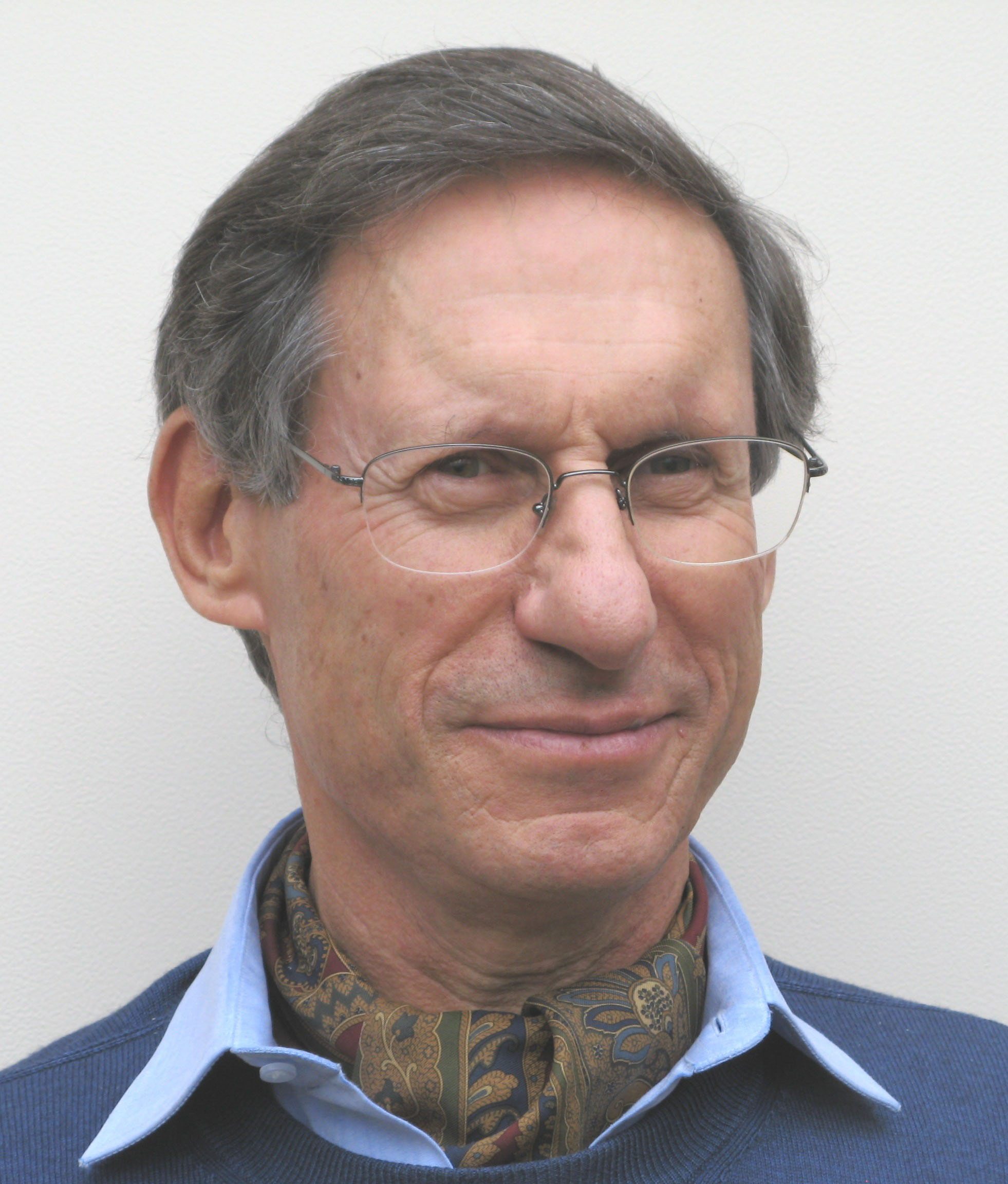
Former Nonresident Senior Associate, Nuclear Policy Program
Goldschmidt was a nonresident senior associate at the Carnegie Endowment.
Recent Work
Pierre Goldschmidt
Pierre Goldschmidt
Carnegie India does not take institutional positions on public policy issues; the views represented herein are those of the author(s) and do not necessarily reflect the views of Carnegie, its staff, or its trustees.

Asia’s two largest nuclear powers have never threatened each other with nuclear weapons. How much will the recent deadly border clashes between China and India change the security landscape?


Toby Dalton, Tong Zhao, Rukmani Gupta
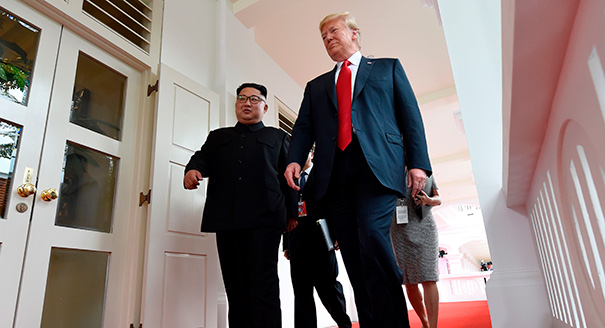
In the course of one morning in Singapore, U.S. President Donald Trump and the North Korean leader Kim Jong-un have begun to loosen a deeply entrenched and hostile relationship.
C. Raja Mohan
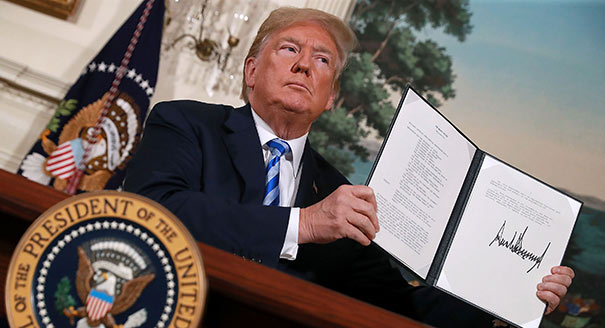
U.S. President Donald Trump’s decision to pull out of the Iran nuclear deal appears to have put regime change at the very center of the new American power play against Tehran.
C. Raja Mohan
The South Asian stalemate is likely to endure even as South and North Korea appear poised to turn the page.
C. Raja Mohan
While the Trump administration’s efforts to get tough on Pakistan face challenges and potential dangers, the change in stance signals a new political will to pursue previously untried measures which offer some hope of success.
C. Raja Mohan