

Commentary
Dmitri Trenin
{
  "authors": [
    "Dmitri Trenin"
  ],
  "type": "legacyinthemedia",
  "centerAffiliationAll": "",
  "centers": [
    "Carnegie Endowment for International Peace",
    "Carnegie Russia Eurasia Center"
  ],
  "collections": [],
  "englishNewsletterAll": "",
  "nonEnglishNewsletterAll": "",
  "primaryCenter": "Carnegie Russia Eurasia Center",
  "programAffiliation": "",
  "programs": [],
  "projects": [],
  "regions": [
    "Caucasus",
    "Russia"
  ],
  "topics": [
    "Foreign Policy"
  ]
}
Source: Getty
Russia’s aspirations for the next U.S. administration, although taken with a grain of salt, should not be treated as irrelevant. Ideally, from a Russian perspective, the next administration will act on the basis of U.S. interests and avoid unilateralism. Nevertheless, Russia does not seek to supplant the current U.S. system with a different one.
Source: The Washington Quarterly

Ideally, from a Russian perspective, the next administration will act on the basis of U.S. interests, avoiding slipping into the fundamentalism of democratic ayatollahs or the antiauthoritarian crusades of the new cold warriors. Although Russia does not want a hegemonic United States, it also does not seek to supplant the U.S. system with a different one; it merely wants to make sure that the United States stays within its borders and respects the legitimacy of other regimes.
Former Director, Carnegie Moscow Center
Trenin was director of the Carnegie Moscow Center from 2008 to early 2022.
Recent Work
Dmitri Trenin
Dmitri Trenin
Carnegie India does not take institutional positions on public policy issues; the views represented herein are those of the author(s) and do not necessarily reflect the views of Carnegie, its staff, or its trustees.

This piece examines India’s response to U.S. sanctions and tariffs, specifically assessing the immediate market consequences, such as alterations in import costs, and the broader strategic implications for India’s energy security and foreign policy orientation.

Vrinda Sahai
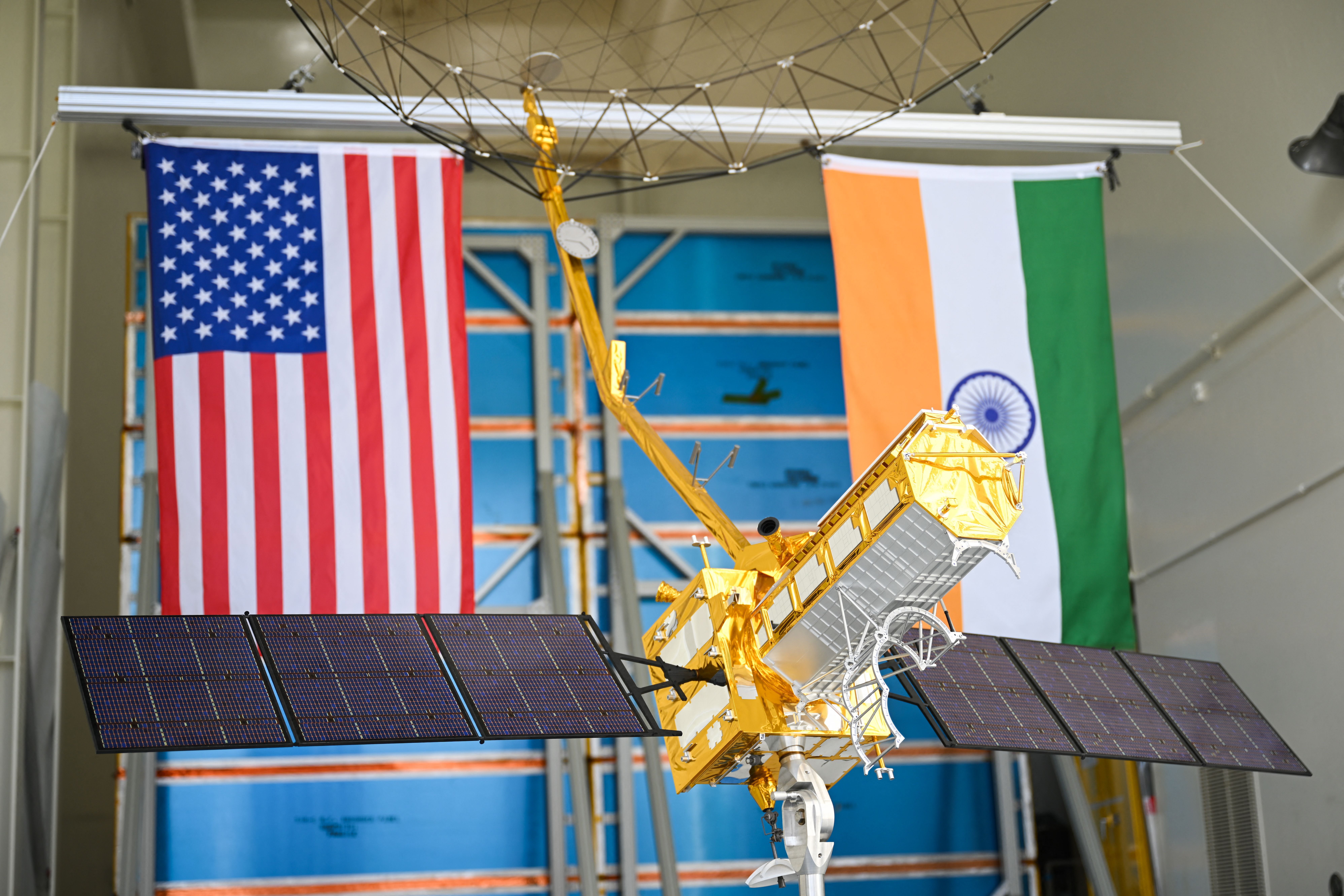
On July 30, 2025, the United States announced 25 percent tariffs on Indian goods. While diplomatic tensions simmered on the trade front, a cosmic calm prevailed at the Sriharikota launch range. Officials from NASA and ISRO were preparing to launch an engineering marvel into space—the NASA-ISRO Synthetic Aperture Radar (NISAR), marking a significant milestone in the India-U.S. bilateral partnership.

Tejas Bharadwaj
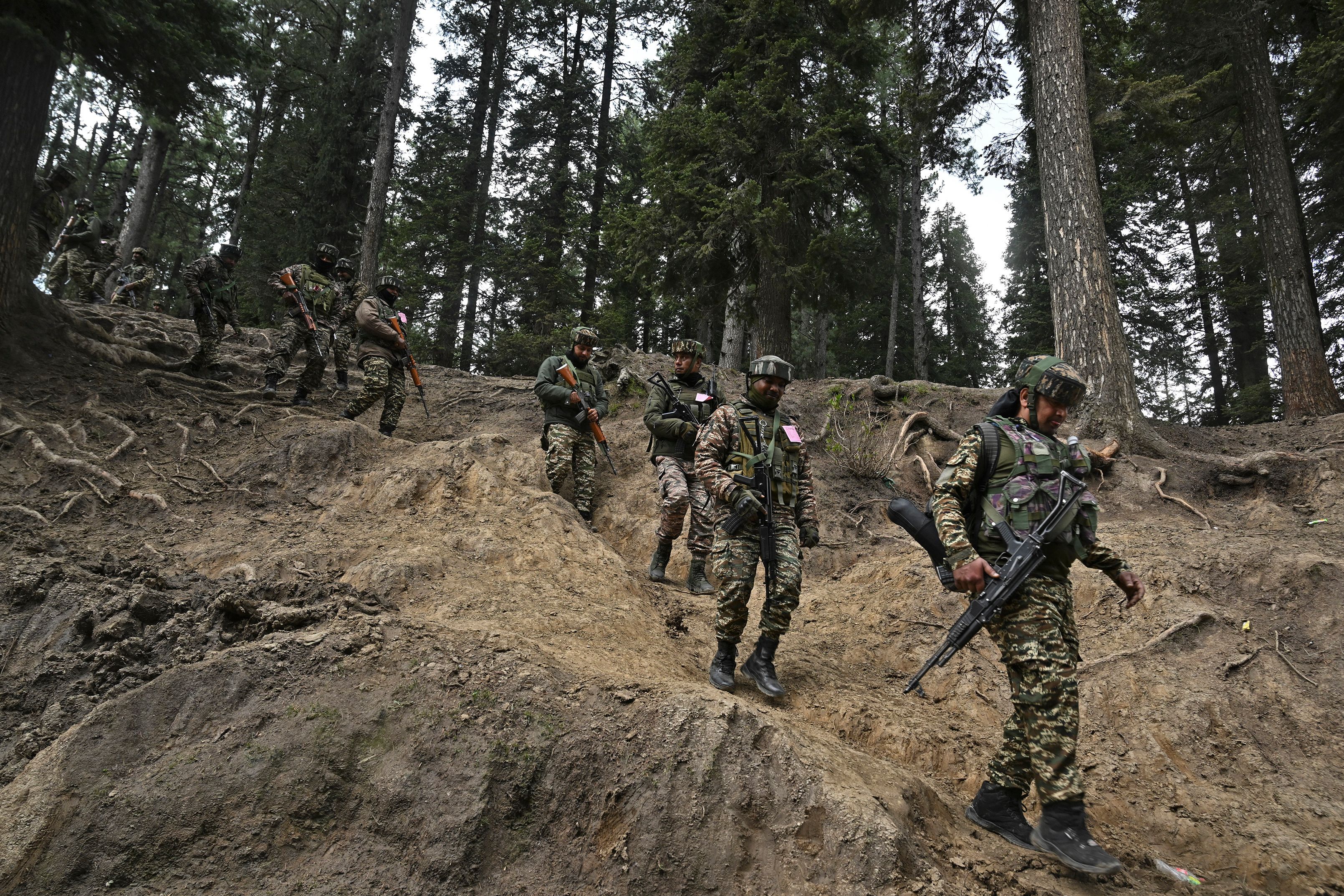
On May 7, 2025, between 1:05 and 1:30 a.m. (IST), airstrikes carried out by the Indian Air Force hit nine locations inside Pakistan and Pakistan occupied Kashmir (PoK). It was codenamed Operation Sindoor.
Rudra Chaudhuri

This compendium brings together three essays by scholars who participated in Carnegie India's Security Studies Dialogue in 2024, each examining a different aspect of China’s policies. Drawing on their expertise and research, the authors offer fresh perspectives on key geopolitical challenges.
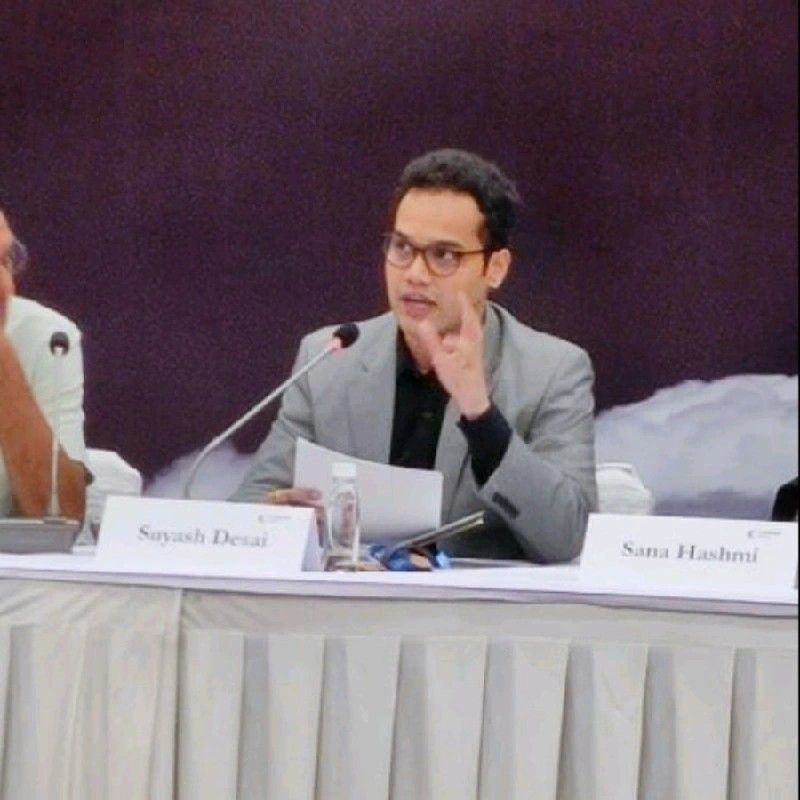
Vijay Gokhale, Suyash Desai, Amit Kumar, …

As part of the TRUST initiative, leaders of the two countries committed to building trusted and resilient supply chains, including for semiconductors and critical minerals. India and the United States have made steady progress in this area over the years. This essay explores the takeaways from discussions on semiconductor supply chains that took place at Carnegie India’s 9th Global Technology Summit.

Konark Bhandari