

Commentary
Nikolay Petrov
{
  "authors": [
    "Nikolay Petrov"
  ],
  "type": "legacyinthemedia",
  "centerAffiliationAll": "",
  "centers": [
    "Carnegie Endowment for International Peace",
    "Carnegie Russia Eurasia Center"
  ],
  "collections": [],
  "englishNewsletterAll": "",
  "nonEnglishNewsletterAll": "",
  "primaryCenter": "Carnegie Russia Eurasia Center",
  "programAffiliation": "",
  "programs": [],
  "projects": [],
  "regions": [
    "Caucasus",
    "Russia"
  ],
  "topics": []
}
Source: Getty
Medevdev’s recent visits to the Far East reflect Russia’s geopolitical interests: to strengthen its presence in the Arctic and Asian-Pacific Rim. The visit also focused attention on the region’s economic and depopulation woes. While Medvedev’s response to the problems contrasts sharply with Putin’s optimistic statements, it remains to be seen whether Medvedev can provide a better cure.
Source: The Moscow Times

Tellingly, Medvedev said in Chukotka that the Far East represents Russia's geopolitical interests "in a concentrated form," even though it is a tangle of economic, social and demographic problems. The gist of those interests and the overall motivation for Medvedev's tour are clear: Russia needs to strengthen its presence in the Arctic -- the theme of the Security Council's latest meeting -- and, in a larger sense, its foreign policy and geopolitical interests in the Asian-Pacific Rim.
Federal authorities have long focused on the problems of depopulation and the depressed economy in the Far East. As president, Vladimir Putin visited the area several times. Among the ambitious plans for the Far East are creating a special zone in the Magadan region, setting up a wide-scale decriminalization program and preparing Vladivostok to host the APEC in 2012. There were, however, two new elements introduced in Medvedev's trip. The first was his focus on problems in individual regions, not only in the Far East as a whole. The second was Medvedev's sharp rebuke of regional centers for failing to achieve results on existing projects. Back in 2006, the Security Council decided to work out a strategy for the social and economic development of the Far East and the Buryat and Irkutsk regions through 2025. However, the government still lacks a final version of its strategy for the Far East, even though a deadline for presenting it has passed.
Medvedev has traveled through the regions before, notably during his presidential campaign early this year. Although the trips were billed as working visits by the then-first deputy prime minister, they were clearly aimed at winning votes. The tone of last week's tour was markedly different. Medvedev relentlessly showed his impatience toward inactive or ineffective officials in Moscow and the regions, including businesspeople who complained about the economic and bureaucratic difficulties they face. The degree of Medvedev's dissatisfaction grew as the trip progressed. He made his harshest remarks during a meeting in Petropavlovsk-Kamchatsky. Asked about his overall impressions of the trip, he said, "On one hand -- beauty, and on the other -- squalor. Unique natural resources on one hand, and a depressing, heavy -- call it whatever you want -- extremely undeveloped economic system."
Among Medvedev's more constructive remarks were his mention of the need for an individualized approach to each region, for government leaders in Moscow to work directly with governors, for transportation infrastructure to be modernized and for workers to be attracted to the Far East from other regions and countries.
Medvedev's tone contrasted sharply with Prime Minister Putin's confident and optimistic statements at the Sochi economic forum. It would seem logical for them to trade places. The sharp-talking Putin, who as president dealt extensively with the Far East but, as Medvedev discovered, had little success, played no role in Medvedev's tour. The question now is whether Medvedev's diagnosis of the Far East's ills will be met with an appropriate cure, or if it will be limited to an emotional outburst.
This comment first appeared in The Moscow Times
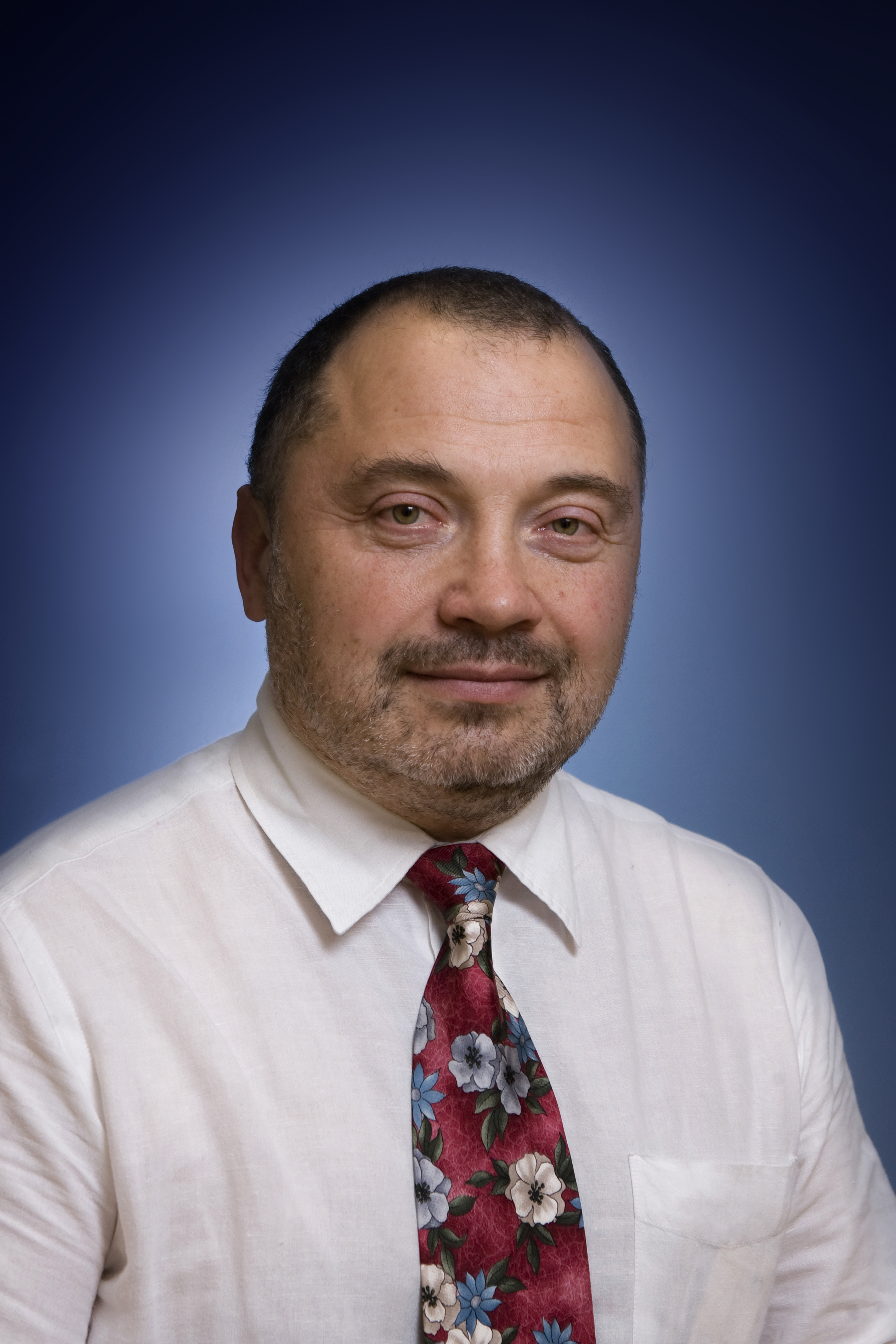
Former Scholar-in-Residence, Society and Regions Program, Moscow Center
Nikolay Petrov was the chair of the Carnegie Moscow Center’s Society and Regions Program. Until 2006, he also worked at the Institute of Geography at the Russian Academy of Sciences, where he started to work in 1982.
Recent Work
Nikolay Petrov
Nikolay Petrov

This piece argues that India’s central challenge is not managing a single flashpoint but resolving the underlying tension between expansion and institutional coherency of the BRICS grouping.

Vrinda Sahai
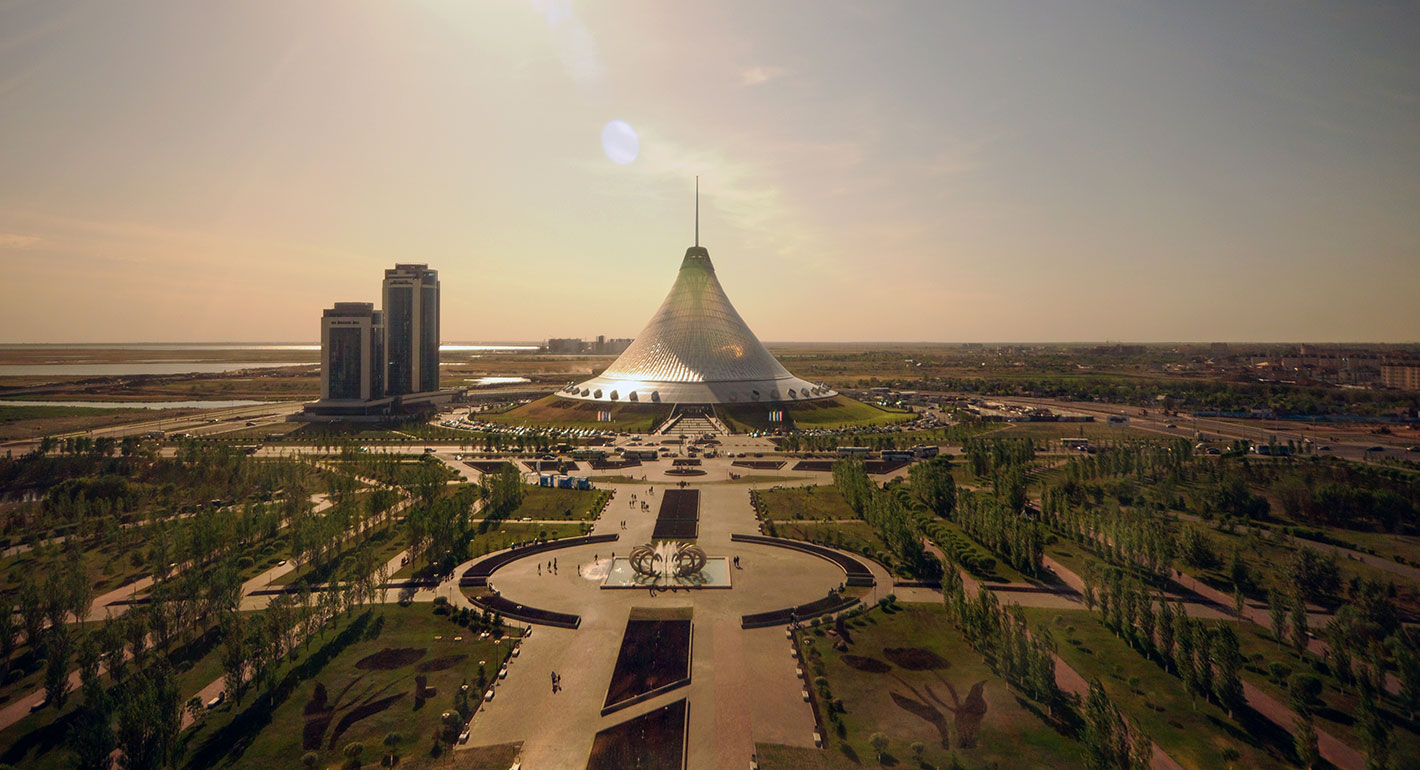
With contributors from various Central Asian nations and beyond, this issue of Seminar provides a selection of perspectives about the past, present, and future trajectory of Central Asia, and the growing role of external actors, particularly India, China, Russia, and the EU in this evolving and dynamic space.
Rhea Menon, Sharanya Rajiv, 64592
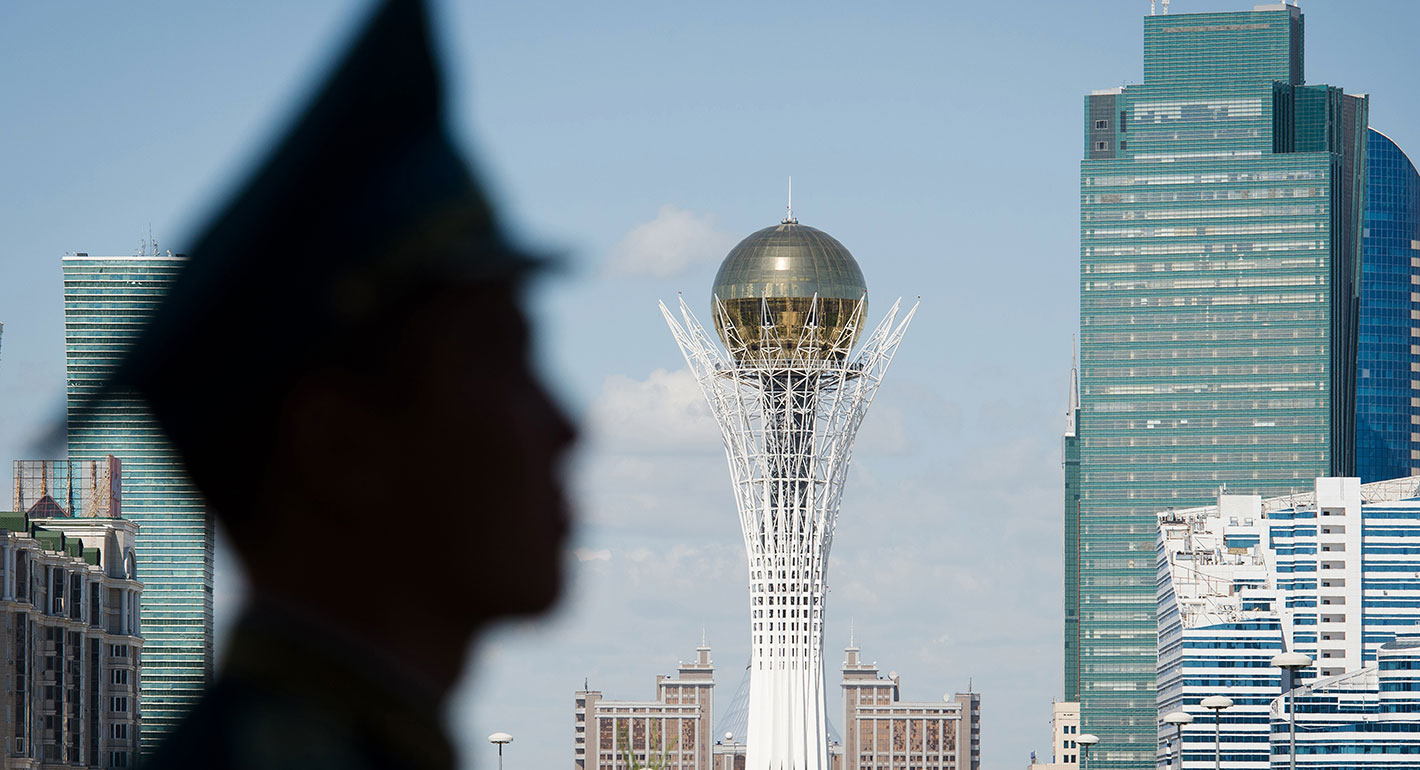
The rise of China as an economic powerhouse in Asia, along with rapid globalization, has brought Central Asia back in the limelight as a bridge connecting the established markets of the West with the emerging markets of the East.
Rhea Menon, Sharanya Rajiv
The special and privileged strategic partnership between India and Russia now spans across both Eurasia and the Indo-Pacific.
Sharanya Rajiv, 64592
The rejigging of the political relations between the United States, China, and Russia might present New Delhi with fleeting strategic opportunities that need to be seized quickly.
C. Raja Mohan