

Paper
Ariel (Eli) Levite, Toby Dalton
{
  "authors": [
    "Ariel (Eli) Levite"
  ],
  "type": "legacyinthemedia",
  "centerAffiliationAll": "dc",
  "centers": [
    "Carnegie Endowment for International Peace"
  ],
  "collections": [
    "U.S. Nuclear Policy"
  ],
  "englishNewsletterAll": "ctw",
  "nonEnglishNewsletterAll": "",
  "primaryCenter": "Carnegie Endowment for International Peace",
  "programAffiliation": "NPP",
  "programs": [
    "Nuclear Policy"
  ],
  "projects": [],
  "regions": [
    "North America",
    "United States"
  ],
  "topics": [
    "Nuclear Policy",
    "Nuclear Energy"
  ]
}
Source: Getty
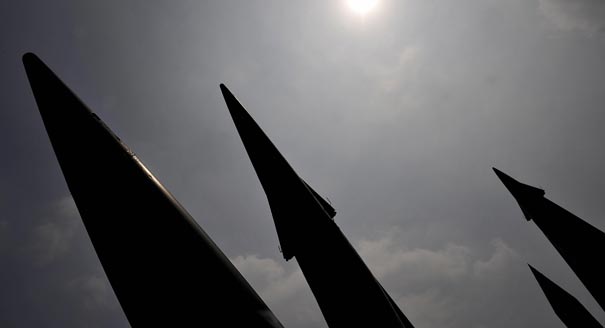
The roots of the nuclear order's unraveling can be traced to four distinct factors that have evolved over the last six decades: weaknesses in the original NPT formula, changes in the global distribution of power, nuclear weapons technology proliferation, and complacency with the current regime.
Source: Ifri Security Studies Center Proliferation Paper No. 24

The paper further analyzes what could precipitate a new nuclear age around 2010. Levite argues that such a "fourth nuclear age" would likely be characterized by either a nuclear anarchy, which he believes has become the default option, or a more benign nuclear order manifested by lower numbers of weapons and stringent controls and restrictions on remaining nuclear arsenals and activities. He concludes by considering the more pressing requirements for regaining nuclear stability.
Click here for other Proliferation Papers published by the Institut Français des Relations Internationales' (Ifri) Security Studies Center.

Senior Fellow, Nuclear Policy Program, Technology and International Affairs Program
Levite was the principal deputy director general for policy at the Israeli Atomic Energy Commission from 2002 to 2007.
Recent Work

Ariel (Eli) Levite, Toby Dalton
Ariel (Eli) Levite, Toby Dalton
Carnegie India does not take institutional positions on public policy issues; the views represented herein are those of the author(s) and do not necessarily reflect the views of Carnegie, its staff, or its trustees.

How is AI reshaping space security, creating governance challenges, and where does international diplomacy stand today?


Tejas Bharadwaj, Almudena Azcárate Ortega

The U.S.–India semiconductor cooperation story is well-stocked with top-level strategic intent. What remains unresolved, however, are some underlying challenges that will determine whether the cooperation actually functions. Three such friction points stand out.

Shruti Mittal
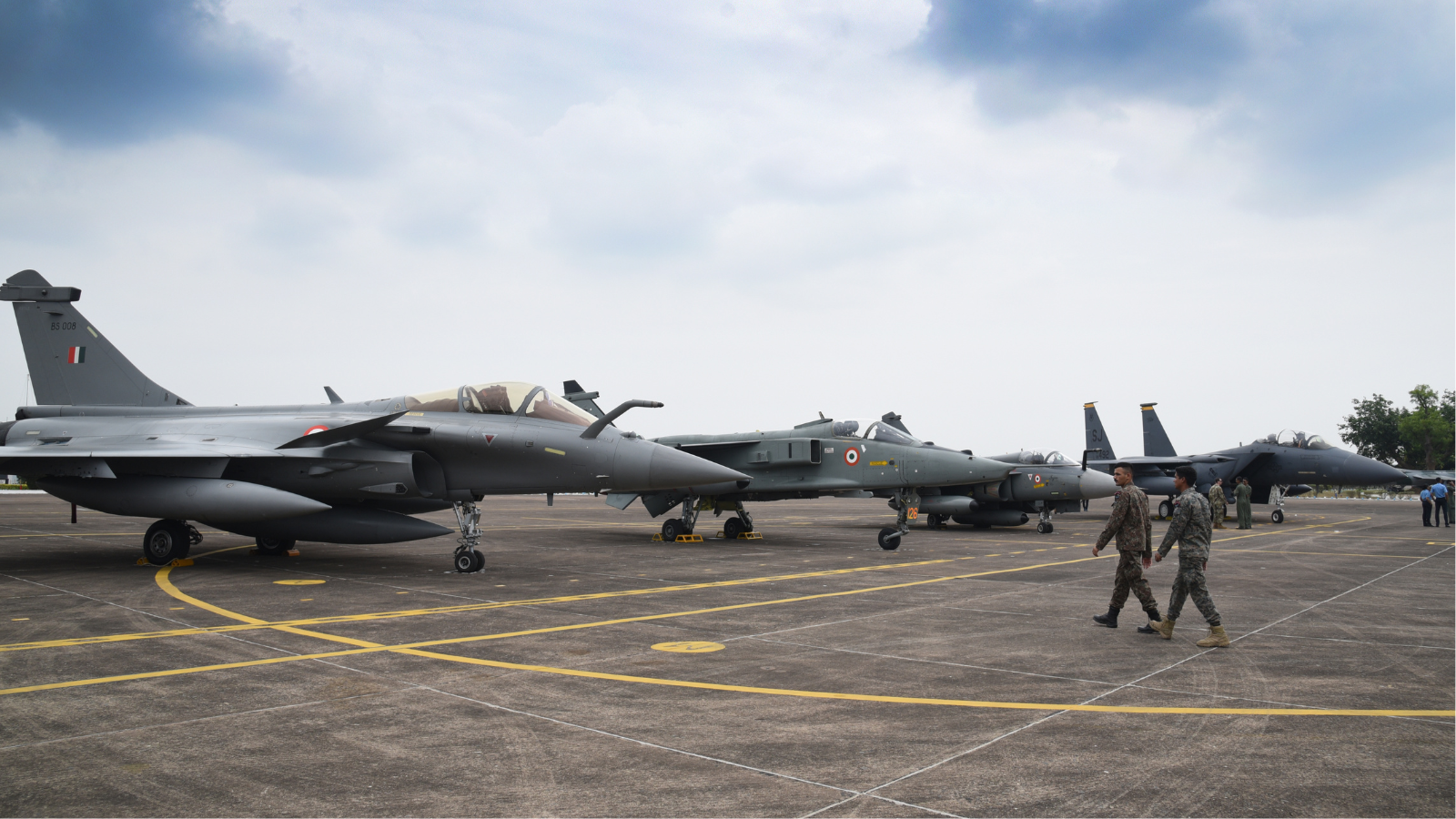
India and the United States are close to concluding a Reciprocal Defense Procurement Agreement (RDPA) that will allow firms from the two countries to sell to each other’s defense establishments more easily. While this may not remedy the specific grievances both sides may have regarding larger bilateral issues, an RDPA could restore some momentum, following the trade deal announcement.

Konark Bhandari

On the last day of the India AI Impact Summit, India signed Pax Silica, a U.S.-led declaration seemingly focused on semiconductors. While India’s accession to the same was not entirely unforeseen, becoming a signatory nation this quickly was not on the cards either.
Konark Bhandari

This piece examines India’s response to U.S. sanctions and tariffs, specifically assessing the immediate market consequences, such as alterations in import costs, and the broader strategic implications for India’s energy security and foreign policy orientation.

Vrinda Sahai