

Article
Amr Hamzawy
{
  "authors": [
    "Amr Hamzawy"
  ],
  "type": "legacyinthemedia",
  "centerAffiliationAll": "dc",
  "centers": [
    "Carnegie Endowment for International Peace"
  ],
  "collections": [],
  "englishNewsletterAll": "menaTransitions",
  "nonEnglishNewsletterAll": "",
  "primaryCenter": "Carnegie Endowment for International Peace",
  "programAffiliation": "MEP",
  "programs": [
    "Middle East"
  ],
  "projects": [],
  "regions": [
    "Middle East",
    "Israel",
    "Palestine"
  ],
  "topics": [
    "Political Reform"
  ]
}
Source: Getty
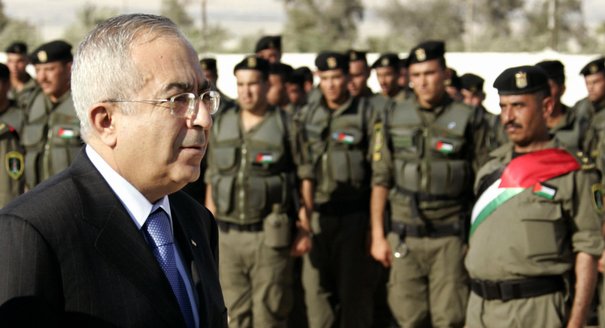
Setting aside all personal grievances, it is time that the Palestinians, once and for all, pick a path, be it peaceful negotiations or armed resistance.
Source: Al Ahram Weekly

At a time when Israel is relentlessly unleashing excessive force against residential buildings, schools, hospitals, mosques and other civilian structures and when the toll of dead and wounded among the Palestinian civilian population is mounting drastically, the great powers do little but issue feeble appeals for a ceasefire and continue to plod through their diplomatic charades. As expected, there was Rice defying all international covenants and principles parroting the Israeli pretext of Hamas "terrorism" and missile fire. Nor did it come as a surprise that there was not the slightest outcry from Western capitals at Israeli Foreign Minister Tzipi Livni's claim, delivered with consummate smugness, that her country was defending "the values of the free world" from the flood of Palestinian terrorism. The so-called "free world" to which Livni referred is the world of the strong in which justice is the fruit of their monopoly on the sources of power and influence, and legitimacy is the right to deprive the weak of their rights in the service of the acquisition of the sources of power and influence. The world has some very fine instruments to regulate international relations and safeguard human rights; however, these are forever being abused by the strong, in part because, as a whole, they still fall short of forming a solid legal corpus binding upon all nations and people.
As the history of the 20th century and events of the last few wretched years testify, the Palestinians are one of the most oppressed and persecuted peoples in the world. Theirs is an uninterrupted story of suffering and deprivation of the rights of self-determination and a dignified life since the creation of the state of Israel in 1948 and through the Israeli occupation of the West Bank and Gaza. But no one in the Arab world or abroad has the right to strip them of their last remaining cardinal right, which is the right to self- defence and to resist the occupation with all possible strategies and means. Yet, the crucial question to the Palestinian resistance has always been and remains the nature of these means and strategies. Which of the available options are to be preferred and to what ends? Over the course of its many phases, the Palestinian national movement has relinquished the dream of the total liberation of the whole of historic Palestine and now accepts the goal of establishing an independent state on the West Bank and Gaza. It has also shifted from the creed of armed resistance to the preference for peaceful negotiations with international or regional mediators.
Despite the fact that all the developments that have taken place since Israel and the Palestine Liberation Organisation signed the Oslo Accords in 1993 demonstrate beyond a shadow of doubt how futile the negotiating option has been (it has failed to produce a Palestinian state and failed to halt Israeli settlement expansion, the continued growth of which pushes the prospects of a Palestinian state further out of reach), it nevertheless remains valid and, indeed, necessary, to consider the pros and cons of both the peaceful and militant options in order to set the strategic compass for Palestinian action. In fact, in view of the considerable change that Hamas's perseverance in armed resistance and rejecting negotiations have brought to internal Palestinian equations, to the extent of separating the track of the West Bank from that of Gaza, and considering the enormous price being borne by Palestinian civilians as a consequence of the Hamas style of resistance with its limited returns in the face of the Israeli military machine at a time of generally unfavourable regional and international circumstances, it becomes an even greater imperative to examine the requirements, conditions and prospects of armed resistance compared to those of the negotiating option.
Weighing these two options against one another is the crux of the Palestinian cause today and resolving the dilemma is incumbent upon all Palestinian factions and upon Hamas and Fatah above all. For this reason, the factions must give immediate priority to a serious strategic dialogue, without preconditions and with the aim of coming to a decision, binding upon all, either in favour of the negotiating option with all its slippery elusiveness or in favour of armed resistance with its appallingly heavy price. After having made their decision they should bring it to a popular referendum preparatory to uniting Palestinian ranks. Then they will be able to address the Arab world and the rest of the world on the basis of the option they have chosen and prepare to sustain its consequences. Until the Palestinians realise true national unity, and until they set their strategic compass, their cause will continue as it had over the past years, wavering in grey areas without negotiations openly supported by the people towards the creation of a state on the West Bank and Gaza, and without a proper armed resistance that utilises all capacities of the Palestinian people towards the goal of emancipation and liberation.

Director, Middle East Program
Amr Hamzawy is a senior fellow and the director of the Carnegie Middle East Program. His research and writings focus on Egypt’s and other middle powers’ involvement in regional security in the Middle East, particularly through collective diplomacy and multilateral conflict resolution
Recent Work
Amr Hamzawy


Amr Hamzawy, Andrew Leber, Eric Lob, …
Carnegie India does not take institutional positions on public policy issues; the views represented herein are those of the author(s) and do not necessarily reflect the views of Carnegie, its staff, or its trustees.
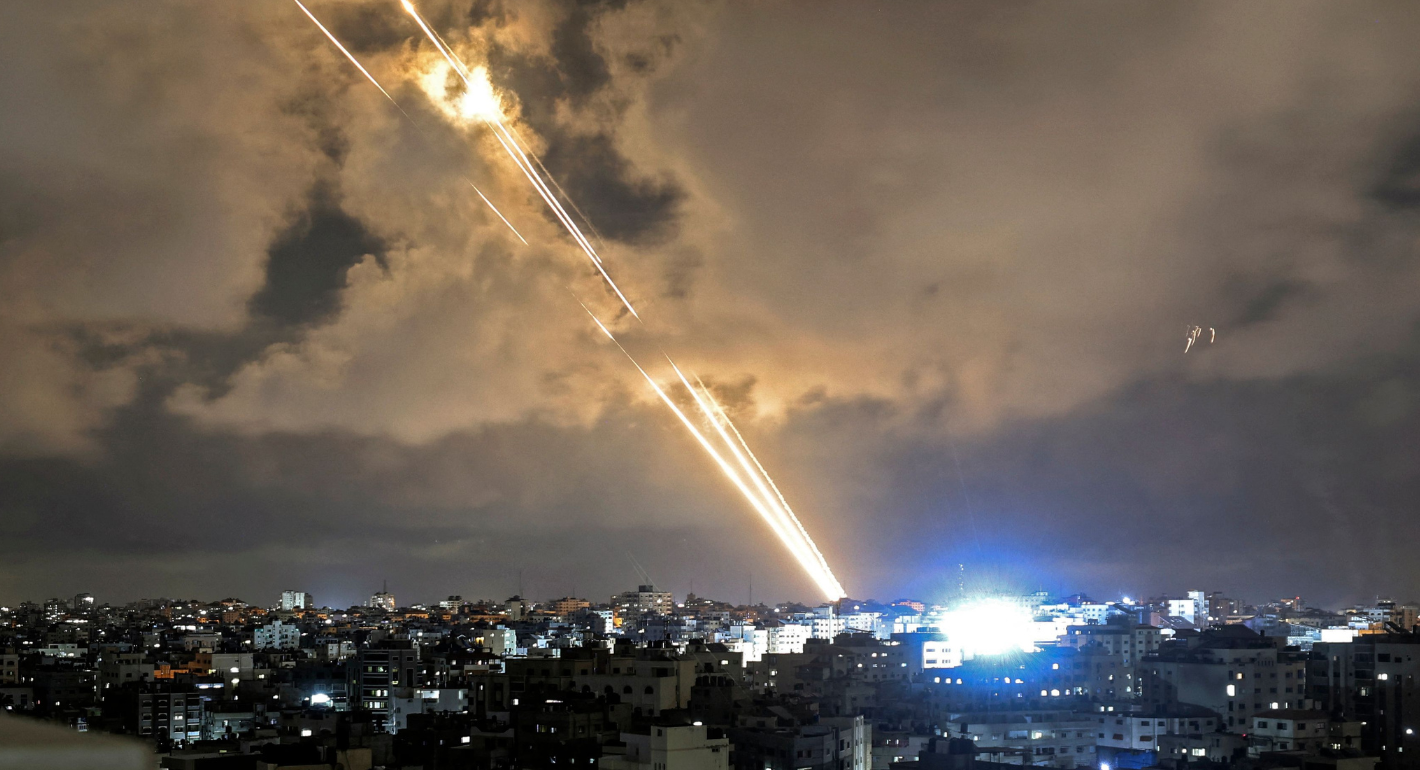
An Israeli response to Iran’s October 1 attack is imminent. The key question is of its intensity and potential fallout, both within Iran, in terms of nuclear security policy changes, and across the broader region. The coming days are likely to reshape West Asia irreversibly.
Gaddam Dharmendra

As India’s economy recovers from the coronavirus pandemic, Indian businesses need efficient financial structures to regain their ground. Key reforms to India’s Insolvency and Bankruptcy Code could fill these gaps.

Anirudh Burman

Access to cross-border data is an integral piece of the law enforcement puzzle. India is well placed to lead the discussions on international data agreements subject to undertaking necessary surveillance reforms.

Smriti Parsheera, Prateek Jha
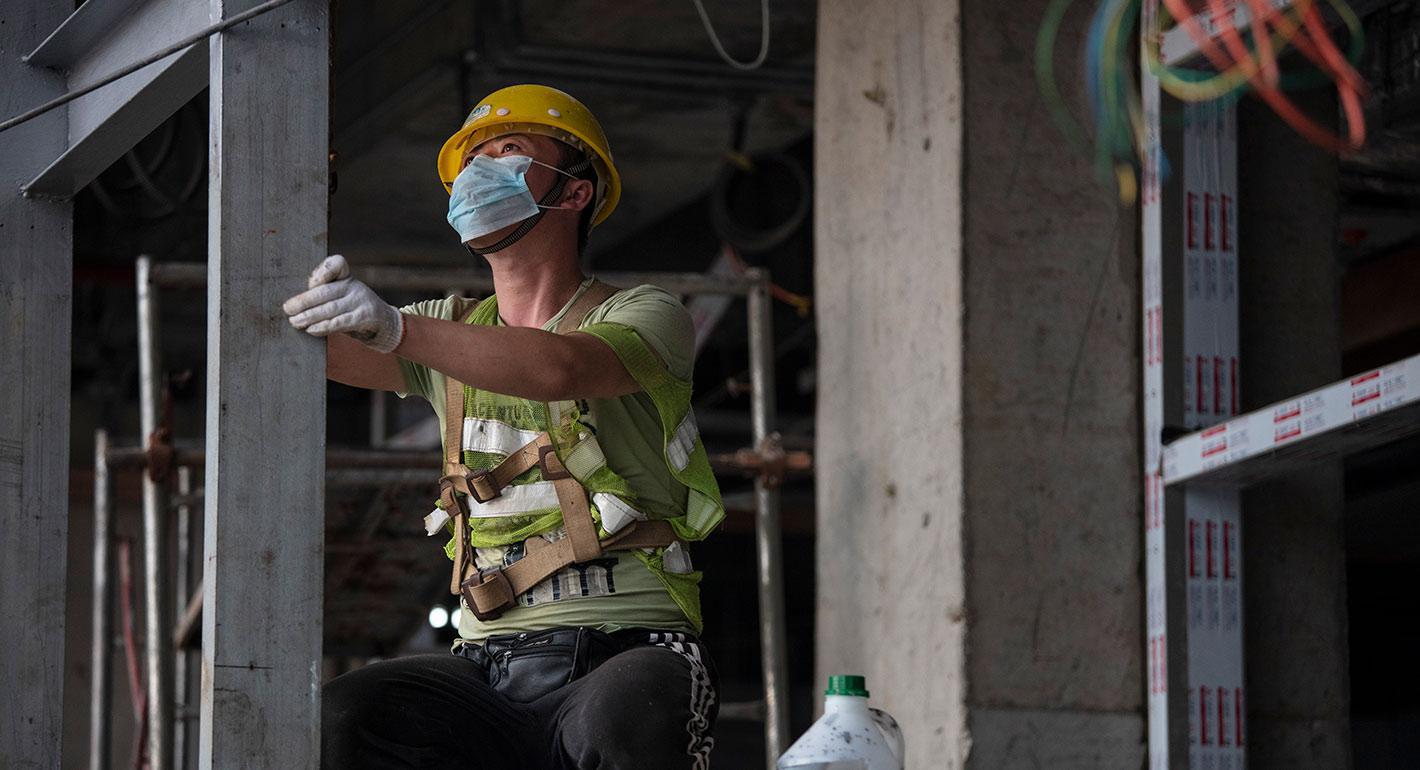
After the coronavirus pandemic wanes, how will China’s reorientation of the Belt and Road Initiative to address global health concerns influence its relationships with South Asian countries?

Deep Pal, Rahul Bhatia
Early in the outbreak, government researchers forecast several high-risk scenarios that were downplayed or ignored in public messaging.
Gautam I. Menon