

Paper
Sven Behrendt
{
  "authors": [
    "Sven Behrendt"
  ],
  "type": "other",
  "centerAffiliationAll": "dc",
  "centers": [
    "Carnegie Endowment for International Peace",
    "Malcolm H. Kerr Carnegie Middle East Center"
  ],
  "collections": [],
  "englishNewsletterAll": "menaTransitions",
  "nonEnglishNewsletterAll": "",
  "primaryCenter": "Malcolm H. Kerr Carnegie Middle East Center",
  "programAffiliation": "MEP",
  "programs": [
    "Middle East"
  ],
  "projects": [],
  "regions": [
    "Kuwait",
    "Qatar",
    "Saudi Arabia",
    "United Arab Emirates",
    "Gulf"
  ],
  "topics": [
    "Economy"
  ]
}
Source: Getty
As the global economic crisis deepens, Arab Sovereign Wealth Funds can overcome the concern many foreign governments harbor about accepting investment money from them by providing greater transparency about their holdings and investment strategies.
Despite the severity of the global economic crisis, many governments are still nervous about accepting investment by Arab Sovereign Wealth Funds (SWFs) despite their potential to provide urgently needed liquidity. Greater transparency about their holdings and investment strategies would help SWFs to overcome these concerns and to play a role in resolving the economic crisis, concludes a new policy outlook from the Carnegie Middle East Center.
Key conclusions:
Sven Behrendt concludes:
“The uncertainty surrounding Arab SWFs has increased the political and regulatory risk premium for all sovereign foreign investors. It has also complicated efforts to address the global financial crisis. It is therefore in the individual interest of SWFs as well as in the interest of the global community at large to shift gears on the issues of transparency and disclosure.”

Former Visiting Scholar, Middle East Center
Behrendt is an expert in global issues, international negotiations, conflict resolution, and corporate strategy. He previously served at the World Economic Forum in various management positions.
Recent Work
Sven Behrendt
Sven Behrendt
Carnegie India does not take institutional positions on public policy issues; the views represented herein are those of the author(s) and do not necessarily reflect the views of Carnegie, its staff, or its trustees.

On March 10, 2026, India’s Union Cabinet approved amendments to Press Note 3, a regulation that mandated government approval on all foreign direct investment (FDI) from countries sharing a land border with India. This amendment raises questions primarily about whether its stated benefits will materialize and if the risks have been adequately weighed. This piece will address the same.

Konark Bhandari

This piece examines India’s response to U.S. sanctions and tariffs, specifically assessing the immediate market consequences, such as alterations in import costs, and the broader strategic implications for India’s energy security and foreign policy orientation.

Vrinda Sahai

This paper examines the evolution of India-China economic ties from 2005 to 2025. It explores the impact of global events, bilateral political ties, and domestic policies on distinct spheres of the economic relationship.

Santosh Pai
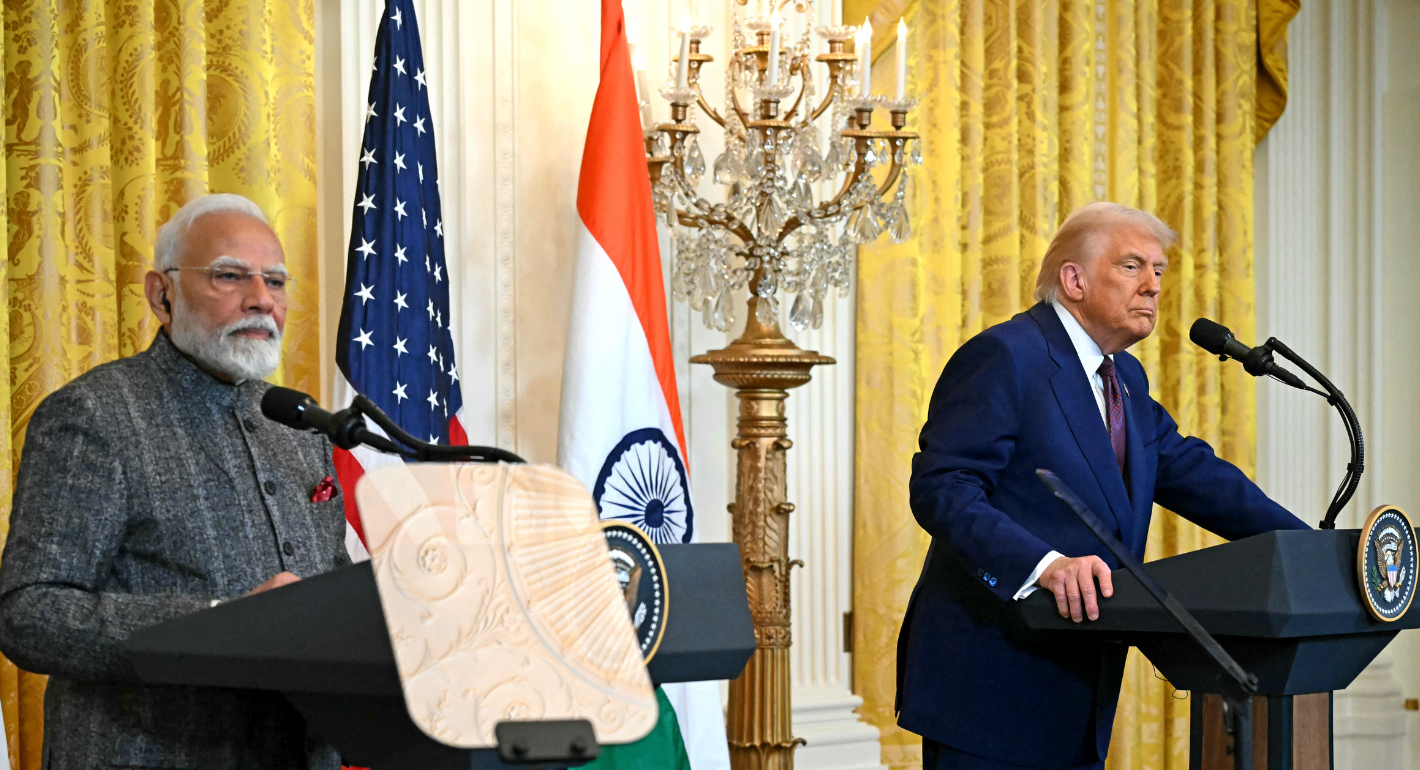
The India-U.S. relationship currently appears buffeted between three “Ts”—TRUST, Tariffs, and Trump.
Arun K. Singh
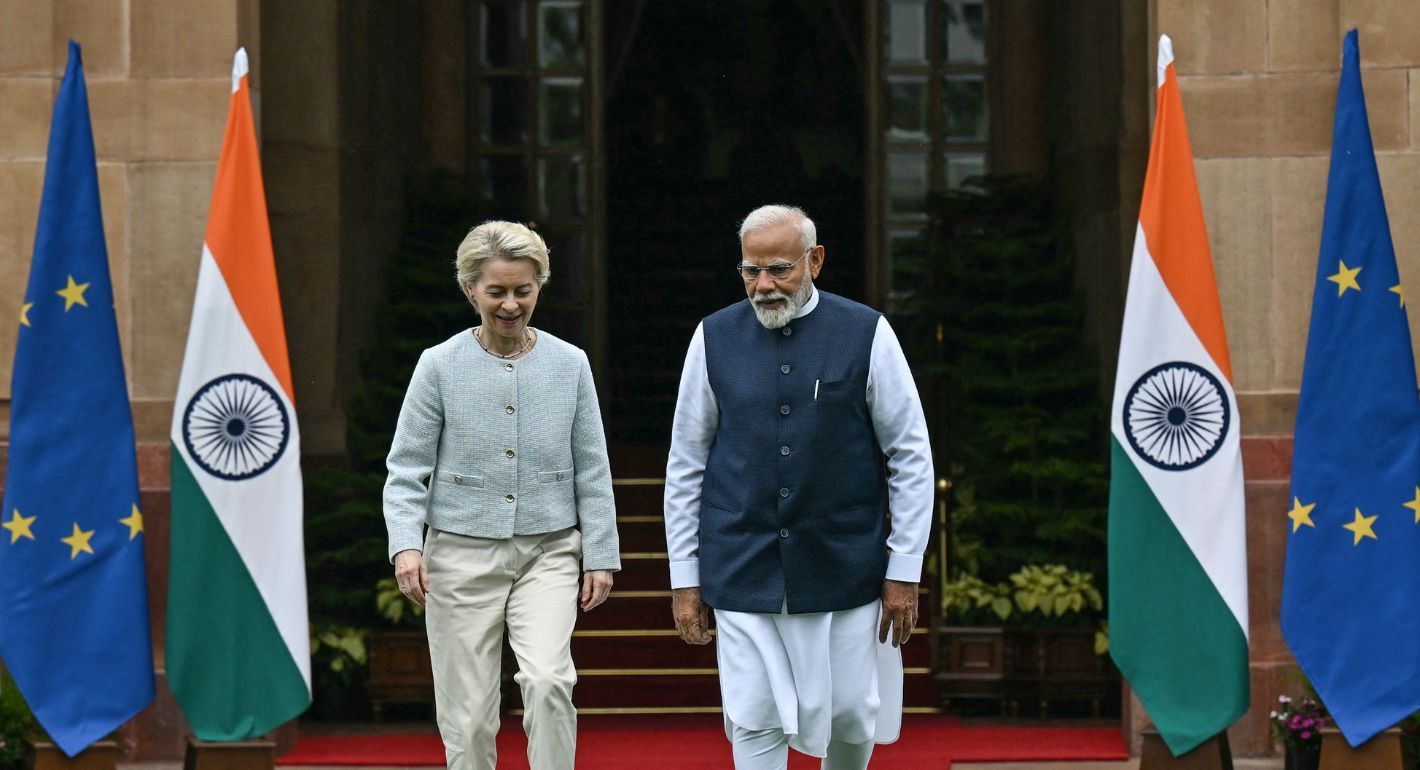
This article argues that the geopolitical circumstances have never been more conducive, not merely for the early conclusion of the free trade agreement (FTA) between India and the EU, but also for crafting a substantive and comprehensive strategic partnership.
Mohan Kumar