

Article
This piece argues that India’s central challenge is not managing a single flashpoint but resolving the underlying tension between expansion and institutional coherency of the BRICS grouping.
Vrinda Sahai
{
  "authors": [],
  "type": "pressRelease",
  "centerAffiliationAll": "dc",
  "centers": [
    "Carnegie Endowment for International Peace"
  ],
  "collections": [
    "U.S. Nuclear Policy"
  ],
  "englishNewsletterAll": "ctw",
  "nonEnglishNewsletterAll": "",
  "primaryCenter": "Carnegie Endowment for International Peace",
  "programAffiliation": "NPP",
  "programs": [
    "Nuclear Policy"
  ],
  "projects": [],
  "regions": [
    "United States",
    "China",
    "Russia",
    "United Kingdom",
    "France"
  ],
  "topics": [
    "Nuclear Policy"
  ]
}
REQUIRED IMAGE
All NPT states agreed in 2000 to lay out a practical path toward nuclear disarmament—the 13 Steps. Are these still the right steps? How far have we come?
WASHINGTON, May 8—As North Korea prepares for another nuclear test and Iran continues to install centrifuges to enrich uranium, the Nuclear Non-Proliferation Treaty (NPT) needs shoring up more than ever. Delegates are meeting in New York now to prepare for the next review of the landmark treaty in 2010. A topic that will certainly be on the agenda is the “13 Practical Steps” toward nuclear disarmament.
All NPT states agreed in 2000 to lay out a practical path toward nuclear disarmament—the 13 Steps. Are these still the right steps? How far have we come? In a new paper, Sharon Squassoni assesses the progress of the declared nuclear-weapon states (United States, Russia, China, France, and the United Kingdom) on the steps, and recommends measures to breathe new life into the 13 Steps or a similar package.
Recommendations:
Squassoni concludes:
“The nuclear disarmament process must necessarily go above and beyond the NPT, particularly since there are now four states outside the regime. Yet it must also travel through the NPT, since nonproliferation is a sine qua non of disarmament. It is therefore essential that all states take the disarmament discussions seriously within the treaty review process, with an eye toward a safer world.”
###
NOTES
Carnegie India does not take institutional positions on public policy issues; the views represented herein are those of the author(s) and do not necessarily reflect the views of Carnegie, its staff, or its trustees.

This piece argues that India’s central challenge is not managing a single flashpoint but resolving the underlying tension between expansion and institutional coherency of the BRICS grouping.

Vrinda Sahai

The U.S.–India semiconductor cooperation story is well-stocked with top-level strategic intent. What remains unresolved, however, are some underlying challenges that will determine whether the cooperation actually functions. Three such friction points stand out.

Shruti Mittal
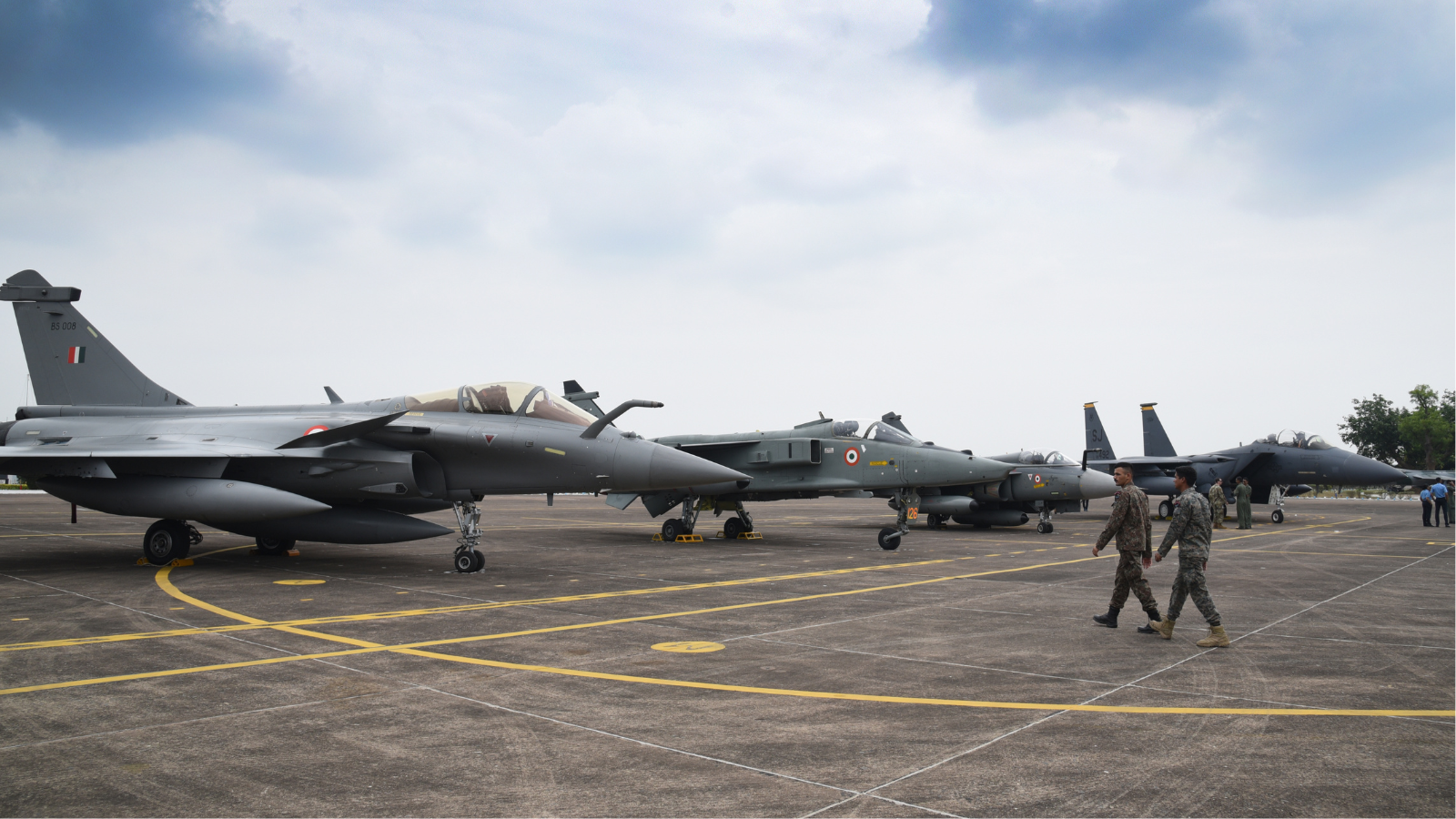
India and the United States are close to concluding a Reciprocal Defense Procurement Agreement (RDPA) that will allow firms from the two countries to sell to each other’s defense establishments more easily. While this may not remedy the specific grievances both sides may have regarding larger bilateral issues, an RDPA could restore some momentum, following the trade deal announcement.

Konark Bhandari

On the last day of the India AI Impact Summit, India signed Pax Silica, a U.S.-led declaration seemingly focused on semiconductors. While India’s accession to the same was not entirely unforeseen, becoming a signatory nation this quickly was not on the cards either.
Konark Bhandari

This piece examines India’s response to U.S. sanctions and tariffs, specifically assessing the immediate market consequences, such as alterations in import costs, and the broader strategic implications for India’s energy security and foreign policy orientation.
Vrinda Sahai