• Research
  • About
  • Experts
Carnegie India logoCarnegie lettermark logo
Technology
{
  "authors": [
    "Nikolay Petrov"
  ],
  "type": "legacyinthemedia",
  "centerAffiliationAll": "",
  "centers": [
    "Carnegie Endowment for International Peace",
    "Carnegie Russia Eurasia Center"
  ],
  "collections": [],
  "englishNewsletterAll": "",
  "nonEnglishNewsletterAll": "",
  "primaryCenter": "Carnegie Russia Eurasia Center",
  "programAffiliation": "",
  "programs": [],
  "projects": [],
  "regions": [
    "Caucasus",
    "Russia"
  ],
  "topics": [
    "Political Reform"
  ]
}
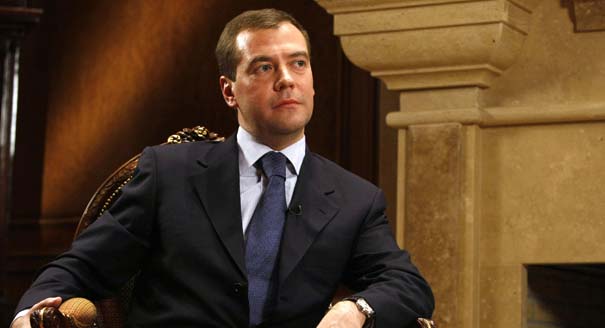
Source: Getty

In The Media
Carnegie Russia Eurasia Center

The Medvedev Show

From Putin’s staged call-in show to Medvedev’s "citizens vs. officials" program, Russia’s virtual politics provides only the illusion of government transparency and improvement.

Link Copied
By Nikolay Petrov
Published on Aug 18, 2009

Source: The Moscow Times

The Medvedev ShowFollowing Vladimir Putin’s departure from the presidency, the government has seen more changes to its image than to its essence — and the changes have been very noticeable.

As president, Putin put on a series of staged call-in shows that promised to provide citizens with a direct line to the president. By the end of his presidency, the annual televised shows had broken their own records for the number of questions sent in (2.5 million, or one for every 50 Russian citizens) and the number of questions answered by the president (dozens).

President Dmitry Medvedev, however, has not been able to manage a similar line of communication with the people, even with the careful selection of participants and the prior agreement of questions. So Medvedev has not followed in the path of his more telegenic and smooth predecessor with the call-in shows. 
Another type of show was created for Medvedev — gatherings of citizens for meetings heavily laden with regional officials. This is a tasteless show that could be titled “The Benevolent Tsar and the Unruly Noblemen” and involves the public flogging of poorly performing officials. Designed for cheap popularity, the show repeats a provincial recipe for simple populism that was used by governors like Ulyanovsk’s Yury Goryachev during the era of President Boris Yeltsin. Now that’s a novel example of the Kremlin borrowing an innovative idea from the regions!
 
As part of this show, Medvedev called on seemingly random citizens at televised gatherings in mid-July in order to solve their problems and reproach negligent governors. In the Far East, he ordered the construction of pedestrian bridges over streets. In a Bryansk town, he ordered the acceleration of the completion of a water supply system. In a Rostov farm, he demanded the installation of a gas system. Here is a typical example of his rhetoric: “Watch how they build it now. If anything goes wrong, tell us and we will send the officials present at this meeting out with shovels and make them build the pedestrian bridges themselves.”
 
With the introduction of this show and other new forms of virtual politics, the Kremlin is suffering a crisis in a more traditional form of virtual reality — its web site. No regular weekly reports about contacts between Medvedev and the public have been posted on the president’s official web site since November 2008. The first in six months appeared in late July, when the presidential administration introduced a new head for its department of public communications.
  
Medvedev’s blog recently provided a good example of the effectiveness of his personal dialog with the public. As it happened, a Saratov resident wrote a complaint to Medvedev but, in old bureaucratic tradition, the letter was not passed to the president but to the very regional bureaucrats about whom he was complaining. The bureaucrats reacted by suggesting that the man quit his job on his own volition. The resident resigned but wrote about the situation on Medvedev’s blog and gave an interview to Ren-TV television. Immediately, Saratov’s governor stepped in and, among other things, restored the man to his job. The story, however, did not end without the firing of at least one person — the governor dismissed the head of his department of public communications.
 
What is the conclusion from all this? As long as the government attempts to solve the country’s problems through virtual politics, there will be no improvement in the real situation, which will in fact only get worse.
 
This comment first appeared in The Moscow Times
Nikolay Petrov
Former Scholar-in-Residence, Society and Regions Program, Moscow Center
Nikolay Petrov
Political ReformCaucasusRussia

Carnegie India does not take institutional positions on public policy issues; the views represented herein are those of the author(s) and do not necessarily reflect the views of Carnegie, its staff, or its trustees.

More Work from Carnegie India

  • Paper
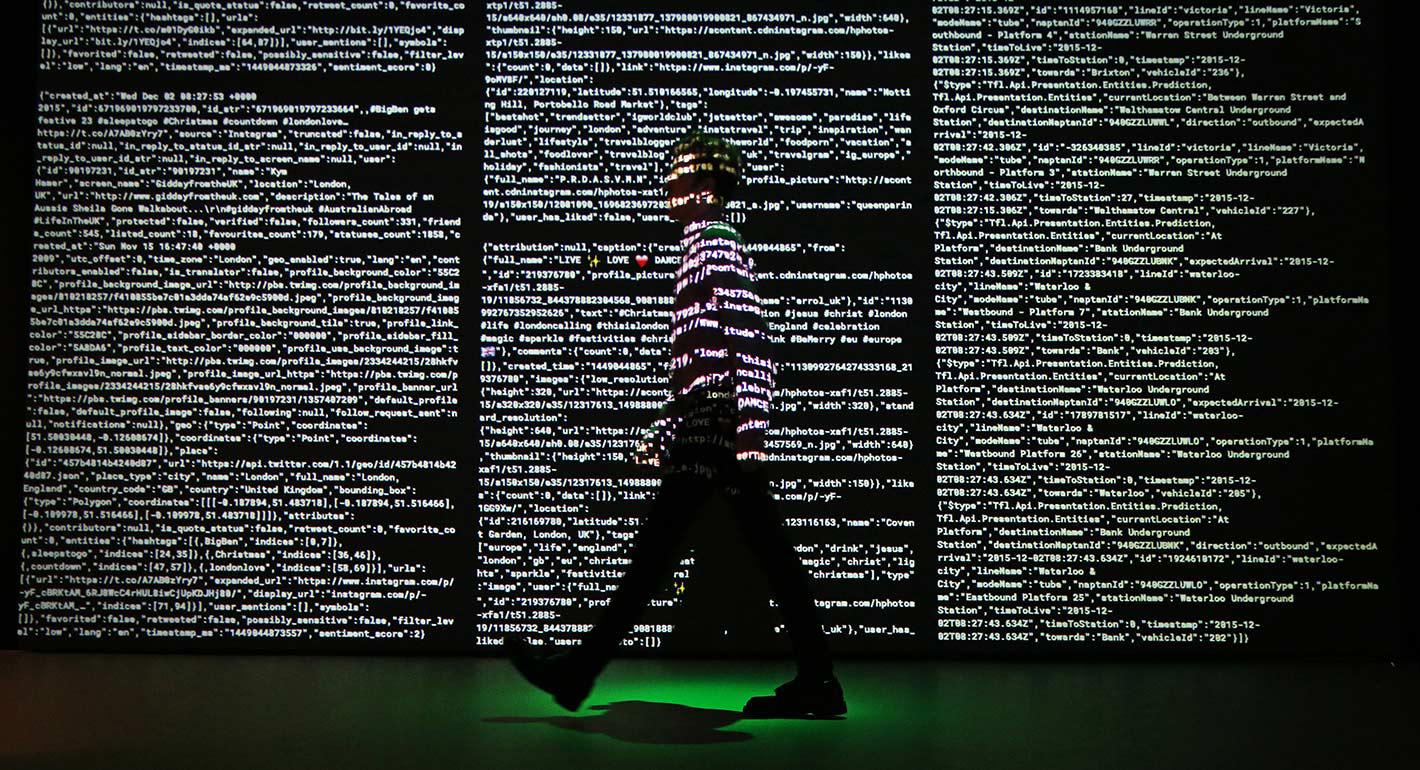
    India’s Sustained Economic Recovery Will Require Changes to Its Bankruptcy Law

    As India’s economy recovers from the coronavirus pandemic, Indian businesses need efficient financial structures to regain their ground. Key reforms to India’s Insolvency and Bankruptcy Code could fill these gaps.
      Anirudh Burman
  • Paper
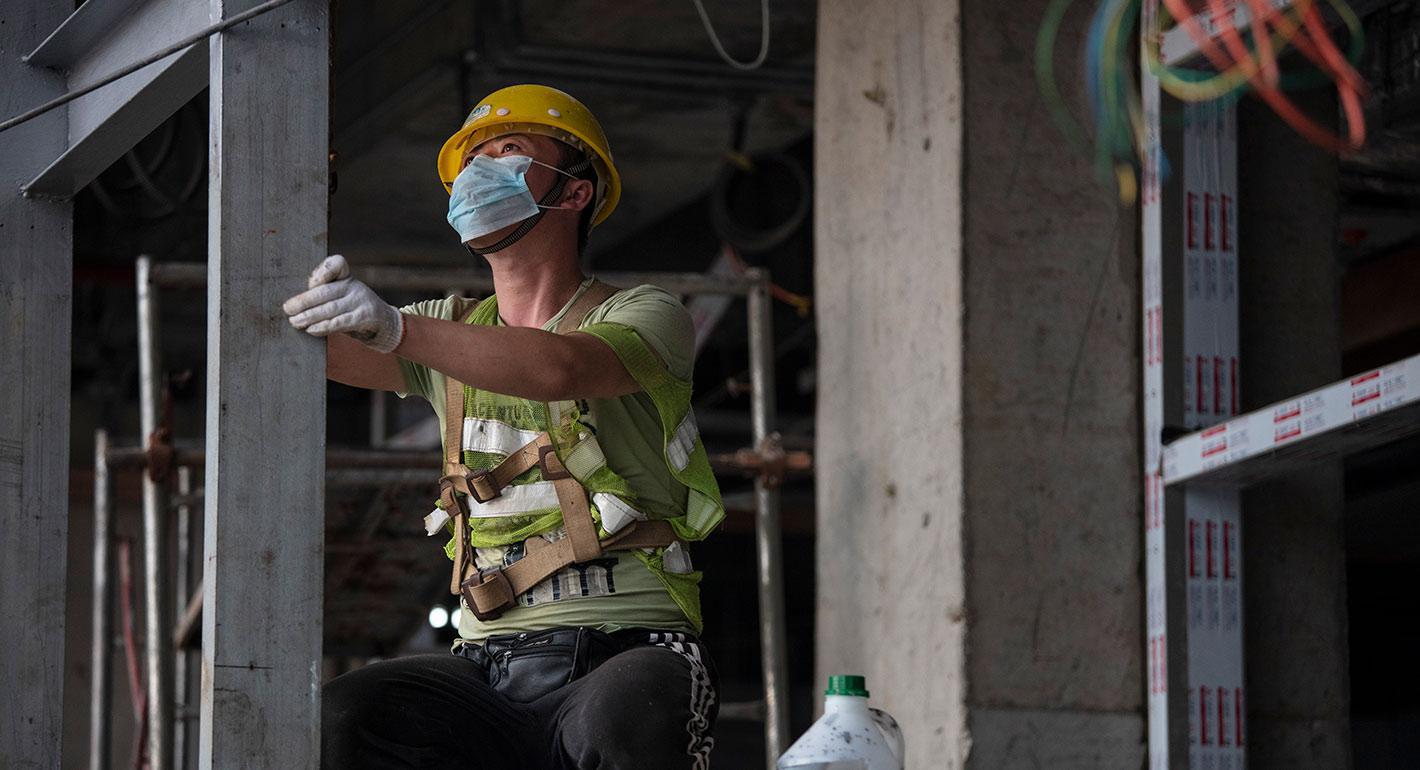
    Cross-Border Data Access for Law Enforcement: What Are India’s Strategic Options?

    Access to cross-border data is an integral piece of the law enforcement puzzle. India is well placed to lead the discussions on international data agreements subject to undertaking necessary surveillance reforms.

      Smriti Parsheera, Prateek Jha
  • Article
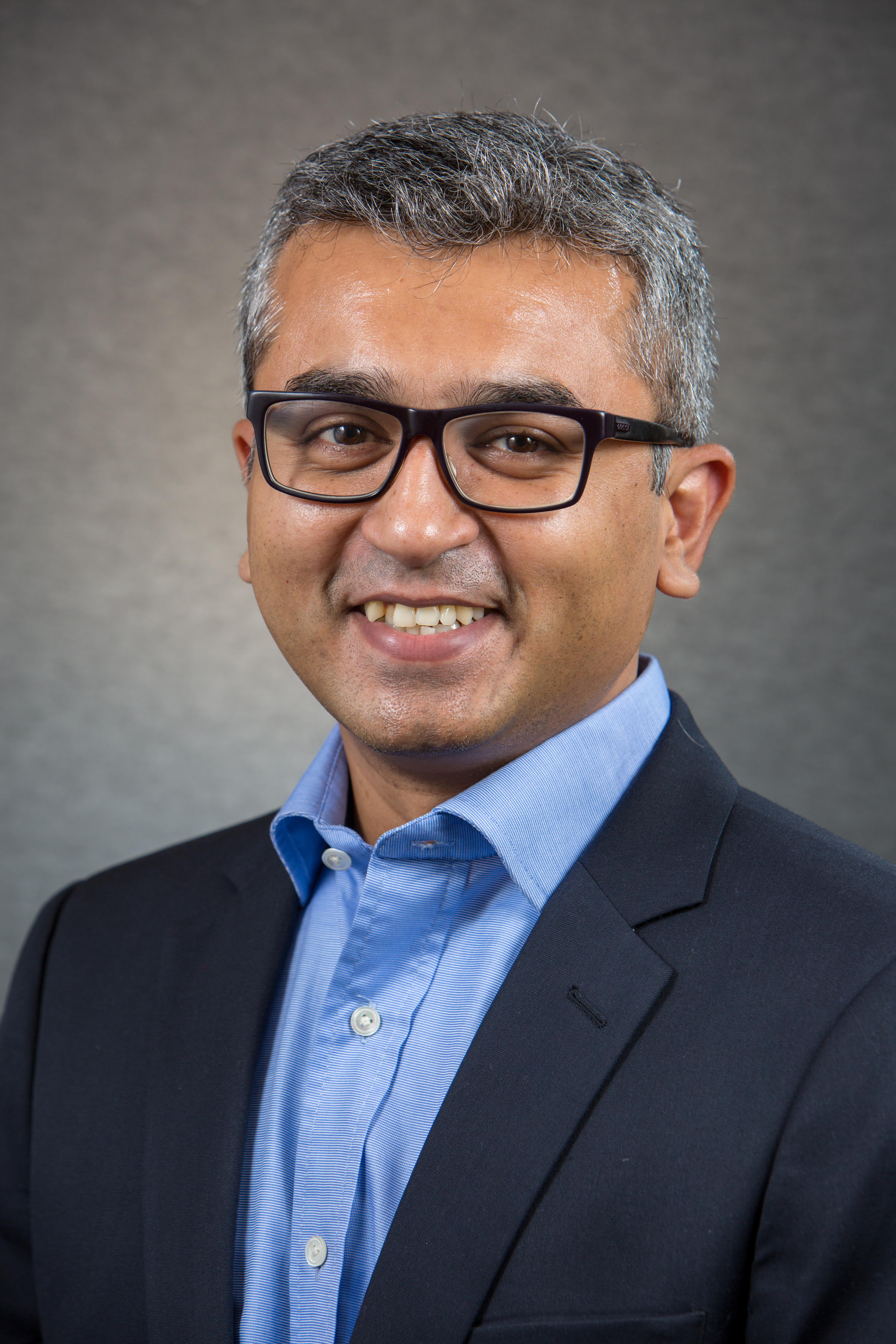
    The BRI in Post-Coronavirus South Asia

    After the coronavirus pandemic wanes, how will China’s reorientation of the Belt and Road Initiative to address global health concerns influence its relationships with South Asian countries?
      Deep Pal, Rahul Bhatia
  • Commentary
    India’s Unheeded Coronavirus Warning

    Early in the outbreak, government researchers forecast several high-risk scenarios that were downplayed or ignored in public messaging.

      Gautam I. Menon

  • Article
    Intrusive Pandemic-Era Monitoring Is the Same Old Surveillance State, Not a New One

    Governments around the world are turning to new forms of digital surveillance to monitor the spread of the coronavirus, though they are mostly using existing laws to do so.

      Anirudh Burman

Get more news and analysis from
Carnegie India
Carnegie India logo, white
Unit C-4, 5, 6, EdenparkShaheed Jeet Singh MargNew Delhi – 110016, IndiaPhone: 011-40078687
  • Research
  • About
  • Experts
  • Projects
  • Events
  • Contact
  • Careers
  • Privacy
  • For Media
Get more news and analysis from
Carnegie India
© 2026 Carnegie Endowment for International Peace. All rights reserved.