

Paper
George Perkovich
{
  "authors": [
    "George Perkovich"
  ],
  "type": "other",
  "centerAffiliationAll": "dc",
  "centers": [
    "Carnegie Endowment for International Peace",
    "Carnegie Russia Eurasia Center"
  ],
  "collections": [],
  "englishNewsletterAll": "ctw",
  "nonEnglishNewsletterAll": "",
  "primaryCenter": "Carnegie Endowment for International Peace",
  "programAffiliation": "NPP",
  "programs": [
    "Nuclear Policy"
  ],
  "projects": [],
  "regions": [
    "Middle East",
    "Iran"
  ],
  "topics": [
    "Nuclear Policy",
    "Nuclear Energy"
  ]
}
Source: Getty
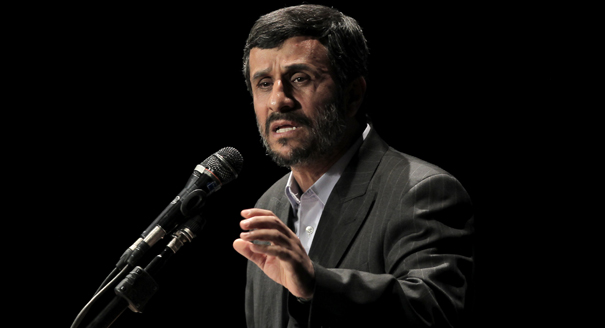
Rules are the key to maintaining necessary pressure on Iran and framing a mutually-acceptable, face-saving outcome. Iran must take steps to build and maintain international confidence that all its nuclear activities are peaceful, and that none have military dimensions.
Talks last week between Iran and world powers in Geneva—and the first public, bilateral negotiations between the United States and Iran in 30 years—yielded unexpected progress. Iran has been forced onto the defensive by its loss of legitimacy, exacerbated by the gains President Obama made by demonstrating resolve to negotiate a peaceful accommodation with the Islamic Republic, contends George Perkovich.
Perkovich explains that the Iranian government is determined to be seen acting within international law, in order to defend the government’s legitimacy at home and to ward off international sanctions or the use of force. Getting caught on the wrong side of the law in building the Qom nuclear facility endangers the government’s legitimacy and adds to the international legitimacy President Obama has gained. The United States and other powers negotiating with Iran should press Iran to accept legally precise definitions of what are peaceful nuclear activities and what are not.
Key Conclusions
“Iranian leaders are caught between the law and a hard place,” writes Perkovich.” Either they negotiate back into compliance with the rules and restore international confidence, or they abandon any pretense of being law-abiding members of the international community and accept the risks of being known to seek nuclear weapons.”

Japan Chair for a World Without Nuclear Weapons, Senior Fellow
George Perkovich is the Japan Chair for a World Without Nuclear Weapons and a senior fellow in the Carnegie Endowment for International Peace’s Nuclear Policy Program. He works primarily on nuclear deterrence, nonproliferation, and disarmament issues.
Recent Work
George Perkovich
George Perkovich
Carnegie India does not take institutional positions on public policy issues; the views represented herein are those of the author(s) and do not necessarily reflect the views of Carnegie, its staff, or its trustees.
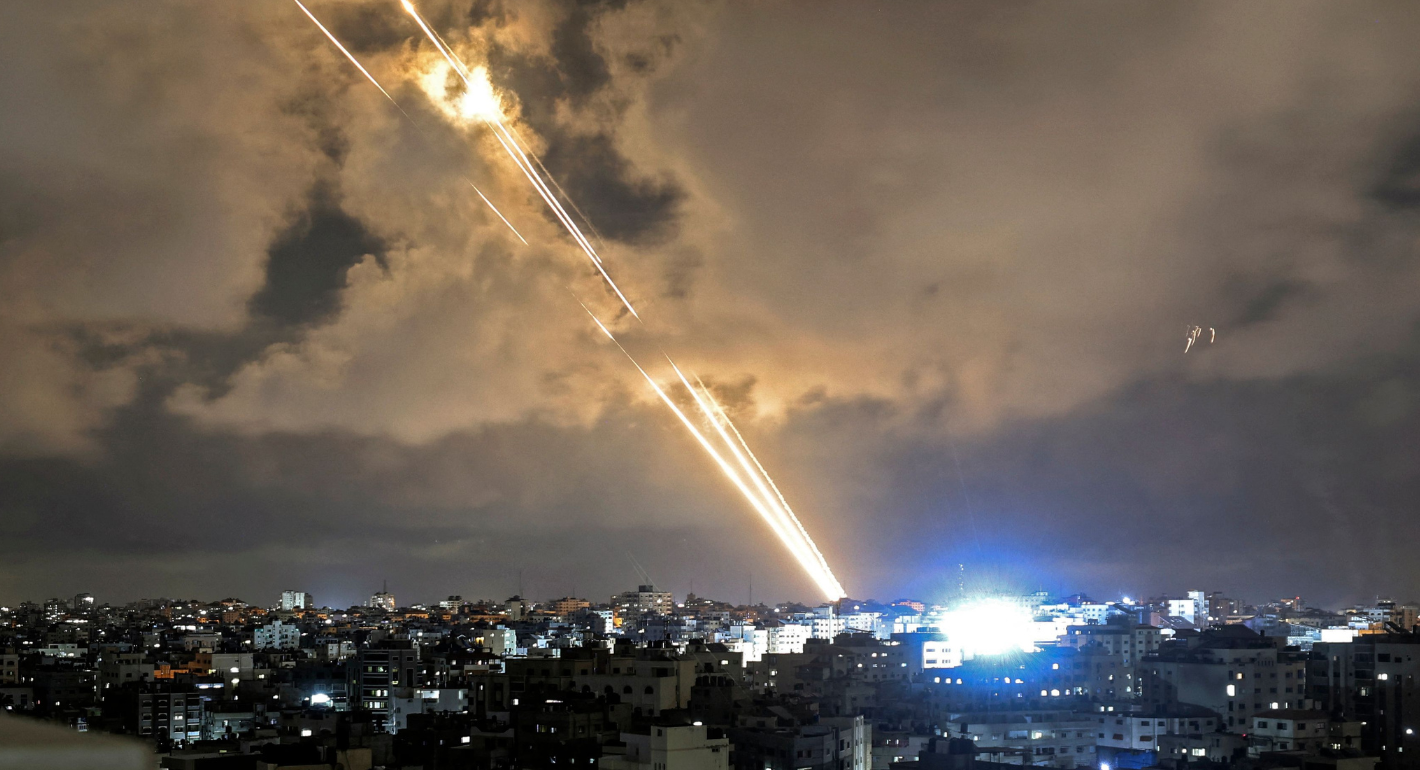
An Israeli response to Iran’s October 1 attack is imminent. The key question is of its intensity and potential fallout, both within Iran, in terms of nuclear security policy changes, and across the broader region. The coming days are likely to reshape West Asia irreversibly.
Gaddam Dharmendra
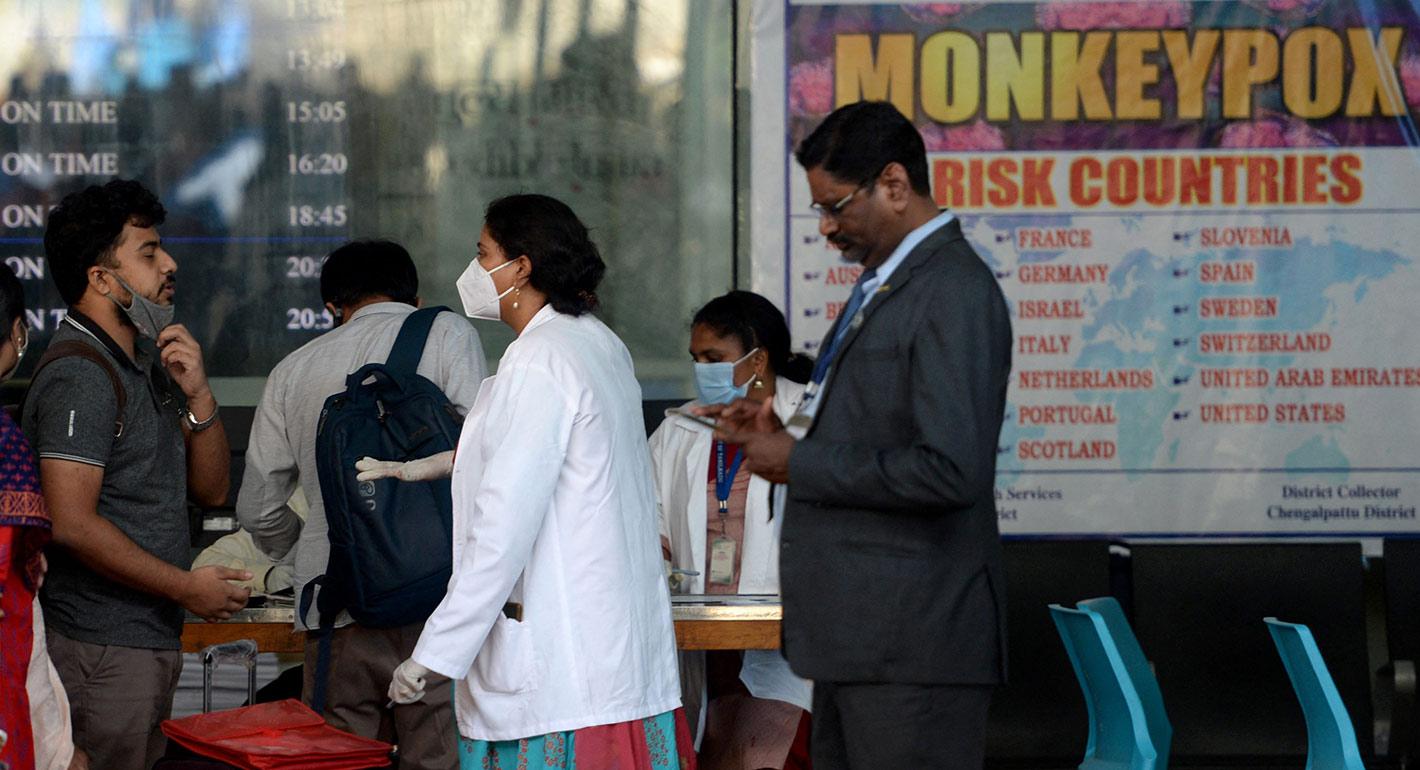
With monkeypox being declared a global health emergency, the WHO approach is an innovative and effective way to curb outbreaks of zoonotic diseases.

Shruti Sharma

In India, biotechnology has played an important role in helping stakeholders in academia, industry, and government develop new pandemic-related technology, from test kits to respiratory devices. But these biotechnology advancements can go further to strengthen India’s public health capacity.
Shruti Sharma
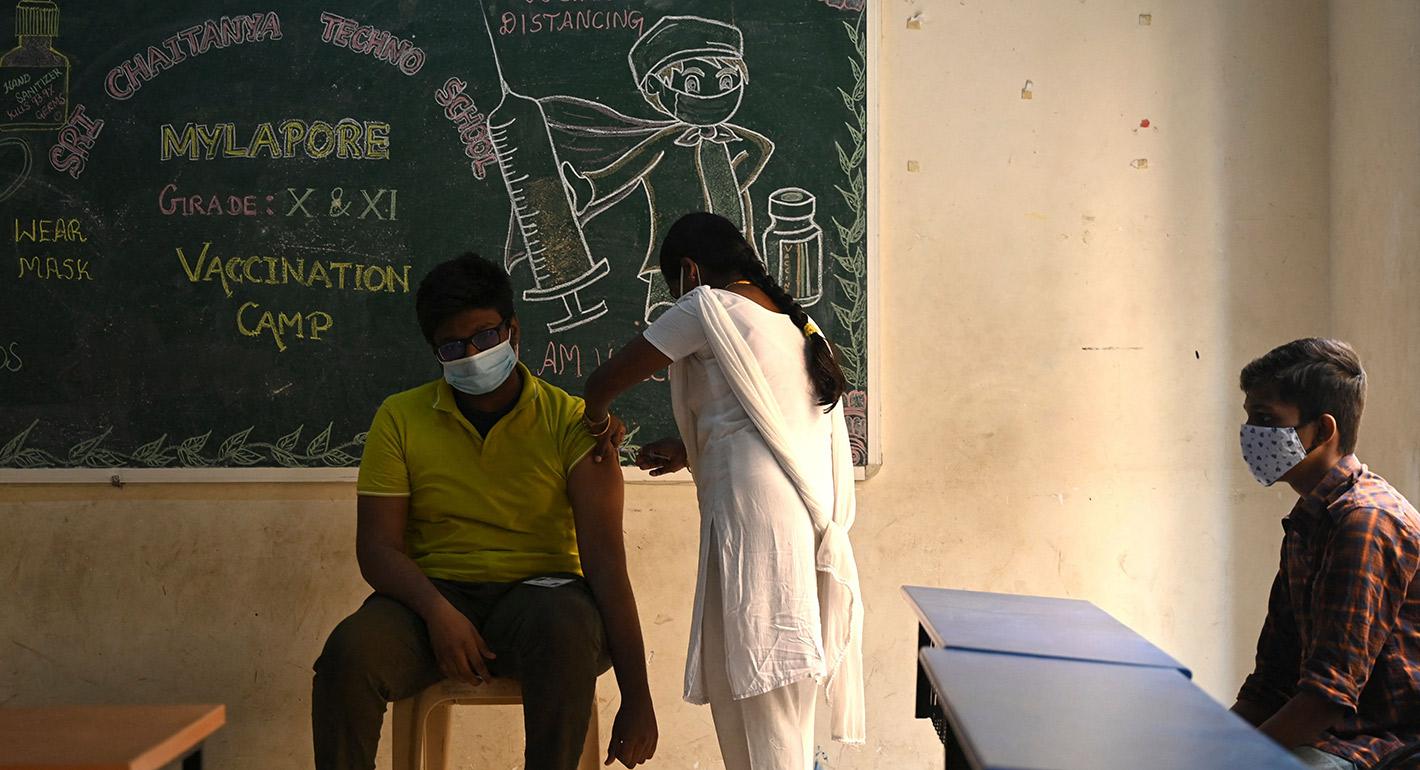
Unless the government can up its communications game, anti-vax movements could prolong India’s pandemic effects.
Shruti Sharma
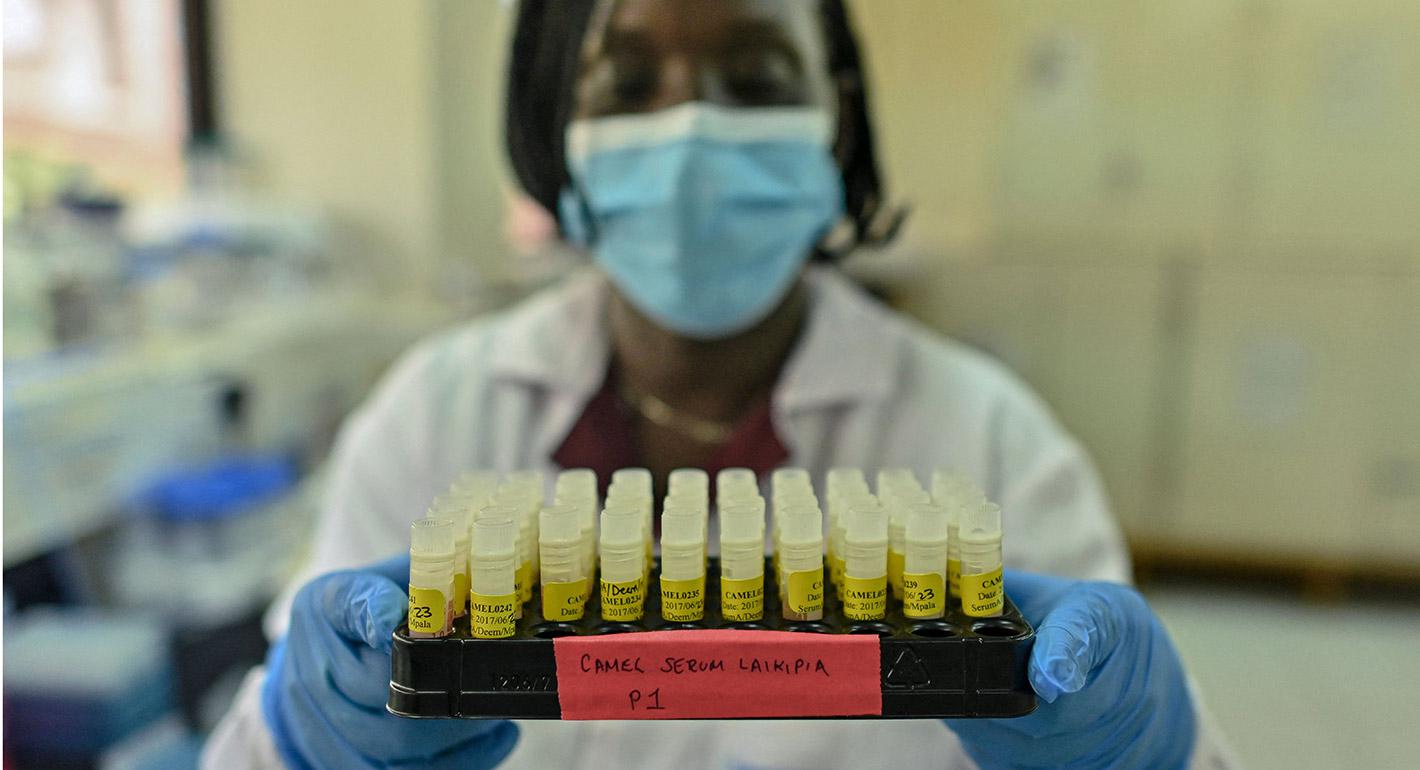
The uncertain origin of the coronavirus has focused attention on gain-of-function research—studying viruses to learn how they spread. How can countries work together to ensure stringent safety standards?
Shruti Sharma