

Commentary
James M. Acton
{
  "authors": [
    "James M. Acton"
  ],
  "type": "legacyinthemedia",
  "centerAffiliationAll": "dc",
  "centers": [
    "Carnegie Endowment for International Peace"
  ],
  "collections": [],
  "englishNewsletterAll": "ctw",
  "nonEnglishNewsletterAll": "",
  "primaryCenter": "Carnegie Endowment for International Peace",
  "programAffiliation": "NPP",
  "programs": [
    "Nuclear Policy"
  ],
  "projects": [],
  "regions": [
    "Middle East",
    "Iran"
  ],
  "topics": [
    "Nuclear Policy",
    "Nuclear Energy"
  ]
}
Source: Getty
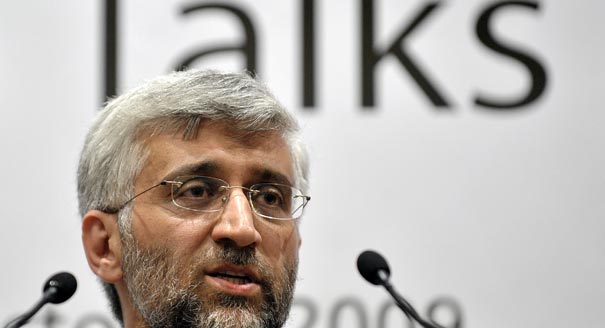
In the P5+1 talks at Geneva, Iran agreed to have low enriched uranium from its Natanz site further enriched abroad and fabricated into fuel for its Tehran Research Reactor. Yet technical problems could derail this initiative.
Source: ArmsControlWonk.com

Interesting news from the meetings in Geneva today. Iran has agreed, “in principle”, to have some LEU from Natanz further enriched abroad and fabricated into fuel for the Tehran Research Reactor. (You might remember President Ahmedinijad recently floated the idea of the US supplying fuel for this reactor which is apparently close to running on empty).
Apart from being an interesting confidence-building measure, it’s obvious why Iran might go for this—it needs the fuel. It’s also obvious why the E3+3 like the idea. Julian Borger reports that:
Western officials here say that to restock the TRR, Iran would have to send out up to 1200 kg of LEU. That’s about three-quarters of what they’ve got, and it would be out of the country for a year. When it came back it would be in the form of fuel rods, so it could not be turned into weapons grade material in a quick breakout scenario.
Let’s look at the practicalities of this, because it turns out there might be one potential sting in the tail.
According to NTI, the Tehran Research Reactor (TRR) requires 115.8 kg of 20% enriched fuel. We don’t know the average enrichment of the LEU at Natanz (the maximum is known to be 4.4%), so let’s assume it’s 4% (nice round number and all that). Let’s also assume that the ratio between the product and tails assays is 10, roughly the same as for enrichment from natural uranium to LEU for power reactors. I don’t know for sure this assumption is valid but I believe it is.
If you crunch the numbers (very straightforwardly) then you find that 1040 kg of uranium from Natanz is needed to produce one load of fuel for the TRR. If you assume the average enrichment of the LEU at Natanz is 3.5% then 1390 kg is required. Very much in the right ball park.
My guess (and it is only a guess) is that the enrichment will take place in Russia—at Novouralsk (see page 85 of the 2007 GFMR). Based on what I know about how other states have enriched to 20% or more, Russia probably does not go directly from natural uranium to 20%. I would expect it to enrich first to 3—5% and then to go to 20% in a second stage. If so, using Iranian LEU as feedstock for this second stage should pose few problems beyond, perhaps, a bit of blending to fine tune the enrichment to whatever the Russians normally use, providing that the Iranian material is sufficiently pure.
And here’s the crunch.
Remember the whole molybdenum thing?
The problem gets worse at higher enrichment levels and can cause centrifuges to crash. Although many have assumed than Iran has solved the problem and can produce uncontaminated UF6, we don’t know for sure. But, you can bet that the Russians are going to check this before sticking Iranian LEU into their cascades.
Technical problems could yet derail this interesting initiative…

Jessica T. Mathews Chair, Co-director, Nuclear Policy Program
Acton holds the Jessica T. Mathews Chair and is co-director of the Nuclear Policy Program at the Carnegie Endowment for International Peace.
Recent Work
James M. Acton


James M. Acton, Saskia Brechenmacher, Cecily Brewer, …
Carnegie India does not take institutional positions on public policy issues; the views represented herein are those of the author(s) and do not necessarily reflect the views of Carnegie, its staff, or its trustees.
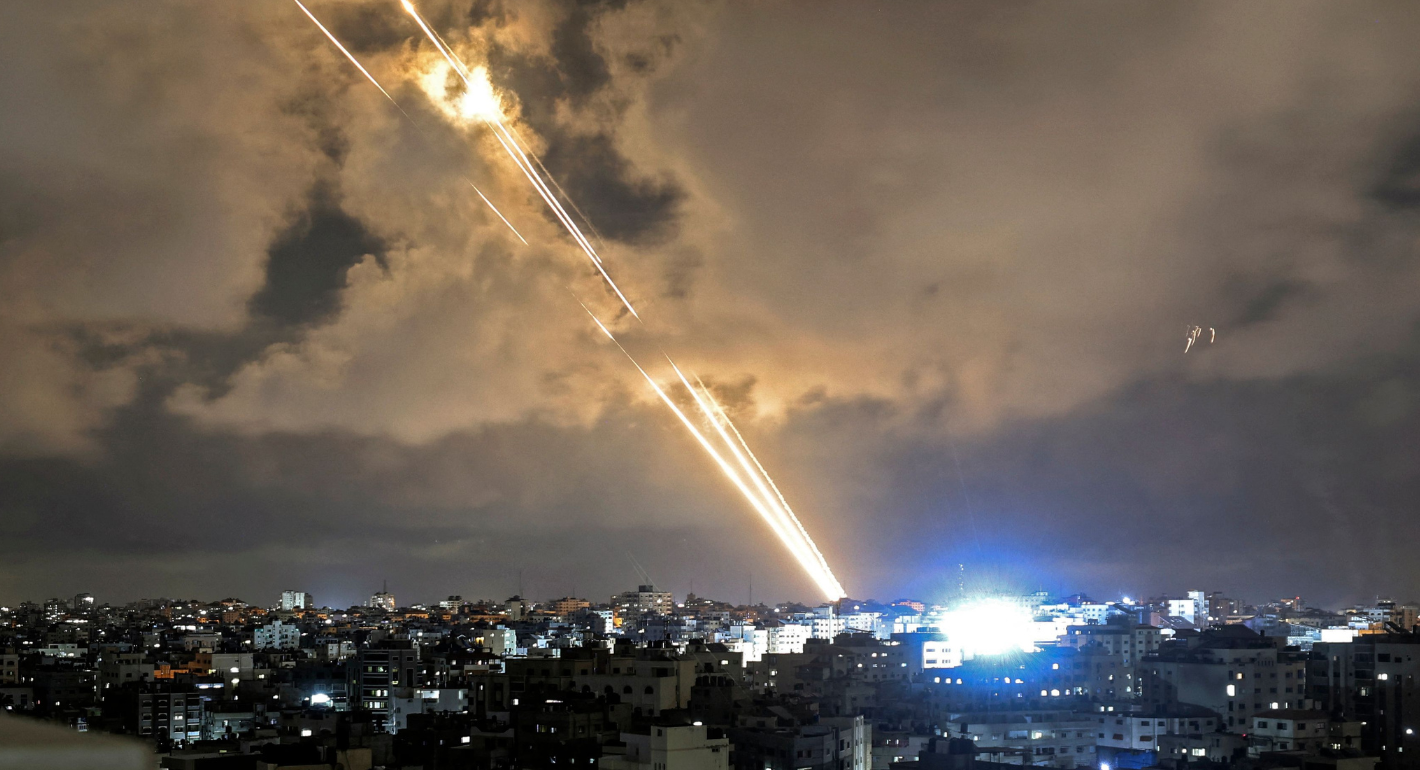
An Israeli response to Iran’s October 1 attack is imminent. The key question is of its intensity and potential fallout, both within Iran, in terms of nuclear security policy changes, and across the broader region. The coming days are likely to reshape West Asia irreversibly.
Gaddam Dharmendra
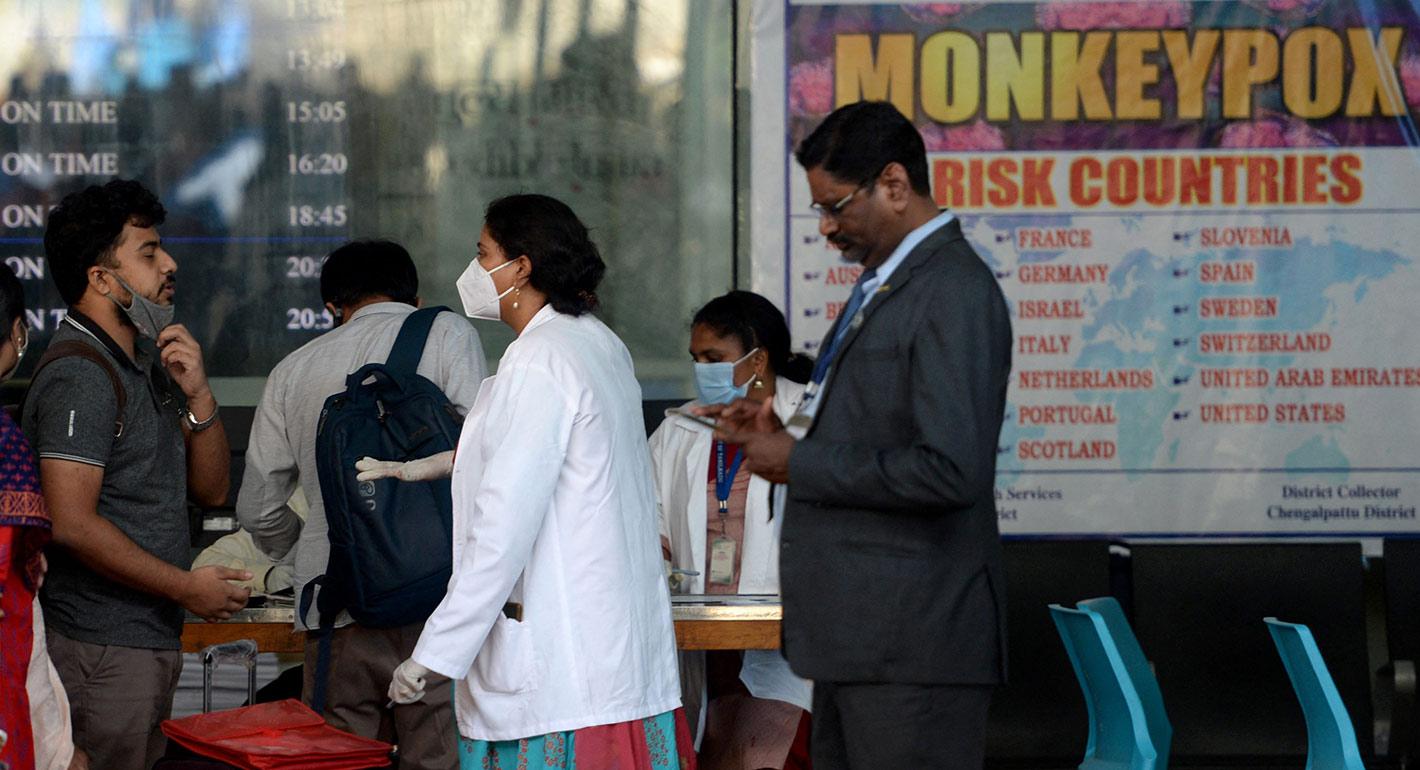
With monkeypox being declared a global health emergency, the WHO approach is an innovative and effective way to curb outbreaks of zoonotic diseases.

Shruti Sharma
In India, biotechnology has played an important role in helping stakeholders in academia, industry, and government develop new pandemic-related technology, from test kits to respiratory devices. But these biotechnology advancements can go further to strengthen India’s public health capacity.
Shruti Sharma
Unless the government can up its communications game, anti-vax movements could prolong India’s pandemic effects.
Shruti Sharma
The uncertain origin of the coronavirus has focused attention on gain-of-function research—studying viruses to learn how they spread. How can countries work together to ensure stringent safety standards?
Shruti Sharma