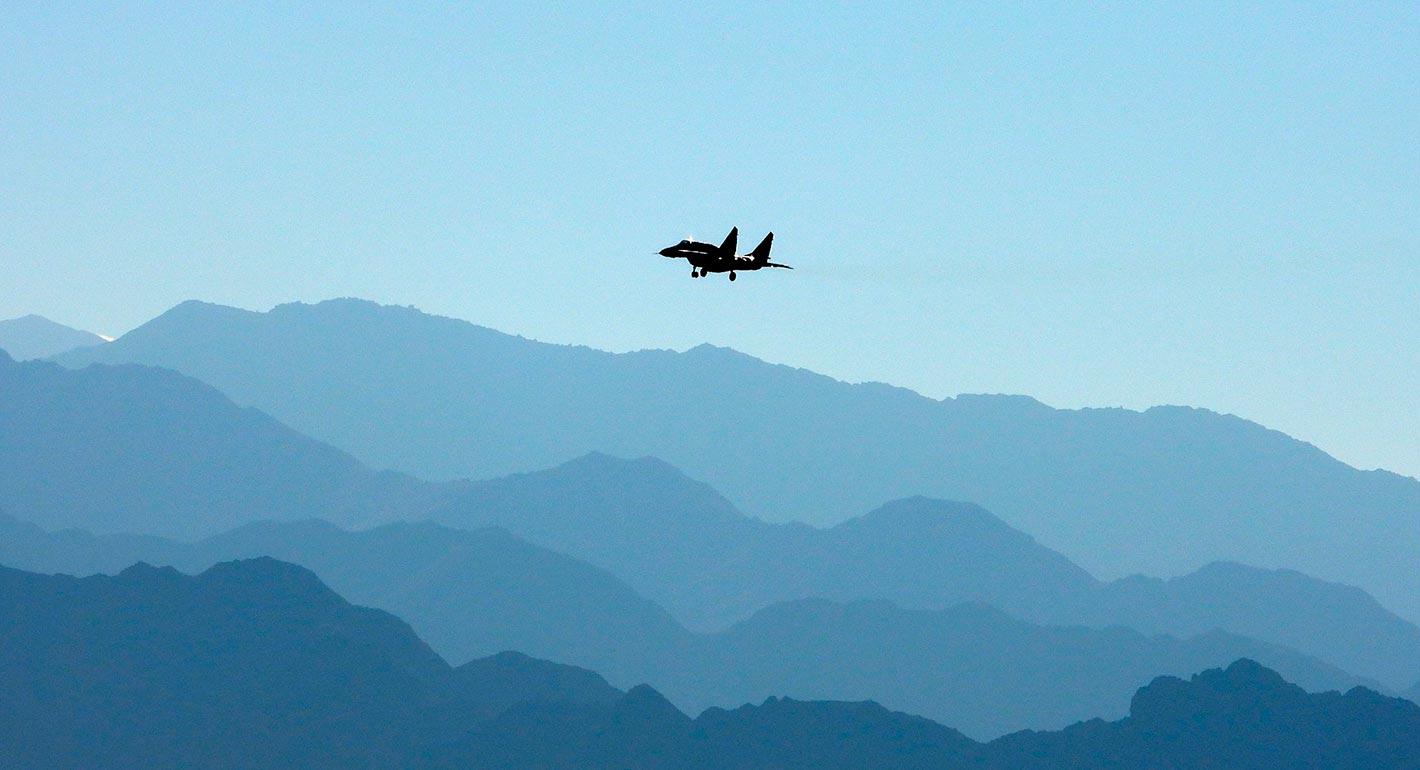
Asia’s two largest nuclear powers have never threatened each other with nuclear weapons. How much will the recent deadly border clashes between China and India change the security landscape?
Toby Dalton, Tong Zhao, Rukmani Gupta
{
"authors": [
"Kimberly Misher"
],
"type": "other",
"centerAffiliationAll": "dc",
"centers": [
"Carnegie Endowment for International Peace"
],
"collections": [],
"englishNewsletterAll": "",
"nonEnglishNewsletterAll": "",
"primaryCenter": "Carnegie Endowment for International Peace",
"programAffiliation": "NPP",
"programs": [
"Nuclear Policy"
],
"projects": [],
"regions": [
"North Africa",
"Egypt"
],
"topics": [
"Nuclear Policy",
"Nuclear Energy"
]
}Source: Getty
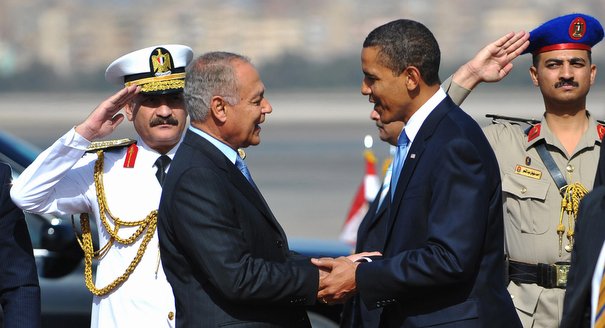
Egypt's role in preventing a nuclear arms race in the Middle East is especially urgent and the 2010 NPT Review Conference is the next best chance to advance its disarmament agenda.
Recognizing Egypt’s critical role in the Arab world, President Obama selected Cairo for a landmark speech in June. To continue to lead the Middle East and enhance regional security, Egypt should work to strengthen the nonproliferation regime. The 2010 Non-Proliferation Treaty (NPT) Review Conference is Egypt's next best chance to advance its disarmament goals, contends a new paper by Kimberly Misher.
Key Conclusions
"Egypt's role in preventing a nuclear arms race in the Middle East is especially urgent. As Iran advances its nuclear capability, Egypt increasingly faces the prospect of being politically sandwiched between two nuclear-armed states," says Misher. "By pressing for security and disarmament within the framework of the Non-Proliferation Treaty (NPT), Egypt may be able to solidify Arab perspectives on arms control and strengthen its regional leadership."
Carnegie India does not take institutional positions on public policy issues; the views represented herein are those of the author(s) and do not necessarily reflect the views of Carnegie, its staff, or its trustees.
Asia’s two largest nuclear powers have never threatened each other with nuclear weapons. How much will the recent deadly border clashes between China and India change the security landscape?
Toby Dalton, Tong Zhao, Rukmani Gupta
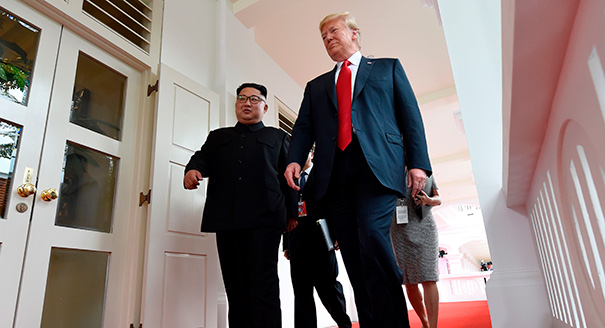
In the course of one morning in Singapore, U.S. President Donald Trump and the North Korean leader Kim Jong-un have begun to loosen a deeply entrenched and hostile relationship.
C. Raja Mohan
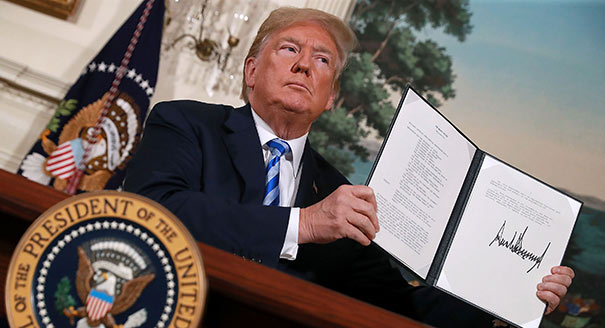
U.S. President Donald Trump’s decision to pull out of the Iran nuclear deal appears to have put regime change at the very center of the new American power play against Tehran.
C. Raja Mohan
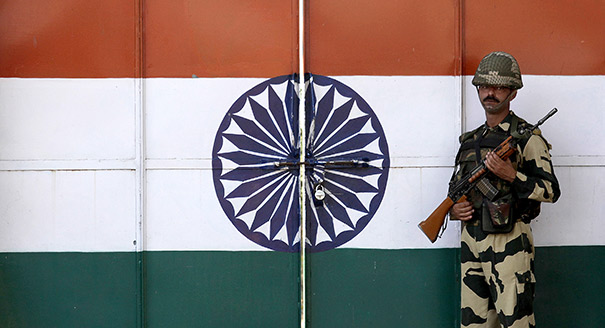
The South Asian stalemate is likely to endure even as South and North Korea appear poised to turn the page.
C. Raja Mohan
President Kovind’s visit to Djibouti and Ethiopia suggests India is finally waking up to the geopolitical significance of the Horn of Africa.
C. Raja Mohan