

Commentary
Both China and India have significant populations living beyond their national borders. They have found that extricating compatriots from zones of conflict or natural disasters has become a recurring challenge.
C. Raja Mohan
{
  "authors": [],
  "type": "pressRelease",
  "centerAffiliationAll": "dc",
  "centers": [
    "Carnegie Endowment for International Peace"
  ],
  "collections": [],
  "englishNewsletterAll": "menaTransitions",
  "nonEnglishNewsletterAll": "",
  "primaryCenter": "Carnegie Endowment for International Peace",
  "programAffiliation": "MEP",
  "programs": [
    "Middle East"
  ],
  "projects": [],
  "regions": [
    "Yemen"
  ],
  "topics": []
}
REQUIRED IMAGE
A volatile mix of competing factions within Yemen’s major Islamist party is preventing the group from developing a clear platform. Tribal, Muslim Brotherhood, and Salafi elements within the Yemeni Congregation for Reform (Islah) has led to a lack of unity and hampered the party’s performance.
BEIRUT, Nov 12—A volatile mix of competing factions within Yemen’s major Islamist party is preventing the group from developing a clear platform. Tribal, Muslim Brotherhood, and Salafi elements within the Yemeni Congregation for Reform (Islah) has led to a lack of unity and hampered the party’s performance, explains Amr Hamzawy in a new paper.
Originally an ally of the ruling General People’s Congress (GPC) and a junior member in the government following the unification of North and South Yemen in 1990, Islah joined the opposition in 1997 in protest over the government’s lack of progress on democratic reforms. It has continued to switch sides on key policy issues between the ruling party and the opposition ever since.
Key Conclusions:
“Although Islah’s long-standing internal divisions have hindered the party’s parliamentary prospects, more than anything, the concentration of power in the hands of President Saleh and the ruling GPC has stifled its legislative success,” Hamzawy cautions. “At this level, the experience of Islamists in Yemen corresponds to the wider regional pattern of Islamist parties and movements, which have proven ineffective in opposition to authoritarian regimes.”
###
NOTES
Carnegie India does not take institutional positions on public policy issues; the views represented herein are those of the author(s) and do not necessarily reflect the views of Carnegie, its staff, or its trustees.
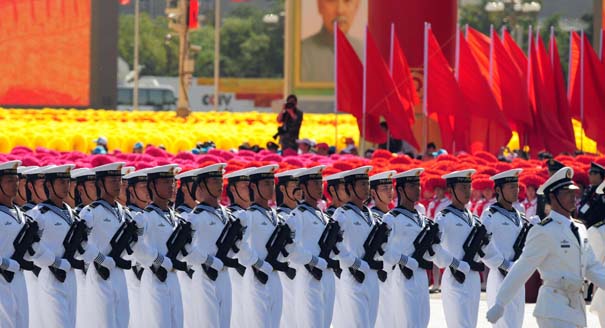
Both China and India have significant populations living beyond their national borders. They have found that extricating compatriots from zones of conflict or natural disasters has become a recurring challenge.
C. Raja Mohan
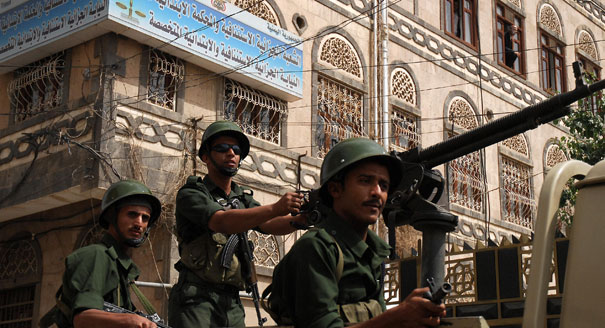
Islamabad is under pressure from Saudi Arabia to join military operations against the Houthi rebels in Yemen, but there is little popular support in Pakistan for jumping into a sectarian war.
C. Raja Mohan
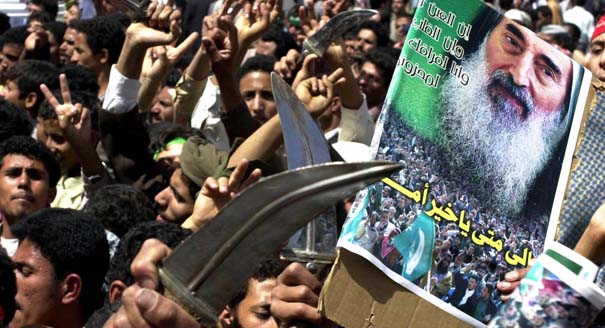
India can’t secure its multiple interests in the Middle East without a much greater political engagement with all of the contending forces in the region.
C. Raja Mohan