

Q&A
Suzanne Maloney, Aaron David Miller, Karim Sadjadpour
{
  "authors": [
    "Karim Sadjadpour"
  ],
  "type": "legacyinthemedia",
  "centerAffiliationAll": "dc",
  "centers": [
    "Carnegie Endowment for International Peace"
  ],
  "collections": [],
  "englishNewsletterAll": "menaTransitions",
  "nonEnglishNewsletterAll": "",
  "primaryCenter": "Carnegie Endowment for International Peace",
  "programAffiliation": "MEP",
  "programs": [
    "Middle East"
  ],
  "projects": [],
  "regions": [
    "Middle East",
    "Iran"
  ],
  "topics": [
    "Political Reform"
  ]
}
Source: Getty
While the Iranian public is still divided in its opinion on the regime, the high turnout at anti-government protests suggests that a majority, if not a vast majority, of people in Iran want to see a different type of government in Tehran.
Source: CNN

Jim, as always, great to talk to you.
JIM WALSH, INTERNATIONAL SECURITY EXPERT, MIT: Good to see you, Tony.
HARRIS: And in Washington, Karim Sadjadpour, a leading expert on Middle Eastern affairs with a special emphasis on Iran. He is with the Carnegie Endowment for International Peace.
And Karim, let me start with you. What should we -- same question I asked Rosemary at the top there -- what should we make of what's happening with these protests, these government-sponsored protests, demonstrations today in Iran?
KARIM SADJADPOUR, MIDDLE EAST EXPERT: Well, Tony, when I was based in Tehran, I used to attend these government-sponsored protests frequently. And when you talked to the demonstrators, they were often, as Rosemary mentioned, bused in from the provinces, given the day off of work, given a free lunch. So you compare that to the anti- government protesters who are warned weeks in advance that there are going to be severe repercussions if they attend these protests, and still hundreds of thousands turn out.
So, I am very confident, Tony, having been based in Tehran a couple of years, that a majority, if not a vast majority, of people in Iran want to see a different type of government in Tehran.
HARRIS: Jim, are you surprised at all by the turnout?
WALSH: No, I'm not. You know, in political science, generally protests are not a good indicator of the general support of a government because most people don't protest. It tends to be a small slice of society that engage in protests.
I think, though, that this is symbolic of one of the problems we face in Iran. That is to say, not everyone hates the government. Even though these guys are being bused in from the hinterlands, the fact is, at least pre-election polls show that there's some plurality of the Iranian people.
You know, is it 30 percent? Is it 40 percent? Is it 45 that supported the government?
Now, that may have changed given all the violence that's taken place, but this is a divided society right now. And it's not as if it's 99 percent against the government. There are some pockets of support for the government as this plays out.
HARRIS: All right. Terrific. Let me take that point to Karim.
You know, I don't want to paint all of these people we see protesting today as sort of mindless automatons. What of the line of thought that says Iranians are paying really close attention to what's going on in the country, and in whatever numbers, large, medium, small, have decided they don't like the approach, the tactics and the arguments put forth by the opposition? What of that line of thought, Karim?
SADJADPOUR: Certainly, Tony, no country, no population on earth is monolithic. There's a diversity of views. But let's put things in perspective.
The Iranian population is overwhelmingly young, two-thirds under 33. Under Mahmoud Ahmadinejad's tenure, the Iranian economy has severely deteriorated, social freedoms have severely been curtailed, political freedoms have severely been curtailed.
So there's a difference between being poor and being pious and being ignorant. And I would say that Iranians, despite the fact that they're pious, you do still have lower income classes, that doesn't mean that they're ignorant and they don't know what's good for them.
HARRIS: Yes.
Jim, isn't the real -- and I think Karim just hit on this. Isn't the real pressure on this regime economic? Don't you gain real transaction on pocketbook issues, even in Iran? Isn't that the issue, to win more support for your movement?
WALSH: I think that's right, Tony. I would not overstate Iran's economic problems. It had -- the IMF said it had -- is looking at three percent growth.
It hasn't done as well as its neighbors in the region over this period of time, but it hasn't gone down into a hole either. The real economic issues facing Iran are going forward.
If the price of oil remains modest, and there's a lack of investment in Iran's oil infrastructure, if that continues, along with rationing, we're really looking at a problem as Iran spends all its hard currency to keep those subsidies going. But right now it's not great, but it's not -- you know, the economy hasn't collapsed either. But looking forward, there will be increasing economic pressure, and that will affect, as Karim rightly points out, the young people the most, and they are a majority in Iran.
HARRIS: Karim, what does the opposition really want?
SADJADPOUR: Well, Tony, I think that even amongst the leadership of the opposition, there's a diversity of views. I think individuals like Mir Hossein Mousavi, Mehdi Karoubi, they were important pillars of the 1979 revolution, and they still believe in the idea of an Islamic republic.
I think if you talk to the younger protesters, the university students, they would like to see much more fundamental change, separation of religion and state. And at the moment, I think the tactics of the opposition leadership is to take a very deliberate approach, to recruit as many people as possible under the tent of this green movement, and focus on removing President Ahmadinejad, maybe even Supreme Leader Ayatollah Khamenei, rather than talk about specifics which may create fissures amongst the opposition themselves.
HARRIS: All right. Let's leave it there.
Karim Sadjadpour and Jim Walsh.
Gentlemen, great to talk to you. Great discussion. Thank you both.
SADJADPOUR: Thank you, Tony.
WALSH: Thank you.

Senior Fellow, Middle East Program
Karim Sadjadpour is a senior fellow at the Carnegie Endowment for International Peace, where he focuses on Iran and U.S. foreign policy toward the Middle East.
Recent Work


Suzanne Maloney, Aaron David Miller, Karim Sadjadpour

Aaron David Miller, Karim Sadjadpour, Robin Wright
Carnegie India does not take institutional positions on public policy issues; the views represented herein are those of the author(s) and do not necessarily reflect the views of Carnegie, its staff, or its trustees.
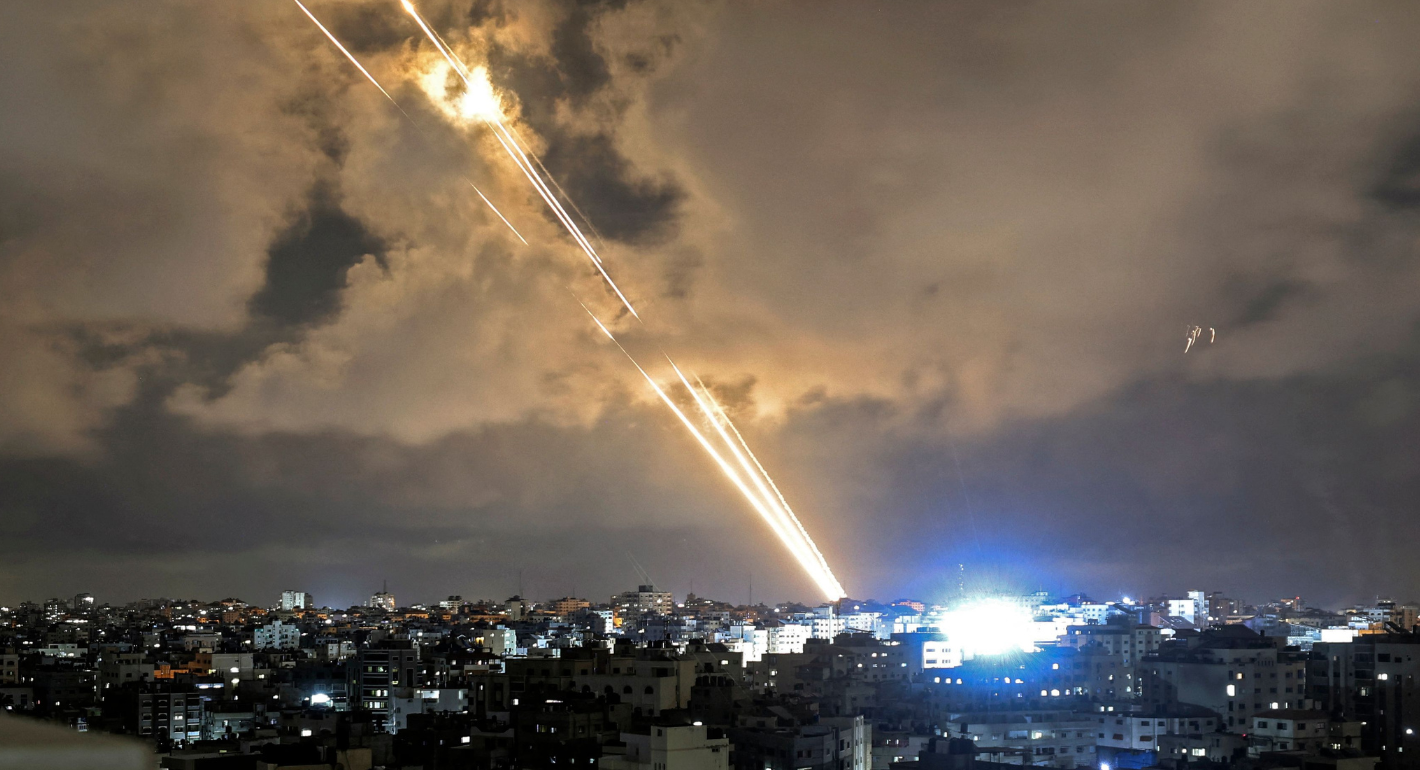
An Israeli response to Iran’s October 1 attack is imminent. The key question is of its intensity and potential fallout, both within Iran, in terms of nuclear security policy changes, and across the broader region. The coming days are likely to reshape West Asia irreversibly.
Gaddam Dharmendra
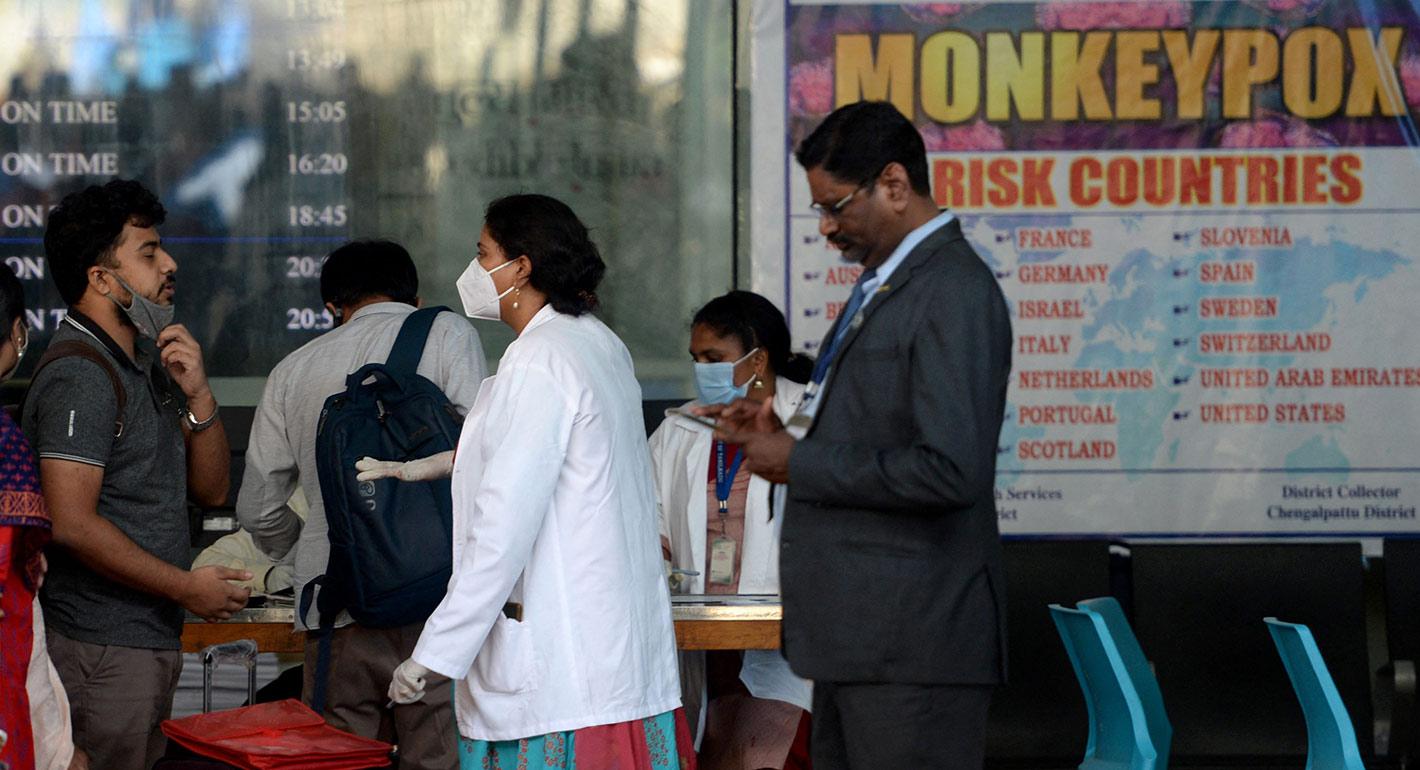
With monkeypox being declared a global health emergency, the WHO approach is an innovative and effective way to curb outbreaks of zoonotic diseases.

Shruti Sharma
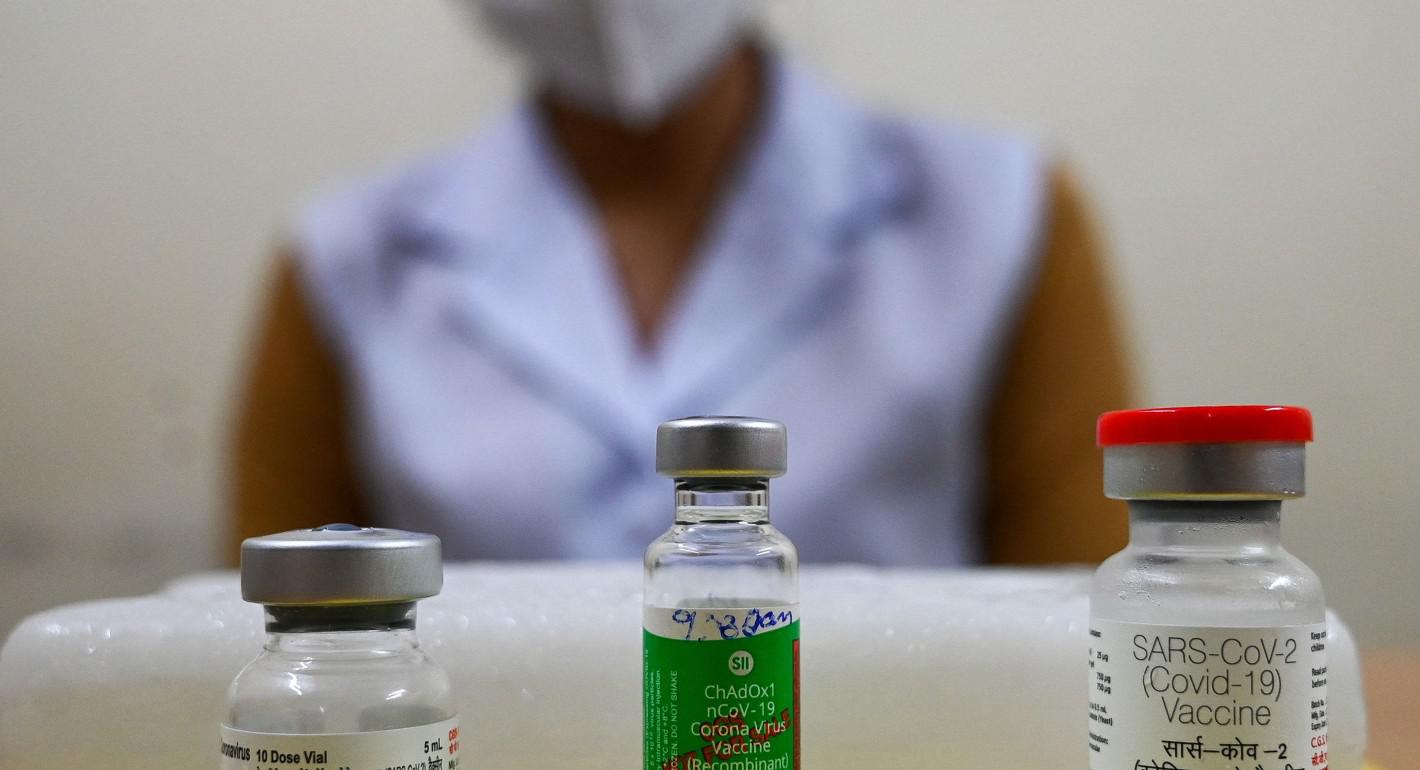
In India, biotechnology has played an important role in helping stakeholders in academia, industry, and government develop new pandemic-related technology, from test kits to respiratory devices. But these biotechnology advancements can go further to strengthen India’s public health capacity.
Shruti Sharma
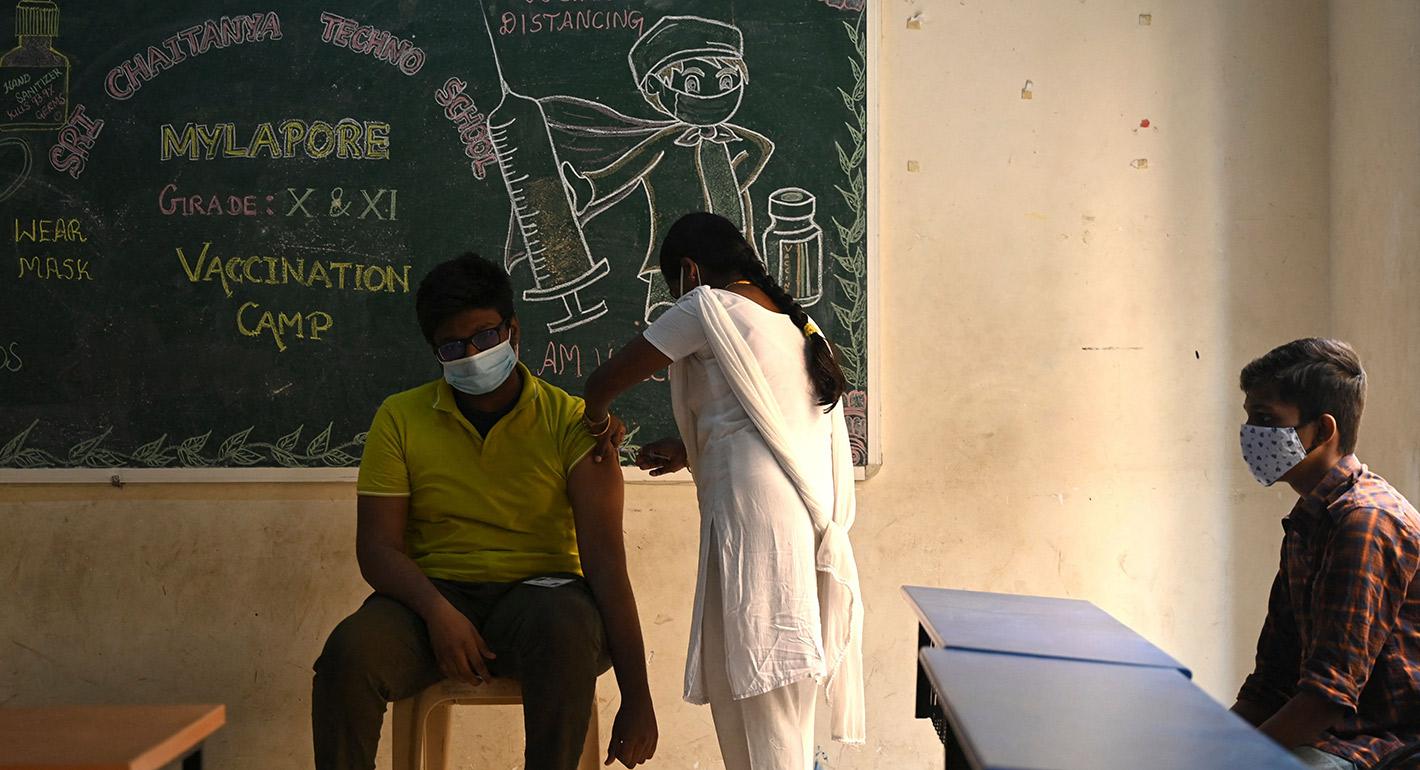
Unless the government can up its communications game, anti-vax movements could prolong India’s pandemic effects.
Shruti Sharma
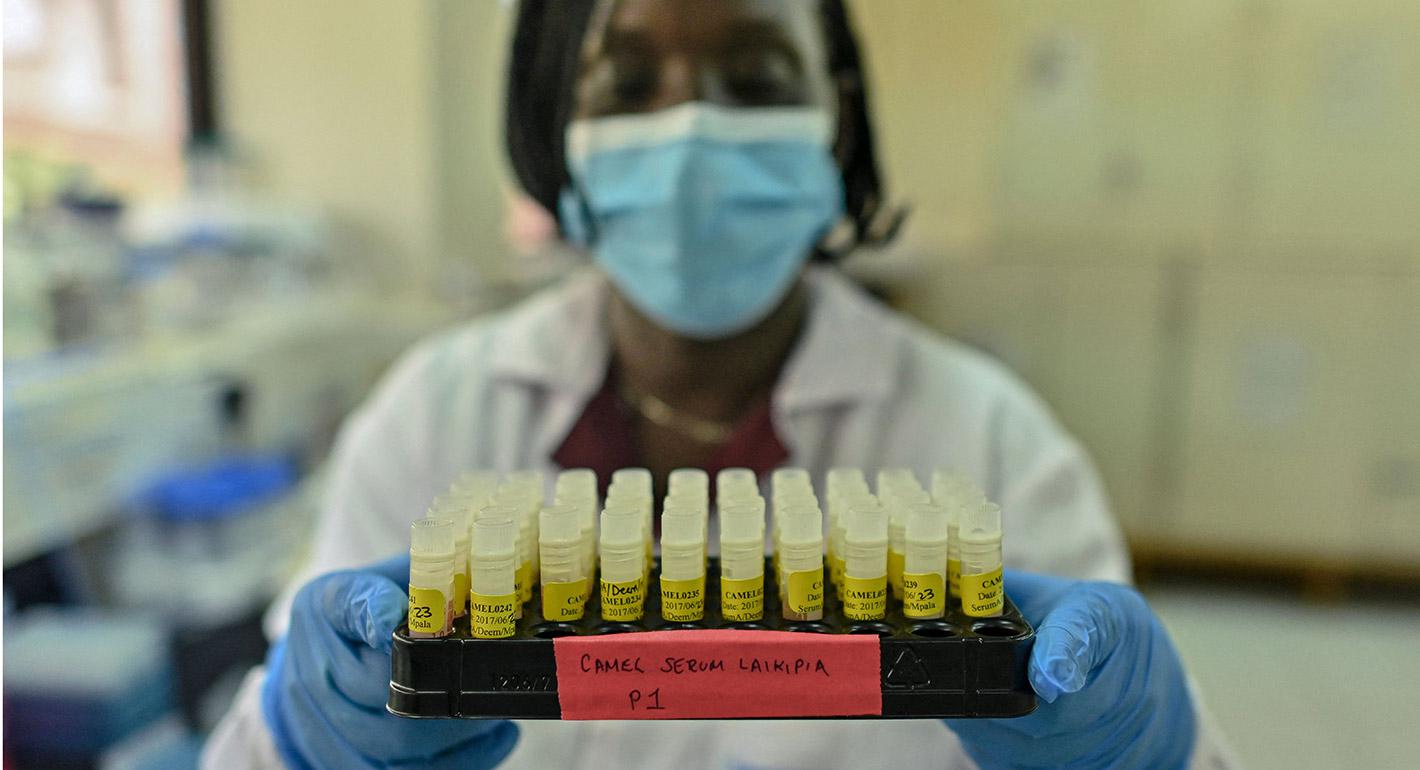
The uncertain origin of the coronavirus has focused attention on gain-of-function research—studying viruses to learn how they spread. How can countries work together to ensure stringent safety standards?
Shruti Sharma