

Paper
Paul Salem
{
  "authors": [
    "Paul Salem"
  ],
  "type": "legacyinthemedia",
  "centerAffiliationAll": "",
  "centers": [
    "Carnegie Endowment for International Peace",
    "Malcolm H. Kerr Carnegie Middle East Center"
  ],
  "collections": [],
  "englishNewsletterAll": "",
  "nonEnglishNewsletterAll": "",
  "primaryCenter": "Malcolm H. Kerr Carnegie Middle East Center",
  "programAffiliation": "",
  "programs": [],
  "projects": [],
  "regions": [
    "Gulf"
  ],
  "topics": []
}
Source: Getty
The most serious development of the Iranian protests has been the challenges to Ayatollah Khamenei, which are unprecedented and open up new questions about the potential for real, significant constitutional change.
Source: 938 Live

Senior Fellow at the Middle East Institute
Paul Salem is a senior fellow at the Middle East Institute.
Recent Work
Paul Salem
Paul Salem
Carnegie India does not take institutional positions on public policy issues; the views represented herein are those of the author(s) and do not necessarily reflect the views of Carnegie, its staff, or its trustees.
It has been a rather long learning curve for New Delhi to separate presumed transcendental religious solidarity and the logic of national self-interest in engaging the Middle East.
C. Raja Mohan
As New Delhi prepares to host the Saudi Crown Prince Mohammed bin Salman, India must come to terms with an unfamiliar idea—“nationalism in Arabia”.
C. Raja Mohan
Saudi Crown Prince Mohammed bin Salman’s visit to India—as part of a larger tour of Asia, including Pakistan and China—should mark the consolidation of two important trends and help initiate a significant third.
C. Raja Mohan
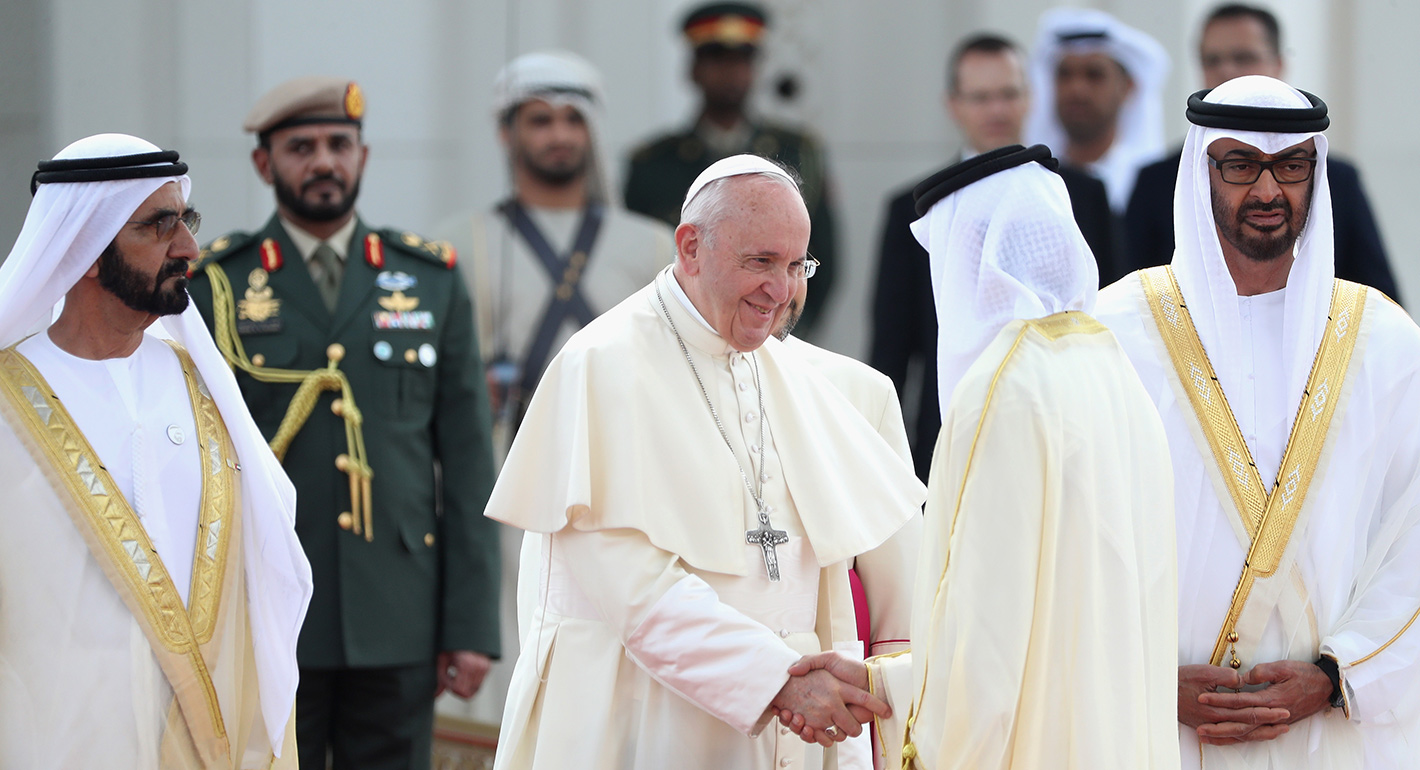
For both the United Arab Emirates and Saudi Arabia, the new emphasis on separating religion from politics and confronting “political Islam” is not a question of defining an abstract theory of the state. It is a considered response to the grave challenges they face.
C. Raja Mohan
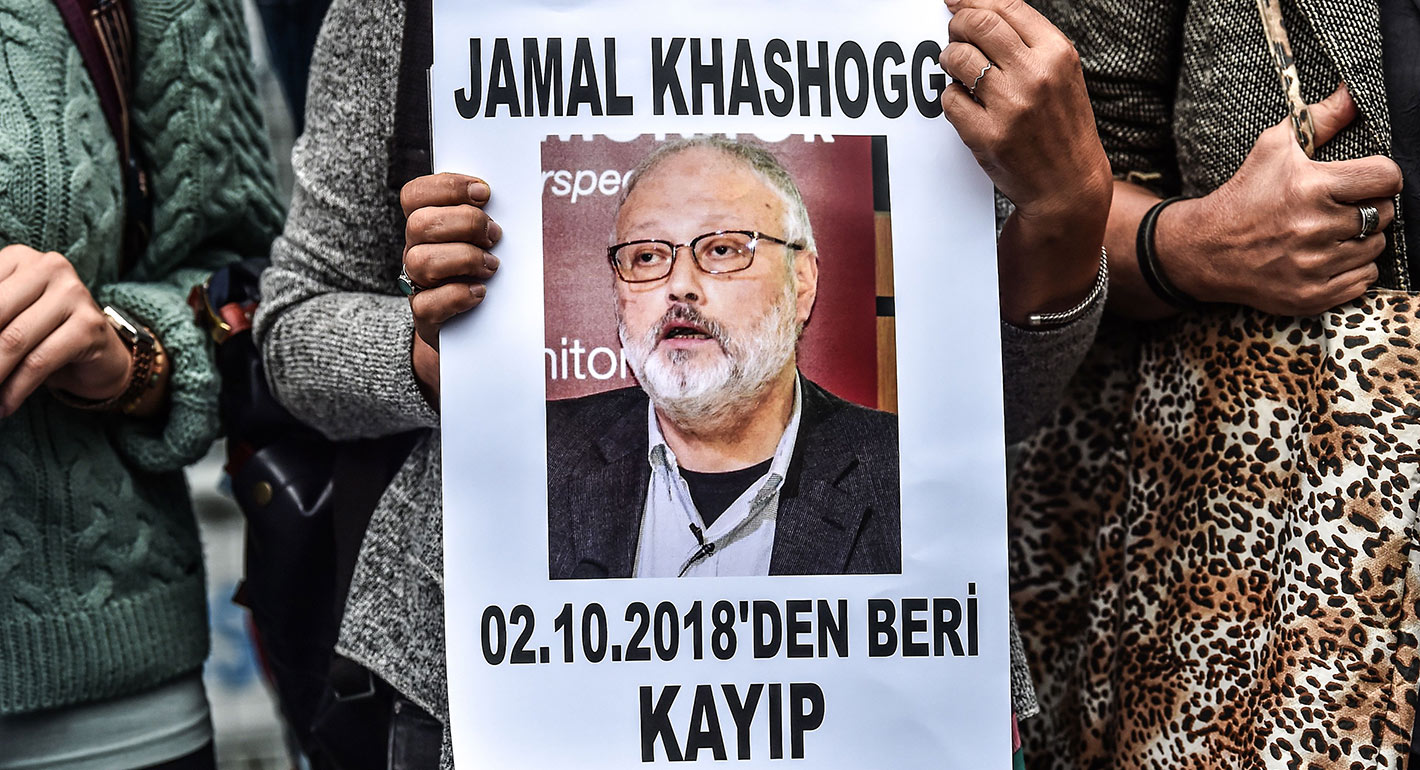
The outrageous murder of the Saudi dissident Jamal Khashoggi in the kingdom’s consulate in Istanbul has brought into sharp relief the deepening conflict between Riyadh and Ankara.
C. Raja Mohan