

Q&A
Suzanne Maloney, Aaron David Miller, Karim Sadjadpour
{
  "authors": [
    "Karim Sadjadpour"
  ],
  "type": "legacyinthemedia",
  "centerAffiliationAll": "dc",
  "centers": [
    "Carnegie Endowment for International Peace"
  ],
  "collections": [],
  "englishNewsletterAll": "menaTransitions",
  "nonEnglishNewsletterAll": "",
  "primaryCenter": "Carnegie Endowment for International Peace",
  "programAffiliation": "MEP",
  "programs": [
    "Middle East"
  ],
  "projects": [],
  "regions": [
    "Middle East",
    "Iran"
  ],
  "topics": [
    "Political Reform",
    "Nuclear Policy"
  ]
}
Source: Getty
The IAEA announcement that Iran may be working towards a nuclear warhead plays into growing international concerns that Iran is becoming a military dictatorship, with the influence of the Revolutionary Guards eclipsing that of the clergy.
Source: PBS' Worldfocus
Secretary Clinton’s recent remark that Iran is moving towards becoming a “military dictatorship” has helped spotlight the role of the Revolutionary Guards in Iran. Karim Sadjadpour asserts that “the Revolutionary Guards has surpassed the clergy in Iran in terms of political and economic influence and are running Iranian foreign policy in Iraq, Lebanon and Afghanistan.”
Ayatollah Khamenei and President Ahmadinejad have spearheaded this transition to military dictatorship. The regime is facing increasing scrutiny on its nuclear program, after a recent International Atomic Energy Agency report stated that Iran has either resumed work on making a nuclear warhead or had never stopped. Although many actors in the international community have expressed concerns over this report, Sadjadpour suggests that it will not be a “game changer” nor affect the Obama administration’s efforts to sanction Iran.

Senior Fellow, Middle East Program
Karim Sadjadpour is a senior fellow at the Carnegie Endowment for International Peace, where he focuses on Iran and U.S. foreign policy toward the Middle East.
Recent Work


Suzanne Maloney, Aaron David Miller, Karim Sadjadpour

Aaron David Miller, Karim Sadjadpour, Robin Wright
Carnegie India does not take institutional positions on public policy issues; the views represented herein are those of the author(s) and do not necessarily reflect the views of Carnegie, its staff, or its trustees.
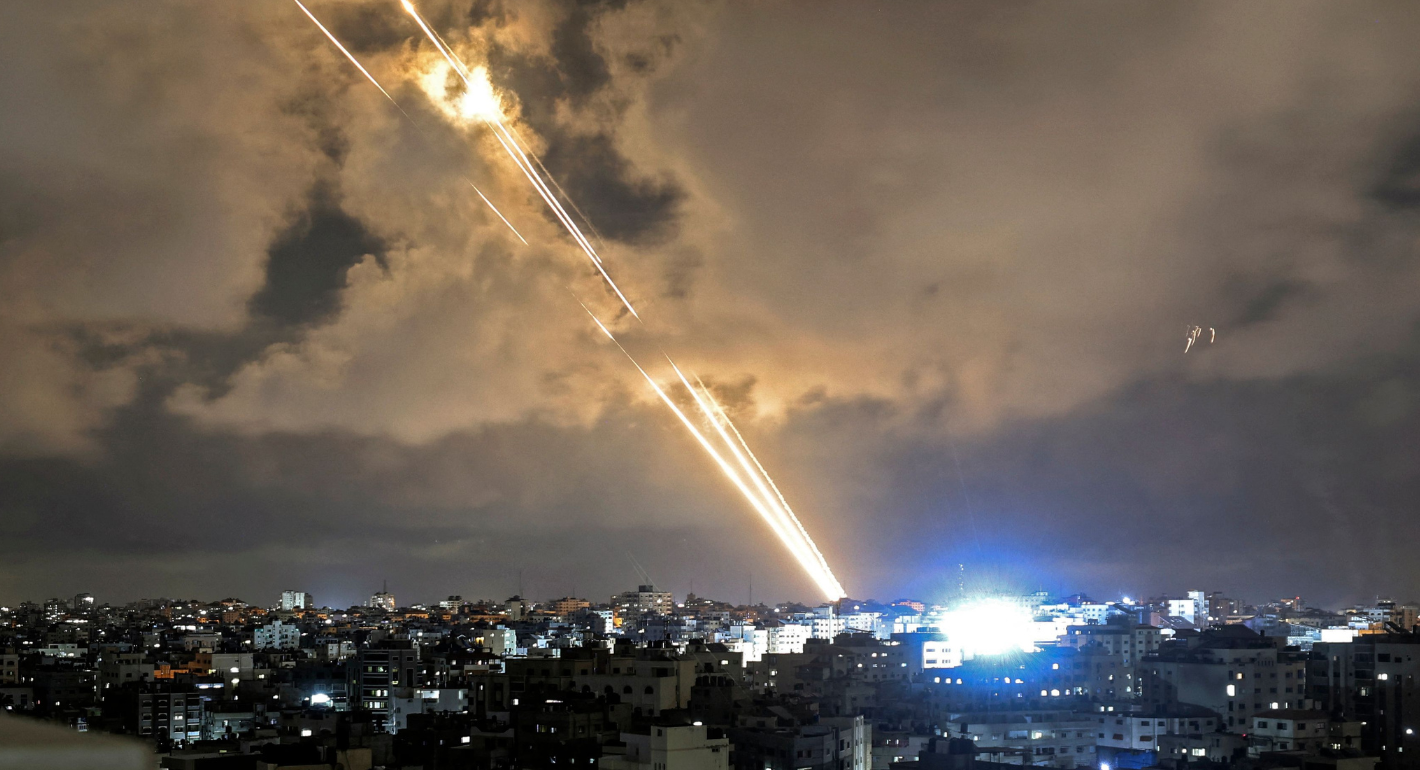
An Israeli response to Iran’s October 1 attack is imminent. The key question is of its intensity and potential fallout, both within Iran, in terms of nuclear security policy changes, and across the broader region. The coming days are likely to reshape West Asia irreversibly.
Gaddam Dharmendra
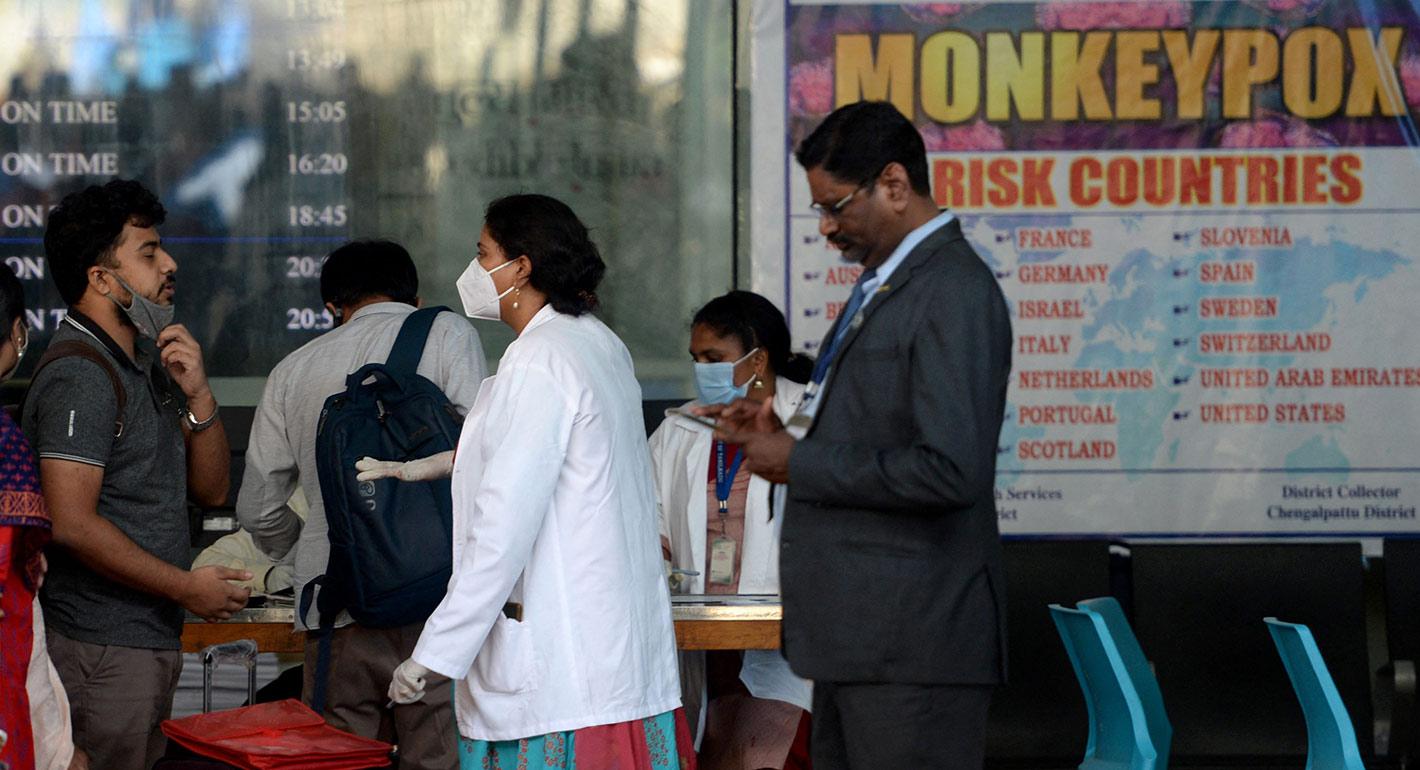
With monkeypox being declared a global health emergency, the WHO approach is an innovative and effective way to curb outbreaks of zoonotic diseases.

Shruti Sharma
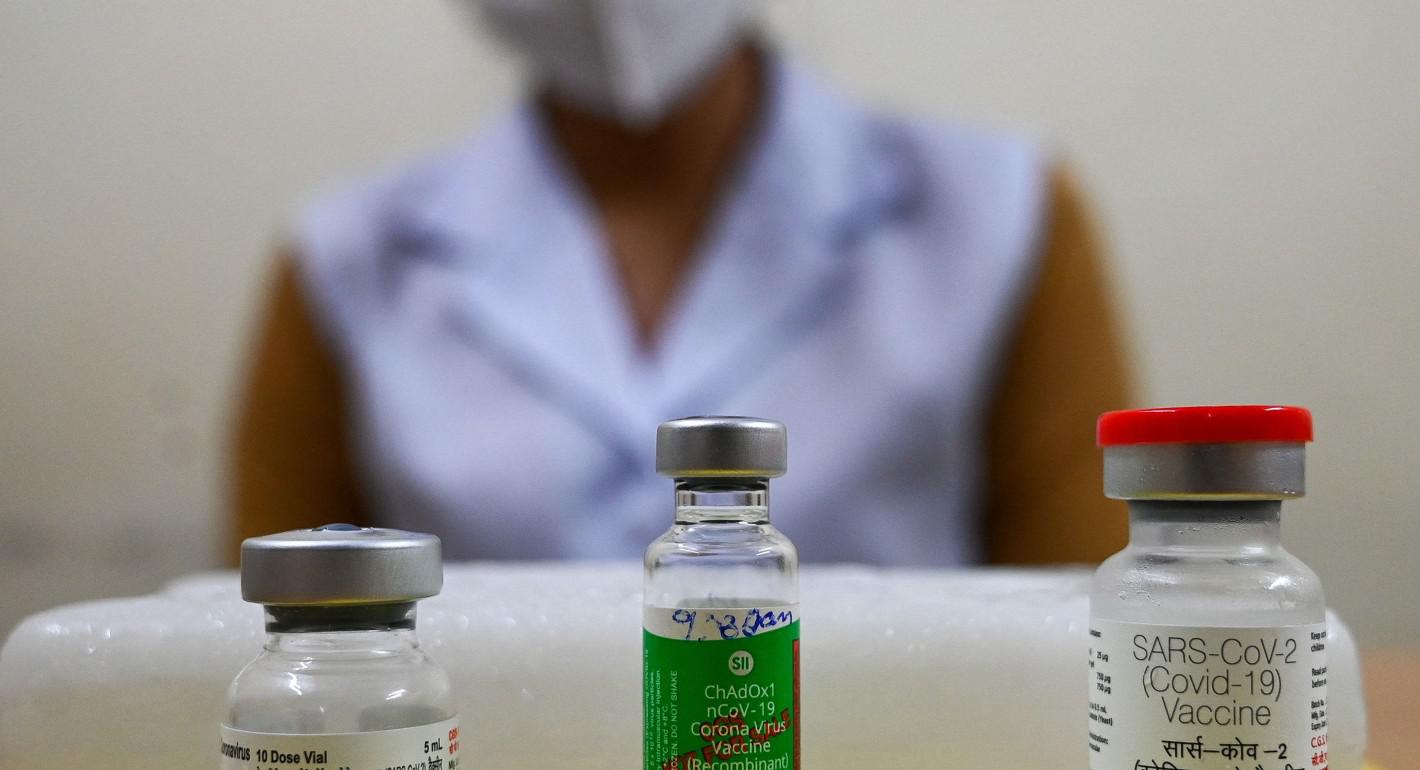
In India, biotechnology has played an important role in helping stakeholders in academia, industry, and government develop new pandemic-related technology, from test kits to respiratory devices. But these biotechnology advancements can go further to strengthen India’s public health capacity.
Shruti Sharma
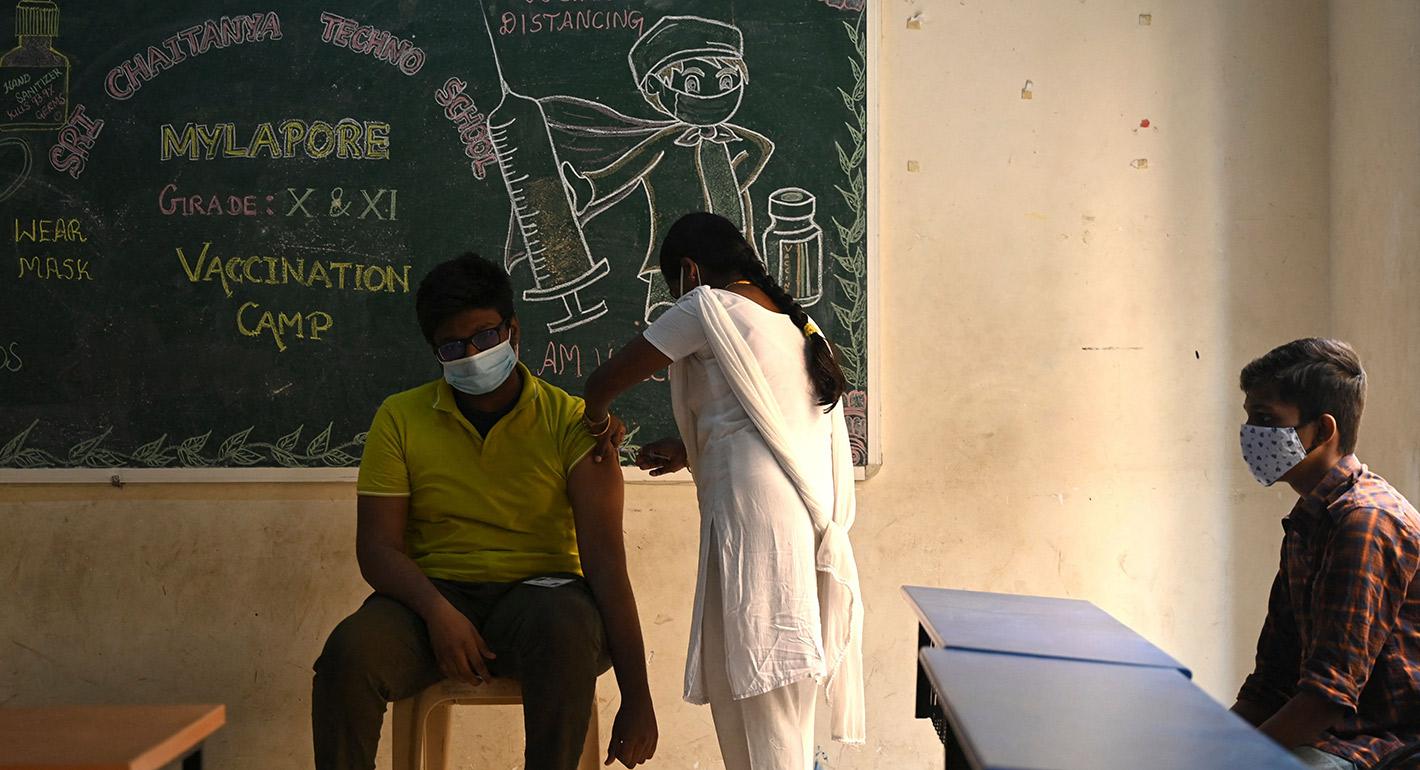
Unless the government can up its communications game, anti-vax movements could prolong India’s pandemic effects.
Shruti Sharma
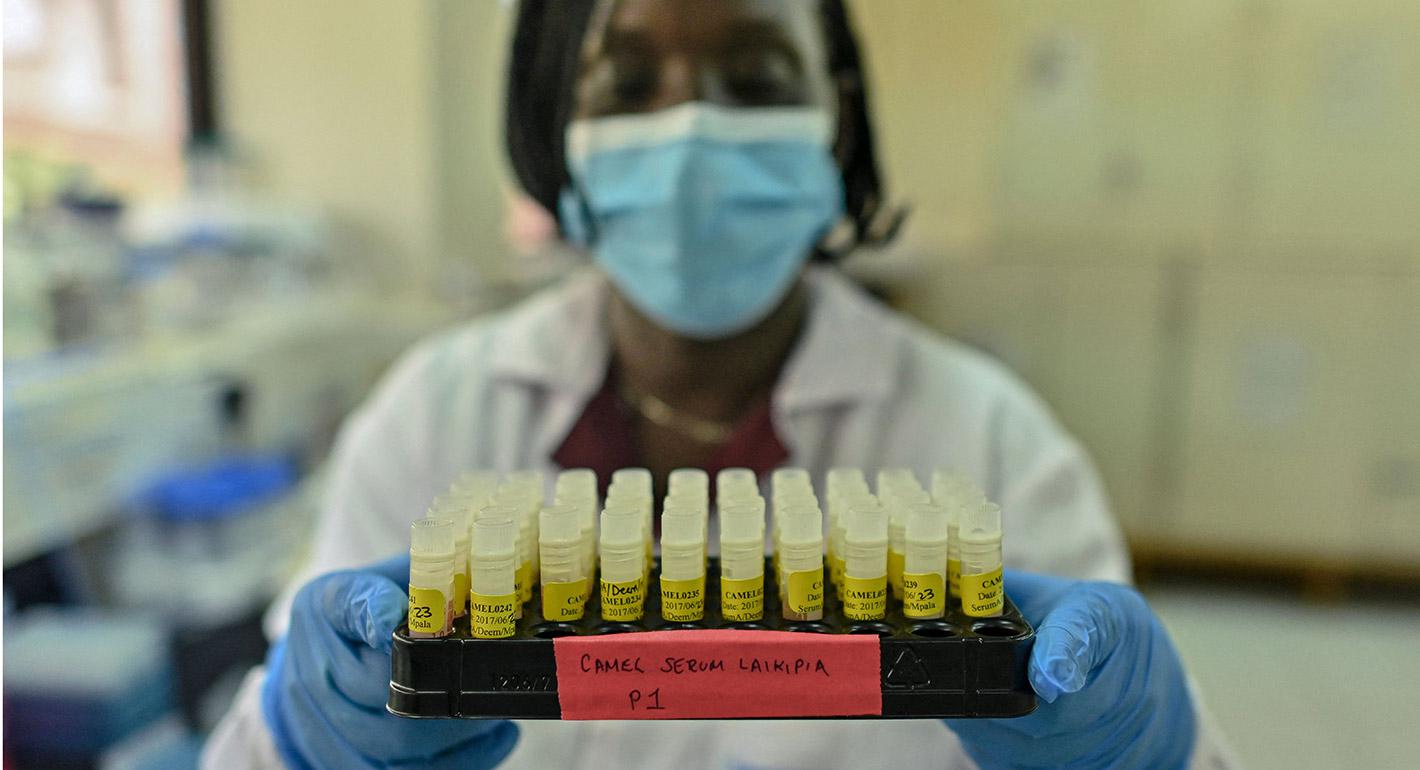
The uncertain origin of the coronavirus has focused attention on gain-of-function research—studying viruses to learn how they spread. How can countries work together to ensure stringent safety standards?
Shruti Sharma