

Article
Henri J. Barkey
{
  "authors": [
    "Henri J. Barkey"
  ],
  "type": "legacyinthemedia",
  "centerAffiliationAll": "dc",
  "centers": [
    "Carnegie Endowment for International Peace",
    "Carnegie Europe"
  ],
  "collections": [
    "Turkey’s Transformation"
  ],
  "englishNewsletterAll": "menaTransitions",
  "nonEnglishNewsletterAll": "",
  "primaryCenter": "Carnegie Endowment for International Peace",
  "programAffiliation": "MEP",
  "programs": [
    "Middle East"
  ],
  "projects": [],
  "regions": [
    "Middle East",
    "Türkiye",
    "Europe"
  ],
  "topics": [
    "Political Reform"
  ]
}
Source: Getty
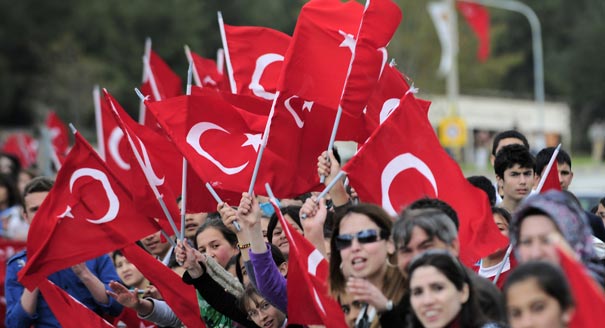
Turkey's constitution, imposed by the military in 1982, must be redrafted if the country is to move towards a more responsive political system and avoid repeating the cycle of paralysis followed by heavy-handed military and judicial intervention.
Source: National Interest

Although the two service chiefs and the deputy chief of staff were released, the sight of so many high-ranking officers being hauled in front of judges is unprecedented. It is too early to tell whether these arrests will solidify the attitudes of hard-line officers who are itching to topple the government, or whether the era of coups and other forms of unconstitutional attempts at overthrowing the system is over. All signs do point to the latter; and, in any case, there is still a significant threshold to cross—the expected change in military command in August.
What is clear, however, is that unless Turkey manages to devise a new constitution to replace the one imposed by the military in 1982, it will face increasing instability and likely become prone to erratic foreign-policy behavior.

Former Visiting Scholar, Middle East Program
Barkey served as a member of the U.S. State Department Policy Planning Staff, working primarily on issues related to the Middle East, the Eastern Mediterranean, and intelligence from 1998 to 2000.
Recent Work
Henri J. Barkey
Henri J. Barkey
Carnegie India does not take institutional positions on public policy issues; the views represented herein are those of the author(s) and do not necessarily reflect the views of Carnegie, its staff, or its trustees.
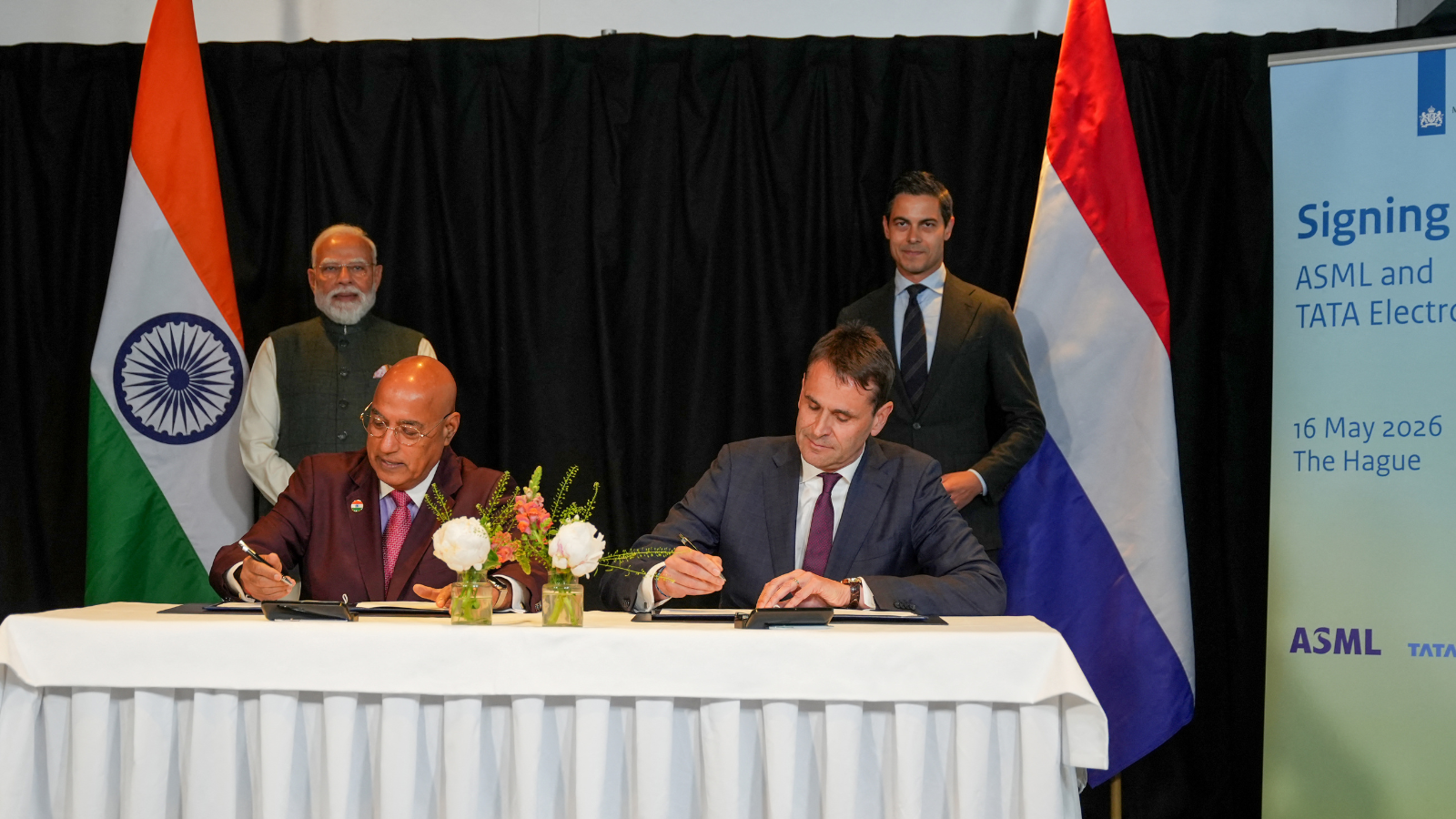
The ASML MoU with Tata Electronics is an indicator of how far the Indian semiconductor ecosystem has come. This ecosystem has been years in the making and represents real commercial logic.

Konark Bhandari

The India–EU Free Trade Agreement (FTA) is shaping up to be one of the most consequential trade negotiations, both economically and strategically. But, what’s in the agreement, what’s missing, and what will determine its success in the years ahead

Vrinda Sahai, Nicolas Köhler-Suzuki
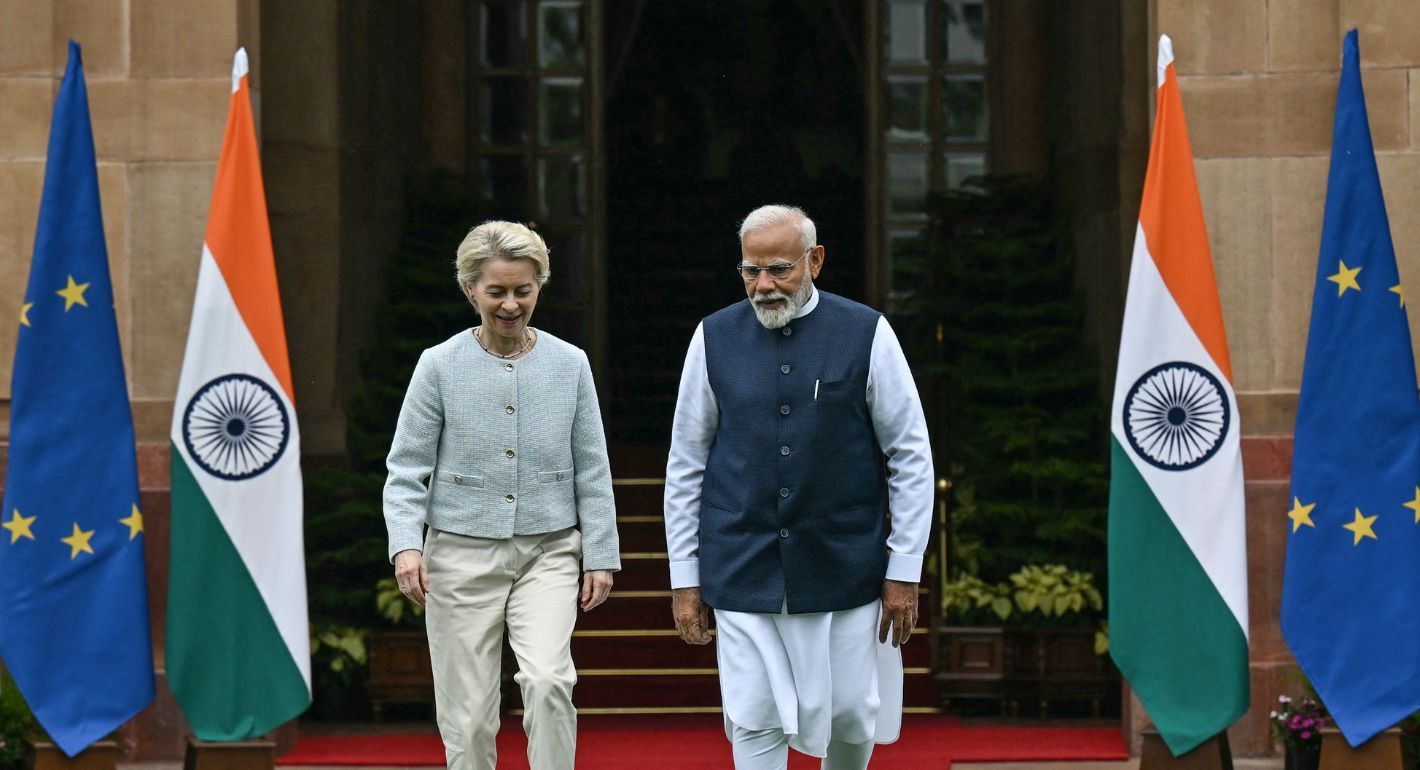
This article argues that the geopolitical circumstances have never been more conducive, not merely for the early conclusion of the free trade agreement (FTA) between India and the EU, but also for crafting a substantive and comprehensive strategic partnership.
Mohan Kumar
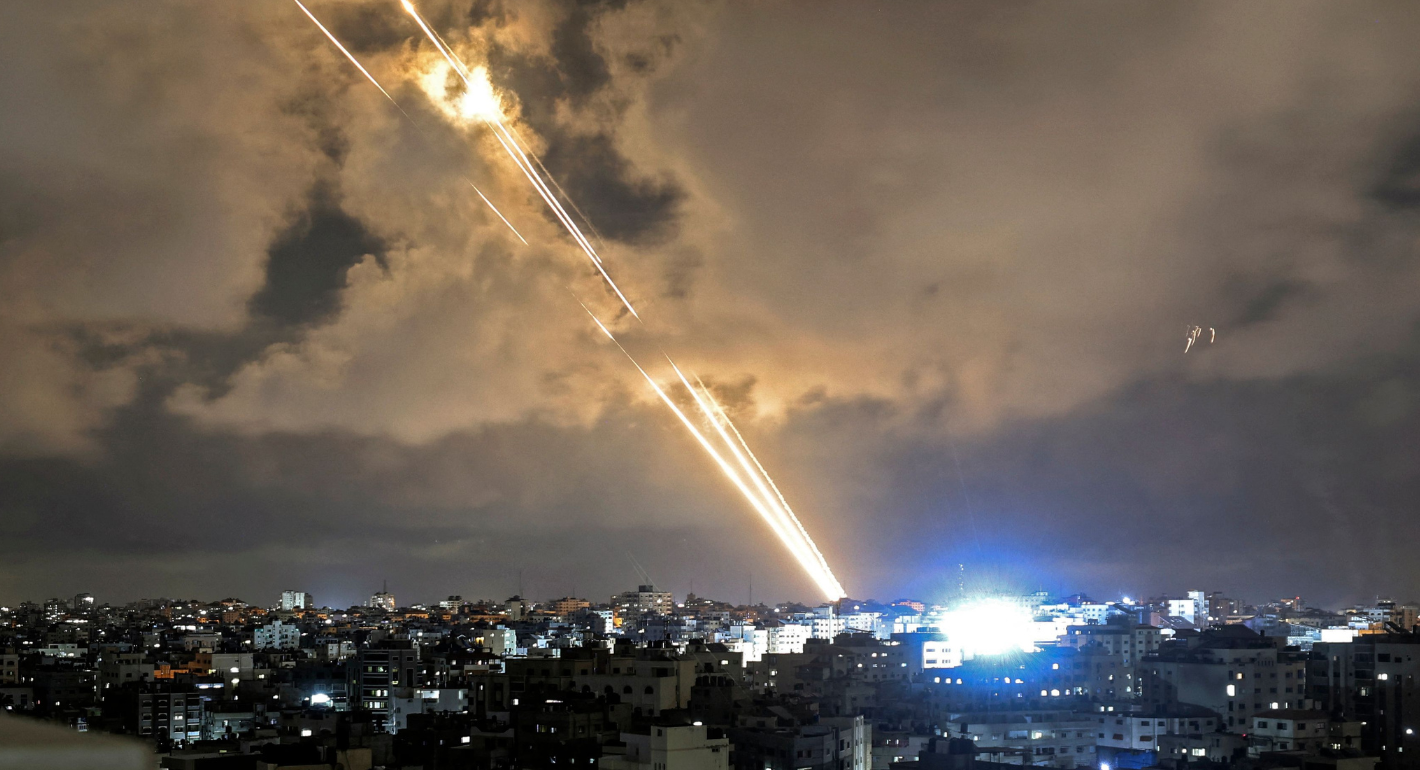
An Israeli response to Iran’s October 1 attack is imminent. The key question is of its intensity and potential fallout, both within Iran, in terms of nuclear security policy changes, and across the broader region. The coming days are likely to reshape West Asia irreversibly.
Gaddam Dharmendra
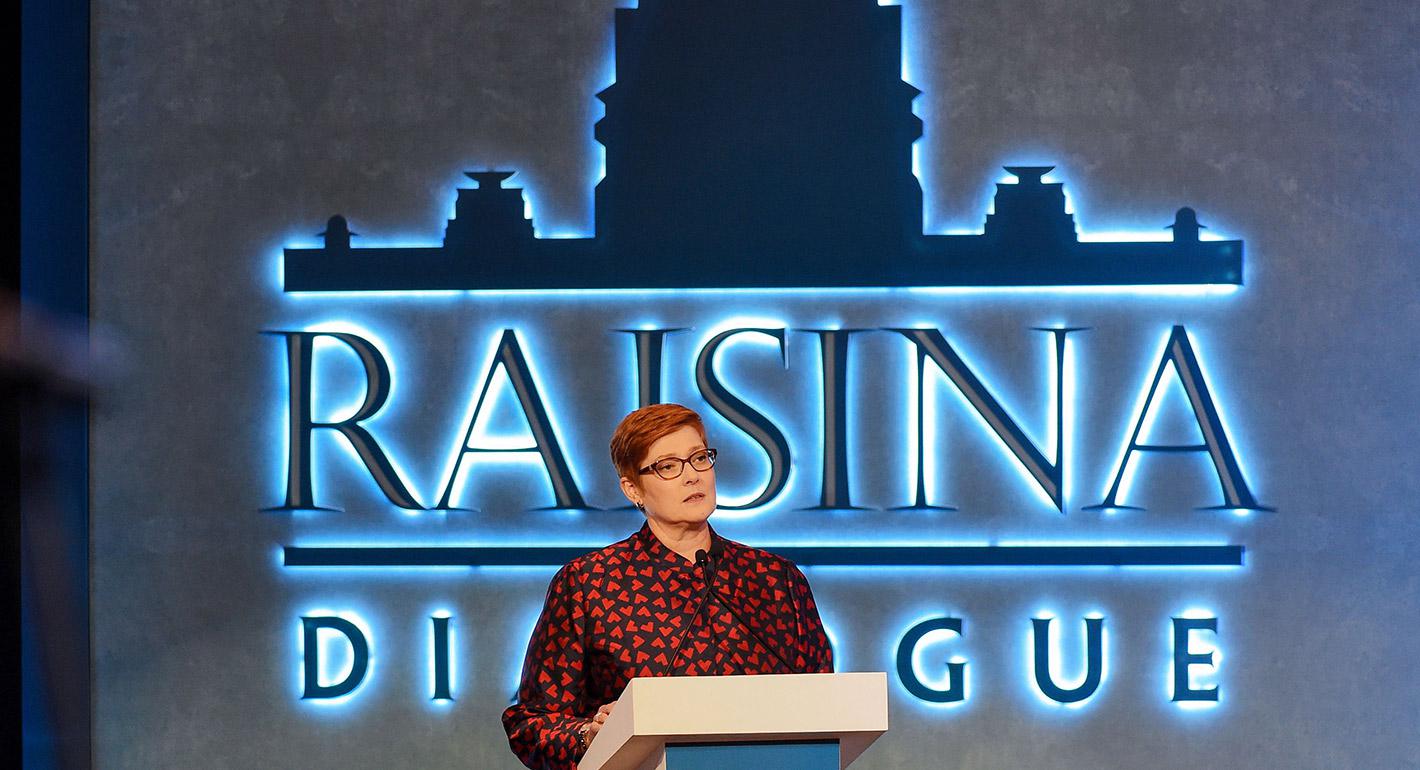
Foreign ministers from India, France, and Australia recently met (virtually) at the Raisina Dialogue, India’s flagship annual conference on geopolitics and geoeconomics. What can they get done if they work together?

Rudra Chaudhuri, Shibani Mehta