• Research
  • About
  • Experts
Carnegie India logoCarnegie lettermark logo
AI
{
  "authors": [
    "Michele Dunne"
  ],
  "type": "legacyinthemedia",
  "centerAffiliationAll": "dc",
  "centers": [
    "Carnegie Endowment for International Peace",
    "Carnegie Europe",
    "Malcolm H. Kerr Carnegie Middle East Center"
  ],
  "collections": [],
  "englishNewsletterAll": "menaTransitions",
  "nonEnglishNewsletterAll": "",
  "primaryCenter": "Carnegie Endowment for International Peace",
  "programAffiliation": "MEP",
  "programs": [
    "Middle East"
  ],
  "projects": [],
  "regions": [
    "Middle East",
    "Israel",
    "Levant"
  ],
  "topics": [
    "Security"
  ]
}
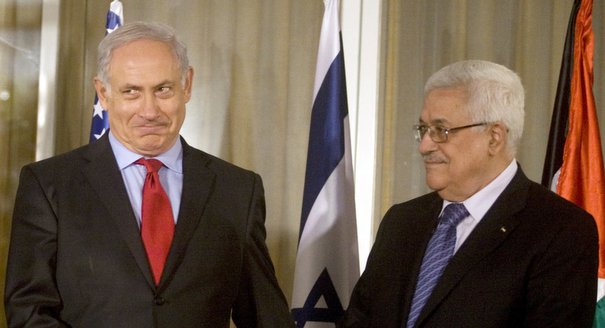
Source: Getty

In The Media

Distinguishing Between Settlers

Prime Minister Netanyahu must minimize the political and financial support for hard-core settlers, in order to mitigate the possibility that they negatively affect the peace talks.

Link Copied
By Michele Dunne
Published on Sep 1, 2010

Source: The New York Times

Distinguishing Between SettlersPrime Minister Netanyahu would not be able to bring the entire settler movement on board for any kind of territorial deal that would be acceptable to Palestinians. But by breaking down the issue, he may be able to address the various constituencies within the 300,000 settler population in the West Bank, now 50 percent bigger than it was in 2000.

The question is whether Netanyahu could minimize the amount of political and financial support that hard-core settlers can draw.

First, more than two-thirds of them live in large settlements that are relatively close to the 1967 Green Line and likely to be kept by Israel in a land swap deal with the Palestinians. Second, of the remainder who reside in settlements that would become part of the Palestinian state, some live there primarily for affordable housing and would be willing to relocate inside Israel in exchange for attractive compensation.
 
But there would definitely remain a hard core of thousands — probably tens of thousands — of religiously or politically motivated settlers who would not cooperate with evacuation and who would mobilize their many allies inside the Israeli parliament, government, and in the United States to try to derail a deal.
 
The question is whether Netanyahu could satisfy the concerns of most Israelis (including on religious issues such as access to Jewish holy sites in Jerusalem, Hebron, and elsewhere in the West Bank, as well as territorial and security issues) through a deal with the Palestinians and thereby minimize the amount of political and financial support on which recalcitrant settlers could draw. But at present the Israelis and Palestinians are still far from a point in the negotiations at which Netanyahu would face this problem.

About the Author

Michele Dunne

Former Nonresident Scholar, Middle East Program

Michele Dunne was a nonresident scholar in Carnegie’s Middle East Program, where her research focuses on political and economic change in Arab countries, particularly Egypt, as well as U.S. policy in the Middle East.

    Recent Work

  • Research
    Islamic Institutions in Arab States: Mapping the Dynamics of Control, Co-option, and Contention
      • +6

      Yasmine Farouk, Nathan J. Brown, Maysaa Shuja Al-Deen, …

  • Research
    From Hardware to Holism: Rebalancing America’s Security Engagement With Arab States
      • +8

      Robert Springborg, Emile Hokayem, Becca Wasser, …

Michele Dunne
Former Nonresident Scholar, Middle East Program
Michele Dunne
SecurityMiddle EastIsraelLevant

Carnegie India does not take institutional positions on public policy issues; the views represented herein are those of the author(s) and do not necessarily reflect the views of Carnegie, its staff, or its trustees.

More Work from Carnegie India

  • Commentary
    The Impact of U.S. Sanctions and Tariffs on India’s Russian Oil Imports

    This piece examines India’s response to U.S. sanctions and tariffs, specifically assessing the immediate market consequences, such as alterations in import costs, and the broader strategic implications for India’s energy security and foreign policy orientation.

      Vrinda Sahai
  • Article
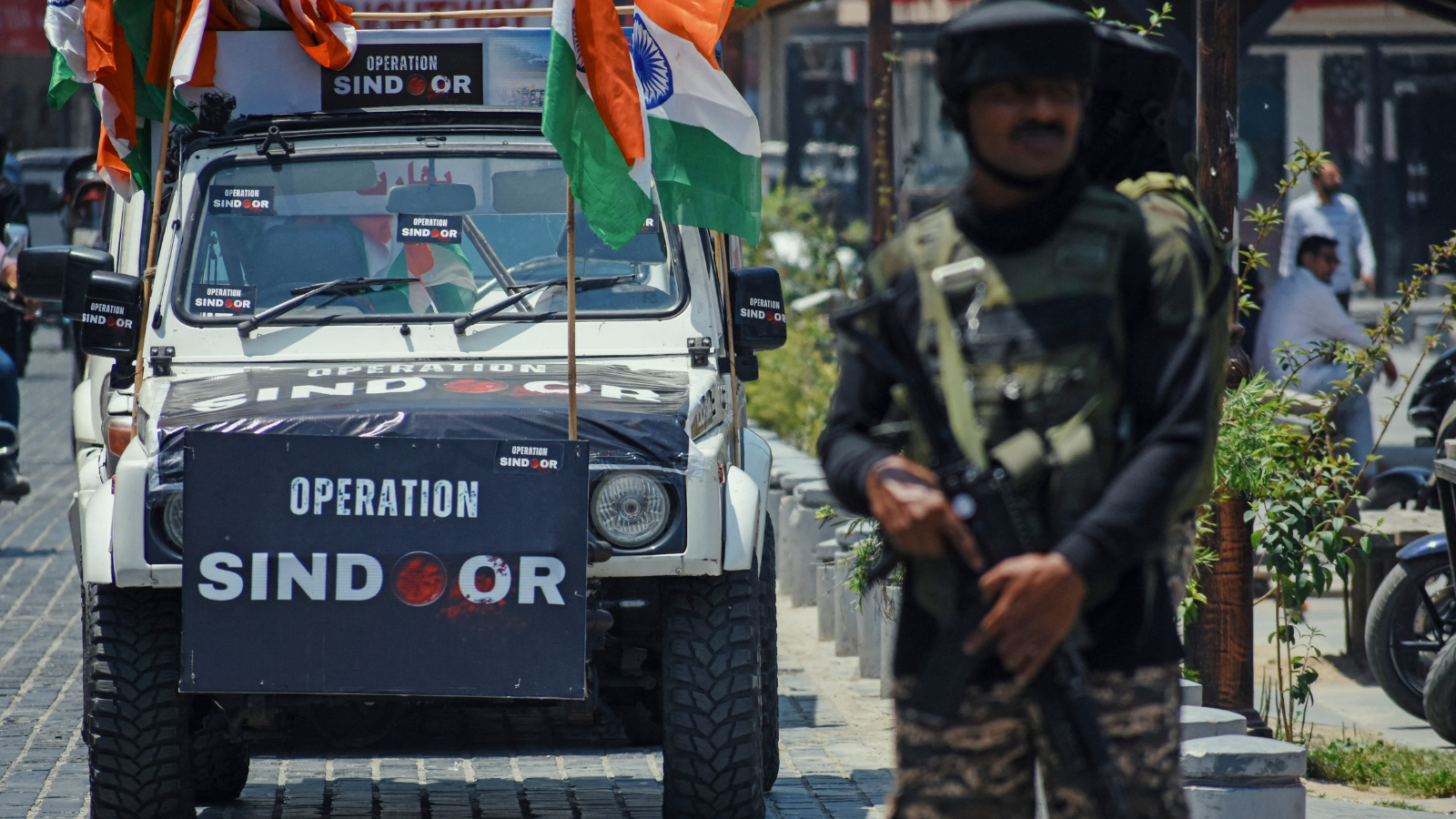
    Military Lessons from Operation Sindoor

    The India-Pakistan conflict that played out between May 6 and May 10, 2025, offers several military lessons. This article presents key takeaways from Operation Sindoor and breaks down how India’s preparations shaped the outcome and what more is needed to strengthen future readiness.
      Dinakar Peri

  • Book
    India and the Sovereignty Principle: The Disaggregation Imperative

    This book offers a comprehensive analysis of India's evolving relationship with sovereignty in a complex global order. Moving beyond conventional narratives, it examines how the sovereignty principle shapes India's behavior across four critical domains—from traditional military power to contemporary data governance.

      Rudra Chaudhuri, Nabarun Roy

  • Article
    Hidden Tides: IUU Fishing and Regional Security Dynamics for India

    This article examines the scale and impact of Chinese IUU fishing operations globally and identifies the nature of the challenge posed by IUU fishing in the Indian Ocean Region (IOR). It also investigates why existing maritime law and international frameworks have struggled to address this growing threat.

      Ajay Kumar, Charukeshi Bhatt

  • Book
    Violence and Development Along the India-Pakistan Border in Jammu and Kashmir

    This book examines the impact of cross-border violence on communities living along the Line of Control and the International Border in Jammu and Kashmir, India.

      Deep Pal, Surya Valliappan Krishna, Saheb Singh Chadha

Get more news and analysis from
Carnegie India
Carnegie India logo, white
Unit C-4, 5, 6, EdenparkShaheed Jeet Singh MargNew Delhi – 110016, IndiaPhone: 011-40078687
  • Research
  • About
  • Experts
  • Projects
  • Events
  • Contact
  • Careers
  • Privacy
  • For Media
Get more news and analysis from
Carnegie India
© 2026 Carnegie Endowment for International Peace. All rights reserved.







