• Research
  • About
  • Experts
Carnegie India logoCarnegie lettermark logo
AI
{
  "authors": [],
  "type": "pressRelease",
  "centerAffiliationAll": "dc",
  "centers": [
    "Carnegie Endowment for International Peace"
  ],
  "collections": [],
  "englishNewsletterAll": "ctw",
  "nonEnglishNewsletterAll": "",
  "primaryCenter": "Carnegie Endowment for International Peace",
  "programAffiliation": "SAP",
  "programs": [
    "South Asia"
  ],
  "projects": [],
  "regions": [
    "South Asia",
    "Pakistan"
  ],
  "topics": []
}
REQUIRED IMAGE

REQUIRED IMAGE

Press Release

Tax reform essential for rescuing Pakistan’s economy

Unable to sustain solid growth, Pakistan’s economy is teetering on the brink of collapse, with one-third of the population living below the poverty line. S. Akbar Zaidi writes that without tax reform, Pakistan will continue to run an unsustainable debt and be forced to rely on Western donors for bailouts.

Link Copied
Published on Sep 15, 2010

WASHINGTON, September 15—Unable to sustain solid growth, Pakistan’s economy is teetering on the brink of collapse, with one-third of the population living below the poverty line. S. Akbar Zaidi writes in a new brief that Pakistan’s economic instability stems in large part from low government revenue due to the elite’s use of tax evasions, loopholes, and exemptions. Without tax reform, Pakistan will continue to run an unsustainable debt and be forced to rely on Western donors for bailouts.

Policy Recommendations:
  • Eliminate exemptions. Fewer than three million of Pakistan’s 175 million citizens pay any income tax, and the country’s tax-to-GDP ratio is just 9 percent. By eliminating tax exemptions for the rich, politicians can fund essential social services.
  • Increase tax revenue. Pakistani legislators must build a consensus to tax the rich and elite if they want to match growth rates in nearby developing countries.
  • Spend more on development. Pakistan has spent twice as much on defense during peacetime as it has on education and health combined—this needs to change.
  • Stop the bailouts. Donor countries must put conditions on funding and should emphasize tax and economic reform to help Pakistan develop long-term economic plans for sustainable growth.

“Pakistan’s lack of a proper tax and revenue regime has resulted in high rates of tax evasion, burdening the country with unsustainable debt and undermining its development priorities,” writes Zaidi. “The key to the country’s economic prosperity—even its survival—is a far-reaching program of tax reform.”

###

NOTES
  • Click here to read the full brief.
  • S. Akbar Zaidi is a visiting scholar in the Carnegie Endowment’s South Asia Program. A visiting professor at Columbia University, with a joint appointment in the School of International Public Affairs and the Department of Middle Eastern, South Asian, and African Studies, his research focuses on development, governance, and political economy in South Asia.  His twelfth book, Military, Civil Society and Democratization in Pakistan, is to be published by Vanguard Press, Lahore in October 2010.
  • The Carnegie South Asia Program informs policy debates relating to the region’s security, economy, and political development. From the war in Afghanistan to Pakistan’s internal dynamics to U.S. engagement with India, the Program’s renowned team of experts offer in-depth analysis derived from their unique access to the people and places defining South Asia’s most critical challenges. offers in-depth expertise on a range of issues relating to South Asia, including nonproliferation, international security, and political and economic development.
  • Press Contact: Kendra Galante, 202-939-2289, pressoffice@ceip.org
South AsiaPakistan

Carnegie India does not take institutional positions on public policy issues; the views represented herein are those of the author(s) and do not necessarily reflect the views of Carnegie, its staff, or its trustees.

More Work from Carnegie India

  • Article
    Military Lessons from Operation Sindoor

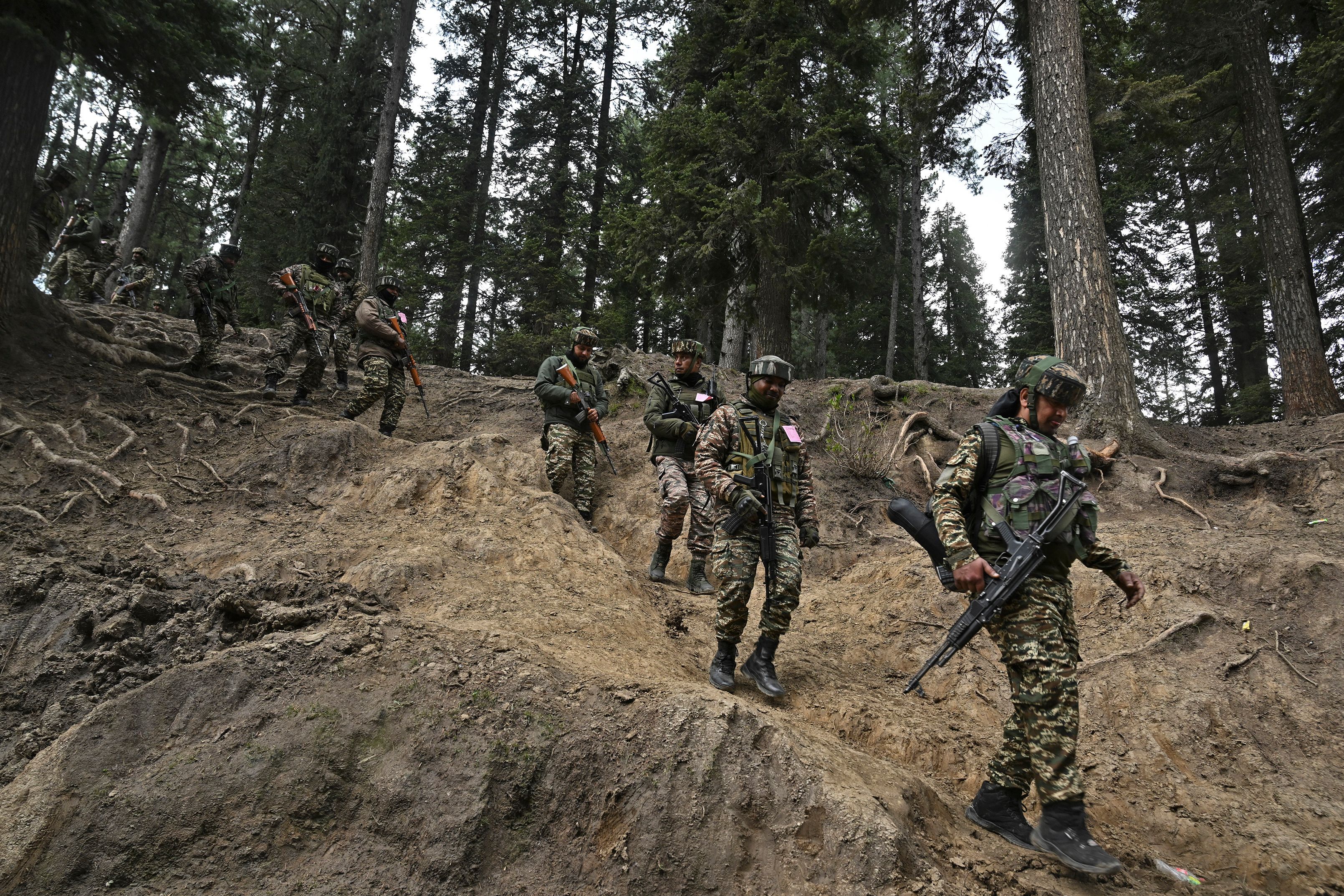
    The India-Pakistan conflict that played out between May 6 and May 10, 2025, offers several military lessons. This article presents key takeaways from Operation Sindoor and breaks down how India’s preparations shaped the outcome and what more is needed to strengthen future readiness.

      Dinakar Peri

  • Book
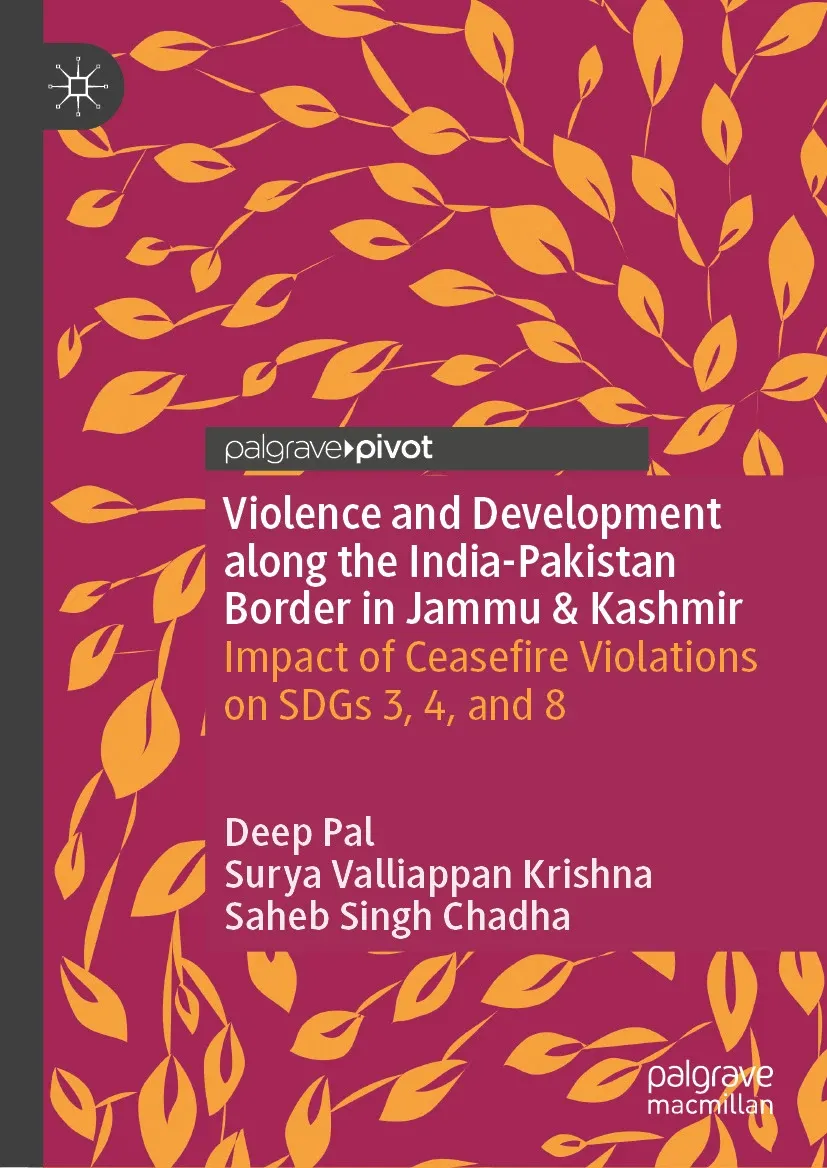
    Violence and Development Along the India-Pakistan Border in Jammu and Kashmir

    This book examines the impact of cross-border violence on communities living along the Line of Control and the International Border in Jammu and Kashmir, India.

      Deep Pal, Surya Valliappan Krishna, Saheb Singh Chadha

  • Commentary
    Indian Airstrikes in Pakistan: May 7, 2025

    On May 7, 2025, between 1:05 and 1:30 a.m. (IST), airstrikes carried out by the Indian Air Force hit nine locations inside Pakistan and Pakistan occupied Kashmir (PoK). It was codenamed Operation Sindoor.

      Rudra Chaudhuri

  • Article
    Understanding the Global Debate on Lethal Autonomous Weapons Systems: An Indian Perspective

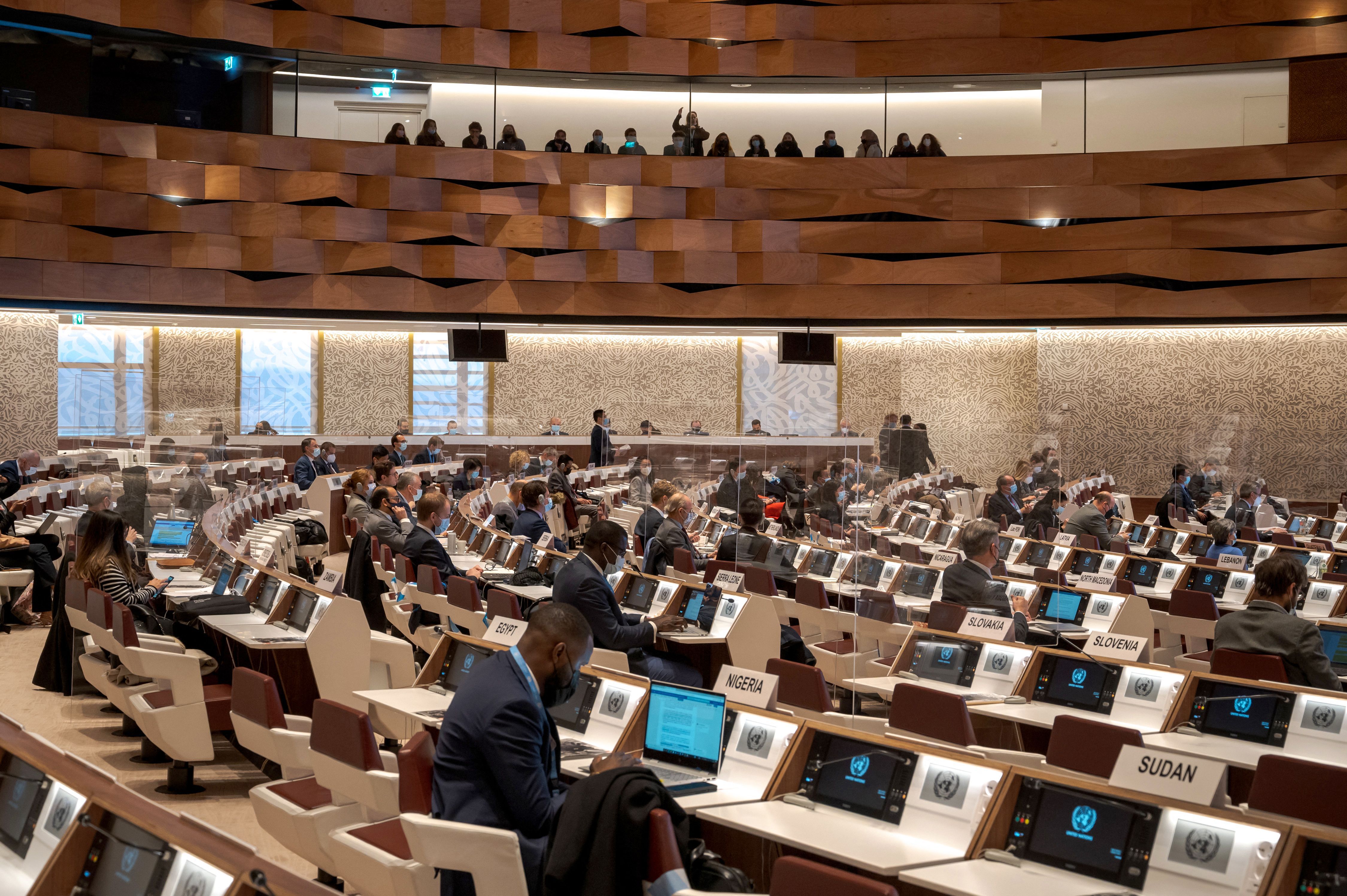
    This article explores the global debate on lethal autonomous weapons systems (LAWS), highlighting the convergences, complexities, and differences within and beyond the UN Group of Governmental Experts (GGE) on LAWS. It further examines India’s key position at the GGE and the probable reasons behind them.

      Charukeshi Bhatt, Tejas Bharadwaj

  • Commentary
    A Primer on Compute

    This essay is the first of a three-part series that will seek to understand the considerations for building compute capacity and the different pathways to accessing compute in India. This essay delves into the meaning of compute and unpacks the various layers of the compute stack.

      Aadya Gupta, Adarsh Ranjan

Get more news and analysis from
Carnegie India
Carnegie India logo, white
Unit C-4, 5, 6, EdenparkShaheed Jeet Singh MargNew Delhi – 110016, IndiaPhone: 011-40078687
  • Research
  • About
  • Experts
  • Projects
  • Events
  • Contact
  • Careers
  • Privacy
  • For Media
Get more news and analysis from
Carnegie India
© 2026 Carnegie Endowment for International Peace. All rights reserved.