
• Research
  • About
  • Experts
Carnegie India logoCarnegie lettermark logo
AI
{
  "authors": [],
  "type": "other",
  "centerAffiliationAll": "dc",
  "centers": [
    "Carnegie Endowment for International Peace"
  ],
  "collections": [],
  "englishNewsletterAll": "ctw",
  "nonEnglishNewsletterAll": "",
  "primaryCenter": "Carnegie Endowment for International Peace",
  "programAffiliation": "SCP",
  "programs": [
    "Sustainability, Climate, and Geopolitics"
  ],
  "projects": [],
  "regions": [
    "North America",
    "United States"
  ],
  "topics": [
    "Climate Change"
  ]
}

Source: Getty

Other

A Letter to the National Commission on Fiscal Responsibility and Reform

Given preliminary findings from an ongoing analysis of the U.S. transportation system's contribution to the national deficit, there are three important principles that the National Commission on Fiscal Responsibility and Reform should consider in its final report to the President.

Link Copied
Published on Nov 5, 2010

Source: November 5

On November 5, 2010, the Co-Chairs of the Leadership Initiative on Transportation Solvency, Bill Bradley, Tom Ridge and David Walker, sent a letter to Erskine Bowles and Alan Simpson, Chairmen of the National Commission on Fiscal Responsibility and Reform. Prompted by preliminary findings from an ongoing analysis of the U.S. transportation system's contribution to the national deficit, the letter recommends three important principles for the Commission to consider in its final report to the President by December 1, 2010. 


Dear Chairman Bowles and Chairman Simpson,

We write as Co-Chairs of the Leadership Initiative for Transportation Solvency, an initiative formed by the Carnegie Endowment for International Peace. Under our leadership, this initiative will conduct an analysis of strategies to end the U.S. transportation system’s burden on the national deficit. Strategies will be politically realistic but also serve to make transportation better, greener, and more fiscally sound.

The U.S. highway trust fund is broke, unaccountable spending undermines long-term strategic priorities, and infrastructure is crumbling. Failure to reform the transportation system risks deepening U.S. dependence on oil, climate change challenges, and eroding economic competitiveness. Waiting to make real improvements only drives up future costs whereas responsible policies can improve transportation and reduce the national deficit today.

Enclosed is an explanation of our preliminary findings from the initiative with recommendations. In summary, we recommend that the National Commission on Fiscal Responsibility and Reform:

END WASTEFUL SPENDING ON EXISTING SURFACE TRANSPORTATION ACCOUNTS
Create in the next transportation reauthorization bill a Transportation Realignment and Accountability Commission. The commission could review all non-core surface transportation programs and recommend, based on performance against their original legislative justifications, whether they should be continued or terminated.

INVEST IN INFRASTRUCTURE TO GROW THE ECONOMY
Smart investments will grow the economy. Require all federal capital surface transportation investments, other than assistance for reconstruction and state of good repair programs, to be distributed on a competitive basis and subject to rigorous economic analysis. Funding should be predicated on projects meeting minimum benefit-cost requirements.

FULLY FUND A REFORMED FEDERAL SURFACE TRANSPORTATION PROGRAM WITH NEW REVENUE SOURCES
Publicly-funded or financed transportation investment programs should add revenue to the general fund of the U.S. Treasury. We further recommend that this funding goal be achieved through pricing of carbon emissions from within the transportation sector, either through (1) increased gas taxes, (2) a sales tax (or other tax indexed to price and inflation) on gasoline, (3) emission-based user fees for access to capacity on the National Transportation System (NTS), or (4) a fee on oil consumption imposed at the well-head or the point of importation of oil or refined oil products.

We look forward to working with you on this important matter.

Sincerely,


The Honorable William W. Bradley

The Honorable Thomas J. Ridge

The Honorable David M. Walker

Climate ChangeNorth AmericaUnited States

Carnegie India does not take institutional positions on public policy issues; the views represented herein are those of the author(s) and do not necessarily reflect the views of Carnegie, its staff, or its trustees.

More Work from Carnegie India

  • Article
    What Could a Reciprocal Defense Procurement Agreement Do for U.S.-India Ties?

    India and the United States are close to concluding a Reciprocal Defense Procurement Agreement (RDPA) that will allow firms from the two countries to sell to each other’s defense establishments more easily. While this may not remedy the specific grievances both sides may have regarding larger bilateral issues, an RDPA could restore some momentum, following the trade deal announcement.

      Konark Bhandari

  • Commentary
    India Signs the Pax Silica—A Counter to Pax Sinica?

    On the last day of the India AI Impact Summit, India signed Pax Silica, a U.S.-led declaration seemingly focused on semiconductors. While India’s accession to the same was not entirely unforeseen, becoming a signatory nation this quickly was not on the cards either.

      Konark Bhandari

  • Commentary
    The Impact of U.S. Sanctions and Tariffs on India’s Russian Oil Imports

    This piece examines India’s response to U.S. sanctions and tariffs, specifically assessing the immediate market consequences, such as alterations in import costs, and the broader strategic implications for India’s energy security and foreign policy orientation.

      Vrinda Sahai

  • Commentary
    NISAR Soars While India-U.S. Tariff Tensions Simmer

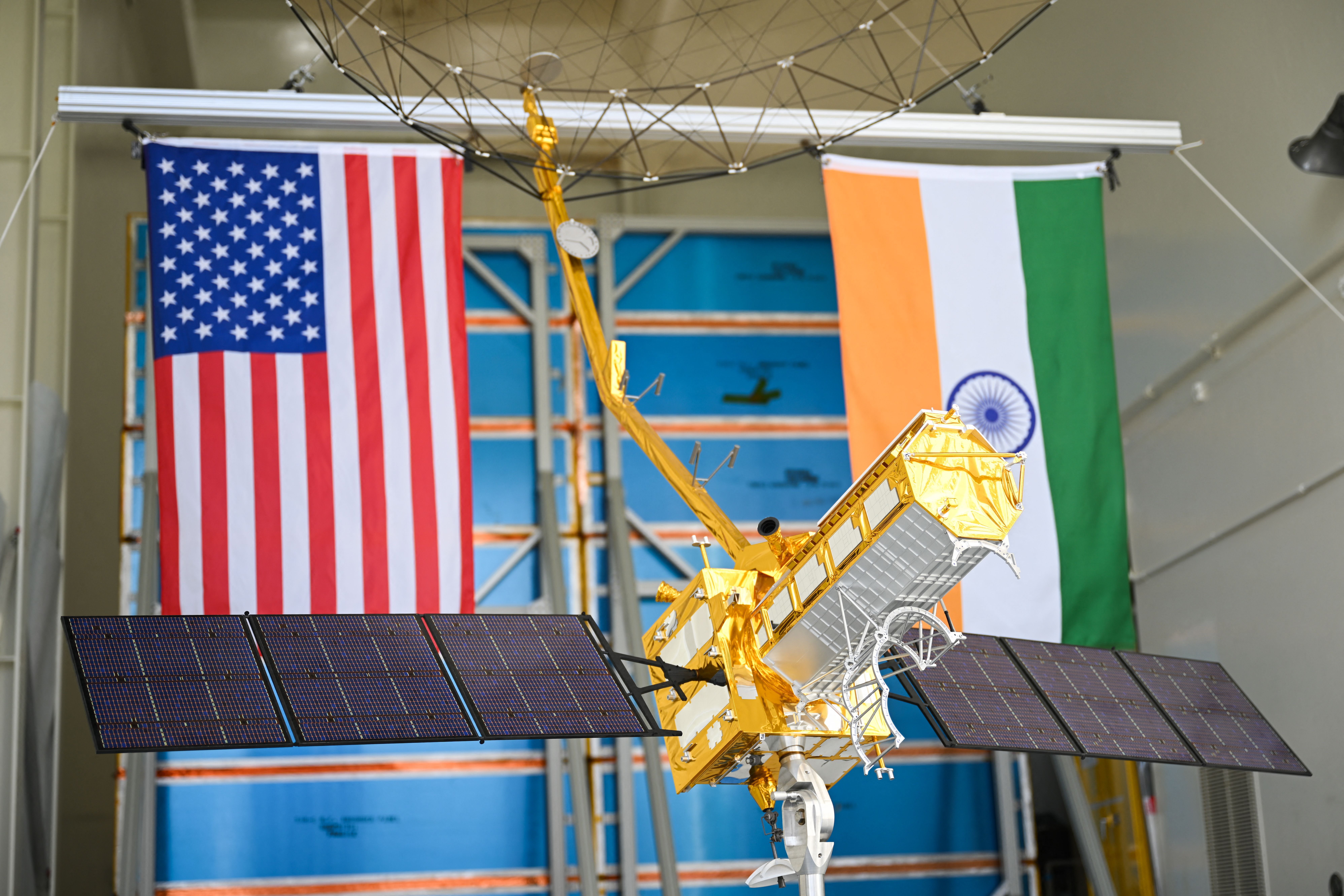
    On July 30, 2025, the United States announced 25 percent tariffs on Indian goods. While diplomatic tensions simmered on the trade front, a cosmic calm prevailed at the Sriharikota launch range. Officials from NASA and ISRO were preparing to launch an engineering marvel into space—the NASA-ISRO Synthetic Aperture Radar (NISAR), marking a significant milestone in the India-U.S. bilateral partnership.

      Tejas Bharadwaj

  • Commentary
    TRUST and Tariffs

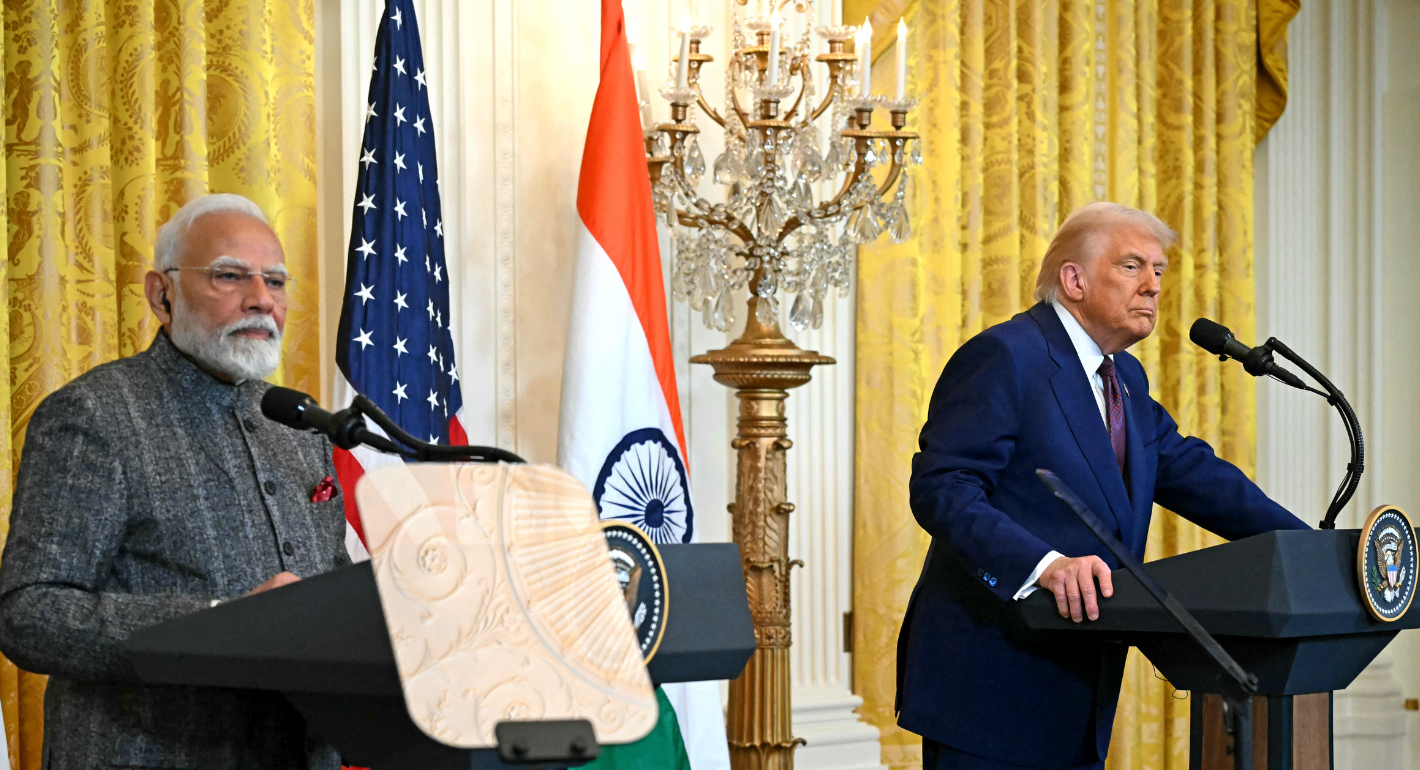
    The India-U.S. relationship currently appears buffeted between three “Ts”—TRUST, Tariffs, and Trump.

      Arun K. Singh

Get more news and analysis from
Carnegie India
Carnegie India logo, white
Unit C-4, 5, 6, EdenparkShaheed Jeet Singh MargNew Delhi – 110016, IndiaPhone: 011-40078687
  • Research
  • About
  • Experts
  • Projects
  • Events
  • Contact
  • Careers
  • Privacy
  • For Media
Get more news and analysis from
Carnegie India
© 2026 Carnegie Endowment for International Peace. All rights reserved.