

Paper
George Perkovich
{
  "authors": [
    "George Perkovich"
  ],
  "type": "legacyinthemedia",
  "centerAffiliationAll": "dc",
  "centers": [
    "Carnegie Endowment for International Peace"
  ],
  "collections": [],
  "englishNewsletterAll": "ctw",
  "nonEnglishNewsletterAll": "",
  "primaryCenter": "Carnegie Endowment for International Peace",
  "programAffiliation": "NPP",
  "programs": [
    "Nuclear Policy"
  ],
  "projects": [],
  "regions": [
    "South Asia",
    "Pakistan"
  ],
  "topics": [
    "Nuclear Policy"
  ]
}
Source: Getty
Tensions between the United States and Pakistan over the security of Pakistan’s nuclear arsenal are fueled by Islamabad’s perception of close U.S. ties to India and by Washington’s fear of internal disarray in Pakistan.
According to the Pakistani press, U.S. interest in Pakistan’s nuclear arsenal and the security of its fissile materials appears to be guided by self-interest rather than concern for Pakistan’s welfare, said Carnegie’s George Perkovich, speaking at a panel co-sponsored by the Hudson Institute, the Partnership for a Secure America, and the Stanley Foundation. He was joined by Harvard’s Matthew Bunn, and Aparna Pande of the Hudson Institute. Perkovich argued that U.S. efforts to assist Pakistan with nuclear security are perceived in Pakistan as disingenuous. He explained that this view is magnified by concern over close U.S.-India ties and a fear that greater U.S. assistance in Pakistan’s nuclear complex would give the United States access to sensitive details, which could then be exploited or shared with India.
Tensions with India remain at the forefront of Pakistan’s nuclear debates, Perkovich said. There is always the possibility that a crisis could escalate to nuclear exchange. The United States bent international nonproliferation rules to elevate India over the last five years, including selling New Delhi conventional weapons and passing the U.S.-India peaceful nuclear cooperation deal. Accordingly, many in Pakistan are skeptical of the United States and feel that Washington has strongly aligned itself with India.
U.S. humanitarian assistance to Pakistan following the earthquake and the flood were greatly beneficial in demonstrating Washington’s concern for Pakistan and easing bilateral relations. Official comments in support of Pakistan have helped ease tensions and demonstrated good will, Perkovich said.
While many in the United States are concerned that terrorists could acquire Pakistani fissile material, a far greater concern is actually the potential collapse of the Pakistani state, Perkovich said. Pakistan’s army is one of the country’s strongest institutions and it maintains control over the country’s arsenal. The army has a real incentive to prevent other parties from acquiring Pakistan’s weapons, nuclear knowledge, or fissile materials. As a result, the greater threat may be internal problems within Pakistan, Perkovich said. Pakistan is plagued by a number of considerable internal problems, including an army insurgency in Balochistan, Sunni-Shi’i tensions, government corruption, and economic woes.

Japan Chair for a World Without Nuclear Weapons, Senior Fellow
George Perkovich is the Japan Chair for a World Without Nuclear Weapons and a senior fellow in the Carnegie Endowment for International Peace’s Nuclear Policy Program. He works primarily on nuclear deterrence, nonproliferation, and disarmament issues, and is leading a study on nuclear signaling in the 21st century.
Recent Work
George Perkovich
George Perkovich
Carnegie India does not take institutional positions on public policy issues; the views represented herein are those of the author(s) and do not necessarily reflect the views of Carnegie, its staff, or its trustees.

Trump 2.0 has unsettled India’s external environment—but has not overturned its foreign policy strategy, which continues to rely on diversification, hedging, and calibrated partnerships across a fractured order.



Milan Vaishnav, ed., Sameer Lalwani, Tanvi Madan, …
This book examines the impact of cross-border violence on communities living along the Line of Control and the International Border in Jammu and Kashmir, India.



Deep Pal, Surya Valliappan Krishna, Saheb Singh Chadha
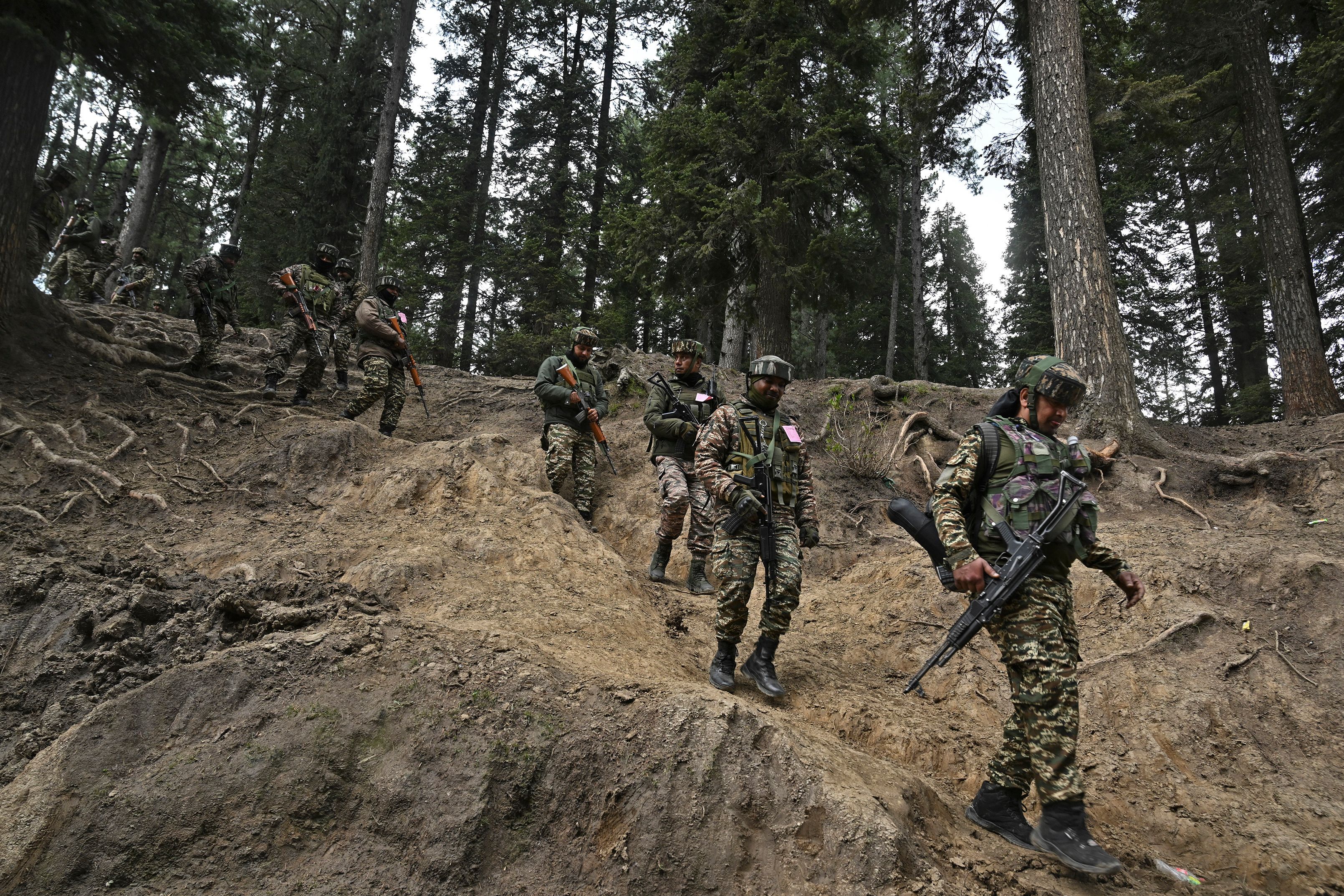
On May 7, 2025, between 1:05 and 1:30 a.m. (IST), airstrikes carried out by the Indian Air Force hit nine locations inside Pakistan and Pakistan occupied Kashmir (PoK). It was codenamed Operation Sindoor.

Rudra Chaudhuri
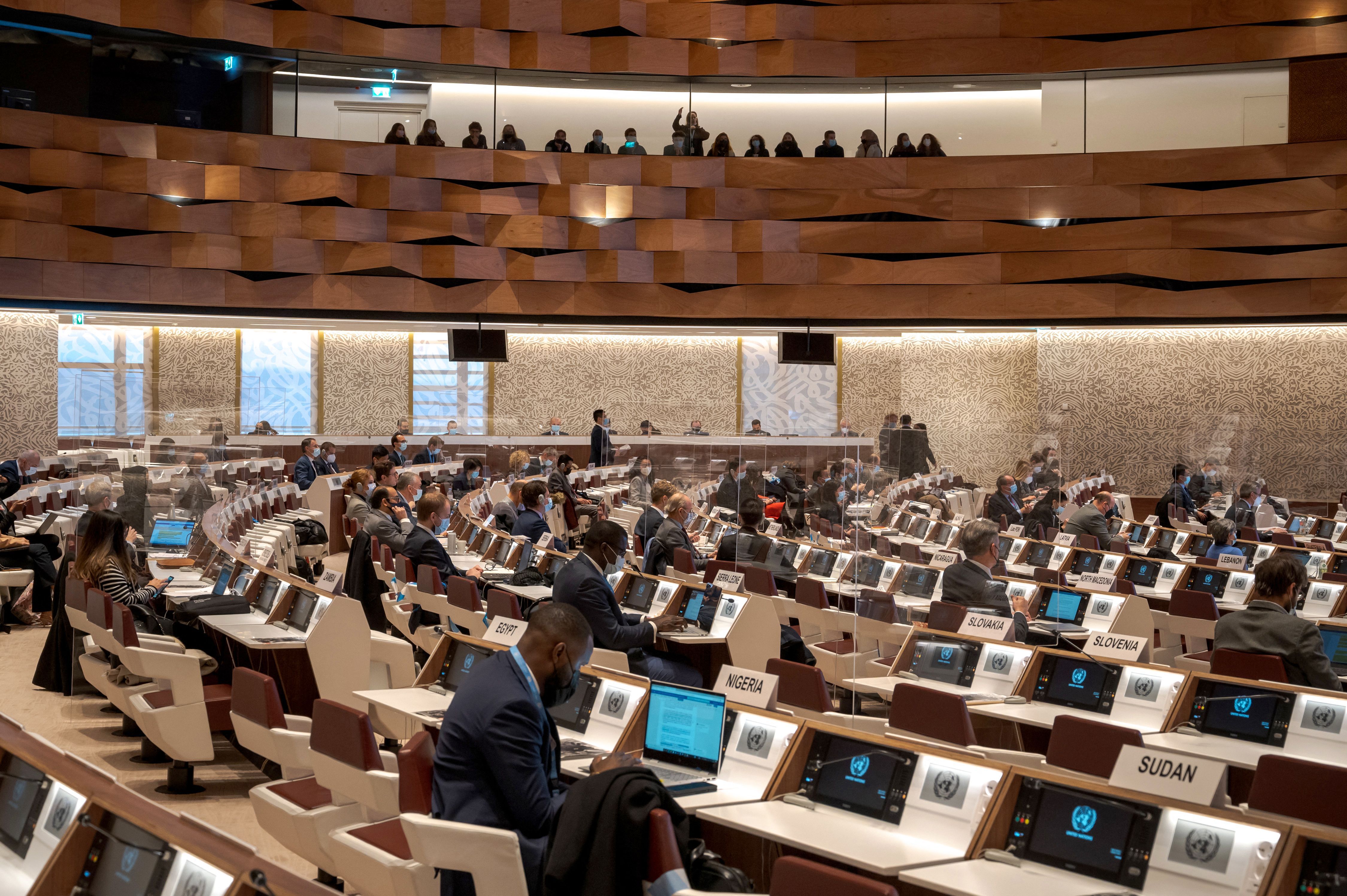
This article explores the global debate on lethal autonomous weapons systems (LAWS), highlighting the convergences, complexities, and differences within and beyond the UN Group of Governmental Experts (GGE) on LAWS. It further examines India’s key position at the GGE and the probable reasons behind them.


Charukeshi Bhatt, Tejas Bharadwaj

This essay is the first of a three-part series that will seek to understand the considerations for building compute capacity and the different pathways to accessing compute in India. This essay delves into the meaning of compute and unpacks the various layers of the compute stack.


Aadya Gupta, Adarsh Ranjan