

Commentary
How is AI reshaping space security, creating governance challenges, and where does international diplomacy stand today?
Tejas Bharadwaj, Almudena Azcárate Ortega
{
  "authors": [
    "Bill Bradley",
    "Tom Ridge",
    "David Walker"
  ],
  "type": "legacyinthemedia",
  "centerAffiliationAll": "dc",
  "centers": [
    "Carnegie Endowment for International Peace"
  ],
  "collections": [],
  "englishNewsletterAll": "ctw",
  "nonEnglishNewsletterAll": "",
  "primaryCenter": "Carnegie Endowment for International Peace",
  "programAffiliation": "SCP",
  "programs": [
    "Sustainability, Climate, and Geopolitics"
  ],
  "projects": [],
  "regions": [
    "North America",
    "United States"
  ],
  "topics": [
    "Climate Change"
  ]
}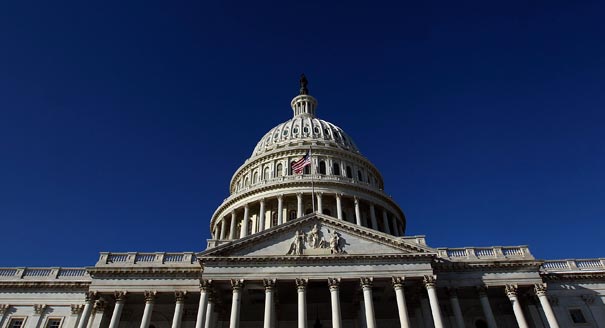
Source: Getty
While there are many legitimate disagreements regarding how to cut the U.S. deficit, deep cuts to the national infrastructure is more likely to hurt the country's long-term economic growth.
Source: Washington Post

This does not mean that improvements shouldn't be made. At present 80 percent of federal transportation funds are distributed by formula - with no competition and no performance requirements. That must stop. We must make every dollar contribute to transportation performance. All transportation spending should be consolidated into a unified transportation trust fund subject to rigorous, independent cost-benefit analysis.
A better transportation system will enhance our economic and national security and will rebuild public trust in public investments. Many new members of Congress are rightly furious about wasteful spending. By squeezing every ounce of investment gain from our infrastructure dollar we can create a transportation program that both deficit hawks and program reform leaders can get behind.
The authors are the co-chairs of the Leadership Initiative on Transportation Solvency, an initiative created by the Carnegie Endowment for International Peace to develop a non-partisan solution funding a better transportation system in the United States.
Bill Bradley
Tom Ridge
David Walker
Carnegie India does not take institutional positions on public policy issues; the views represented herein are those of the author(s) and do not necessarily reflect the views of Carnegie, its staff, or its trustees.

How is AI reshaping space security, creating governance challenges, and where does international diplomacy stand today?


Tejas Bharadwaj, Almudena Azcárate Ortega

The U.S.–India semiconductor cooperation story is well-stocked with top-level strategic intent. What remains unresolved, however, are some underlying challenges that will determine whether the cooperation actually functions. Three such friction points stand out.

Shruti Mittal
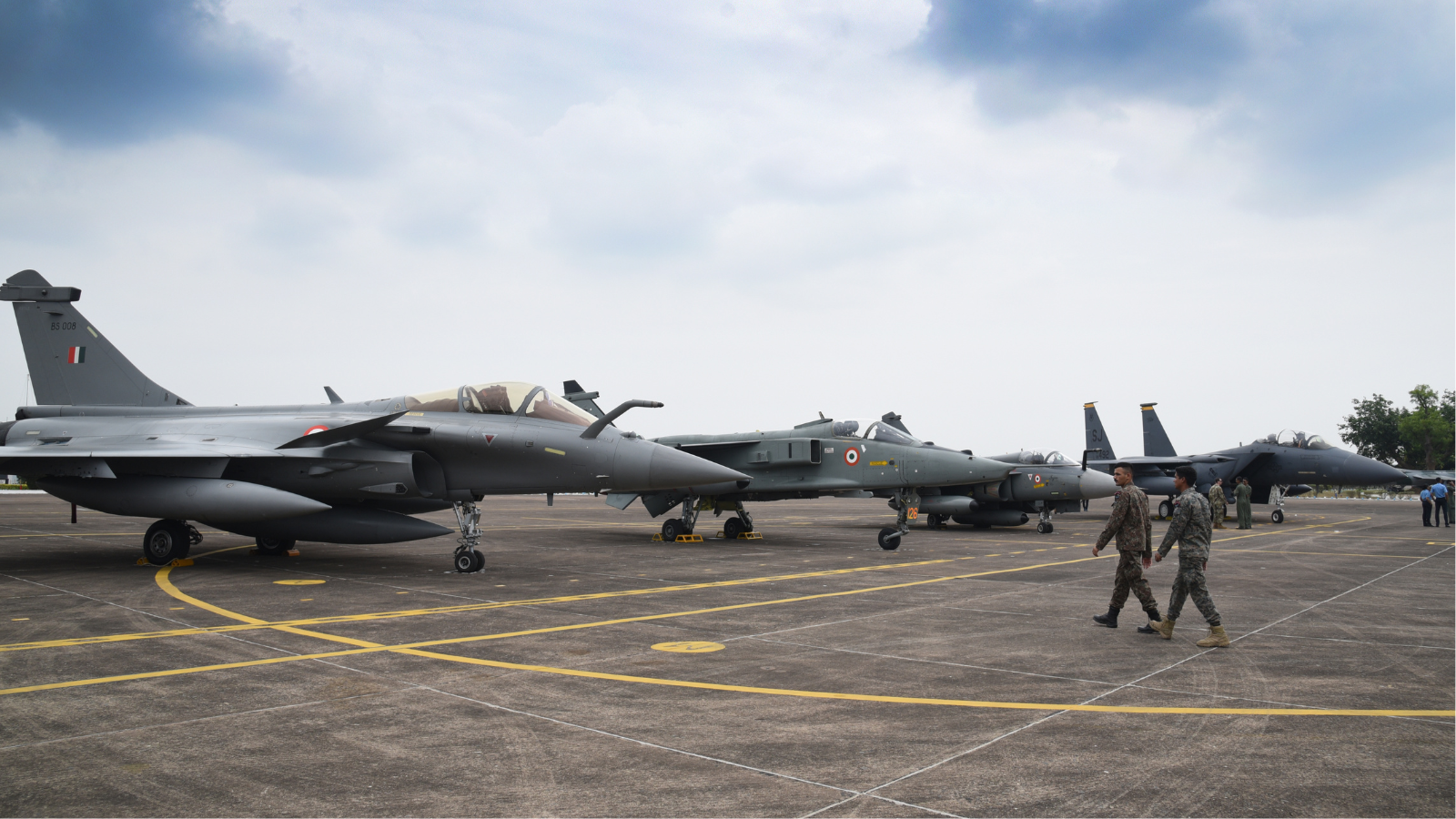
India and the United States are close to concluding a Reciprocal Defense Procurement Agreement (RDPA) that will allow firms from the two countries to sell to each other’s defense establishments more easily. While this may not remedy the specific grievances both sides may have regarding larger bilateral issues, an RDPA could restore some momentum, following the trade deal announcement.

Konark Bhandari

On the last day of the India AI Impact Summit, India signed Pax Silica, a U.S.-led declaration seemingly focused on semiconductors. While India’s accession to the same was not entirely unforeseen, becoming a signatory nation this quickly was not on the cards either.
Konark Bhandari

This piece examines India’s response to U.S. sanctions and tariffs, specifically assessing the immediate market consequences, such as alterations in import costs, and the broader strategic implications for India’s energy security and foreign policy orientation.

Vrinda Sahai