• Research
  • About
  • Experts
Carnegie India logoCarnegie lettermark logo
{
  "authors": [
    "Matthew Rojansky"
  ],
  "type": "testimony",
  "centerAffiliationAll": "dc",
  "centers": [
    "Carnegie Endowment for International Peace",
    "Carnegie Russia Eurasia Center"
  ],
  "collections": [],
  "englishNewsletterAll": "ctw",
  "nonEnglishNewsletterAll": "",
  "primaryCenter": "Carnegie Endowment for International Peace",
  "programAffiliation": "russia",
  "programs": [
    "Russia and Eurasia"
  ],
  "projects": [],
  "regions": [
    "Eastern Europe",
    "Belarus"
  ],
  "topics": [
    "Political Reform",
    "Democracy"
  ]
}

Source: Getty

Testimony

Belarus: Crushing Human Rights at Home?

Following December’s presidential election in Belarus, which European observers said failed to meet international standards, Alexander Lukashenka claimed an implausible landslide victory and launched a wave of political repression.

Link Copied
By Matthew Rojansky
Published on Apr 1, 2011

Source: April 1

Following December’s presidential election in Belarus, which OSCE observers said failed to meet international standards, Alexander Lukashenka claimed an implausible landslide victory and launched a wave of political repression. In testimony before the House Foreign Affairs Committee, Matthew Rojansky outlines steps the West should take to respond to the crackdown and lay the groundwork for positive, democratic change in Belarus.

U.S. Policy Recommendations:

  • Insist on a reversal of the recent crackdown: U.S. sanctions against Belarus should remain in place until the regime releases political prisoners, halts politically motivated prosecutions, and ends harassment of opposition leaders, civil society groups, and independent media.
     
  • Invest directly in Belarusian civil society:  While punishing the regime, the United States must sustain and enhance its engagement with ordinary citizens. Increased aid should be provided to grassroots organizations—especially those outside Minsk—that treat social problems, track implementation of reform laws, and monitor corruption.
     
  • Support independent media: Above all, Belarusian citizens will benefit from expanded access to information from independent media outlets. Technical and financial support for journalists working in Belarus—including education, exchange, and professional training programs—should be increased.

Rojansky argues that rather than directly seeking Lukashenka’s overthrow, “the goal must be to develop the skills and capacity among Belarusians to take responsibility for their own political future.”

About the Author

Matthew Rojansky

Former Deputy Director, Russia and Eurasia Program

Rojansky, formerly executive director of the Partnership for a Secure America, is an expert on U.S. and Russian national security and nuclear-weapon policies.

    Recent Work

  • Paper
    An Opportunity for Ambition: Ukraine’s OSCE Chairmanship

      Matthew Rojansky

  • In The Media
    Presiding Over the OSCE: Challenges and Opportunities

      Matthew Rojansky

Matthew Rojansky
Former Deputy Director, Russia and Eurasia Program
Matthew Rojansky
Political ReformDemocracyEastern EuropeBelarus

Carnegie India does not take institutional positions on public policy issues; the views represented herein are those of the author(s) and do not necessarily reflect the views of Carnegie, its staff, or its trustees.

More Work from Carnegie India

  • Article
    The War in Ukraine and its Implications on India’s Space Program

    The war in Ukraine has demonstrated that India needs to establish a strong domestic space economy in order to weather geopolitical storms.

      Konark Bhandari

  • REQUIRED IMAGE
    Commentary
    Is U.S. Foreign Policy Too Hostile to China?

    Experts weigh in on whether the United States is too hostile toward China.

      Stephen Wertheim, Evan S. Medeiros, Vijay Gokhale
  • Paper
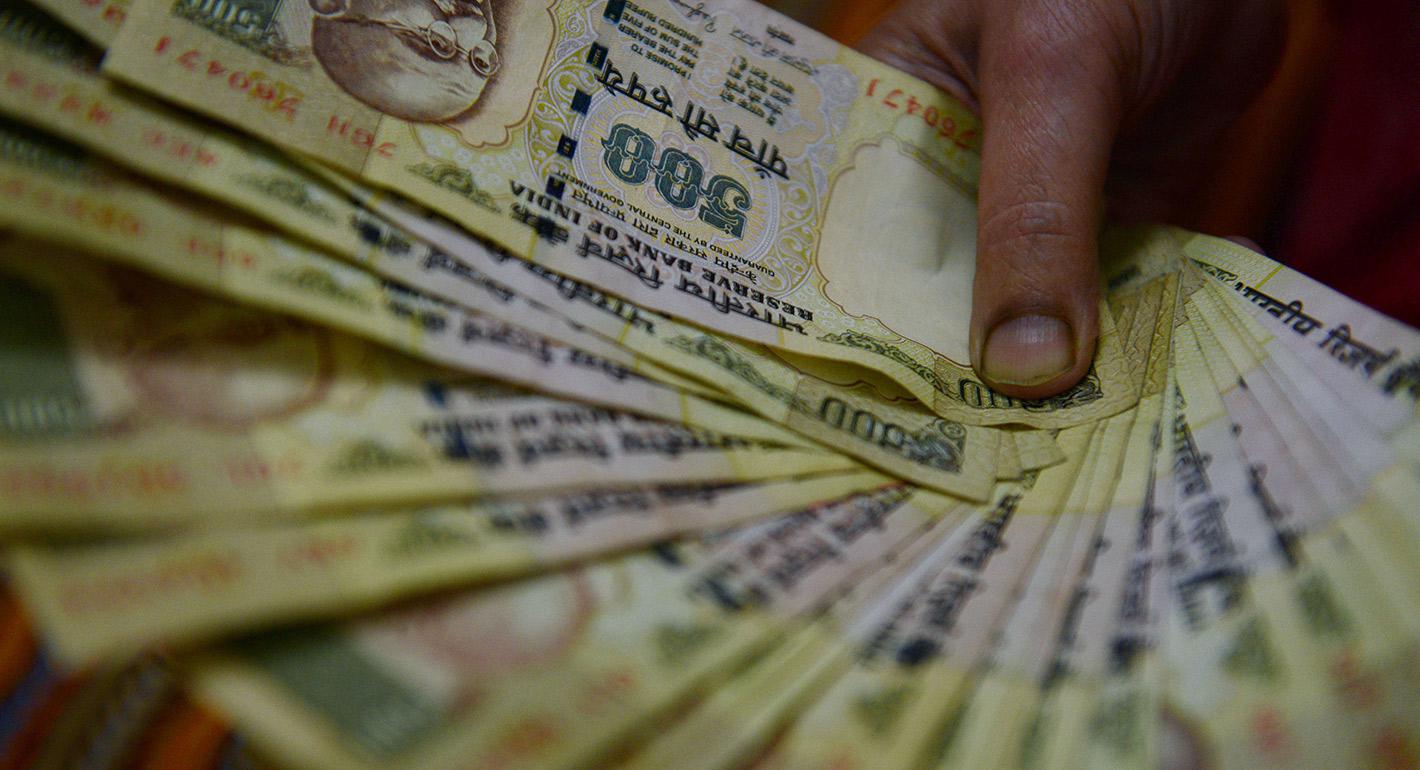
    India’s Sustained Economic Recovery Will Require Changes to Its Bankruptcy Law

    As India’s economy recovers from the coronavirus pandemic, Indian businesses need efficient financial structures to regain their ground. Key reforms to India’s Insolvency and Bankruptcy Code could fill these gaps.

      Anirudh Burman

  • Paper
    Cross-Border Data Access for Law Enforcement: What Are India’s Strategic Options?

    Access to cross-border data is an integral piece of the law enforcement puzzle. India is well placed to lead the discussions on international data agreements subject to undertaking necessary surveillance reforms.

      Smriti Parsheera, Prateek Jha
  • Article
    The BRI in Post-Coronavirus South Asia

    After the coronavirus pandemic wanes, how will China’s reorientation of the Belt and Road Initiative to address global health concerns influence its relationships with South Asian countries?


      Deep Pal, Rahul Bhatia

Get more news and analysis from
Carnegie India
Carnegie India logo, white
Unit C-4, 5, 6, EdenparkShaheed Jeet Singh MargNew Delhi – 110016, IndiaPhone: 011-40078687
  • Research
  • About
  • Experts
  • Projects
  • Events
  • Contact
  • Careers
  • Privacy
  • For Media
Get more news and analysis from
Carnegie India
© 2026 Carnegie Endowment for International Peace. All rights reserved.