

In The Media
Lahcen Achy
{
  "authors": [
    "Lahcen Achy"
  ],
  "type": "legacyinthemedia",
  "centerAffiliationAll": "",
  "centers": [
    "Carnegie Endowment for International Peace",
    "Malcolm H. Kerr Carnegie Middle East Center"
  ],
  "collections": [],
  "englishNewsletterAll": "",
  "nonEnglishNewsletterAll": "",
  "primaryCenter": "Malcolm H. Kerr Carnegie Middle East Center",
  "programAffiliation": "",
  "programs": [],
  "projects": [],
  "regions": [
    "Gulf",
    "Maghreb"
  ],
  "topics": [
    "Political Reform",
    "Economy"
  ]
}
Source: Getty
While Jordan's potential membership of the GCC seems comprehensible, the same rationale does not apply to the Moroccan case because of the country’s distant geographical location, its weak economic ties with the Gulf, and its 32-million population.
Source: Los Angeles Times

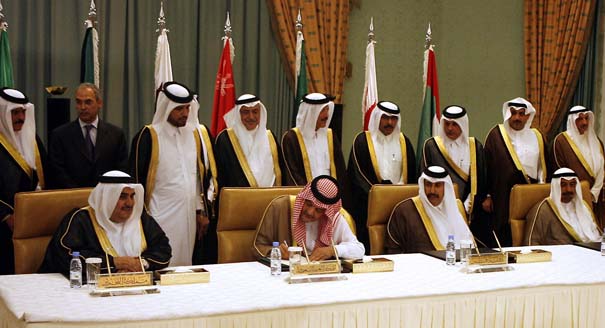
Political uprisings and new security concerns that surfaced in the Middle East and North Africa over the past few months explain the unexpected move by the GCC. Gulf countries are in the process of building new strategic alliances to face the Arab Spring’s ramifications on both domestic and regional politics. Yet, Morocco’s membership in the GCC does not seem to be the right option. The cost of its membership may be incommensurate with the expected benefits for both parties.
The GCC was founded in 1981 to achieve the economic and security integration of the six Gulf States -- Bahrain, Kuwait, Oman, Qatar, Saudi Arabia, and the United Arab Emirates -- based on shared historical, geographical, and cultural ties. The council evolved progressively, moving from a free-trade zone in 1983 to a customs union in 2003 and finally to a common market in 2008. Moreover, the council began discussions a few years ago to shift to a common currency zone.
The GCC has been a reserved club for rich Gulf states. Per-capita income for the six current GCC members ranges from $17,000 U.S. (Saudi Arabia) to more than $70,000 U.S. (Qatar). If Jordan and Morocco join the GCC, the new council will look quite different. Per-capita income in either Morocco or Jordan does not exceed $4,000 U.S.
At least some economic rationale can be found for Jordan’s GCC membership. It shares a border with Saudi Arabia, the largest and most influential GCC state. Jordan’s economy is strongly tied to the Gulf via trade, investment, and labor migration. Jordan’s population of fewer than 6 million is relatively easy to absorb -- the GCC’s total population is about 40 million.
Morocco, however, presents a different case. It lies in the far west of the Arab world. Its economic relations with the Gulf states are weak. More than 60% of Morocco’s export revenue, 80% of its tourism income, and 90% of its remittances come from the European Union. Furthermore, Morocco’s population of 32 million would make it the most populous GCC country.
In an official statement, the Moroccan Foreign Ministry welcomed the council’s invitation “with a great interest.” However, it affirmed Morocco’s commitment to the Arab Maghreb Union -- an economic union with Algeria, Tunisia, Libya, and Mauritania -- and its readiness to hold consultations with the GCC to create an ideal framework for cooperation, with no reference to membership.
Morocco’s free-trade agreements with the European Union and the United States, its strategic geographic position, and its large human and agricultural resources could explain the GCC’s interest. Yet, Gulf countries can benefit from these advantages without Morocco’s membership in the GCC. Other forms of shallow integration, such as a free-trade zone, would be enough.
A more likely reason for the council’s interest is its desire to influence the course of reforms launched within the non-oil monarchies. Under the pressure of the street, non-oil monarchies in Morocco and Jordan announced broad political reforms, including constitutional revisions. Instead, Gulf monarchies, with comfortable fiscal positions from oil revenues, granted generous benefits to their subjects and pay raises to their civil servants. The ability of the Gulf monarchies to finance themselves with oil revenues enables them to resist strong pressure to reform.
The social contract between the king and his people in Morocco is different. Morocco’s state revenues come from taxes, which represent a quarter of the country’s GDP. Revenue-seeking monarchs need to favor representative institutions.
Even if Morocco decided to join the GCC, it would be hard to imagine that its membership could be an acceptable motive to postpone political reforms. Any attempt to keep the status quo in Morocco by extending generous benefits to its large and relatively poor population would be costly and could fail.
Instead, the Gulf states could learn from non-oil monarchies by engaging in reforms that grant more liberties to and invite broader participation from their populations. Doing so will make them more secure and prosperous in the long term. If the GCC countries overcome the reform phobia, their council can be more than a “club for monarchies.” It can play a pioneering political role in the region and contribute to economic transition in Egypt, Tunisia, Yemen, and the rest of the Arab states. Such a role would help make the GCC truly an engine for Arab regional integration.

Former Nonresident Senior Associate, Middle East Center
Achy is an economist with expertise in development, institutional economics, trade, and labor and a focus on the Middle East and North Africa.
Recent Work
Lahcen Achy
Lahcen Achy
Carnegie India does not take institutional positions on public policy issues; the views represented herein are those of the author(s) and do not necessarily reflect the views of Carnegie, its staff, or its trustees.

On March 10, 2026, India’s Union Cabinet approved amendments to Press Note 3, a regulation that mandated government approval on all foreign direct investment (FDI) from countries sharing a land border with India. This amendment raises questions primarily about whether its stated benefits will materialize and if the risks have been adequately weighed. This piece will address the same.

Konark Bhandari

This piece examines India’s response to U.S. sanctions and tariffs, specifically assessing the immediate market consequences, such as alterations in import costs, and the broader strategic implications for India’s energy security and foreign policy orientation.

Vrinda Sahai

This paper examines the evolution of India-China economic ties from 2005 to 2025. It explores the impact of global events, bilateral political ties, and domestic policies on distinct spheres of the economic relationship.

Santosh Pai
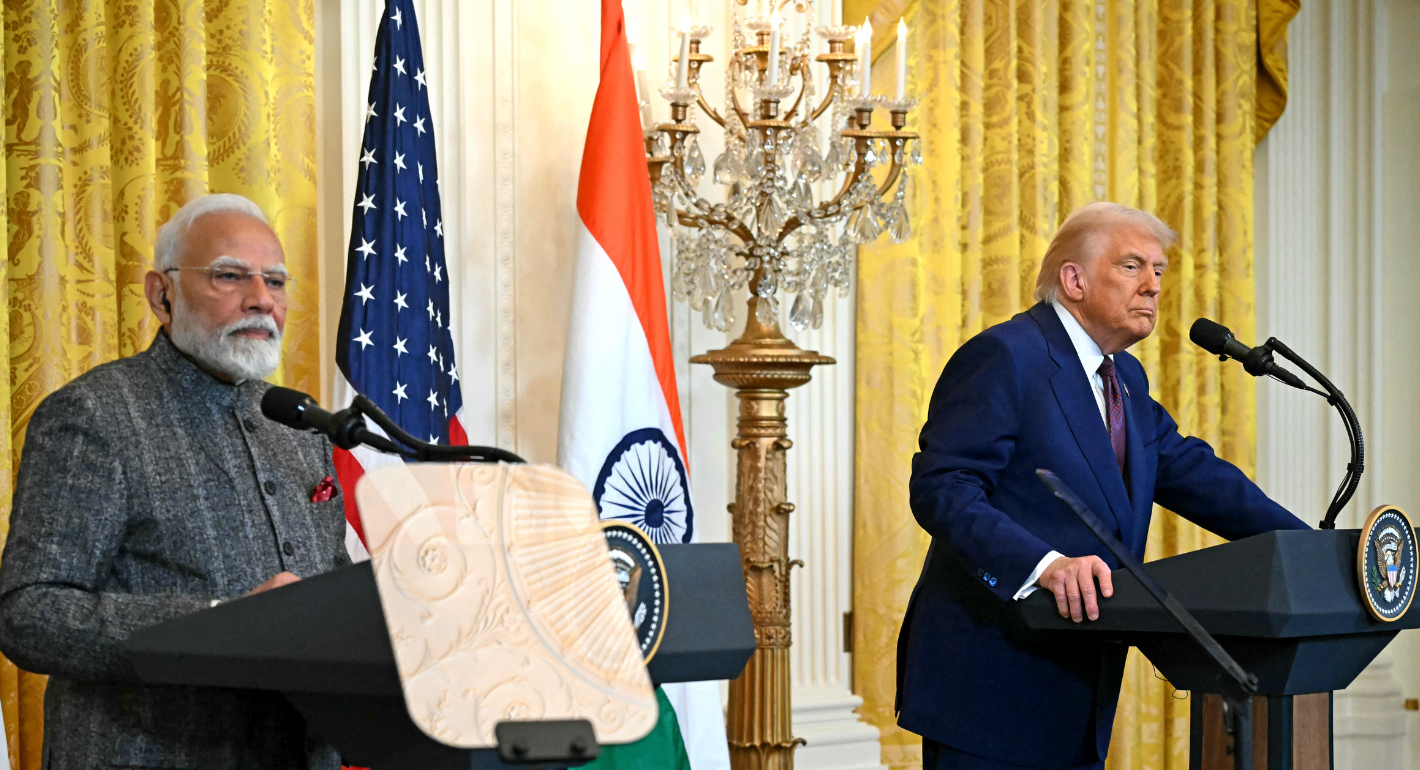
The India-U.S. relationship currently appears buffeted between three “Ts”—TRUST, Tariffs, and Trump.
Arun K. Singh
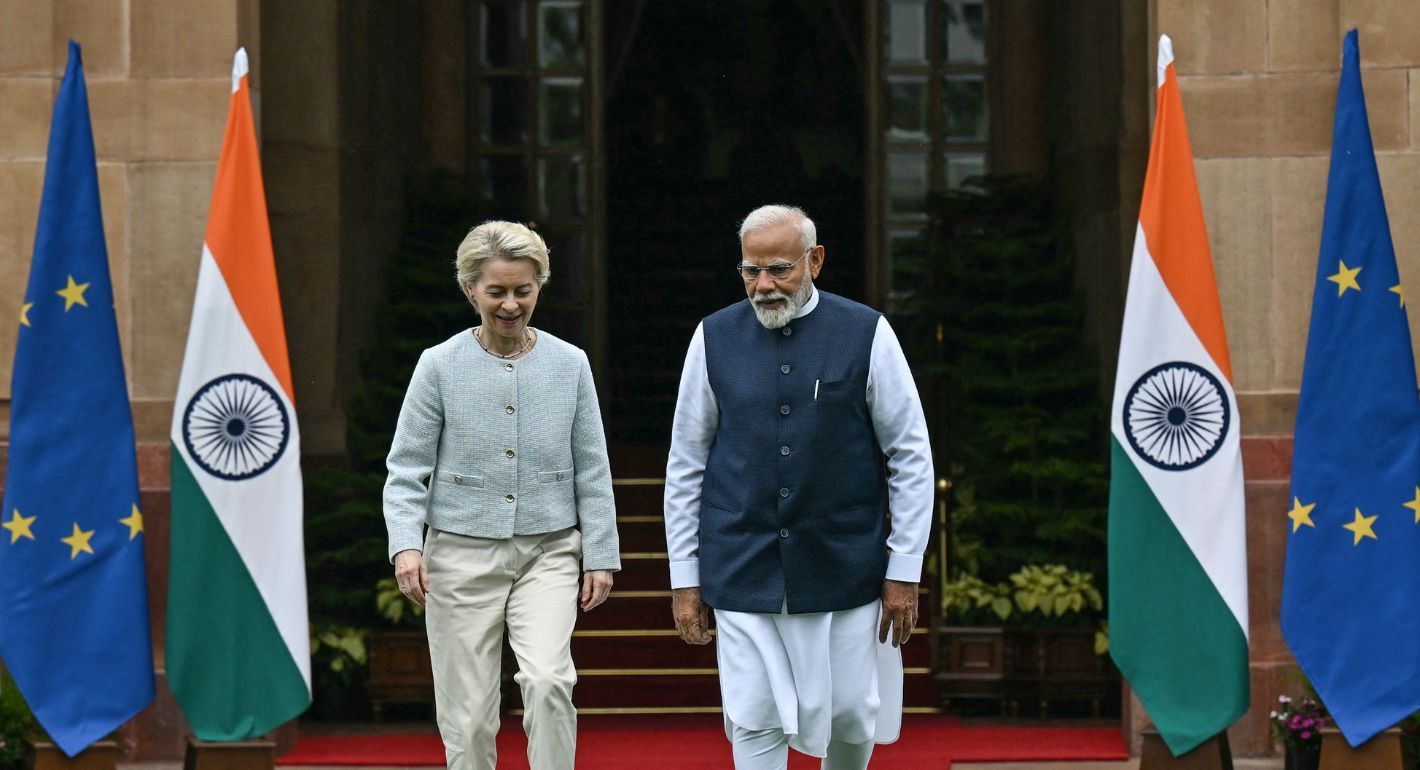
This article argues that the geopolitical circumstances have never been more conducive, not merely for the early conclusion of the free trade agreement (FTA) between India and the EU, but also for crafting a substantive and comprehensive strategic partnership.
Mohan Kumar