• Research
  • About
  • Experts
Carnegie India logoCarnegie lettermark logo
AI
{
  "authors": [
    "Togzhan Kassenova"
  ],
  "type": "legacyinthemedia",
  "centerAffiliationAll": "dc",
  "centers": [
    "Carnegie Endowment for International Peace"
  ],
  "collections": [],
  "englishNewsletterAll": "ctw",
  "nonEnglishNewsletterAll": "",
  "primaryCenter": "Carnegie Endowment for International Peace",
  "programAffiliation": "NPP",
  "programs": [
    "Nuclear Policy"
  ],
  "projects": [],
  "regions": [
    "East Asia",
    "Taiwan"
  ],
  "topics": [
    "Nuclear Policy",
    "Nuclear Energy"
  ]
}
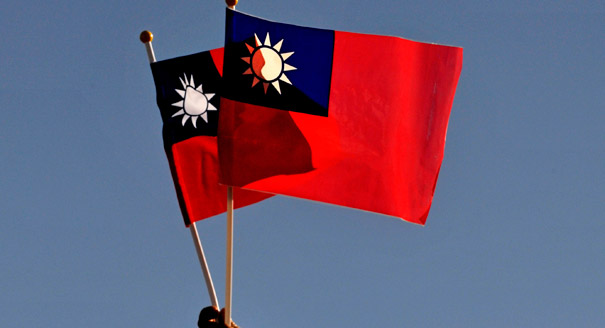
Source: Getty

In The Media

A Black Hole in the Global Nonproliferation Regime: The Case of Taiwan

Taiwan is effectively a legal black hole in the realm of nonproliferation cooperation. The international community needs to find a way to ensure a sustainable commitment to nonproliferation by those, like Taiwan, who are outside the international system.

Link Copied
By Togzhan Kassenova
Published on Sep 8, 2011

Source: Nautilus Institute for Security and Sustainability

A Black Hole in the Global Nonproliferation RegimeTaiwan occupies a unique niche in the world community that necessitates enhanced participation in the global nonproliferation regime. It is one of the world’s key suppliers and consumers of high-tech, dual-use goods and technology. It has a reasonably-advanced nuclear energy program that further increases the flow of sensitive materials and technology. The island is located at the intersection of the world’s major sea-lanes, making it a major transit and transshipment hub. Most critically, there have been attempts (some of which succeeded) to smuggle WMD-sensitive goods out of Taiwan, as well as across its territory.  

Despite the critical security concerns arising as a result of these factors, Taiwan is effectively a legal and political ‘black hole’ in the realm of international nonproliferation cooperation. This is due to its ‘non-state’ status, which prevents it from participating in multilateral nonproliferation treaties and export control regimes, and limits its access to information and intelligence sharing from national and international security agencies. In spite of these challenges, Taiwan demonstrates a relatively strong commitment to upholding the principles and objectives of the global nonproliferation regime. However, given the importance of the issue, the international community cannot afford to remain complacent in addressing a key question: how to ensure a sustainable commitment to nonproliferation by an “outsider” to the international system?

About the Author

Togzhan Kassenova
Togzhan Kassenova

Nonresident Fellow, Nuclear Policy Program

Kassenova is a nonresident fellow in the Nuclear Policy Program at the Carnegie Endowment.

    Recent Work

  • Commentary
    How Kazakhstan Fought Back Against Soviet Nuclear Tests
      • Togzhan Kassenova

      Togzhan Kassenova

  • Report
    Perspectives on the Evolving Nuclear Order
      • Togzhan Kassenova

      Toby Dalton, Togzhan Kassenova, Lauryn Williams

Togzhan Kassenova
Nonresident Fellow, Nuclear Policy Program
Togzhan Kassenova
Nuclear PolicyNuclear EnergyEast AsiaTaiwan

Carnegie India does not take institutional positions on public policy issues; the views represented herein are those of the author(s) and do not necessarily reflect the views of Carnegie, its staff, or its trustees.

More Work from Carnegie India

  • Research
    Views From Taipei: Essays by Young Indian Scholars on China

    This compendium brings together three essays by scholars who participated in Carnegie India's Security Studies Dialogue in 2024, each examining a different aspect of China’s policies. Drawing on their expertise and research, the authors offer fresh perspectives on key geopolitical challenges.

      • +1

      Vijay Gokhale, Suyash Desai, Amit Kumar, …

  • Commentary
    On Thin Ice: Bhutan’s Diplomatic Challenge Amid the India-China Border Dispute

    This piece examines the strategic implications of Bhutan’s diplomatic efforts amid its border dispute with China, highlighting the thin ice it walks on to achieve a resolution without compromising its vital relationships.

      Shibani Mehta
  • Commentary
    A Quad Initiative on Digital Public Infrastructure

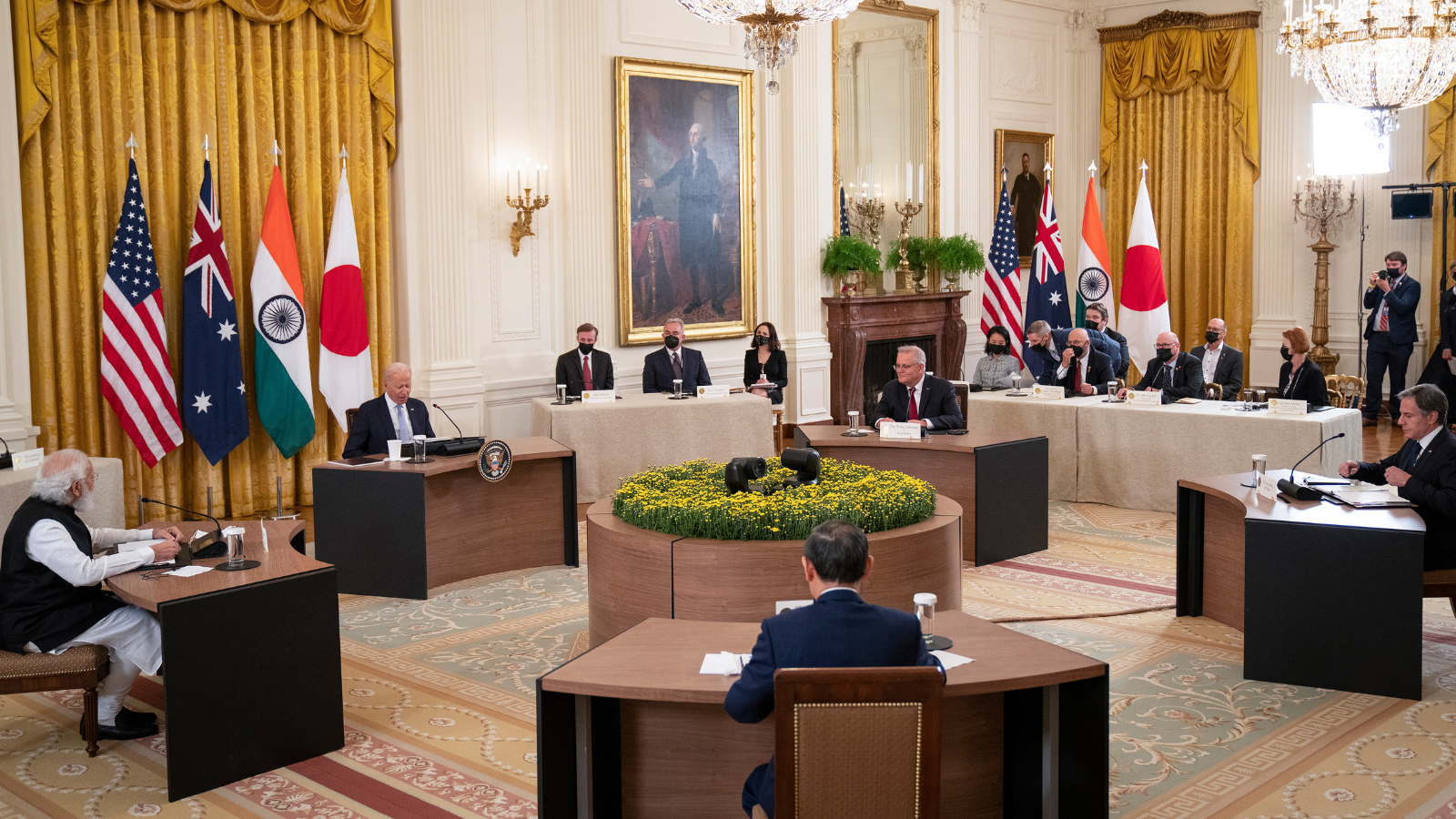
    With India set to host the sixth Quad Leaders' Summit in 2024, there is every opportunity for this minilateral to not only develop a DPI initiative but also execute pilots in the Indo-Pacific. This essay shares a rationale for how the four Quad countries could achieve this goal.


      Rudra Chaudhuri, Aadya Gupta

  • Commentary
    India’s Quest for Advanced Technology in the Era of Export Controls

    How can India navigate export control measures at a time when it is also entering into technology-centric partnerships with other nations to secure enhanced access to advanced technology?

      Konark Bhandari
  • Article
    Impasse at the LAC: An Examination of the 2013, 2014, and 2015 Standoffs

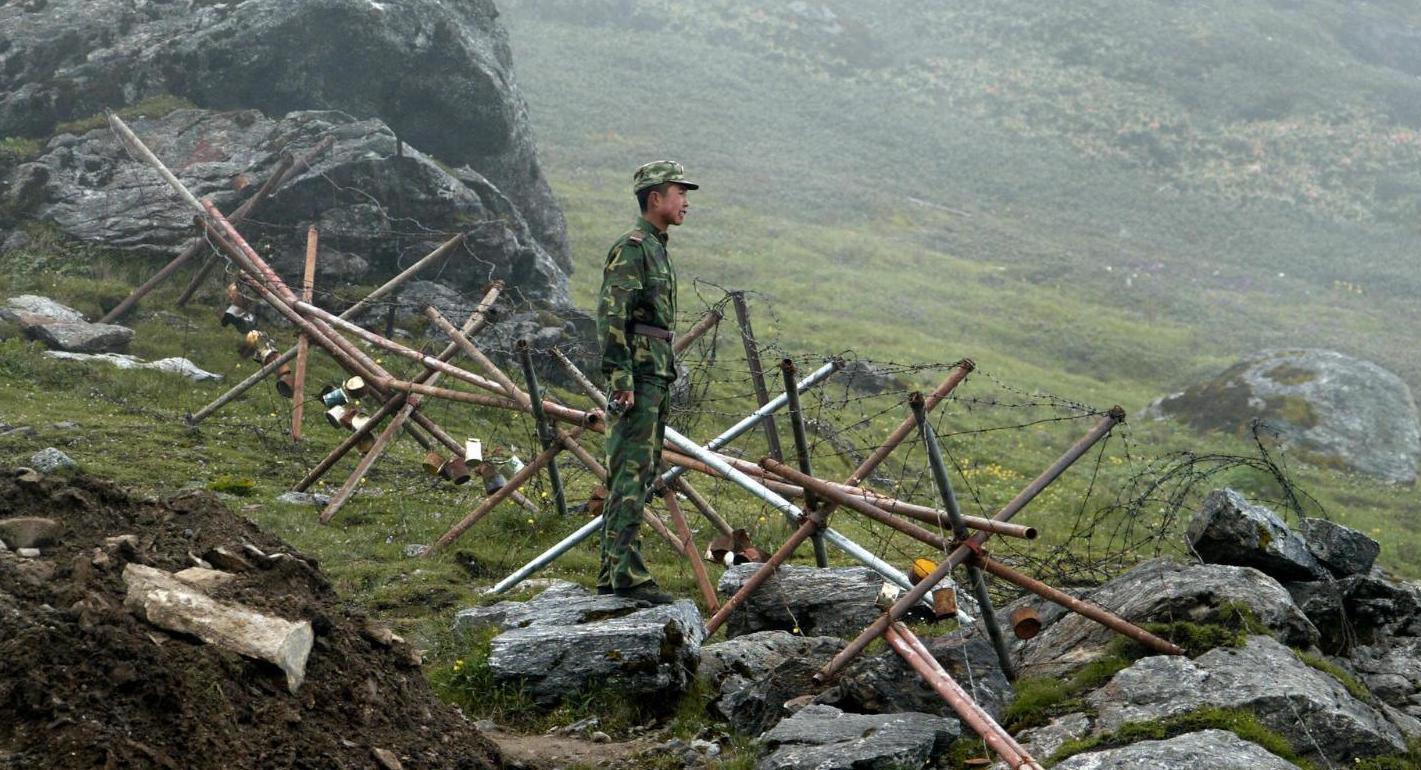
    This article examines the significance of the 2013, 2014, and 2015 border standoffs between India and China. It presents a detailed account of the border crises and how the two countries tried to manage them.

      Shibani Mehta

Get more news and analysis from
Carnegie India
Carnegie India logo, white
Unit C-4, 5, 6, EdenparkShaheed Jeet Singh MargNew Delhi – 110016, IndiaPhone: 011-40078687
  • Research
  • About
  • Experts
  • Projects
  • Events
  • Contact
  • Careers
  • Privacy
  • For Media
Get more news and analysis from
Carnegie India
© 2026 Carnegie Endowment for International Peace. All rights reserved.