• Research
  • About
  • Experts
Carnegie India logoCarnegie lettermark logo
Technology
{
  "authors": [],
  "type": "legacyinthemedia",
  "centerAffiliationAll": "dc",
  "centers": [
    "Carnegie Endowment for International Peace"
  ],
  "collections": [],
  "englishNewsletterAll": "menaTransitions",
  "nonEnglishNewsletterAll": "",
  "primaryCenter": "Carnegie Endowment for International Peace",
  "programAffiliation": "MEP",
  "programs": [
    "Middle East"
  ],
  "projects": [],
  "regions": [
    "Middle East",
    "Iran"
  ],
  "topics": [
    "Political Reform"
  ]
}

Source: Getty

In The Media

Iranian Power Politics

Over the course of the past year, tensions between Iranian President Ahmadinejad and Iran's Supreme Leader, Ayatollah Ali Khamenei, have increased.

Link Copied
Published on Sep 16, 2011

Source: Brian Lehrer Show

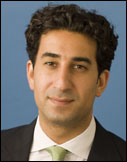
Over the course of the past year, Iranian President Ahmadinejad has increasingly fallen out of favor with Supreme Leader Ayatollah Ali Khamenei. Speaking on the Brian Lehrer Show, Carnegie's Karim Sadjadpour asserted that this distance between the two men was “bound to happen.” Khamenei was essentially using Ahmadinejad as a bludgeon against his domestic opponents, Sadjadpour explained. However, Khamenei is stronger now than he has ever been and this has made Ahmadinejad dispensable. Ahmadinejad’s inability to have the two jailed American hikers released “evidences how much he has been emasculated within the Iranian domestic political context," Sadjadpour argued. He predicted that tensions between Ahmadinejad and his allies and Khamenei seem likely to continue, since Ahmadinejad seems unwilling to continue being simply Khamenei’s lieutenant. 

Political ReformMiddle EastIran

Carnegie India does not take institutional positions on public policy issues; the views represented herein are those of the author(s) and do not necessarily reflect the views of Carnegie, its staff, or its trustees.

More Work from Carnegie India

  • Article
    Risk and Retaliation: Israel, Iran, and the Evolving Situation in West Asia

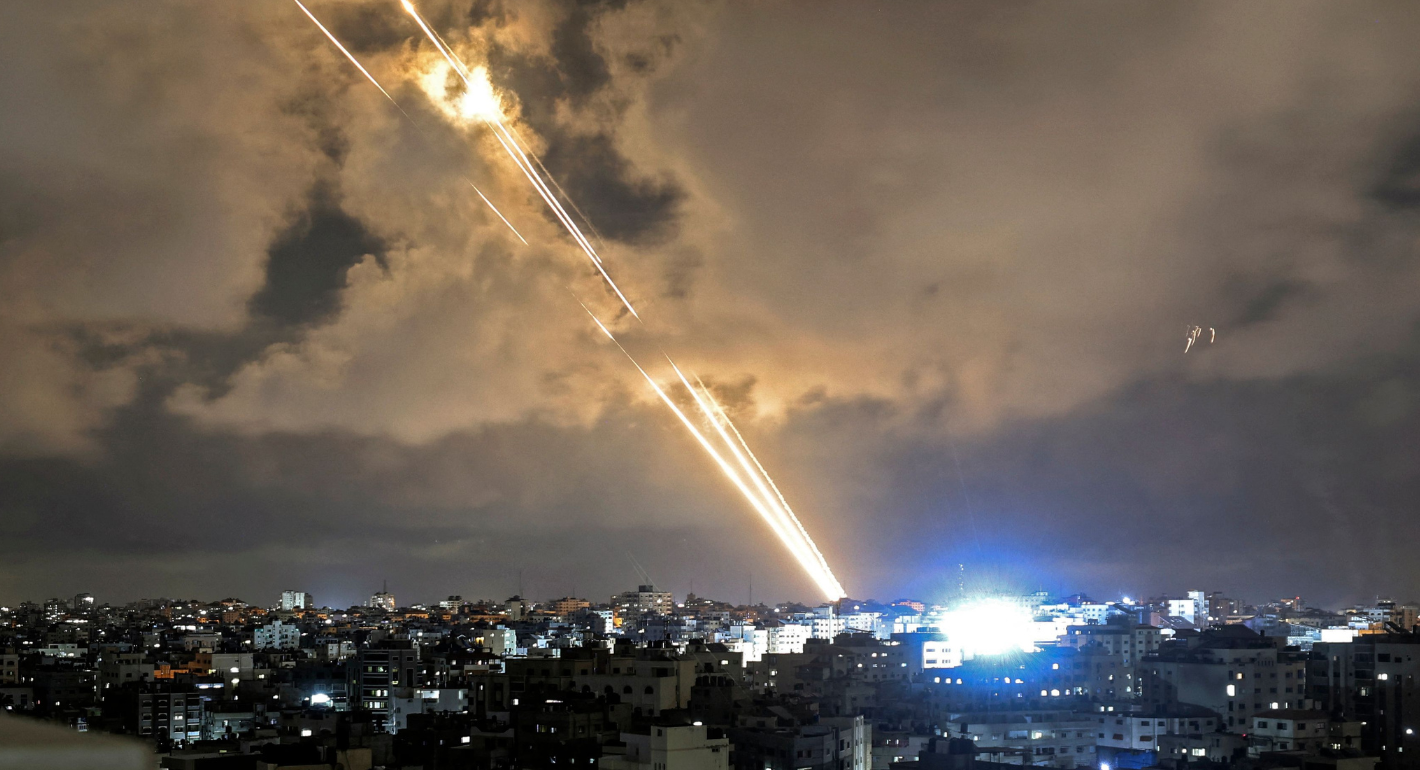
    An Israeli response to Iran’s October 1 attack is imminent. The key question is of its intensity and potential fallout, both within Iran, in terms of nuclear security policy changes, and across the broader region. The coming days are likely to reshape West Asia irreversibly.

      Gaddam Dharmendra
  • Commentary
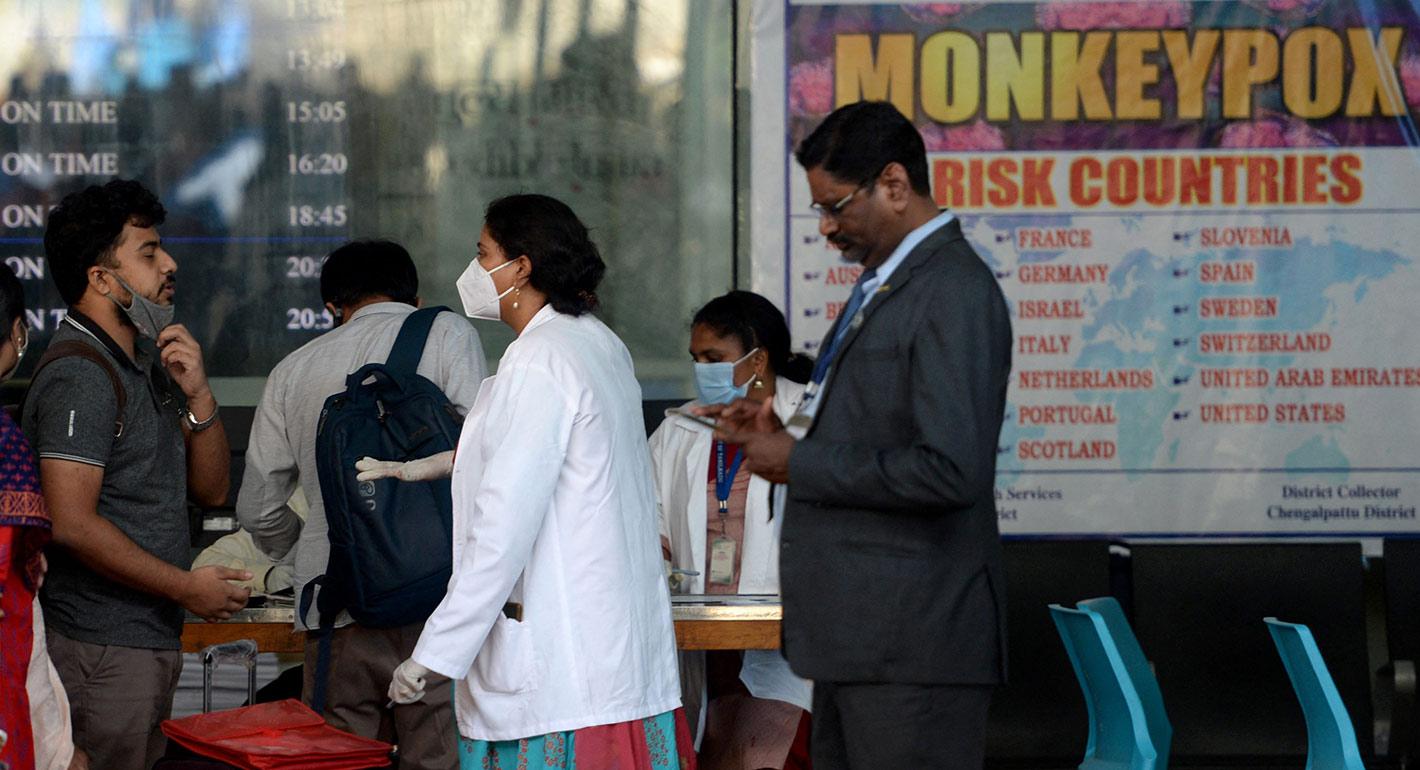
    How WHO’s “One Health” Program Can Help India Tackle Monkeypox

    With monkeypox being declared a global health emergency, the WHO approach is an innovative and effective way to curb outbreaks of zoonotic diseases.

      Shruti Sharma

  • Paper
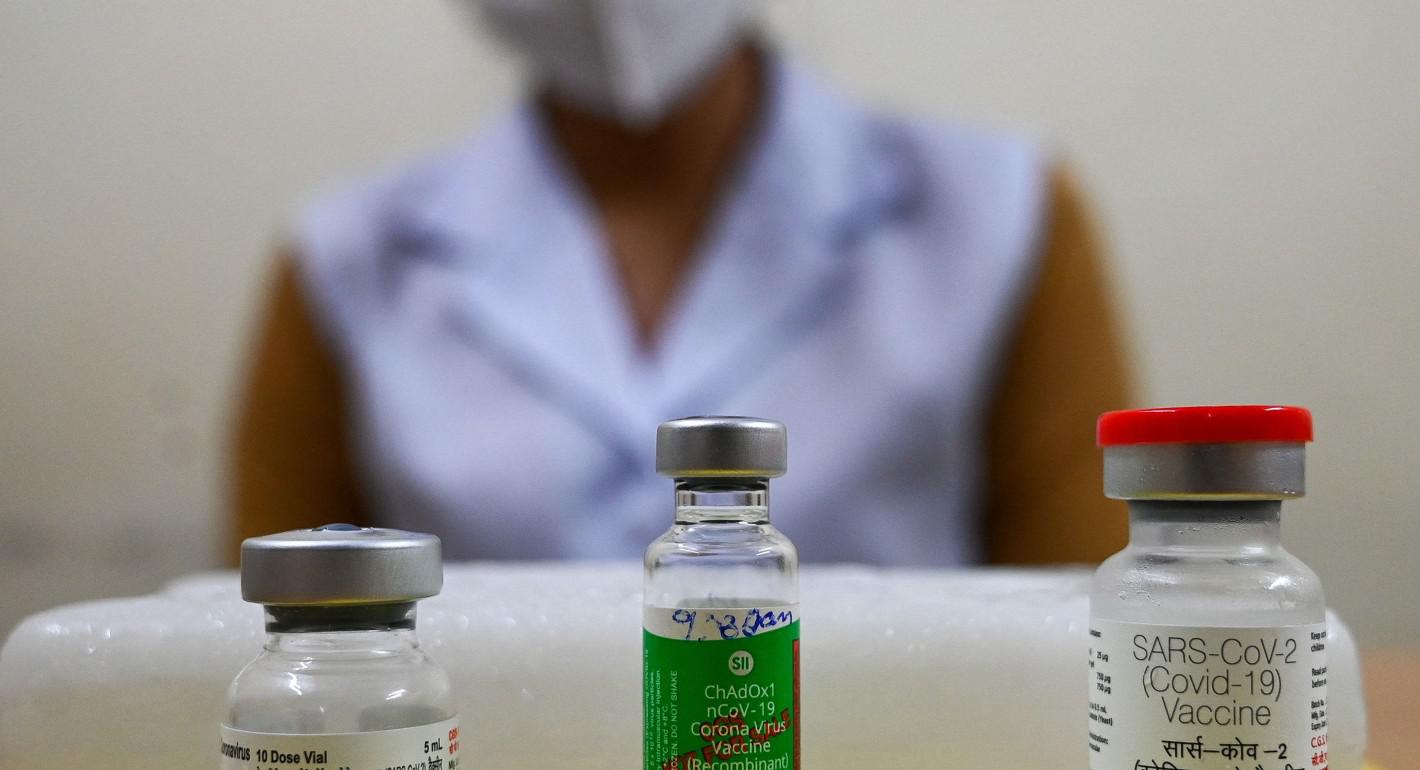
    Lessons from the Coronavirus Pandemic: Leveraging Biotechnology to Tackle Infectious Diseases in India

    In India, biotechnology has played an important role in helping stakeholders in academia, industry, and government develop new pandemic-related technology, from test kits to respiratory devices. But these biotechnology advancements can go further to strengthen India’s public health capacity.

      Shruti Sharma

  • Commentary
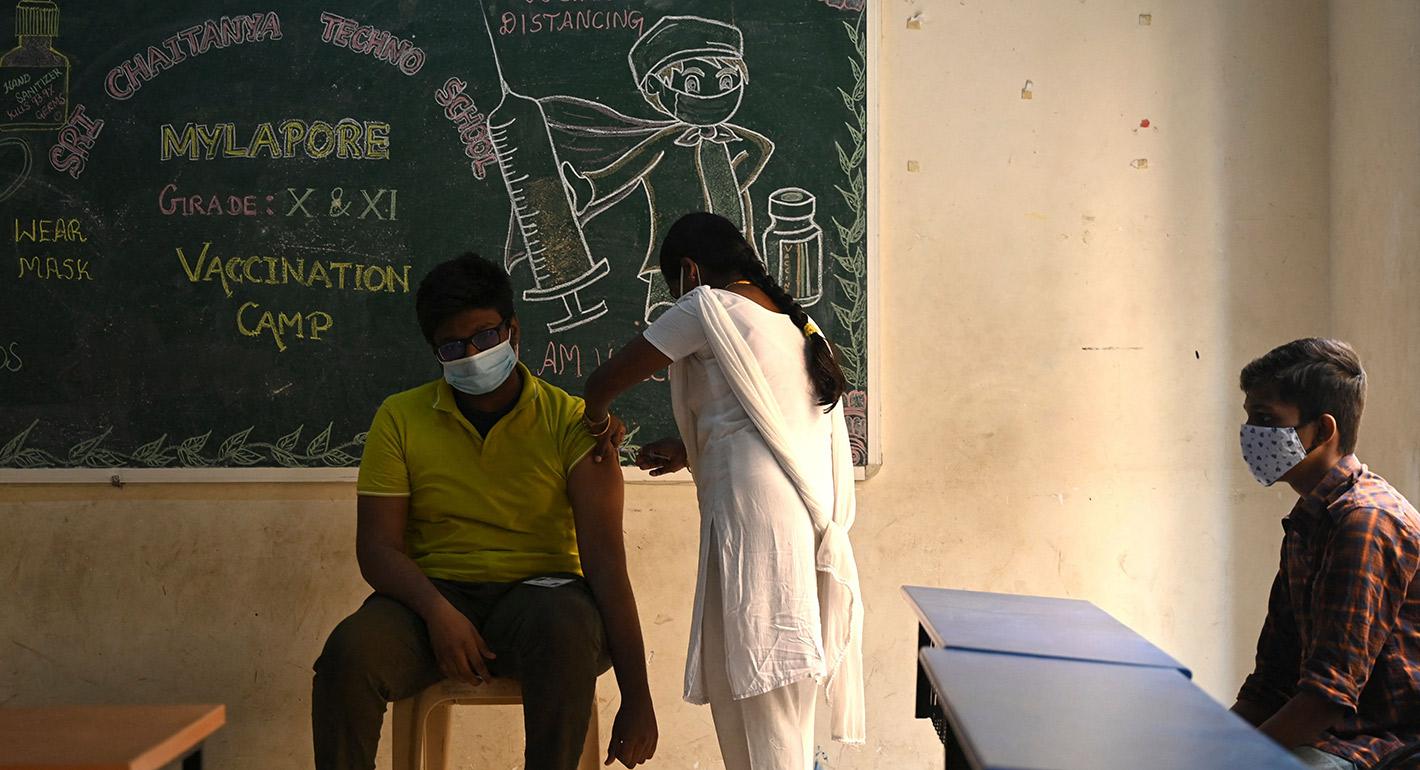
    Combating Vaccine Hesitancy in India

    Unless the government can up its communications game, anti-vax movements could prolong India’s pandemic effects.

      Shruti Sharma

  • Commentary
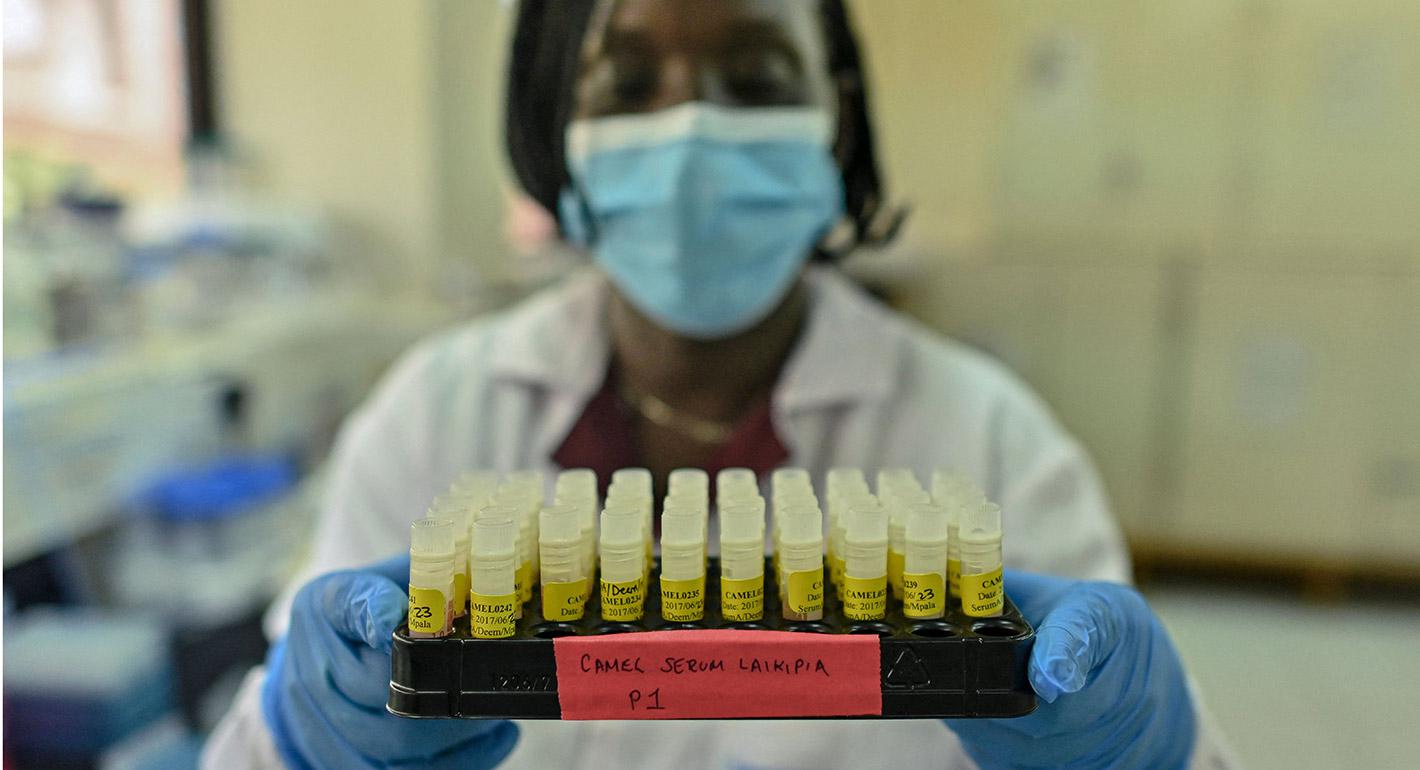
    How Should Countries Study Viruses Safely?

    The uncertain origin of the coronavirus has focused attention on gain-of-function research—studying viruses to learn how they spread. How can countries work together to ensure stringent safety standards?

      Shruti Sharma

Get more news and analysis from
Carnegie India
Carnegie India logo, white
Unit C-4, 5, 6, EdenparkShaheed Jeet Singh MargNew Delhi – 110016, IndiaPhone: 011-40078687
  • Research
  • About
  • Experts
  • Projects
  • Events
  • Contact
  • Careers
  • Privacy
  • For Media
Get more news and analysis from
Carnegie India
© 2026 Carnegie Endowment for International Peace. All rights reserved.