• Research
  • About
  • Experts
Carnegie India logoCarnegie lettermark logo
{
  "authors": [
    "Karim Sadjadpour"
  ],
  "type": "legacyinthemedia",
  "centerAffiliationAll": "dc",
  "centers": [
    "Carnegie Endowment for International Peace"
  ],
  "collections": [
    "Arab Awakening"
  ],
  "englishNewsletterAll": "menaTransitions",
  "nonEnglishNewsletterAll": "",
  "primaryCenter": "Carnegie Endowment for International Peace",
  "programAffiliation": "MEP",
  "programs": [
    "Middle East"
  ],
  "projects": [],
  "regions": [
    "Middle East",
    "Iran"
  ],
  "topics": [
    "Political Reform"
  ]
}
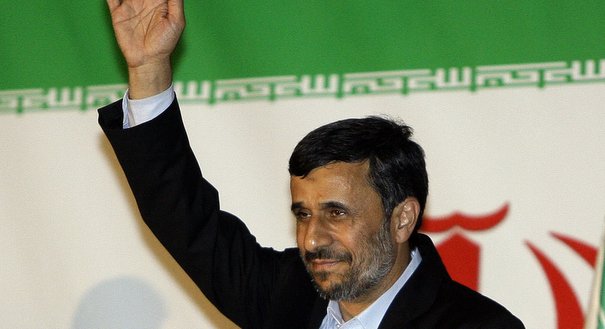
Source: Getty

In The Media

Some Human Rights Questions for Iran’s President

As Iranian President Mahmoud Ahmadinejad visits the UN General Assembly in New York, a number of Iranians are frustrated by the reluctance of Western journalists to ask tough questions about Ahmadinejad’s domestic policies.

Link Copied
By Karim Sadjadpour
Published on Sep 18, 2011

Source: Washington Post

Some Human Rights Questions for Iran’s PresidentThe media circus generated by Iranian President Mahmoud Ahmadinejad’s annual visit to the U.N. General Assembly in New York is a source of great frustration for many Iranians, who wish Western journalists would ask tougher questions about Ahmadinejad’s domestic practices. The following questions are culled from Iranian democracy and human rights activists who don’t have a chance to query the president directly:

Your boss, Supreme Leader Ayatollah Ali Khamenei, was selected by a few dozen clerics more than 20 years ago. Do you believe that he — as his office has asserted — is the prophet’s representative on Earth?
 
Khamenei hasn’t left Iran since 1989. Nearly half of Iran’s population was born after 1989. Do you think this provides him with a good understanding of the modern world in which they live?
 
One of your key clerical backers, Ayatollah Mesbah Yazdi, proclaimed after your contested reelection in 2009 that obeying you was akin to obeying God. More recently he has asserted that you are under the influence of Satan. What explains Mesbah Yazdi’s, or God’s, fickleness?
 
There is evidence that your chief adviser, Rahim Mashai, helped secure loans for the leading suspect in a $2.6 billion bank fraud case, the largest embezzlement scandal in Iranian history. You came to office vowing to “cut off the hands” of the corrupt; how will you deal with Mashai?
 
Your opponents in 2009, Mir Hossein Mousavi, 69, and Mehdi Karroubi, 73, have been held incommunicado for nearly a year. On what basis are they confined? If they have no influence, as you have said, why are they under house arrest?
 
Somayeh Tohidlou, a 32-year-old female sociology PhD student, recently received 50 lashes in prison for having “insulted” you by campaigning for Mousavi in 2009. Do you believe that men lashing women for their political views is an appropriate form of punishment?
 
You said last September that “freedom is a divine right.” Does that apply to Iran’s Bahais, who are persecuted for practicing their faith, discriminated against in the workplace and imprisoned for attempting to educate their youth, who have been barred from university?
 
In March you claimed that Iran is “the best example for asserting human rights in the world.” So why has your government refused to allow the U.N. special rapporteur for human rights in Iran, Ahmed Shaheed, to visit your country and investigate allegations of human rights violations?
 
In a BBC survey of 27 countries, including non-Western nations such as China, Nigeria and the Philippines, Iran ranks as “the most negatively viewed of all countries rated,” even below North Korea, with just a 16 percent favorability rating. Why?
 
According to a recent Zogby poll, popular support for Iran in the Arab world has recently “plummeted.” Qatari Prime Minister Hamad Bin Jasim al-Thani described his country’s relationship with your government as “they lie to us, and we lie to them.” Why do you believe that you are “a source of inspiration” to Arabs?
 
Nongovernmental organizations, including Transparency International, Freedom House and the World Bank, have said that Iran’s rates of corruption, economic malaise and repression during your tenure are higher than those of Hosni Mubarak’s Egypt and Zine el-Abidine Ben Ali’s Tunisia. Are you confident you won’t share their fate?
 
Iran’s closest ally since the 1979 revolution, Syria, has brutally killed more than 2,600 citizens this year — including children — who were protesting for greater political freedoms. How do you reconcile your country’s close friendship with Bashar al-Assad’s regime, given your claim to stand for justice and the oppressed?
 
The anti-government protests in Iran on June 15, 2009, were significantly larger than any protests in the Middle East this year, yet you referred to the protesters as “dust and dirt.” Do you regret using that term?
 
In leaked diplomatic cables, a senior Iraqi tribal leader asserted that your government has provided him and other Iraqi officials “short-term marriages” with Iranian women in order to garner influence. Does Iran use prostitution as a form of statecraft?
 
During your presidency Iran has had the highest per capita execution rate in the world, including recent public executions and executions of people accused of being homosexual. Are you proud of this record?
 
Ali Vakili Rad, who was convicted by the French in 1991 for the brutal stabbing death of 77-year-old Iranian democracy activist Shapour Bakhtiar in Paris, was given an official hero’s welcome at the Tehran airport upon his release from prison last year. Why does your government glorify assassins?

About the Author

Karim Sadjadpour

Senior Fellow, Middle East Program

Karim Sadjadpour is a senior fellow at the Carnegie Endowment for International Peace, where he focuses on Iran and U.S. foreign policy toward the Middle East.

    Recent Work

  • Q&A
    What’s Keeping the Iranian Regime in Power—for Now

      Aaron David Miller, Karim Sadjadpour, Robin Wright

  • Q&A
    How Washington and Tehran Are Assessing Their Next Steps

      Aaron David Miller, David Petraeus, Karim Sadjadpour

Karim Sadjadpour
Senior Fellow, Middle East Program
Karim Sadjadpour
Political ReformMiddle EastIran

Carnegie India does not take institutional positions on public policy issues; the views represented herein are those of the author(s) and do not necessarily reflect the views of Carnegie, its staff, or its trustees.
More Work from Carnegie India

  • Article
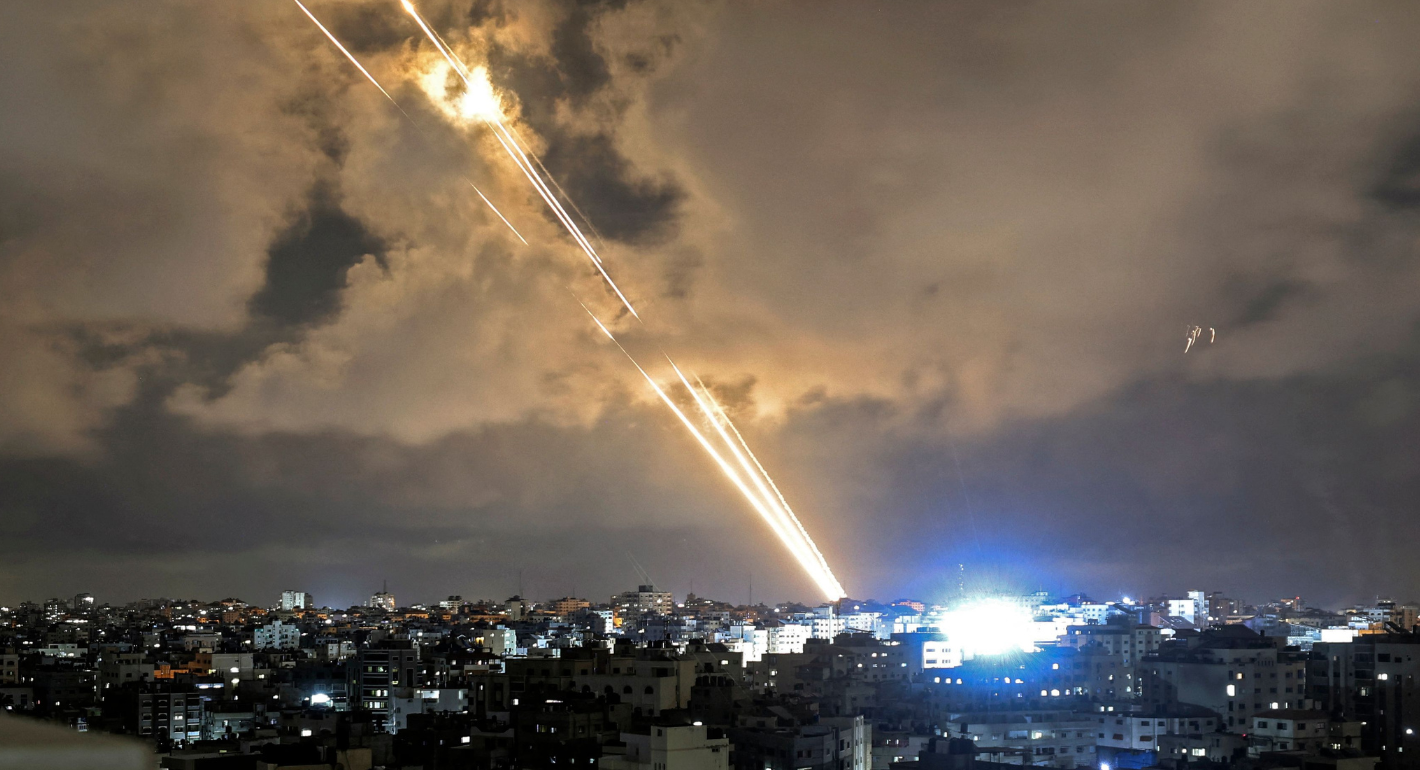
    Risk and Retaliation: Israel, Iran, and the Evolving Situation in West Asia

    An Israeli response to Iran’s October 1 attack is imminent. The key question is of its intensity and potential fallout, both within Iran, in terms of nuclear security policy changes, and across the broader region. The coming days are likely to reshape West Asia irreversibly.
      Gaddam Dharmendra
  • Commentary
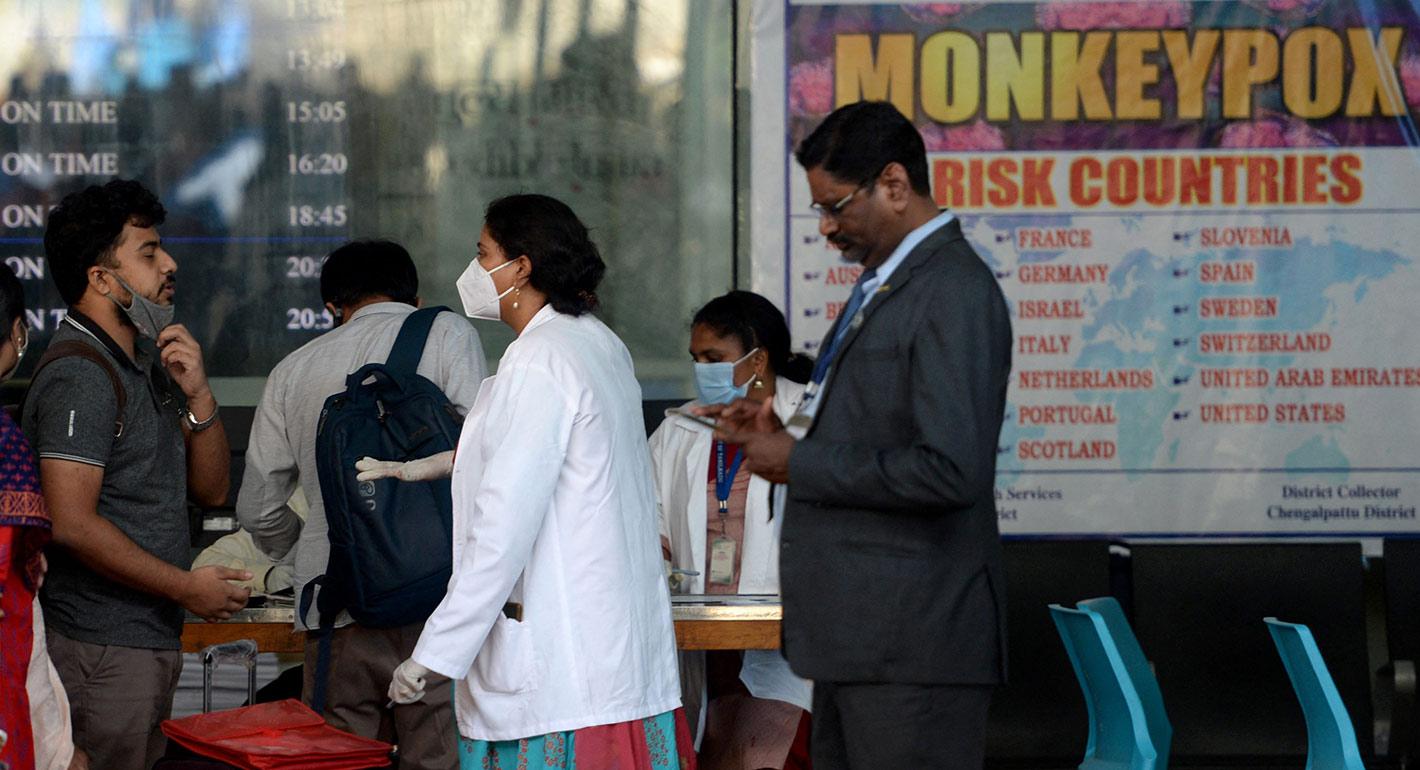
    How WHO’s “One Health” Program Can Help India Tackle Monkeypox

    With monkeypox being declared a global health emergency, the WHO approach is an innovative and effective way to curb outbreaks of zoonotic diseases.

      Shruti Sharma
  • Paper
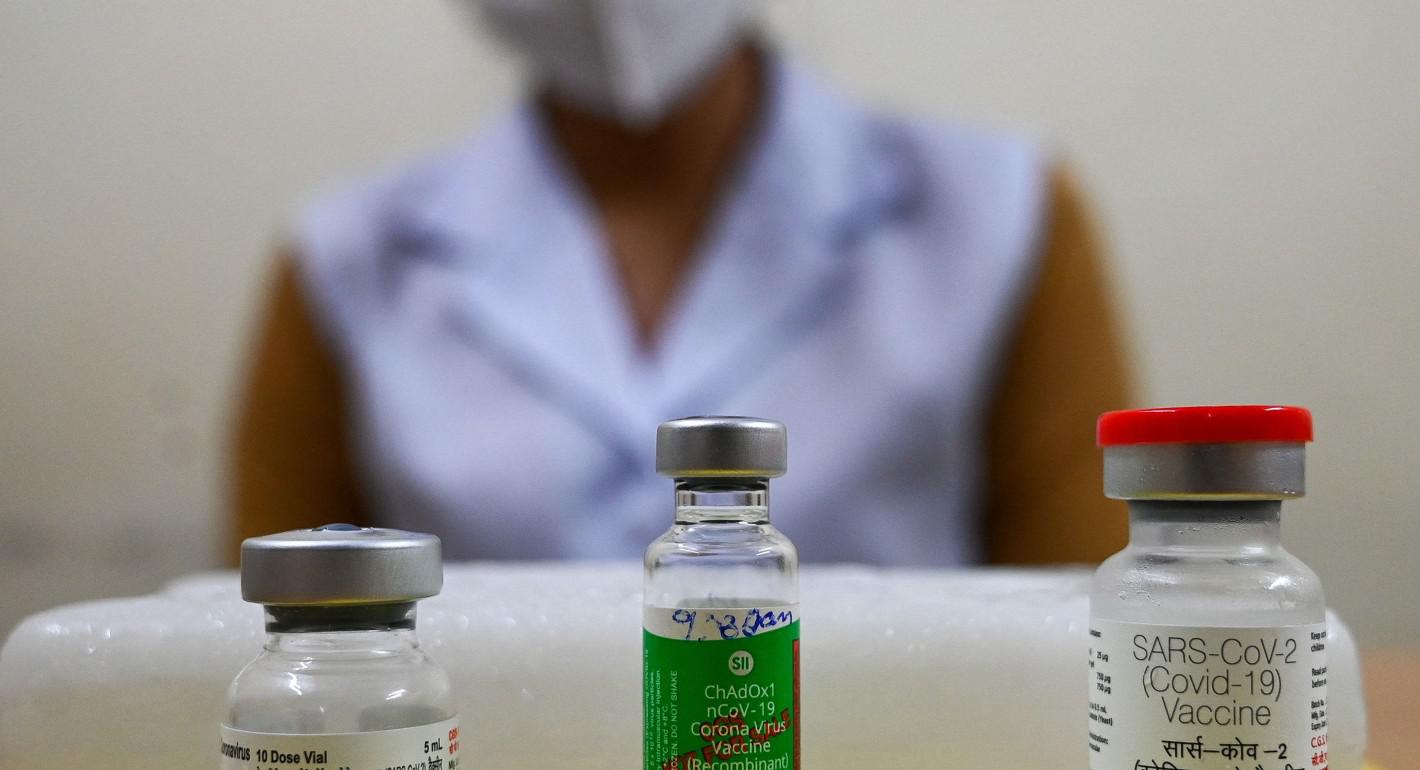
    Lessons from the Coronavirus Pandemic: Leveraging Biotechnology to Tackle Infectious Diseases in India

    In India, biotechnology has played an important role in helping stakeholders in academia, industry, and government develop new pandemic-related technology, from test kits to respiratory devices. But these biotechnology advancements can go further to strengthen India’s public health capacity.

      Shruti Sharma
  • Commentary
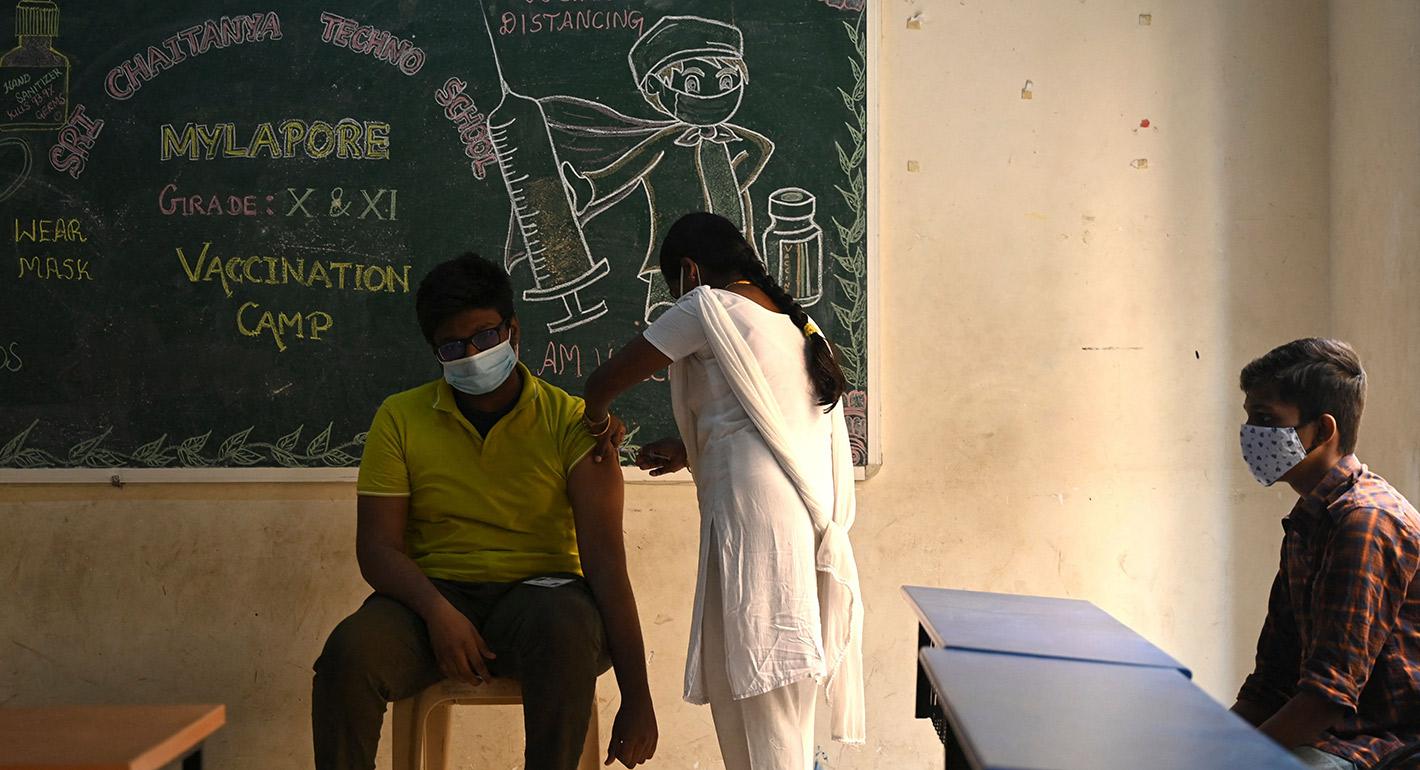
    Combating Vaccine Hesitancy in India

    Unless the government can up its communications game, anti-vax movements could prolong India’s pandemic effects.

      Shruti Sharma
  • Commentary
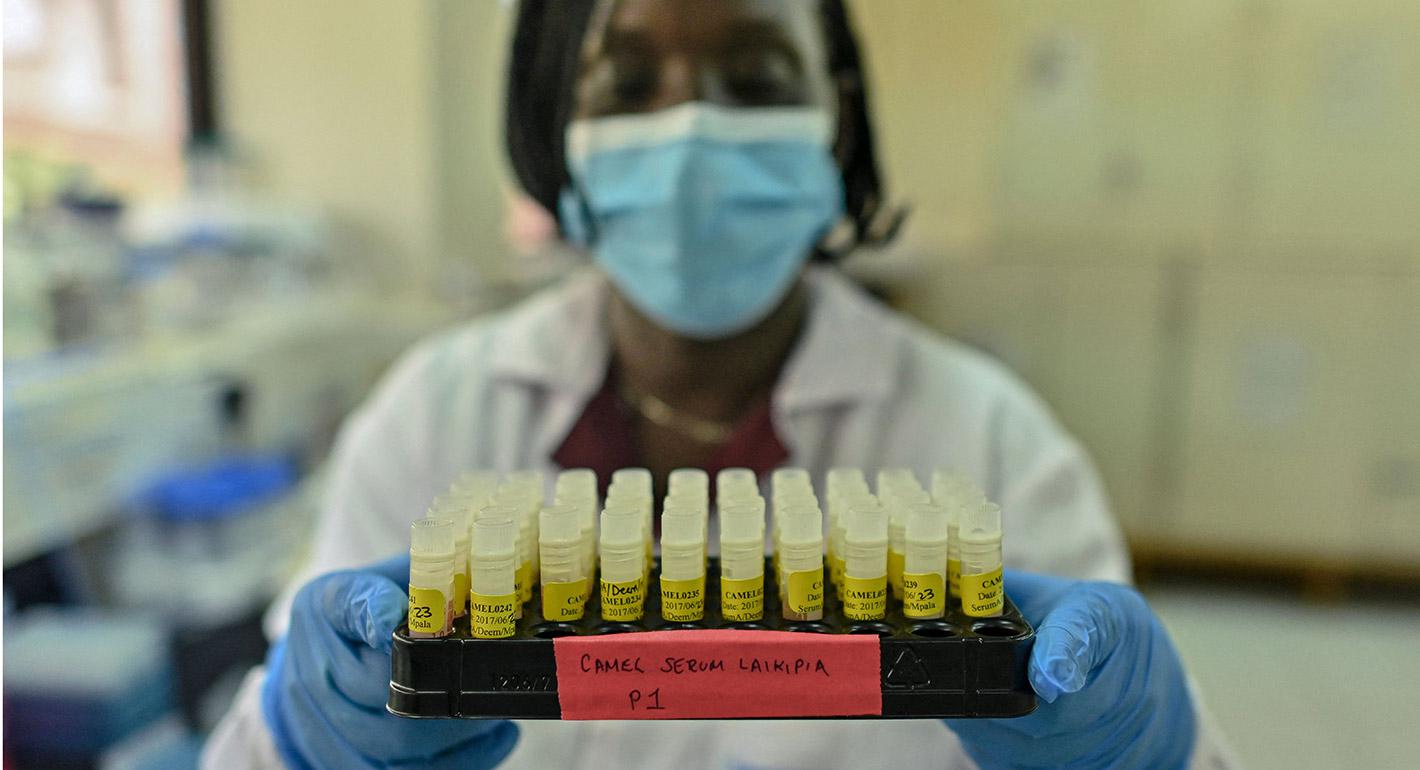
    How Should Countries Study Viruses Safely?

    The uncertain origin of the coronavirus has focused attention on gain-of-function research—studying viruses to learn how they spread. How can countries work together to ensure stringent safety standards?

      Shruti Sharma

Get more news and analysis from
Carnegie India
Carnegie India logo, white
Unit C-4, 5, 6, EdenparkShaheed Jeet Singh MargNew Delhi – 110016, IndiaPhone: 011-40078687
  • Research
  • About
  • Experts
  • Projects
  • Events
  • Contact
  • Careers
  • Privacy
  • For Media
Get more news and analysis from
Carnegie India
© 2026 Carnegie Endowment for International Peace. All rights reserved.


