

Commentary
How is AI reshaping space security, creating governance challenges, and where does international diplomacy stand today?
Tejas Bharadwaj, Almudena Azcárate Ortega
{
  "authors": [
    "Uri Dadush",
    "William Shaw"
  ],
  "type": "legacyinthemedia",
  "centerAffiliationAll": "",
  "centers": [
    "Carnegie Endowment for International Peace",
    "Carnegie Europe",
    "Carnegie Russia Eurasia Center"
  ],
  "collections": [
    "Transatlantic Cooperation"
  ],
  "englishNewsletterAll": "",
  "nonEnglishNewsletterAll": "",
  "primaryCenter": "Carnegie Endowment for International Peace",
  "programAffiliation": "",
  "programs": [],
  "projects": [],
  "regions": [
    "North America",
    "United States",
    "Western Europe",
    "France",
    "Germany",
    "Europe",
    "Eastern Europe"
  ],
  "topics": [
    "Economy",
    "EU"
  ]
}
Source: Getty
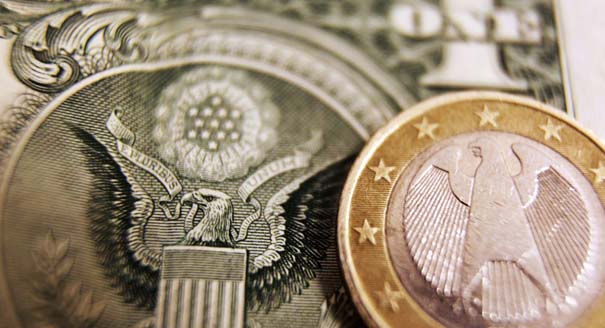
The euro crisis has grown too big for Europeans to handle alone. The United States must act to help save the euro—or risk paying a much bigger price if it collapses.
Source: National Interest

His fellow finance ministers will grow impatient. “We understand that you have a fiscal mess, but we don’t have a lot of time right now. We really need to prepare for the meetings with the Chinese, Brazilian and Mexican delegations. After all, as you and your president keep repeating, this is Europe’s crisis to deal with.”
This is more than ironic. It is unreal, tragic in fact, because everyone around the conference table will know that a collapse of the euro would not only be a calamity for Europe but also a disaster for the United States.
This article was originally published by the National Interest. Click here to continue reading.

Former Senior Associate, International Economics Program
Dadush was a senior associate at the Carnegie Endowment for International Peace. He focuses on trends in the global economy and is currently tracking developments in the eurozone crisis.
Former Visiting Scholar, International Economics Program
Shaw was a visiting scholar in Carnegie’s International Economics Program. He is the co-author of Juggernaut: How Emerging Markets Are Reshaping Globalization.
Carnegie India does not take institutional positions on public policy issues; the views represented herein are those of the author(s) and do not necessarily reflect the views of Carnegie, its staff, or its trustees.

How is AI reshaping space security, creating governance challenges, and where does international diplomacy stand today?


Tejas Bharadwaj, Almudena Azcárate Ortega
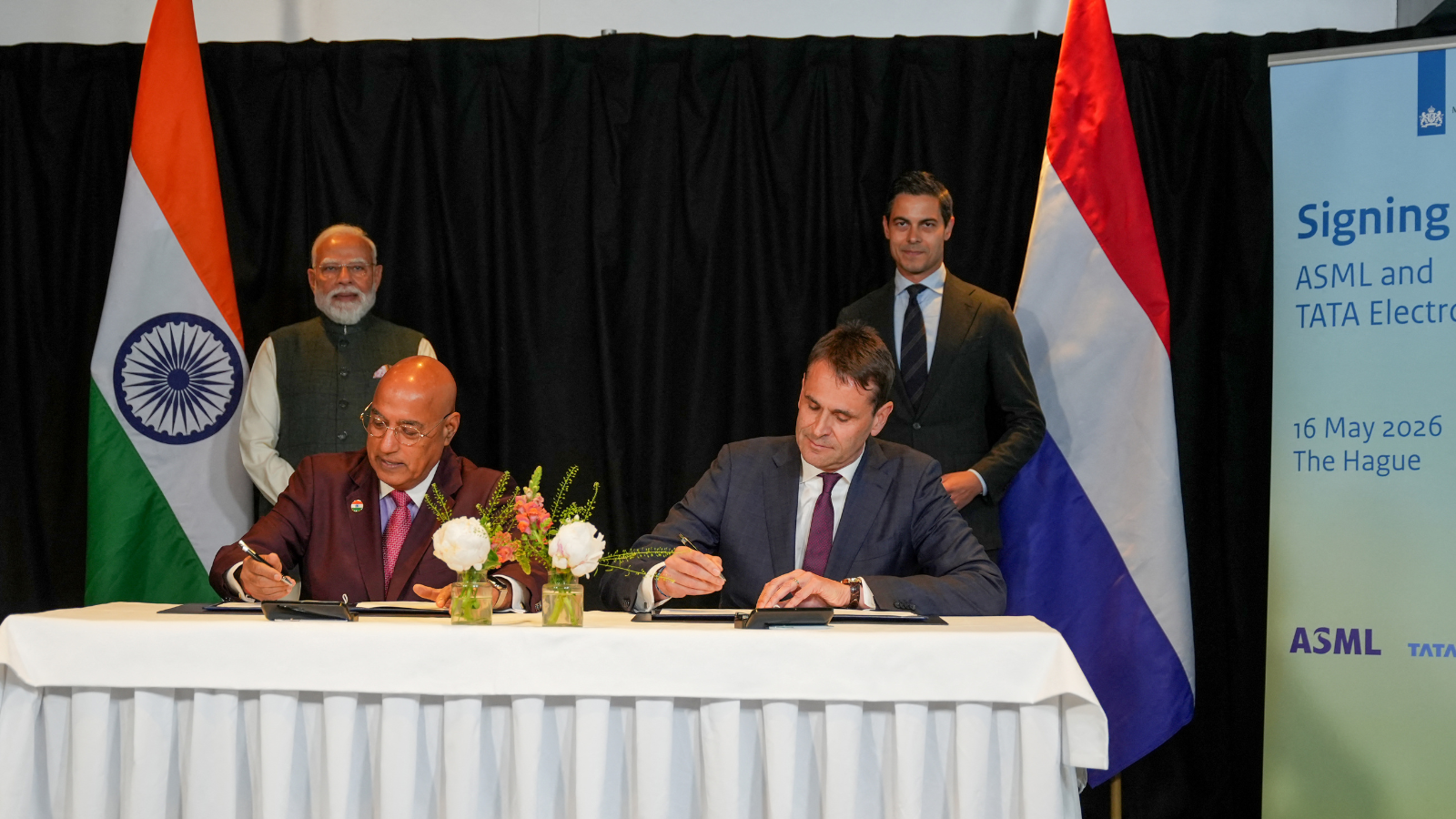
The ASML MoU with Tata Electronics is an indicator of how far the Indian semiconductor ecosystem has come. This ecosystem has been years in the making and represents real commercial logic.

Konark Bhandari

The U.S.–India semiconductor cooperation story is well-stocked with top-level strategic intent. What remains unresolved, however, are some underlying challenges that will determine whether the cooperation actually functions. Three such friction points stand out.

Shruti Mittal

The India–EU Free Trade Agreement (FTA) is shaping up to be one of the most consequential trade negotiations, both economically and strategically. But, what’s in the agreement, what’s missing, and what will determine its success in the years ahead

Vrinda Sahai, Nicolas Köhler-Suzuki

On March 10, 2026, India’s Union Cabinet approved amendments to Press Note 3, a regulation that mandated government approval on all foreign direct investment (FDI) from countries sharing a land border with India. This amendment raises questions primarily about whether its stated benefits will materialize and if the risks have been adequately weighed. This piece will address the same.
Konark Bhandari