

Commentary
Judy Dempsey
{
  "authors": [
    "Judy Dempsey"
  ],
  "type": "legacyinthemedia",
  "centerAffiliationAll": "",
  "centers": [
    "Carnegie Endowment for International Peace",
    "Carnegie Europe"
  ],
  "collections": [],
  "englishNewsletterAll": "",
  "nonEnglishNewsletterAll": "",
  "primaryCenter": "Carnegie Europe",
  "programAffiliation": "",
  "programs": [],
  "projects": [],
  "regions": [
    "Europe"
  ],
  "topics": [
    "Foreign Policy",
    "EU"
  ]
}
Source: Getty
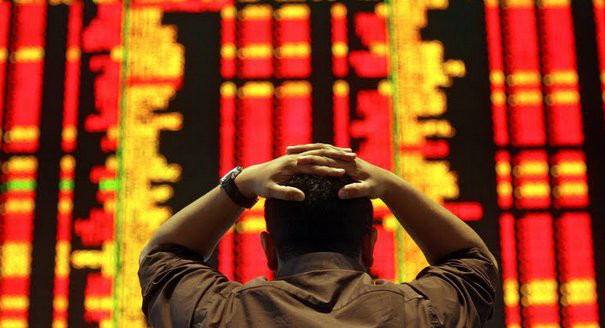
After more than sixty mostly successful years of European Union institution building, the euro crisis has suddenly, and terrifyingly, revealed the fragility of European integration.
Source: Munich Calling

Nowhere are the memories of the past being revived as vividly—and as poisonously and dangerously—as in Greece. The tabloid newspapers lash out daily at Germany. Berlin is being accused of trying to occupy Greece as Nazi Germany did, and with such brutality, during World War Two.
A mock-picture published last week in one of the mass circulation newspapers in Athens showed Chancellor Angela Merkel in military uniform with a swastika blazoned on her armband. Invoking the Nazi occupation is a common theme, as is comparing today’s Germany with the hegemonic ambitions of Hitler.There is hardly any mention about how much Germany has already contributed to the bail-out attempts for Greece. Nor is there much talk about the International Monetary Fund, the European Central Bank and the European Commission, the E.U.’s executive, that are overseeing reforms Greece has agreed to undertaken in return for more financial assistance.
Instead, much of the criticism for Greece’s economic woes are directed at Germany. “Greeks are bashing Germany because institutions seem imaginary unlike leaders,” said Pavol Demes, director of the Slovak office of German Marshall Fund of the United States.
As one of the founding members of the European Coal and Steel Community, the precursor to today’s European Union, Germany has gone out of its way to seek reconciliation with those countries it occupied during World War Two. It was not always easy. The Nazi reign over Eastern Europe and the Balkans was so terribly cruel that its ghosts are hard to lay to rest.
Even the big Western European countries are still afraid of being overpowered by a domineering Germany despite the fact that Germany’s recent record on giving Europe the lead in political, defense and security policies, show the contrary.
When Europe was divided, it was West Germany that was vilified by the communist regimes in Eastern and Central Europe. Once the Berlin Wall fell in November 1989 followed by the collapse of the Soviet Union, the reunited Germany moved quickly to try and deal with the past with its eastern neighbors. It reassured them over borders and reneged any restitution claims.
During the violent breakup of the former Yugoslavia in the 1990s, Europe became deeply divided again, almost, say analysts, along World War Two lines. When Germany supported Croatia’s bid for independence, Serbia and Greece were shocked and outraged by what they saw as old alliances being revived. Since the end of the Balkan wars, Germany’s image has improved, not least because of its strong economy that has fuelled investments in these countries.
But the most remarkable shift in how the past has moved from recrimination and suspicion to a degree of respect leading to genuine security is in Berlin’s relations with Poland. Successive German governments have been acutely aware of the need to mend relations with its biggest neighbor, Poland. Over the centuries, Poland , which had been occupied or carved up by Russia, Prussia, Nazi Germany and the Soviet Union.
Of course, the ghosts of nationalism are never far from the surface on either side, particularly over the question of the status of Germans who were expelled from former German territories after 1945. But even when the Polish conservative nationalist Law and Justice party led by Jaroslaw Kaczynski was in power during from 2006-2007, Mrs. Merkel’s government did not rise to the bait by the anti-German rhetoric coming from Warsaw at the time.
Indeed, it says a great deal about the state of relations between both countries when Radek Sikorski, the Polish foreign minister, actually said recently he would like more, not less Germany, when it came to Berlin exercising leadership in Europe!
Relations with the Czech Republic and Slovakia and Hungary are blossoming too. Only last week, the Mikulas Dzurinda, the foreign minister of Slovakia, said 2011 was the “year of Germany”: relations between Bratislava and Berlin had never been so good.
Yet one wonders that if any of these countries were put through the same painful restructuring that Greece is undergoing, would the sentiments change, and revert just as quickly to the past? That is why Mrs. Merkel—just as every other E.U. leader—should be deeply, deeply worried about the fragility of Europe.
The more politicians resort to populism and the past, issues concerning foreign, security and defense policy and Europe’s place in the world will have less and less relevance. Indeed, unless governments speak out against such trends, the continent’s continuing cohesion, prosperity and security is at risk.
This article was originally published in the Munich Security Conference's Munich Calling.

Nonresident Senior Fellow, Carnegie Europe
Judy Dempsey is a nonresident senior fellow at Carnegie Europe
Recent Work
Judy Dempsey
Judy Dempsey
Carnegie India does not take institutional positions on public policy issues; the views represented herein are those of the author(s) and do not necessarily reflect the views of Carnegie, its staff, or its trustees.

After the chill in ties between 2020 and 2024 that brought India–China relations to their lowest point in several decades, the two countries have engaged each other afresh. This paper argues that there are predominantly four imperatives guiding India’s approach to China, and they exist in an order of priority.

Saheb Singh Chadha

This piece argues that India’s central challenge is not managing a single flashpoint but resolving the underlying tension between expansion and institutional coherency of the BRICS grouping.

Vrinda Sahai
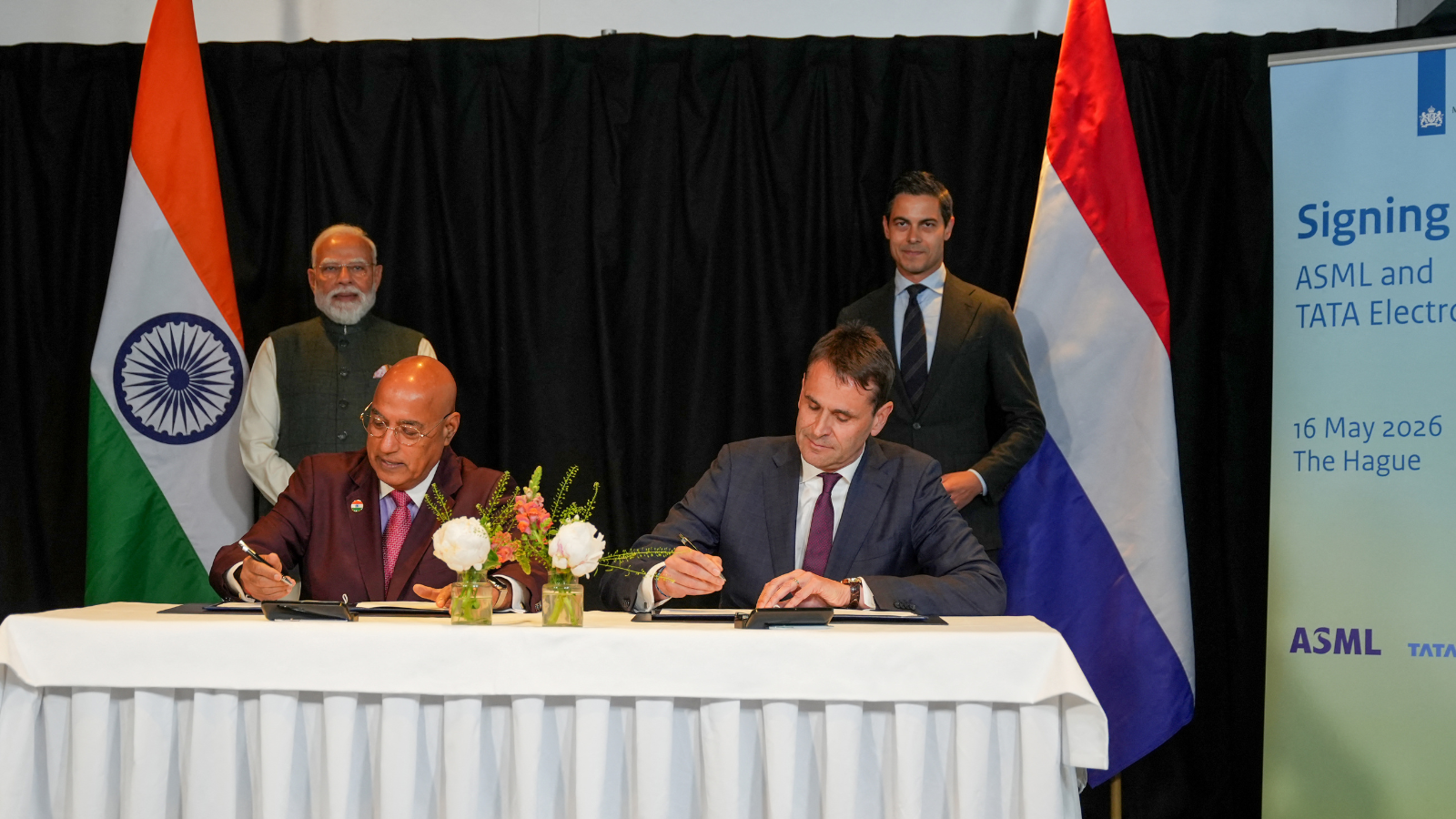
The ASML MoU with Tata Electronics is an indicator of how far the Indian semiconductor ecosystem has come. This ecosystem has been years in the making and represents real commercial logic.

Konark Bhandari

A partnership between India, a country of subcontinental size, and Africa, a continent of fifty-four countries, may seem asymmetric until one notes that both are home to nearly the same number of people—1.4 billion. This essay spells out the existing challenges to the partnership, its optimal potential, and the possible pathways to realize it over the next quarter-century.

Rajiv Bhatia

The India–EU Free Trade Agreement (FTA) is shaping up to be one of the most consequential trade negotiations, both economically and strategically. But, what’s in the agreement, what’s missing, and what will determine its success in the years ahead
Vrinda Sahai, Nicolas Köhler-Suzuki